

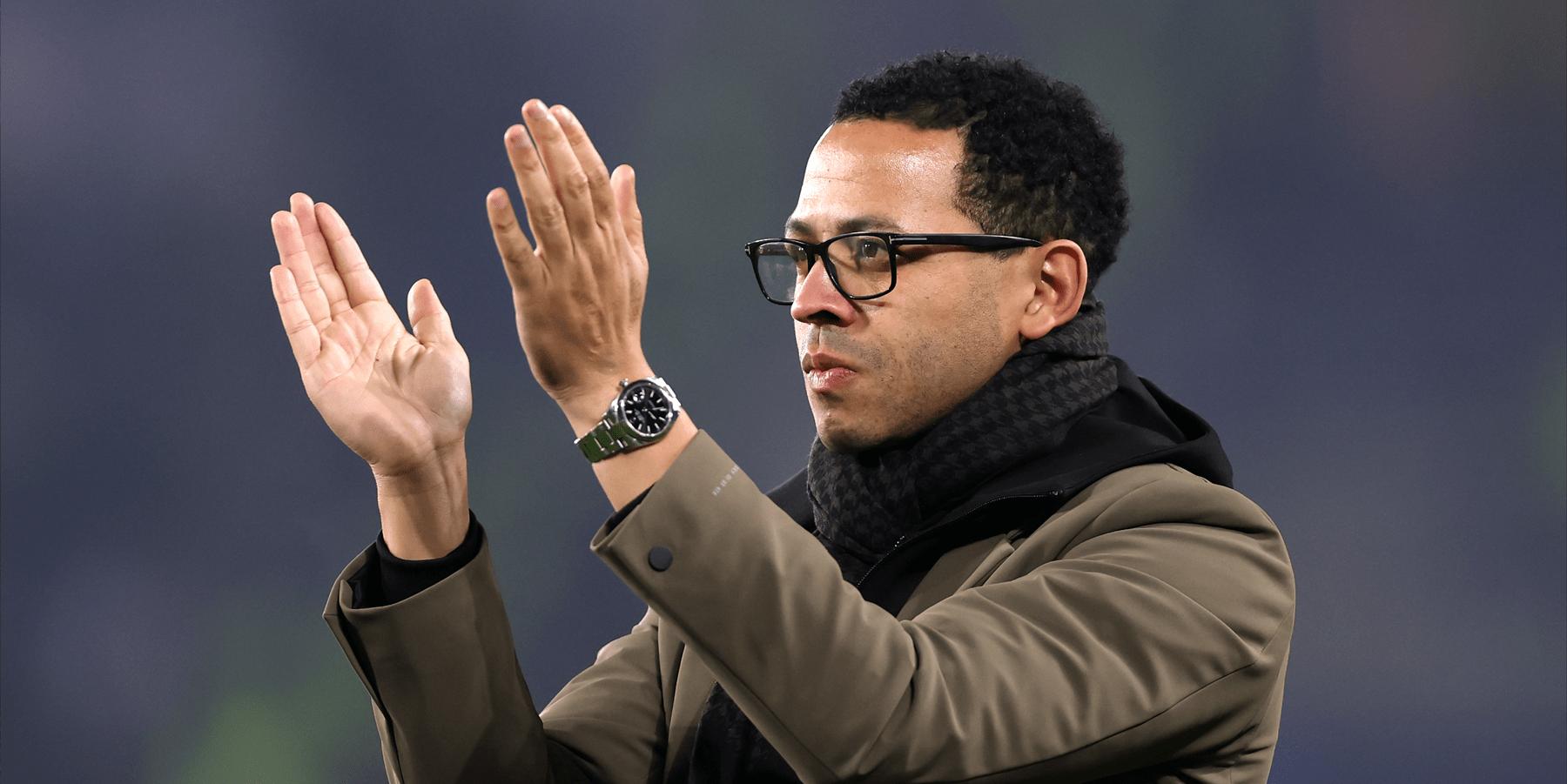
Chelsea’s bold mid‑season gamble on Liam Rosenior came to an abrupt end after just over three months, as the club announced his dismissal following a catastrophic run of results that plunged the team into crisis.
The 41‑year‑old, hired in January with the promise of long‑term stability, oversaw a dramatic downturn that saw Chelsea lose five consecutive Premier League matches without scoring — a failure not witnessed at Stamford Bridge since 1912.
What happened?
The breaking point arrived with a 3–0 defeat to Brighton, a performance Rosenior himself labelled “indefensible,” and one that intensified fan frustration already brewing in the stands.
The slump left Chelsea seven points adrift of the Champions League places, threatening both sporting ambitions and the financial stability tied to European qualification.
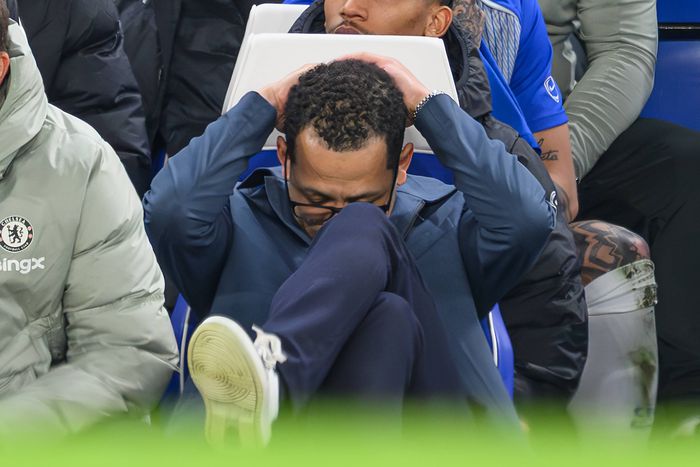
Despite an encouraging start — including four straight league wins — Rosenior’s Chelsea unravelled rapidly. The team suffered seven defeats in eight matches across all competitions, including a humiliating Champions League exit to Paris Saint‑Germain.
Reports also pointed to internal tensions, with concerns that Rosenior lacked the authority to manage key dressing‑room situations, further weakening his position.
With an FA Cup semi‑final looming and the season slipping away, Chelsea’s hierarchy concluded that an immediate change was the only way to salvage their campaign. Assistant coach Calum McFarlane was appointed interim manager, tasked with steadying a team in freefall.


Source: Ballocentre.com
Images: GETTY
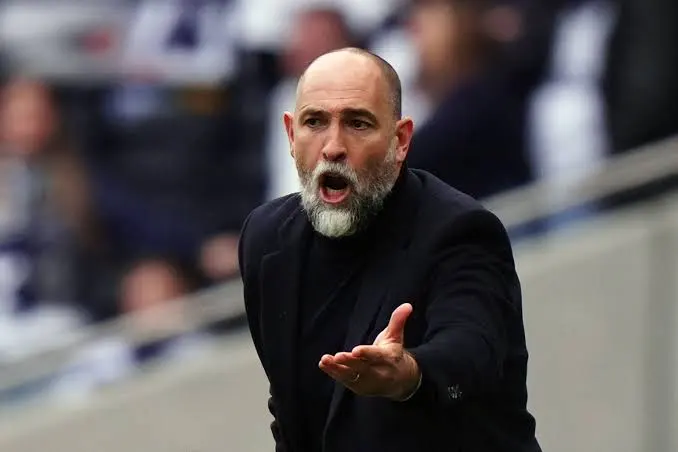
Igor Tudor experienced a remarkably short spell at Tottenham Hotspur, leaving the club after just 44 days and seven matches in charge. The Croatian was appointed during a difficult period, but his tenure quickly came to an end following underwhelming results.
On the pitch, Tottenham struggled to find rhythm and consistency. Tudor attempted to introduce an aggressive, high-pressing style, but the squad failed to fully adapt in such a limited time.
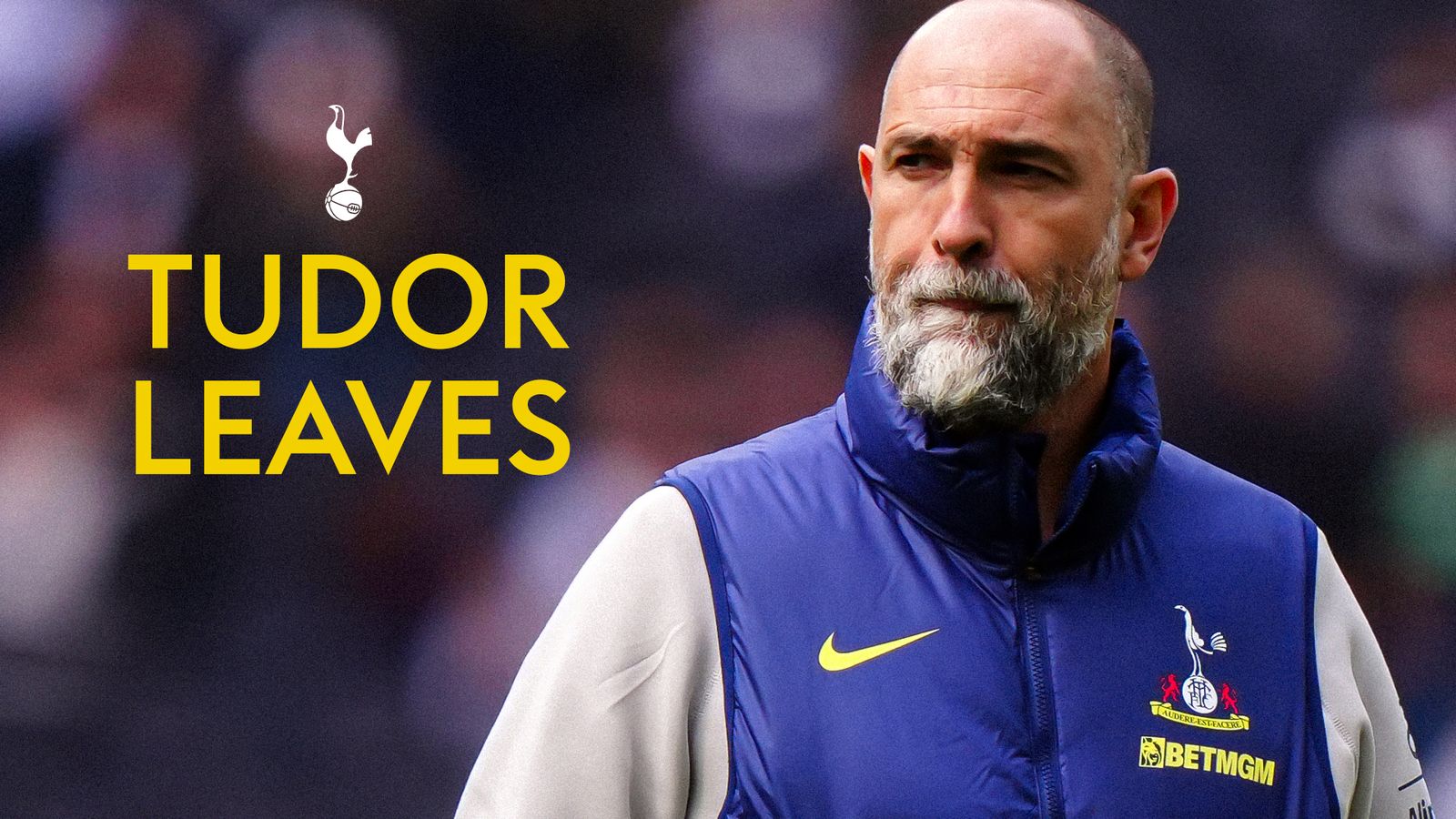
Off the pitch, reports pointed to tensions around tactics and player management. These issues, combined with poor performances, made his position increasingly uncertain.
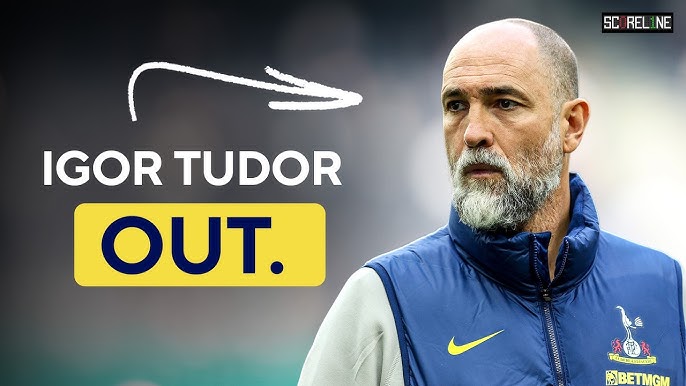
His departure highlights Tottenham’s ongoing instability in the managerial role. For Tudor, it remains a brief setback in a coaching career that has shown promise elsewhere in Europe.
Source: Ballocentre.com
Images: GETTY
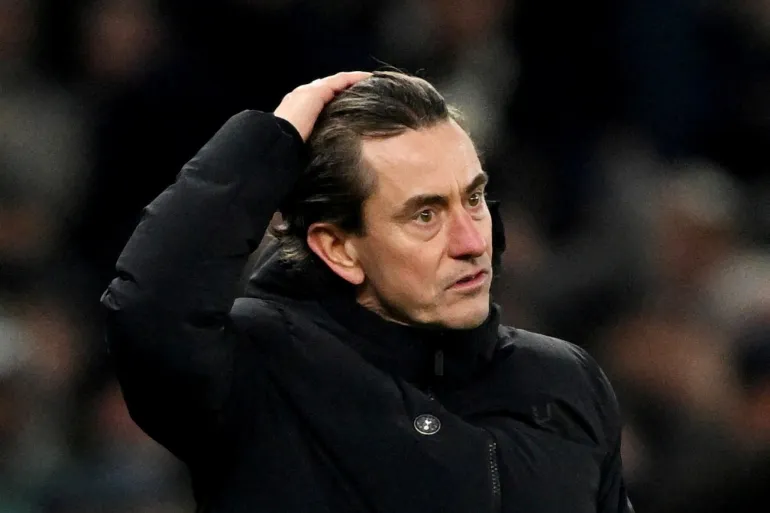
Tottenham Hotspur have officially parted ways with head coach Thomas Frank after less than eight months in charge. The decision came in the wake of Tuesday’s 2‑1 home defeat to Newcastle United, which left Spurs languishing in 16th place in the Premier League, just five points above the relegation zone.
Frank, appointed in June 2025 as Ange Postecoglou’s successor, oversaw a run of only two wins in the last 17 league matches. Fans voiced their frustration during the Newcastle loss, chanting for his dismissal. The club confirmed on Wednesday that “results and performances have not met expectations,” and that a change was necessary. This marks Tottenham’s sixth permanent managerial change in seven years.
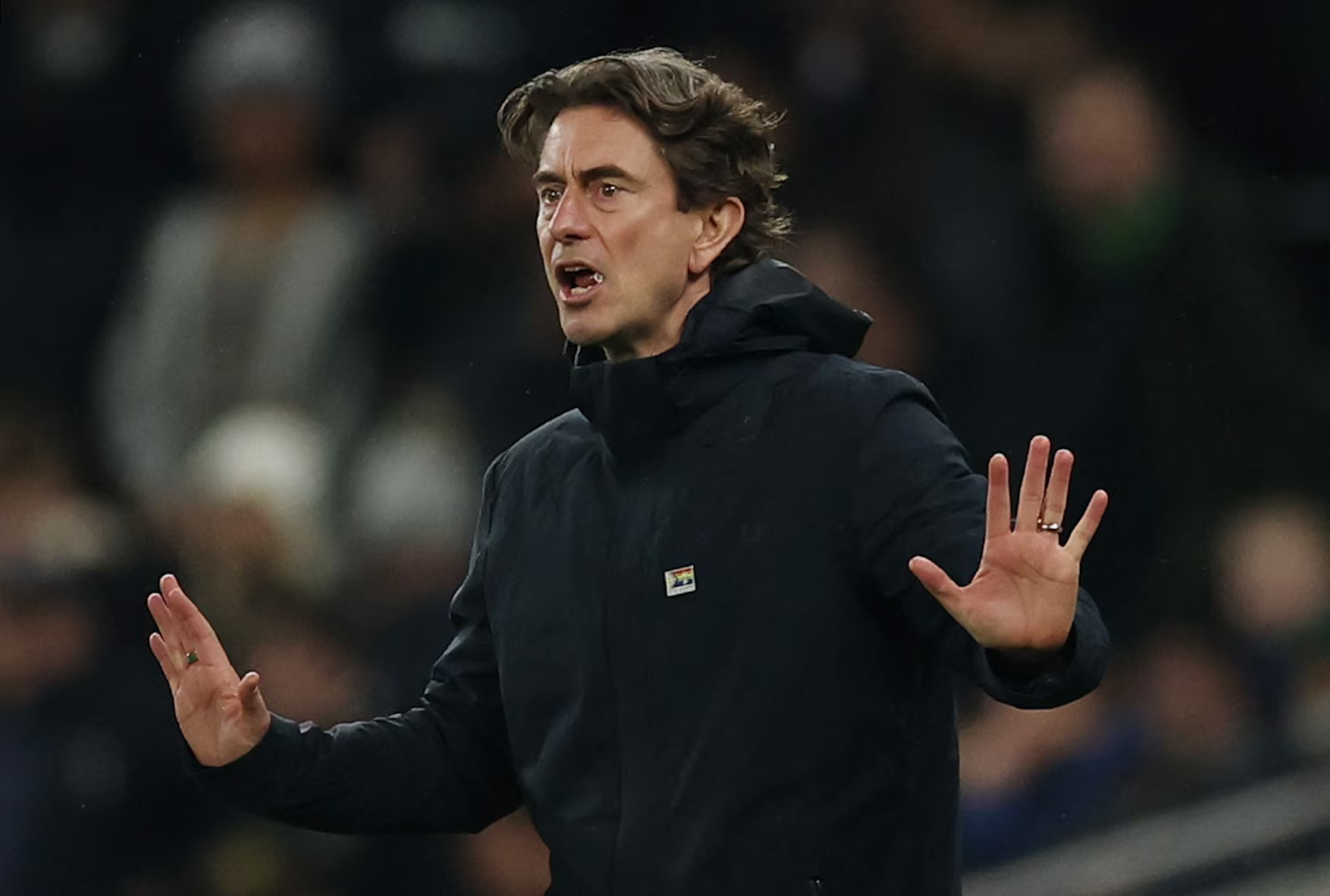
Attention now turns to who will replace him. Reports suggest Oliver Glasner, currently at Crystal Palace, has emerged as a leading candidate, though Spurs are expected to consider multiple options
Igor Tudor, former Juventus coach has been appointed on a contract running until the end of the season.

Below is Frank's last match in charge of Tottenham
Source: Ballocentre.com
Images: GETTY

Xabi Alonso’s tenure as Real Madrid manager has come to an abrupt end after just seven months, with the club announcing his departure by mutual consent a day after their defeat to Barcelona in the Spanish Super Cup final. Former Madrid defender Álvaro Arbeloa has been appointed as his successor.

A Short-Lived Era
When Xabi Alonso was unveiled as Real Madrid’s head coach in the summer of 2025, optimism was high. Fresh from guiding Bayer Leverkusen to a historic Bundesliga title, Alonso was seen as the man to usher in a new era at the Bernabéu. His appointment was also symbolic: a former midfield general returning to lead the club he once served with distinction as a player.
Yet, just over 200 days later, the project has ended prematurely. Real Madrid confirmed on Monday, January 12, 2026, that Alonso had left his role by mutual agreement. The announcement came less than 24 hours after a 3-2 defeat to Barcelona in the Spanish Super Cup final in Jeddah, Saudi Arabia — a loss that compounded growing concerns about the team’s trajectory.
Reasons Behind the Split
While the official statement emphasized mutual respect and gratitude, reports suggest deeper tensions. Alonso is said to have clashed with striker Kylian Mbappé over tactical decisions before the Super Cup final. Additionally, disagreements with club president Florentino Pérez reportedly accelerated the decision to part ways.
On the pitch, results had been inconsistent. Real Madrid trail Barcelona by four points in La Liga and sit seventh in their Champions League group, raising doubts about Alonso’s ability to deliver immediate success.
Arbeloa Steps In
In a swift move, Real Madrid promoted Álvaro Arbeloa, who had been coaching the club’s B team (Castilla) since June 2025. Arbeloa, a former Madrid and Spain full-back, is seen as a loyal club figure with strong ties to the academy. His appointment reflects the club’s desire for continuity and stability, though questions remain about his readiness to manage at the highest level.

Legacy and Outlook
Despite the brevity of his tenure, Alonso leaves with his reputation largely intact. The club’s statement highlighted that he “will always have the love and admiration of all Real Madrid fans” and that Madrid “will always be his home.”
For Real Madrid, the challenge now is to steady the ship under Arbeloa while maintaining competitiveness in La Liga and Europe. For Alonso, the future remains open: his success at Leverkusen and his tactical acumen ensure he will remain a sought-after figure in European football.
Source: Ballocentre.com
Images: Getty

Manchester United have officially announced the dismissal of Rúben Amorim, bringing to an end a fourteen-month spell marked by disappointing results, internal tensions, and a persistent inability to steer the club back on course.
Appointed in November 2024 from Sporting Portugal, the Portuguese coach embodied hopes of renewal after several unstable seasons. Renowned for his progressive football and early success in Portugal, Amorim ultimately failed to translate his vision into consistent performances in the demanding environment of the Premier League.
A Disappointing Sporting Record
From a sporting perspective, Rúben Amorim's tenure will go down as one of the most difficult in Manchester United's modern era. The 2024-2025 season ended with a worrying 15th-place finish in the league, a historically low position for the club. Although United reached the Europa League final in spring 2025, the overall trajectory remained negative.
In the Premier League, the Red Devils suffered from chronic inconsistency, posting a low win percentage and repeatedly falling short of expectations. The 2025-2026 campaign failed to reverse the trend, with United hovering in the upper mid-table, far from their ambitions of Champions League qualification.
Growing Internal Tensions
Beyond results, Amorim's dismissal was also driven by deep-rooted disagreements with the club's sporting leadership. Differences emerged over recruitment strategy, the club's decision-making structure, and the level of autonomy granted to the head coach.
The Portuguese manager's tactical rigidity—particularly his commitment to a specific system—drew internal criticism, with some believing he struggled to adapt to the physical demands and tempo of English football. His candid public comments further weakened his position as tensions continued to mount behind the scenes.
Financial Cost and a Temporary Solution
Amorim's departure represents a significant financial burden for Manchester United, with compensation estimated at several million euros. In the short term, the club has opted to place the first team under the guidance of Darren Fletcher, who has been appointed interim head coach while a permanent replacement is sought.
This transitional arrangement is intended to stabilize the dressing room and provide continuity during a delicate period.
A New Turning Point for Manchester United
Once again, this managerial change highlights the structural difficulties Manchester United have faced in recent years. Despite frequent coaching changes and heavy investment, the club continues to struggle to rediscover a clear identity and sustained competitiveness at the highest level.
The post-Amorim era will therefore be crucial. Club executives must learn from this failure and build a coherent project capable of aligning sporting ambition, institutional stability, and the expectations of an ever-demanding fan base.
Source: Ballocentre.com
Images: Getty, Manchester United

Chelsea have confirmed the departure of head coach Enzo Maresca, ending an 18‑month spell marked by early promise, silverware, and ultimately a collapse in form and trust between manager and hierarchy. The decision, announced on New Year’s Day, arrives after weeks of internal tension and a December run that saw the Blues win just one Premier League match.
Maresca leaves behind a résumé that is both impressive and incomplete: a top‑four finish, a UEFA Conference League title, and a FIFA Club World Cup triumph in his first season — achievements the club acknowledged as “an important part of recent history” in their statement.
Yet the Italian’s second campaign unravelled quickly, exposing the fragility of a project that never fully settled.
A Breakdown behind the Scenes
The results alone did not seal Maresca’s fate. His relationship with the club hierarchy deteriorated sharply in December, particularly after he publicly lamented a lack of internal support, calling a 48‑hour period after the Everton win “the worst since I joined the club”.
Those comments, vague but pointed, were widely interpreted as criticism of Chelsea’s sporting directors. The tension deepened when reports emerged that Maresca was being considered by Manchester City as a future successor to Pep Guardiola — speculation the club viewed as destabilising, even if technically harmless.
By the time crisis talks were held at Cobham, both sides had reached the same conclusion: the relationship was no longer workable, and a change was needed to salvage the season.
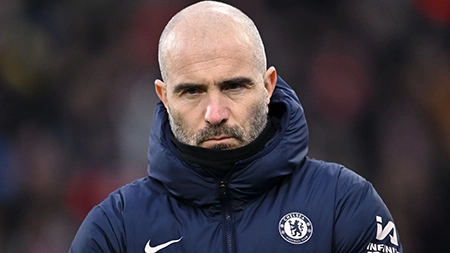
Chelsea’s Statement: Polite, Corporate, and Decisive
Chelsea’s announcement was characteristically succinct:
“Chelsea Football Club and Head Coach Enzo Maresca have parted company… With key objectives still to play for across four competitions, Enzo and the Club believe a change gives the team the best chance of getting the season back on track.”
A Familiar Pattern at Stamford Bridge
Maresca becomes the sixth managerial departure since the club’s 2022 takeover — a churn rate that has become synonymous with the modern Chelsea era.
Despite heavy investment and one of the youngest squads in the league, the club continues to oscillate between ambition and instability.
The next appointment is expected to “fit into the existing structure” and stabilise results quickly, though history suggests that stability at Chelsea is always temporary.
Early candidates include Liam Rosenior, Oliver Glasner, and Cesc Fàbregas, according to early reporting.
Why Liam Rosenior Suddenly Looks Like a Real Candidate for Chelsea

With Enzo Maresca gone, Chelsea’s managerial search has entered a phase where footballing logic and multi‑club strategy intersect.
Liam Rosenior isn’t just another promising manager. He’s a manager already operating inside the ownership’s ecosystem, shaping players Chelsea have invested in, and working under the same sporting leadership that oversees Stamford Bridge.
That alone puts him in a very different category from external candidates.
At Strasbourg, he has been handed a squad built around youth, potential, and long‑term development — the very same principles Chelsea have been trying to impose at Stamford Bridge. His job has been to mould raw talent into a functioning team, often under pressure, often with limited experience around him. In many ways, Strasbourg has become a laboratory for the ownership’s footballing philosophy, and Rosenior has been its chief operator.
That matters. Because Chelsea’s next coach won’t just inherit a team; he’ll inherit a structure, a pipeline, and a set of expectations that go far beyond the Premier League table. Rosenior already understands that world. He has lived inside it. And that gives him an advantage no external candidate can replicate.

There is also the question of temperament. Rosenior is articulate, calm, and modern in his communication — a coach who speaks the language of development rather than crisis. Chelsea’s young squad, talented but fragile, would benefit from that steadiness. His football is progressive without being dogmatic, structured without being rigid. He is, in many ways, the kind of coach who can grow with a project rather than fight against it.
Of course, there are risks. Rosenior has never managed at Champions League level. He has never dealt with the scrutiny that comes with every mis‑hit pass at Stamford Bridge. And Strasbourg, still stabilising under new ownership, would not welcome losing their coach mid‑project. But Chelsea’s hierarchy has shown repeatedly that they value coherence over pedigree, and Rosenior offers coherence in abundance.
If Chelsea choose to look inward, the path from Strasbourg to Stamford Bridge is already open.
Source: Ballocentre.com
Images: Getty, Chelsea FC


The first week of the 2025–26 season has delivered a ruthless reminder of football’s unforgiving nature, as three high-profile managers—Erik ten Hag, Ole Gunnar Solskjær, and José Riveiro—were dismissed within days of each other. From Germany to Turkey to Egypt, the sackings reflect not only poor results but deeper tensions within club hierarchies and fan expectations.
⚽ Erik ten Hag: Leverkusen’s Shortest Reign Ends in Chaos
Erik ten Hag’s tenure at Bayer Leverkusen lasted just two Bundesliga matches, making it the shortest managerial spell in the league’s history.
The Dutchman, appointed in May to succeed Xabi Alonso, inherited a squad gutted by summer departures—including Florian Wirtz, Jeremie Frimpong, and Granit Xhaka. Despite a 4–0 win in the DFB-Pokal opener, Leverkusen lost 2–1 to Hoffenheim and squandered a 3–1 lead to draw 3–3 against 10-man Werder Bremen.
Club captain Robert Andrich criticized the team’s lack of cohesion, saying “everyone played for themselves”.
Ten Hag, blindsided by the decision, called the dismissal “unprecedented” and lamented the absence of trust from the board.
His conservative style clashed with the club’s attacking DNA, and the board acted swiftly to salvage their season.

This picture is real, no AI here
Ole Gunnar Solskjær: Besiktas Crash Out, Confidence Crumbles
Just hours after Besiktas were eliminated from the UEFA Conference League by Lausanne-Sport, Ole Gunnar Solskjær was shown the door.
The Norwegian had joined the Istanbul giants in January 2025, guiding them to a fourth-place finish and European qualification. But a 1–0 home defeat to Lausanne, compounded by a red card and fan unrest, triggered an emergency board meeting and his immediate dismissal.
Solskjær’s eight-month stint was his first job since leaving Manchester United in 2021. Despite some tactical highs—wins over Galatasaray and Fenerbahçe last season—his inability to secure European progression proved fatal. The club is now linked with Nuri Şahin as a potential successor.

Ole in better days
José Riveiro: Al Ahly’s Patience Runs Dry
In Cairo, José Riveiro’s spell at Al Ahly lasted just seven matches.
The Spanish coach, fresh off a trophy-laden stint with Orlando Pirates, failed to replicate his success in Egypt. Al Ahly exited the FIFA Club World Cup without a win and managed only one victory in four league games, culminating in a 2–0 home defeat to Pyramids FC.
The club’s planning committee, led by President Mahmoud Al-Khatib, held a marathon meeting before announcing the mutual termination of Riveiro’s contract.
Despite acknowledging his effort, the board emphasized that results did not align with the club’s ambitions. Al Ahly now sit 12th in the league, a position deemed unacceptable for Africa’s most decorated club.

Jose was already worried during the Club World Cup
A Broader Trend: Impatience and Pressure
These dismissals underscore a growing trend in elite football: reduced tolerance for transitional periods. Whether it’s rebuilding squads, navigating European qualifiers, or adapting to new tactical systems, managers are increasingly judged on immediate impact rather than long-term vision.
As the dust settles, the question remains—who’s next? And in a sport where results reign supreme, how long before the next domino falls?
Source: Redaction Ballocentre.com
Images: Al Ahly SC, EPA, Getty
