
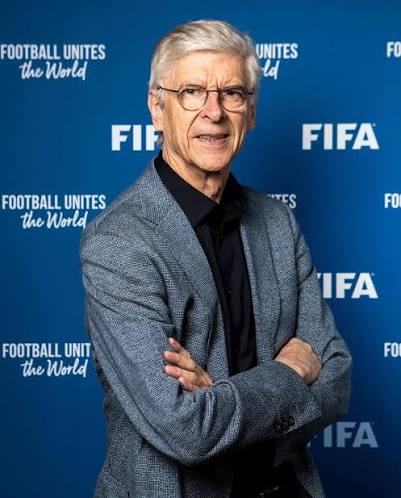
When FIFA wants the football world to understand what just happened at a World Cup, they turn to Arsène Wenger. The former Arsenal manager and FIFA's Chief of Global Football Development has become the sport's foremost authority on tournament analysis — and his technical briefing on the 2026 FIFA World Cup is, as always, the most comprehensive and authoritative assessment the game will receive.
Wenger's analysis covers everything. The tournament's defining tactical trends — from Spain's suffocating possession model that conceded just one goal in eight matches, to the compact defensive structures that allowed Morocco, Cape Verde and Paraguay to eliminate far higher-ranked opponents. The standout teams and the moments that defined them. The top performers across every position. And the key statistics that cut through the noise and reveal what the 2026 World Cup truly told us about where the game is heading.
The briefing also examines coaching strategies and their evolution across the expanded 48-team format, player development pathways and what they produced on the biggest stage, and the lessons that national associations, clubs and coaches around the world should take from a tournament that broke records at almost every turn.
For anyone serious about football — this is essential viewing.

Source : Ballocentre.com
Images : Getty, FIFA, DWS NEWS
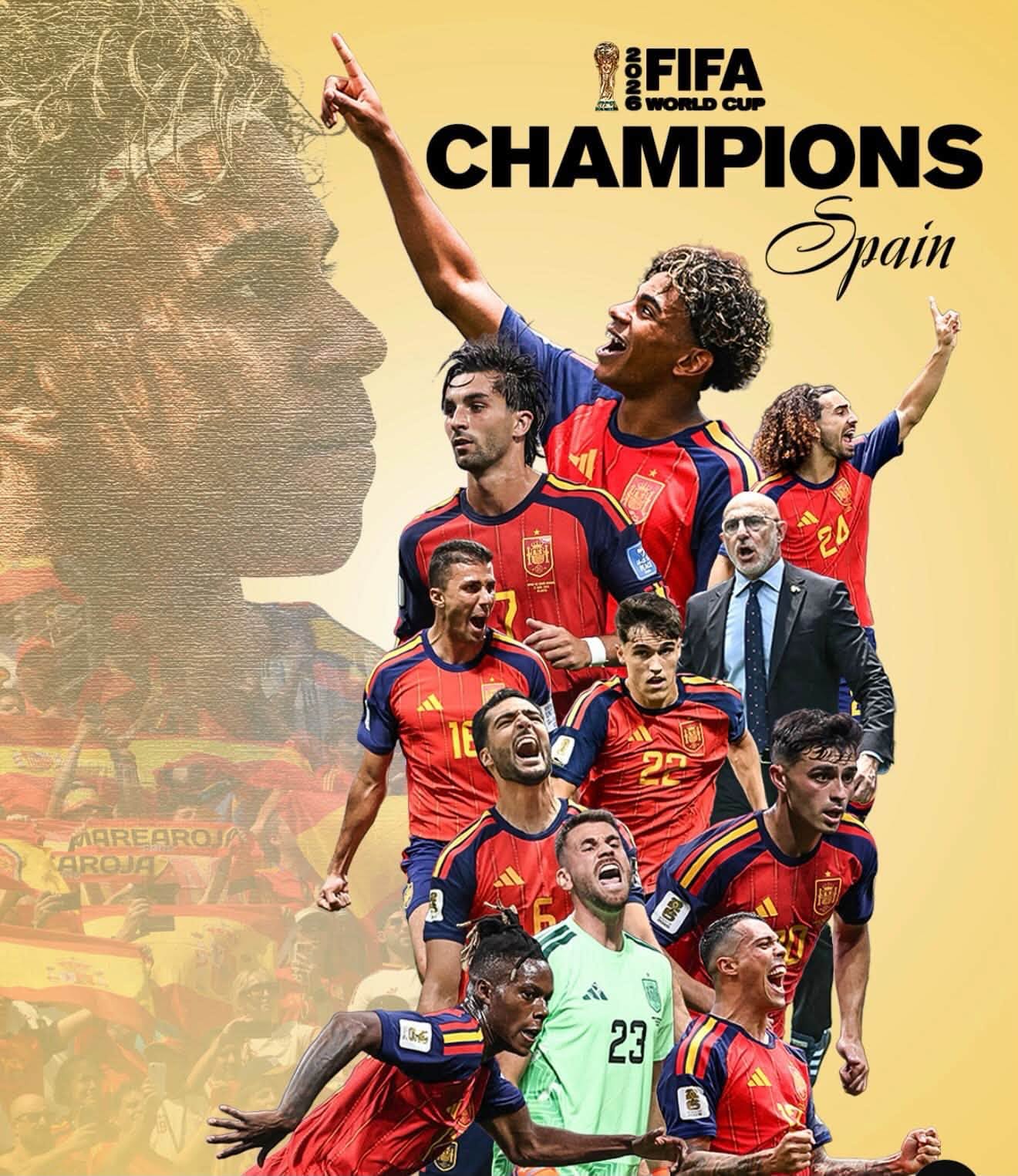
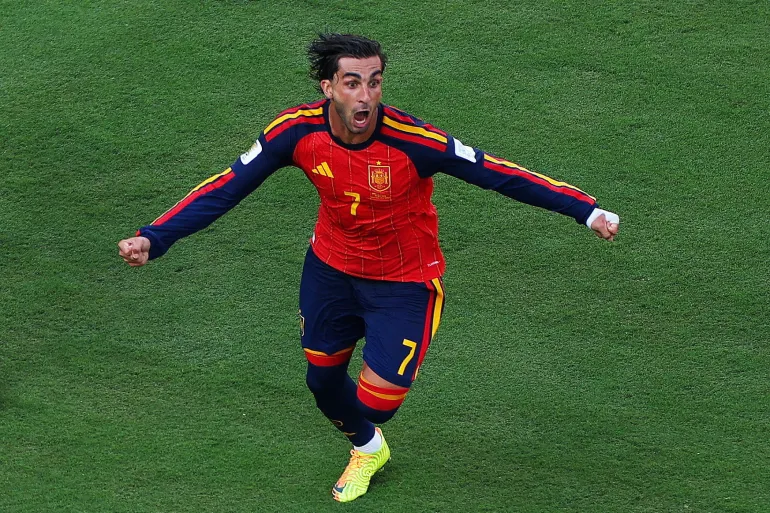
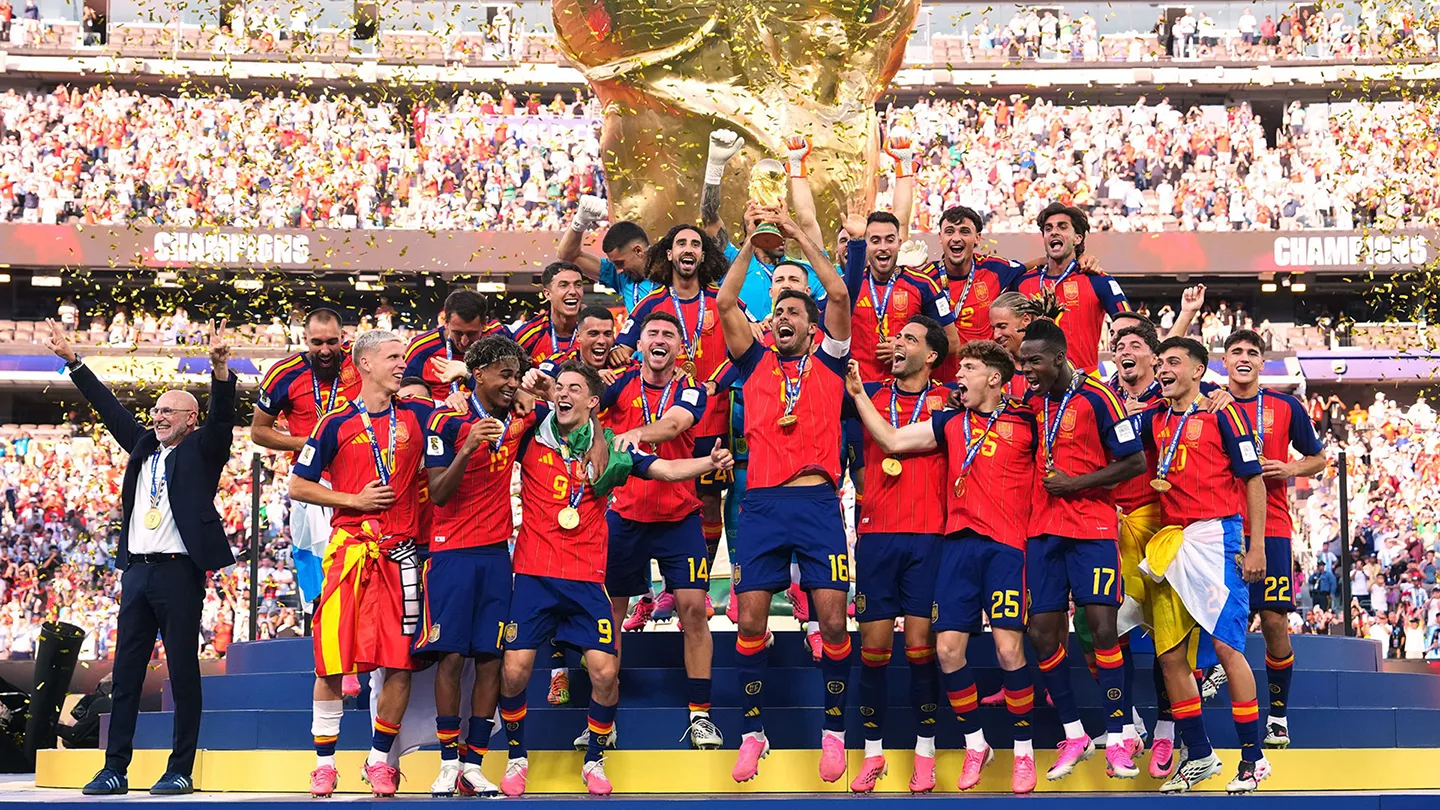
In the end, it was a substitute, a cross, a tap-in and 37 seconds that decided everything. Thirty-nine seconds into the second half of extra time, Ferran Torres thumped in an eight-yard shot and La Roja finally shattered 10-man Argentina's spirit to claim the 2026 FIFA World Cup title with a 1-0 victory at MetLife Stadium in East Rutherford, New Jersey. Spain are world champions. For the second time in their history, following the triumph in South Africa in 2010, the trophy is theirs — and this time, it is claimed with a record that redefines what it means to win a World Cup.
Spain allowed just one goal in eight matches at this tournament — a World Cup record for fewest goals conceded by a champion. They are now unbeaten in 38 consecutive matches — 29 wins and nine draws — the outright longest unbeaten streak by any European nation in history, surpassing Italy's run of 37 matches between 2018 and 2021. And this title, combined with the World Cup won by Spain's women in 2023, makes them the first nation on earth to hold both the men's and women's World Cup titles simultaneously.
The Final: A Masterclass in Patience, Broken by One Moment
From the opening whistle in New Jersey, Spain did what Spain have done throughout this entire tournament — they took the ball, kept the ball, and suffocated the opposition with the kind of possession-based, technically immaculate football that Luis de la Fuente's side has turned into an art form. Argentina barely touched it. Spain took the game's first 20 shots before Argentina — desperate for an equaliser — got their first attempt off in the second half of extra time. Spain took nine of the game's first 10 corner kicks.The scoreline remained 0-0 through 90 minutes. The reason? Emiliano Martínez.

Argentina's goalkeeper produced one of the greatest individual performances in World Cup final history. Martínez finished with 11 saves — the most in a World Cup final ever recorded. He denied Lamine Yamal from a free kick. He stopped Nico Williams' header. He parried, and scrambled, and threw his body at every Spanish shot with the desperation and brilliance of a man who knew that his goalkeeper's art was the only thing standing between his nation and defeat. By stoppage time he had broken the previous championship-game record of eight saves. Argentina, who had scored 19 goals in seven matches before this final, managed just two shots, neither of which was on target, and touched the ball just eight times in the penalty area.

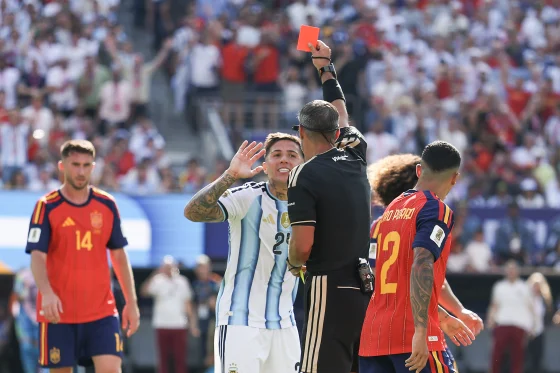
The match turned in stoppage time at the end of the second half. Enzo Fernández's late challenge sent Spain's Pau Cubarsí twisting and flying into the air before crashing to the turf — resulting in his second yellow card and a red-card ejection. Argentina, already pinned back and struggling for possession, would face the final moments of extra time with ten men.
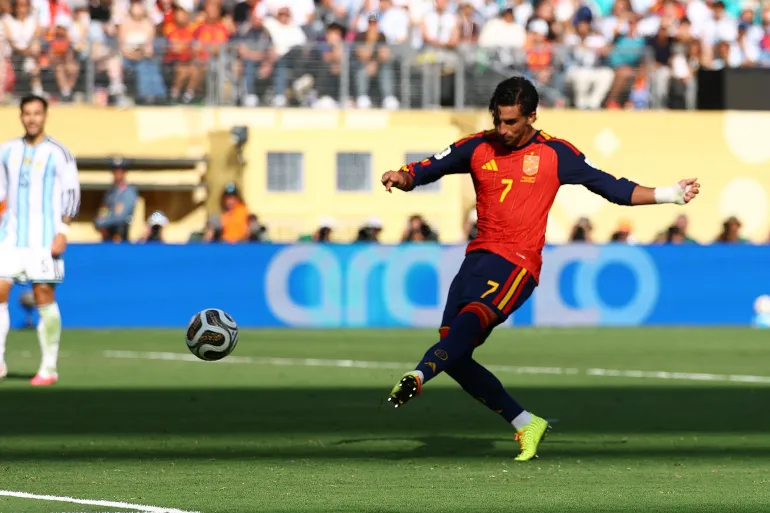
De la Fuente introduced Pedri and Ferran Torres from the bench, replacing Oyarzabal and Fabián Ruiz, seeking a final breakthrough. It arrived with breathtaking speed at the start of the second period of extra time. A pass lobbed past the goal found Nico Williams, who was able to tap it backward to Ferran Torres — and Torres drilled the opportunity for the 1-0 lead. Williams, who had been a constant threat on the right flank throughout the tournament, had beaten two defenders and saved the ball from crossing the end line before delivering the cross. Torres, arriving with conviction, converted from close range.
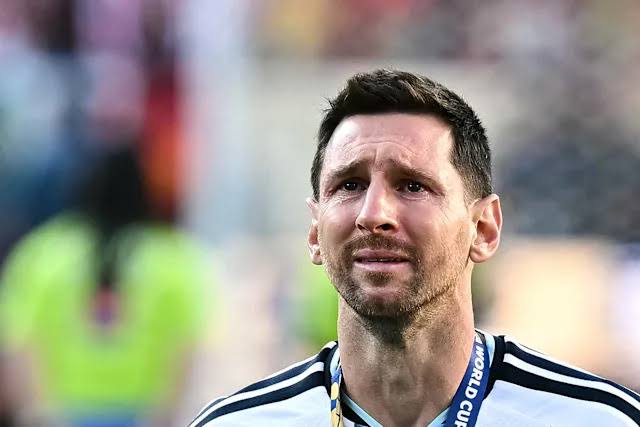
Argentina were unable to eke out an equaliser. Messi, who had come close to nothing throughout the match, finally got his first shot away in the 117th minute — blocked by Mikel Merino, who took the force of the ball directly to his forehead and was taken off for a medical evaluation. Giuliano Simeone fired over. Spain just stopped a cross finding its man. And then the whistle blew — and Messi stood in tears on the MetLife Stadium turf, collecting a runner-up medal in what is almost certainly the final World Cup match of his storied career.
Mikel Oyarzabal was the tournament's quiet executioner — six goals, a penalty record that never wavered, a performance level that rose to meet every occasion. Lamine Yamal was 18 years old and played like a veteran of three World Cups. Rodri anchored the midfield with the authority of a man who has been here before. And the collective — Cubarsí, Porro, Cucurella, Pedri, Dani Olmo, Baena, Nico Williams — was as deep and as talented as any squad Spain has assembled since the golden generation of 2008 to 2012.
They are worthy champions. There is no argument to be made otherwise.

Source : Ballocentre.com
Images : Getty, FIFA, Supersport Football, Football Smash
There is a particular kind of cruelty reserved for the third-place play-off at a World Cup. Both sides have lost. Both sets of players are still carrying the bruises — physical and emotional — of semi-final defeats that ended campaigns they had genuinely believed would go all the way. The medals on offer are bronze, not gold. The match is sandwiched between the real prize and the journey home. Nobody grows up dreaming of Saturday in Miami.
And yet.
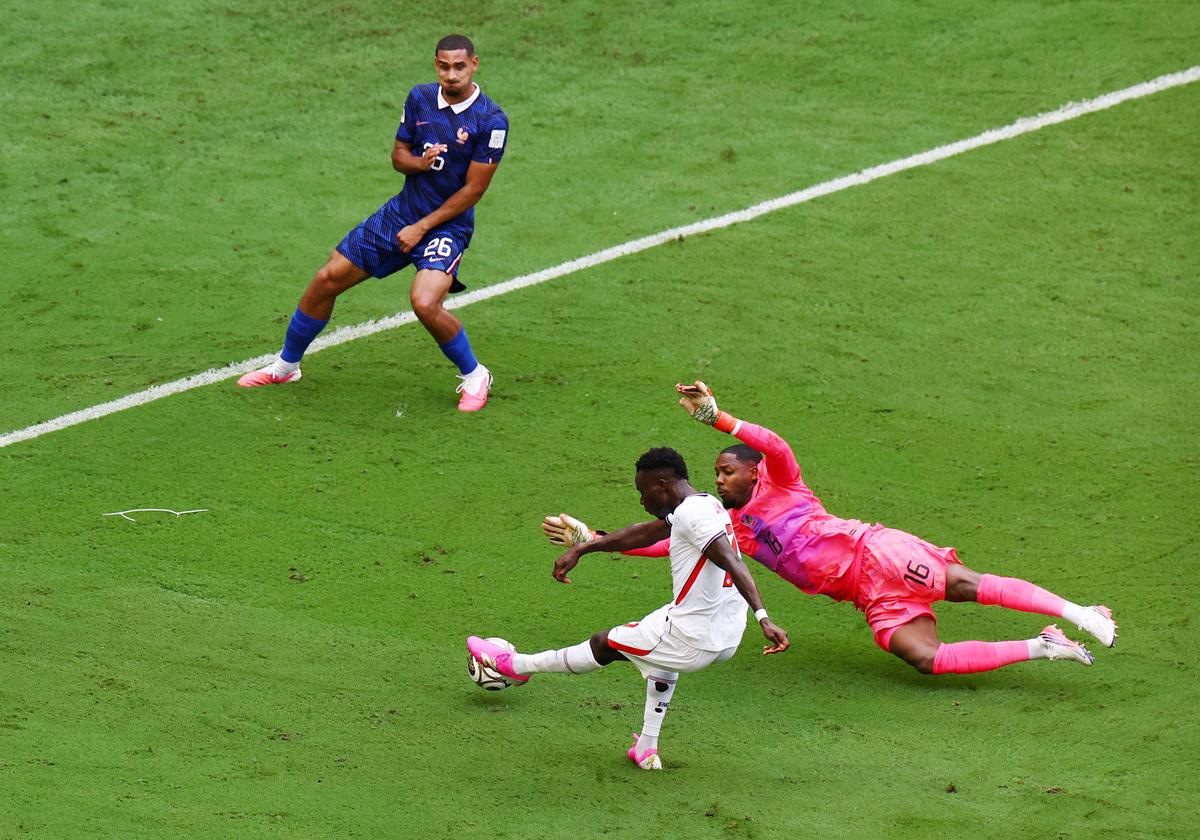
What unfolded at Hard Rock Stadium on the evening of the 18th of July 2026 was not a consolation prize. It was not a formality. It was one of the most extraordinary 90 minutes of football played at any World Cup in living memory — a match that swung violently from domination to disbelief to drama and back again, that produced ten goals, a hat-trick, two world records and one of Jude Bellingham's finest moments in an England shirt. England beat France 6-4 in a game that the football world will be talking about for decades.
It was, in the most unlikely of circumstances, a gift.
The Blitz
What England produced in the first 45 minutes of this match was something that had no right to happen in a third-place play-off between two sides supposedly distracted by disappointment. It was a first-half performance of clinical, high-tempo, almost joyful destruction.
Rice's opening goal set the tone — a captain's contribution from distance, struck with confidence and conviction rather than desperation. Ezri Konsa rose highest from a Rice corner in the 18th minute to double the lead with a header of genuine quality. Two goals from set-pieces. England, supposedly here in body but not spirit, were playing like they desperately wanted this.
Then came Bukayo Saka — and with him, the first stirrings of history. His first goal was simple, a tap-in from Marcus Rashford's selfless pass, but the second was something altogether different: a brilliant, improvised finish from the edge of the area that left Maignan stranded and the Miami crowd in open-mouthed astonishment. 4-0 at half-time. A third-place play-off. France — the team that had scored 16 goals in seven previous matches at this tournament — had been blown away.

Mbappé's Response — and His Records
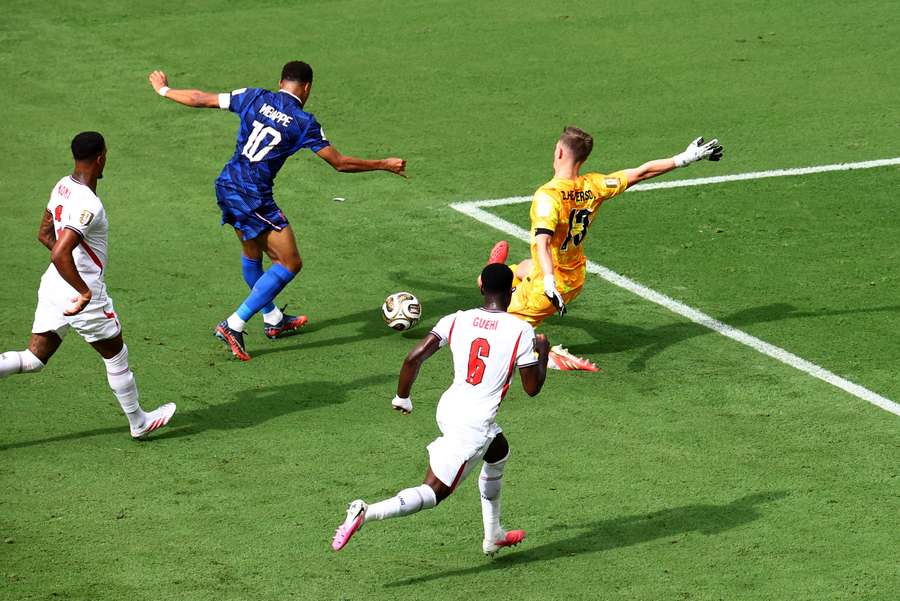
If anyone doubted that Kylian Mbappé would show up in the second half of a match that offered him a chance to write himself into the history books, those doubts were answered within three minutes of the restart. The quadruple substitution Deschamps made at half-time — bringing on Dembélé, Digne, Upamecano and Barcola simultaneously — completely changed the shape and energy of France's play, and Mbappé was at the centre of everything.
His goal in the 48th minute made him the all-time leading scorer in World Cup history — surpassing Messi's tally of eight goals at this tournament and becoming the sole owner of a record that, heading into Sunday's final, may or may not survive. The weight of that moment — the 27-year-old who has spent his entire career measured against the Argentine master, finally stepping into a record that has previously belonged only to Messi — was palpable even from the stands.

His second goal arrived in the 66th minute — both strikes created by Michael Olise, who ended the tournament with seven assists and a tournament-defining contribution that deserved rather more recognition than it received. Bradley Barcola struck in between to make it 4-3. In thirteen extraordinary second-half minutes, France had turned a rout into a match. The scoreboard flickered. The stadium held its breath.
Saka's Hat-Trick and Bellingham's Coda
It fell to Saka — so often England's most reliable tournament performer in the years since his penalty miss in the Euro 2020 final — to steady English nerves. When Djed Spence was fouled in the box by Malo Gusto in the 87th minute, Saka stepped up and drove the ball past Maignan. His third goal of the evening. A hat-trick — only the fourth by an Englishman in World Cup history. 5-3.
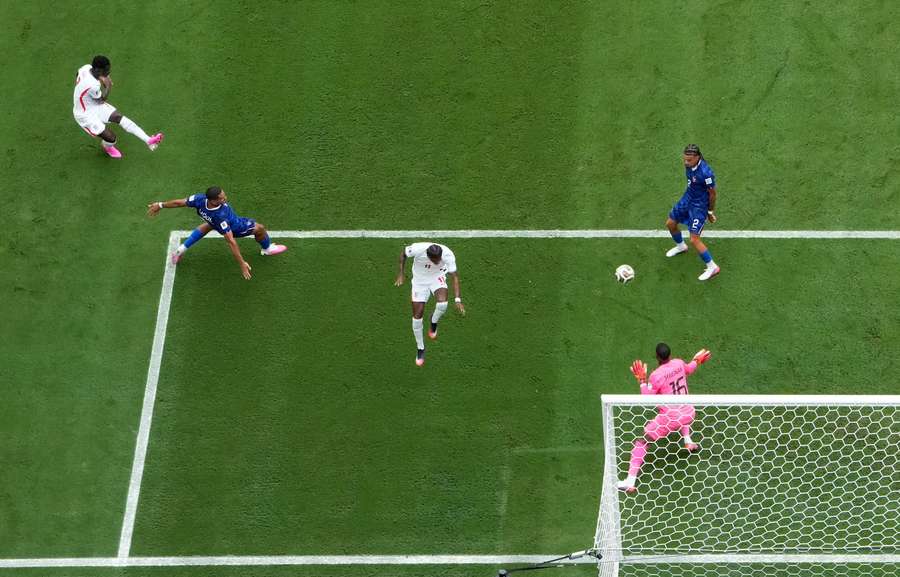
But France — reduced to this, on the last night of Deschamps' long and glorious tenure, needing to score three times in stoppage time — still came. Dembélé, always dangerous, found space and fired home in the 90th+6th minute to make it 5-4. Two minutes of stoppage time remaining. A stadium of 65,000 people suddenly, collectively, holding their breath.
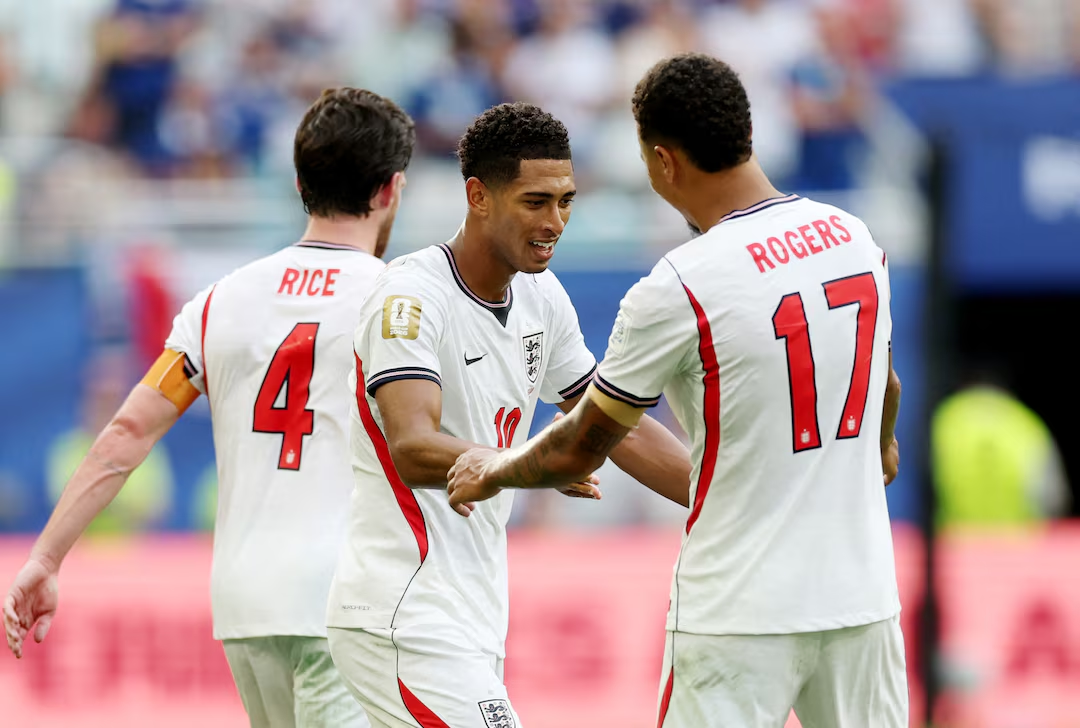
What happened in the 90th+8th minute should be preserved and studied. Bellingham — brought on to help protect the lead — received the ball in his own half, drove forward with that distinctive, relentless energy, took on the last French defender, cut inside and placed a finish past Maignan with the composure of a man who has never once been overawed by the moment. 6-4. England. Third place. Done.
Source : Ballocentre.com
Images : Getty, FIFA, Supersport Football, Football Smash
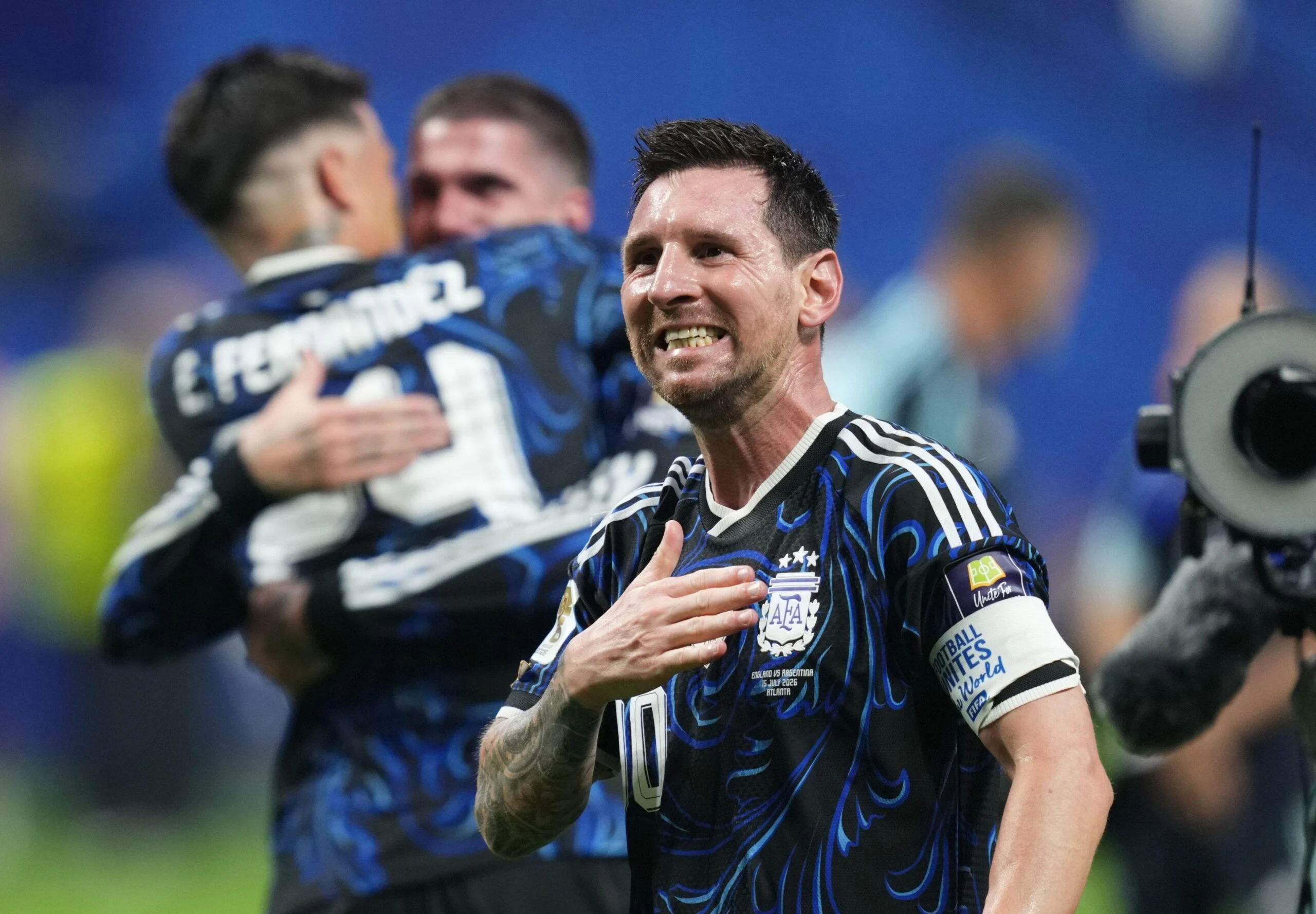
It ended, as England vs Argentina always ends, in desolation and disbelief for the Three Lions — and in scenes of barely comprehensible joy for the Albiceleste. With two late, heart-stopping goals, Argentina caught and passed England in the World Cup semi-final, winning 2-1 in yet another miraculous, come-from-behind triumph. Enzo Fernández equalised in the 85th minute with a thunderous long-range strike. Lautaro Martínez headed home in the second minute of stoppage time. Lionel Messi assisted both. And English football's 60-year wait for a World Cup final appearance goes on.
The First Half: A Street Fight in Atlanta
The first half was a street brawl. Neither side was able to establish any sustained rhythm or attacking flow, as the weight of history and the significance of the occasion seemed to grip both teams simultaneously. Argentina's strategy was clear: hound and harass England by whatever means possible, drawing the more technical Three Lions into the uncomfortable realm of a dirt-lot brawl. At the first hydration break, the two squads combined for eight fouls and zero official shots on goal.

The first official shot came off an England free kick, as John Stones' header drifted wide. Reece James had England's best first-half chance from distance. Messi, intelligent as ever, spent much of the first half dropping into deep positions — pulling strings, dictating tempo, drawing opponents out of position — rather than looking to run in behind. Elliott Anderson earned himself the first yellow card of the match after collapsing onto Messi, which Argentine journalists covering the game described as nothing short of a felony.
Gordon Strikes — Then Tuchel's Fatal Error
The second half burst into life in the 55th minute when Gordon smashed the Three Lions ahead after being picked out by Rogers' pinpoint delivery. Anthony Gordon, who had been one of England's most energetic performers throughout the tournament, met Morgan Rogers' cross with a precise, controlled volley that gave Emiliano Martínez no chance. The English end of Atlanta Stadium erupted. For the first time in this match, England were ahead.

What followed is the decision that will haunt Thomas Tuchel for a long time. A Spanish journalist's observation went viral within minutes of the final whistle, noting that Tuchel had done exactly the same thing against Real Madrid in the 2024 Champions League semi-final for Bayern Munich — introducing Kim Min-jae for Sané after going 1-0 up at the Bernabéu, only to lose 2-1. On Wednesday, he introduced Ezri Konsa for Gordon after taking the lead, and lost 2-1 in the World Cup semi-final. Almost identical contexts, two finals lost.
England went too defensive too early after taking the lead. Rather than pressing for a second goal, Tuchel changed shape, sat deeper, and invited Argentina to come at them. The strategy allowed Argentina to build momentum offensively. England was also playing with fire — hoofing the ball long at every opportunity rather than retaining possession, which might have preserved their lead through the final 35 minutes.
Fernández's Stunner, Messi's Cross, and the Final Heartbreak
The 85th minute. Enzo Fernández, who had been banging away at Pickford all afternoon, finally blasted one past the England keeper, equalising the match and sending the Messi jersey-wearing thousands in Atlanta into delirium. Off a pass from Lionel Messi, Fernández took a left-bending shot from outside the top of the box that Jordan Pickford couldn't reach. It was an extraordinary finish — the kind of goal that goalkeepers simply cannot save, struck with the conviction and technique of a man who knew the moment demanded something special.
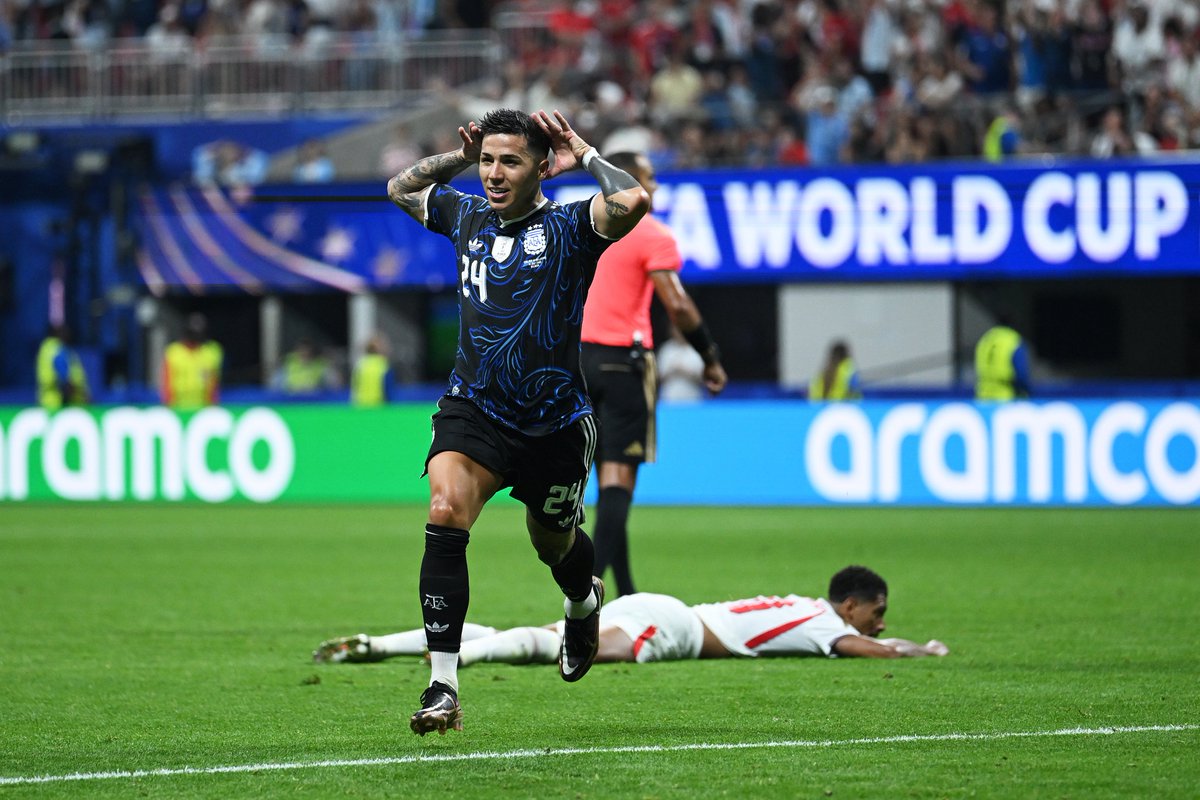
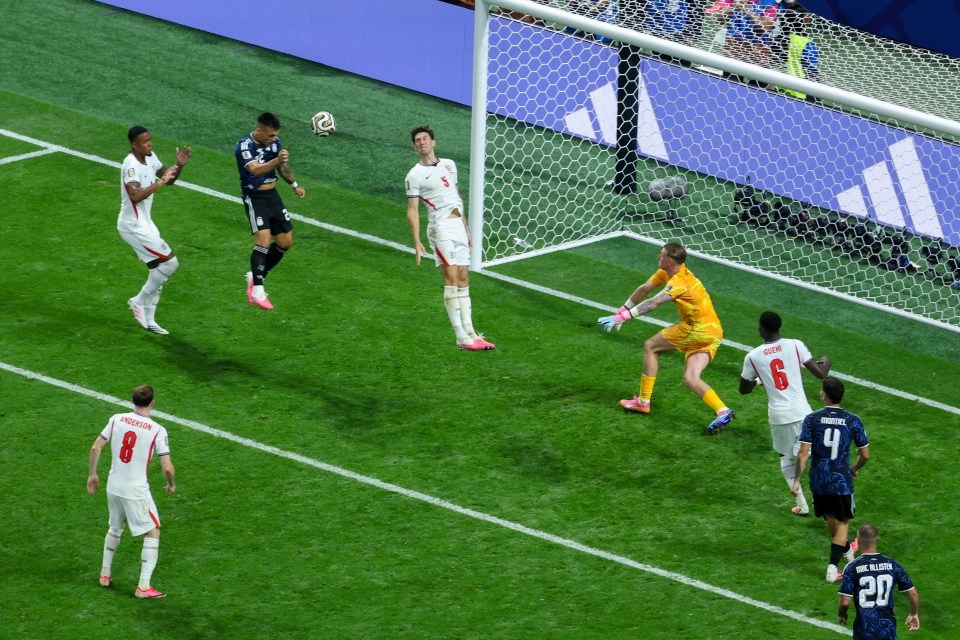
England barely had time to regroup. Then, the dagger. Barely four minutes later, Messi found Lautaro Martínez — who had been introduced as a substitute in the 81st minute — with a brilliant ball driving down the right. Martínez headed home deep inside the area to put Argentina ahead 2-1.
Messi's Last Dance
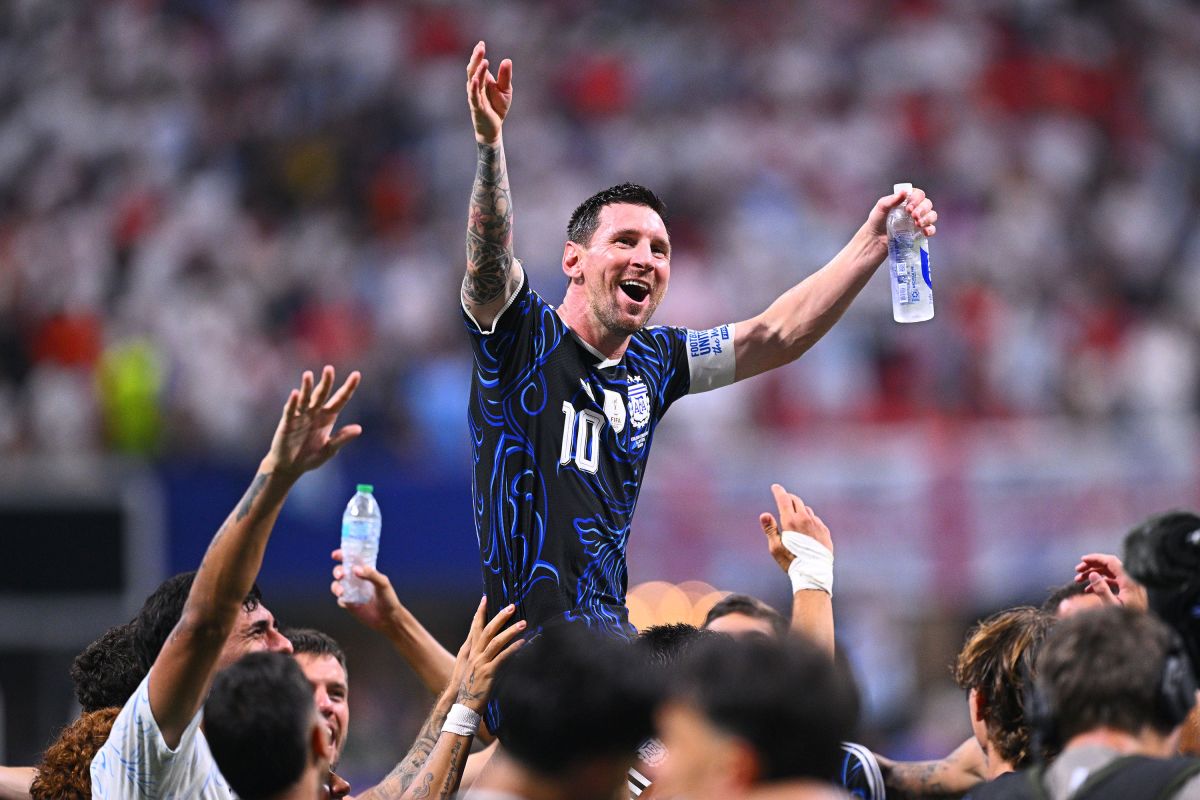
Messi faced England for the first time in his career on Wednesday evening — and in doing so, showed at 39 years old why he remains the most consequential player on the planet.
He did not score. He did not need to. His two assists — the pass that set up Fernández's equaliser and the cross that Martínez headed home — were contributions of absolute intelligence and precision.
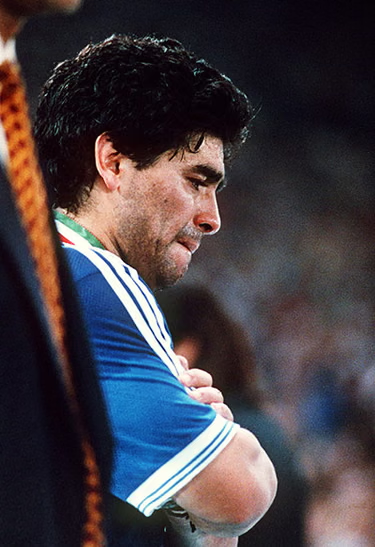
The question remains. Can Spain stop the Argentinians like the Germans did in 1990?
Source : Ballocentre.com
Images : Getty, FIFA, Supersport Football, Football Smash

On Bastille Day — France's national holiday, the 14th of July — Spain gate-crashed the party with devastating efficiency. Mikel Oyarzabal and Pedro Porro gave Spain a 2-0 win over France in the first semifinal of the 2026 FIFA World Cup at Dallas Stadium, sending Luis de la Fuente's side into their first World Cup final since they lifted the trophy in South Africa in 2010. The occasion had been billed as the final before the final — the two most complete sides in the tournament, meeting with everything at stake. What unfolded was not the open, breathless spectacle that the pre-match hype had promised. It was something far more impressive: a tactical masterclass from Spain that exposed every assumption the football world had made about France's attacking invincibility.
The Match: Yamal Creates, Oyarzabal Converts, Porro Seals It
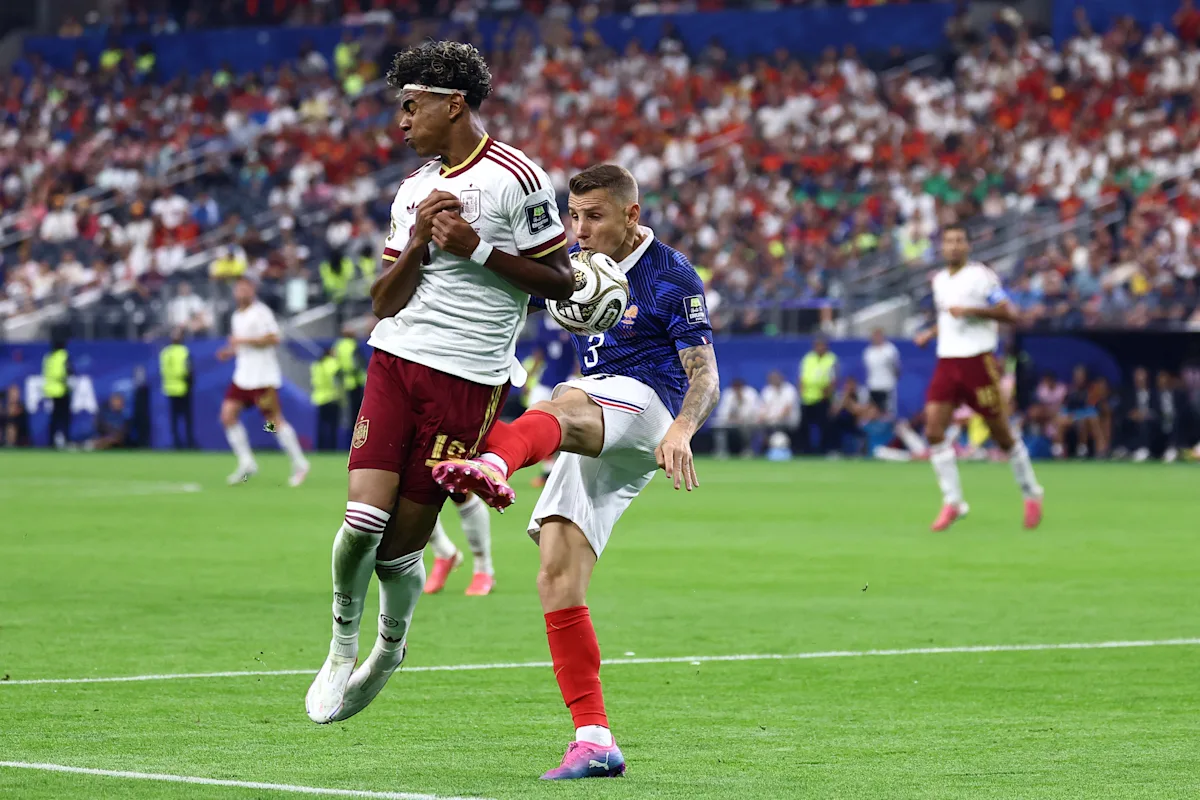
The first half was defined by Spain's tactical discipline and one moment of Lamine Yamal brilliance that unlocked the deadlock. Yamal's presence on the right wing posed a major challenge for French left back Lucas Digne throughout the opening period, and Digne was fine through the first portion of the match — but his foul on Yamal led to Spain's icebreaker. Teenage sensation Lamine Yamal created Spain's first great chance, drawing a foul that led to a penalty kick midway through the first half.
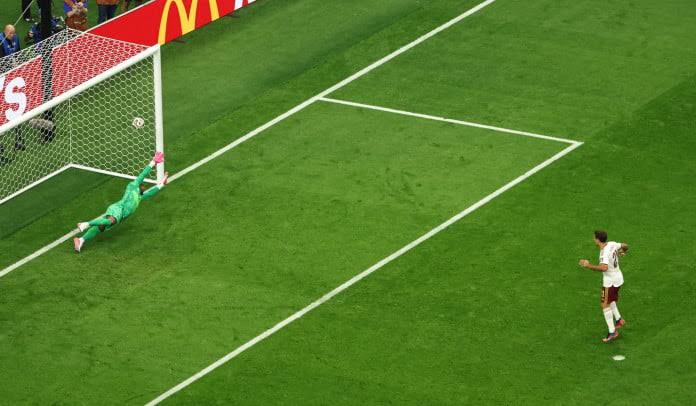
Oyarzabal calmly buried his shot to give Spain a 1-0 lead — his fifth penalty conversion of the tournament, continuing a flawless record from the spot.
France, stung by the concession, searched for a response — but found none. Adrién Rabiot was substituted at half-time for Manu Koné, with Deschamps seeking fresh legs and fresh ideas in midfield. The change barely altered the dynamic. Spain re-emerged for the second half with the same controlling purpose, and the second goal arrived at the hour mark.
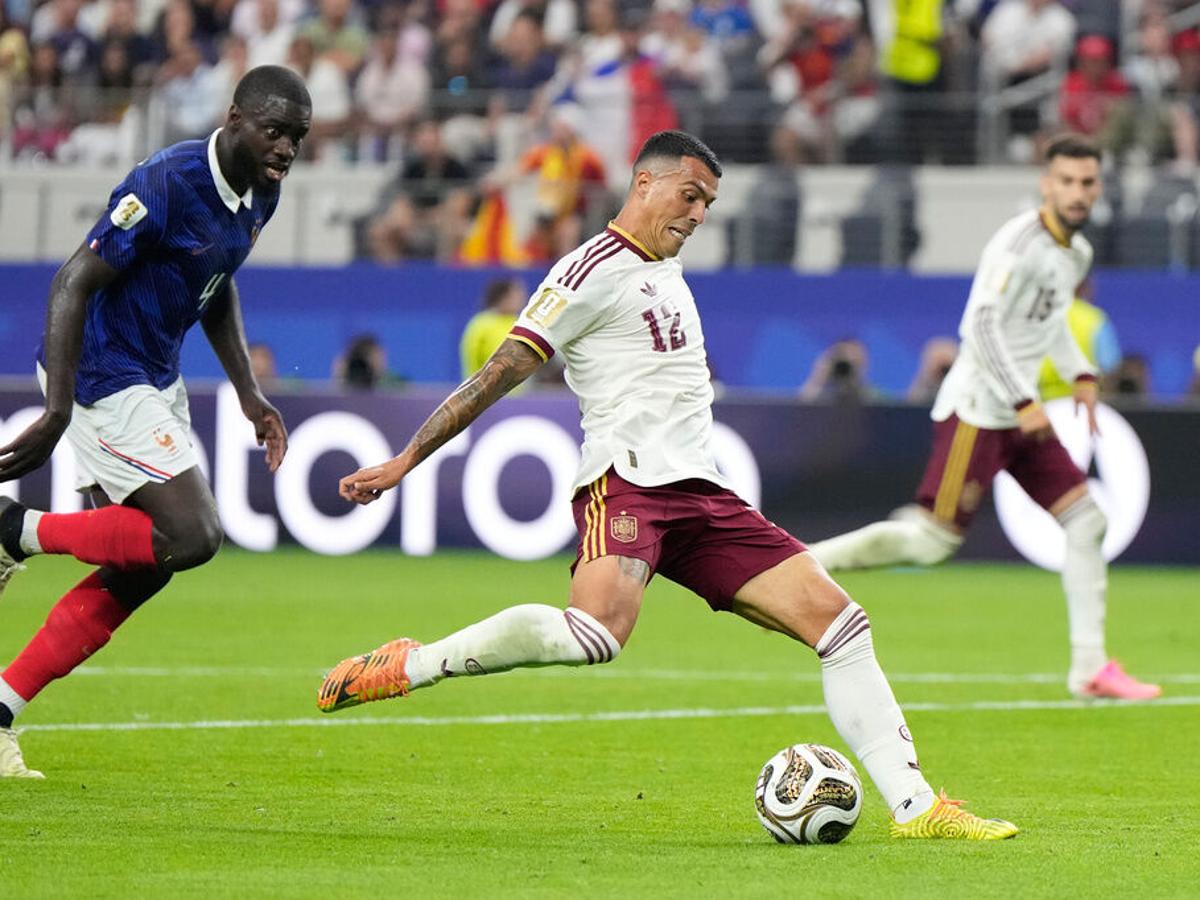
Spain maintained control of proceedings and got their second in the 58th minute when Porro played a give-and-go with Olmo before side-footing past Maignan. It was a goal of crisp, coordinated quality — two passes, one movement, one finish — that encapsulated everything about how Spain play. They also could have had a third as Yamal curled in from close range, but he was denied by the offside flag.
France's attempts to find a way back were hampered by Spain's compactness. Mbappé received a yellow card in the 86th minute for serious foul play as his frustration boiled over.
Dembélé forced a third save from Simón in the closing stages, and Mbappé skied a shot over the goal in the dying seconds — but Spain's celebrations had long since begun. The final whistle confirmed it: Spain frustrated France at one end and punished them at the other to deservedly win their World Cup 2026 semi-final.
How Spain suffocated France's attack:
The key to Spain's tactical success was a dual pressing and shape strategy that eliminated France's most dangerous transition moments.

Against Mbappé: Porro and Cubarsí formed a two-man shadow defensive unit specifically designed to force Mbappé inside, away from the left-channel runs that have been the source of most of his tournament goals. La Roja's defence stood strong against the talent of Mbappé, Olise, Dembélé and Doué, restricting them to just 0.3 xG from 10 shots, three of which were on target. When Mbappé drifted inside, Rodri's positional awareness intercepted the pass lines that had fed him so reliably throughout the tournament.
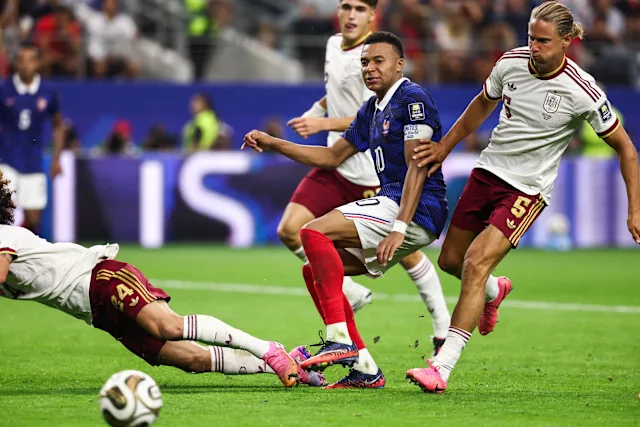
Against Olise and Dembélé: Spain's wide defenders pressed high and early on the French wingers, denying them the time on the ball that they had exploited against every previous opponent. Cucurella's defensive energy against Dembélé was particularly effective — limiting the winger who had scored five tournament goals to a single saved shot in the closing stages.
France, which had entered this tournament as a favourite after winning the 2018 World Cup and losing to Argentina in the 2022 final, had no match for Spain on the day
Spain await the winner of England vs Argentina — who meet in Atlanta on Wednesday — in the final at MetLife Stadium on Sunday 19 July.
Spain has won the World Cup only once, back in 2010 — the country's only other World Cup final appearance. Sixteen years later, they are back — and on this evidence, they will be fearsome opponents for whoever emerges from Atlanta.
Source : Ballocentre.com
Images : Getty, FIFA, Supersport Football, Football Smash
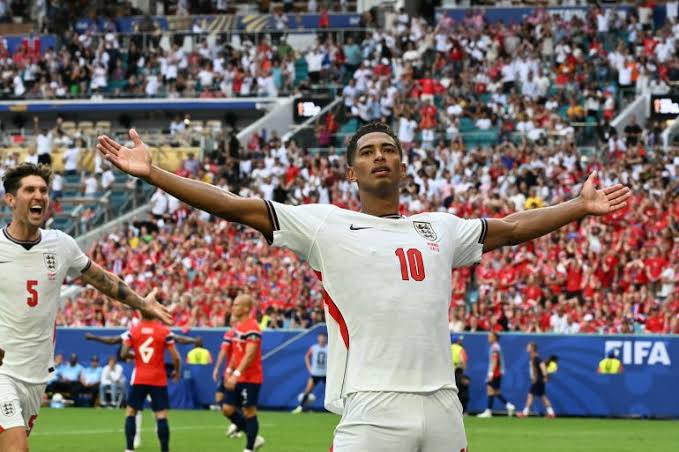
The 2026 FIFA World Cup's quarter-final stage has produced its four semi-finalists — and the lineup is nothing short of extraordinary. For the first time in the history of the tournament, the top four ranked nations in the world have all advanced to the semi-finals. France, Spain, England and Argentina.
Saturday the 11th of July provided the final two pieces of the picture — Jude Bellingham rescuing England in Miami with a crucial extra-time goal, and Julián Álvarez's stunning curling strike in the 112th minute sending Argentina through in one of the tournament's most dramatic matches. Here is how both ties unfolded.
Norway 1-2 England (AET): Bellingham Strikes Again to Send Three Lions to the Last Four
At Hard Rock Stadium in Miami, England produced yet another nerve-shredding performance to reach the World Cup semi-finals for only the fourth time in the country's history. Jude Bellingham's two goals — one just before half-time, one in the third minute of extra time — lifted the Three Lions past Norway after a contest that ebbed and flowed throughout with the kind of dramatic intensity this tournament has consistently delivered.
The first half was a cagey affair. Kane blazed a free-kick over the bar from distance and the first effort on target arrived after 35 minutes when Haaland headed straight at Jordan Pickford. The moment of England's undoing came from an individual error. >Kane had his pocket picked inside the England half and Schjelderup's cross-shot from the left-hand side flew in off the post — Norway taking the lead against the run of play in the 36th minute.
But England found their equaliser before the break. Bellingham rescued the Three Lions with a first-half goal that silenced Norway's end of the stadium. At 1-1 the teams went in level at half-time, and the second half produced 45 more minutes of fluctuating drama.

The decisive moment came about when Bellingham pounced on Nyland's error to prod home the rebound from Rogers' long-range shot just three minutes into the extra-time period.
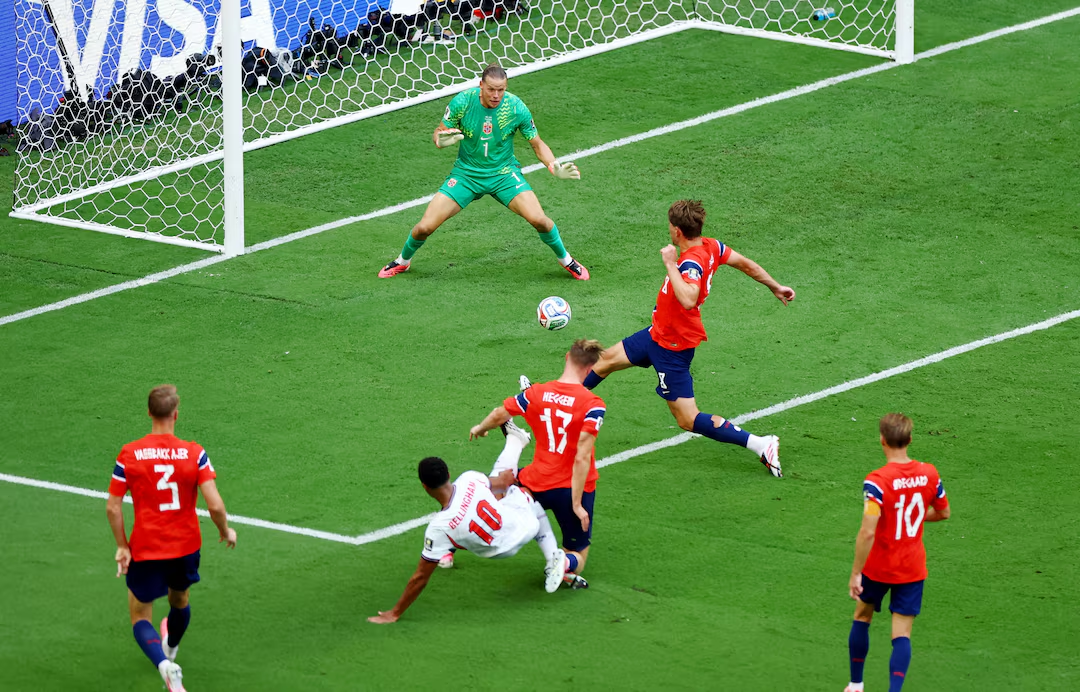
For only the fourth time in the country's history, England advance to the World Cup semi-finals — previously in 1966 when they won the tournament, 1990, and 2018.
Haaland ends the tournament with seven goals — the last European player to score in each of his first four World Cup matches was Germany's Gerd Müller in 1970.
Bellingham becomes the first midfielder to net four or more goals in a World Cup campaign for England, and his second goal against Norway underlined why he has been one of the competition's defining individual stories.
England will face Argentina in Atlanta on Wednesday — and Lionel Messi has already described Argentina's run of success as 'not normal,' (Many are aware of the bookmakers' wish to have a France vs Argentina rematch) a sentiment that will resonate deeply as England prepare for one of the most anticipated semi-finals in the tournament's history.
Argentina 3-1 Switzerland (AET): Álvarez Breaks Swiss Hearts as Defending Champions March On
In Kansas City, the defending champions delivered another performance of maddening, relentless quality that underlines why, however difficult they have made things for themselves, they remain the second team to beat in this tournament.
The match was the 100th of the expanded World Cup — a milestone occasion for the tournament. Mac Allister headed in a Messi corner kick in the ninth minute to give the reigning champions an early 1-0 lead — the playmaker leaping to convert his captain's perfectly-weighted delivery from the left corner flag.
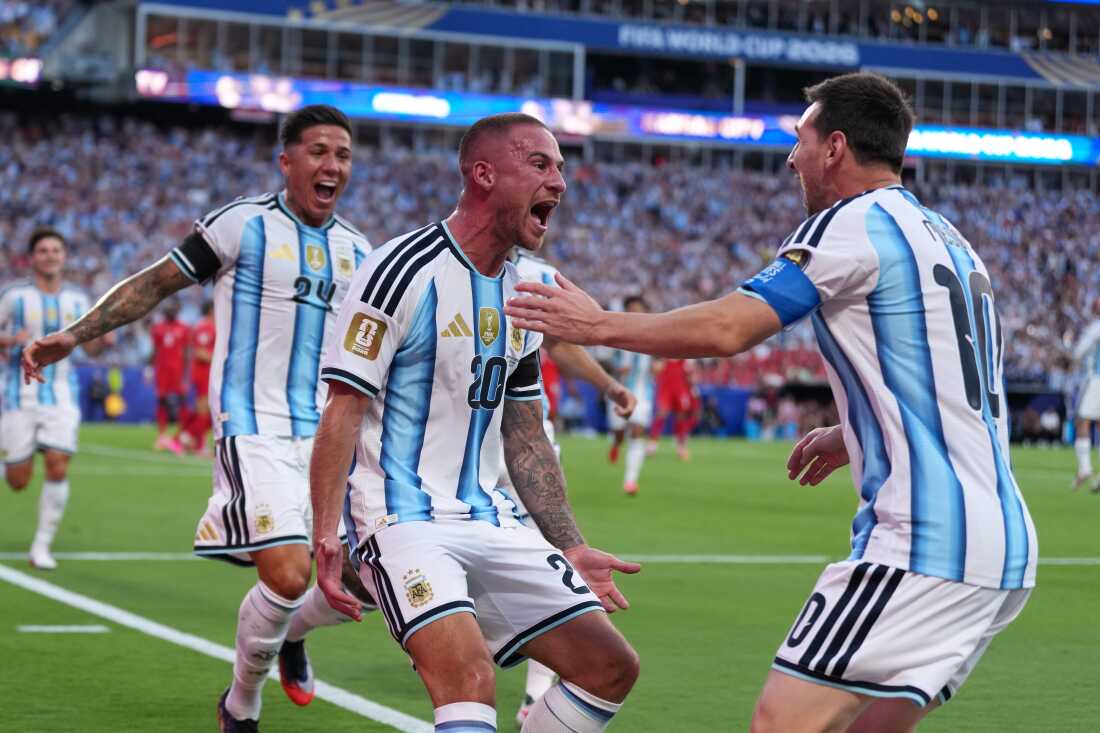
Switzerland, making their first World Cup quarter-final since 1954, responded with discipline and purpose, dominating possession in the early stages and proving far more difficult to break down than their eventual scoreline suggests.
Dan Ndoye equalised for Switzerland in the 67th minute — a goal that arrived with the simultaneous twist of fortune that has defined Switzerland's entire tournament.
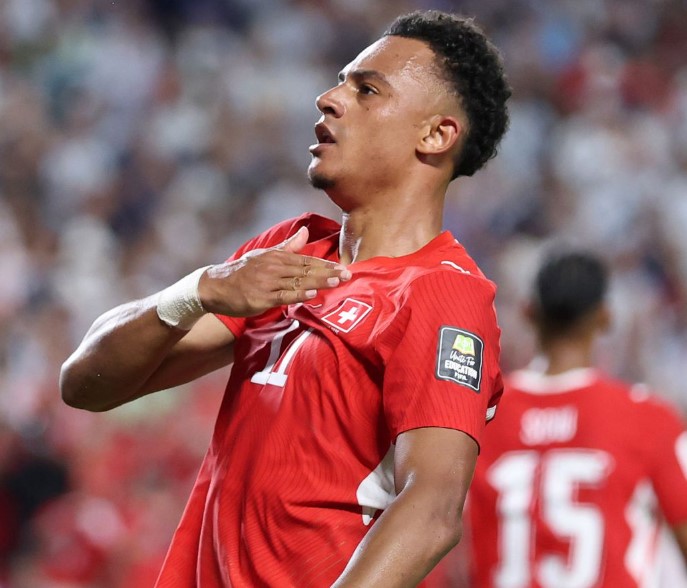
Leandro Paredes was shown a yellow card for a tackle on Breel Embolo. But video showed the Swiss player falling before Argentina's midfielder made contact with him — and since Embolo had received a yellow card earlier in the match, he was sent off and Switzerland was left to defend with 10 players.

With 10 men, Switzerland were heroic. They resisted Argentina's wave after wave of attacks through the final 20 minutes of normal time, forcing the game into extra time.
Argentina looked rattled.
And then came Julián Álvarez. In the 112th minute, Álvarez produced an extraordinary curling shot into the top right corner of the net — a goal of absolute quality that broke Swiss resistance and sent Arrowhead Stadium into delirium. Lautaro Martínez then applied the finishing touch deep in extra-time stoppage time — latching onto a rebound from Thiago Almada's blocked shot to make it 3-1 and seal the victory.

With Argentina and England joining France and Spain in the semi-finals, it is the first time the top four teams in the FIFA rankings have all advanced that far in the tournament's history.
Source : Ballocentre.com
Images : Getty, FIFA, Supersport Football, Football Smash
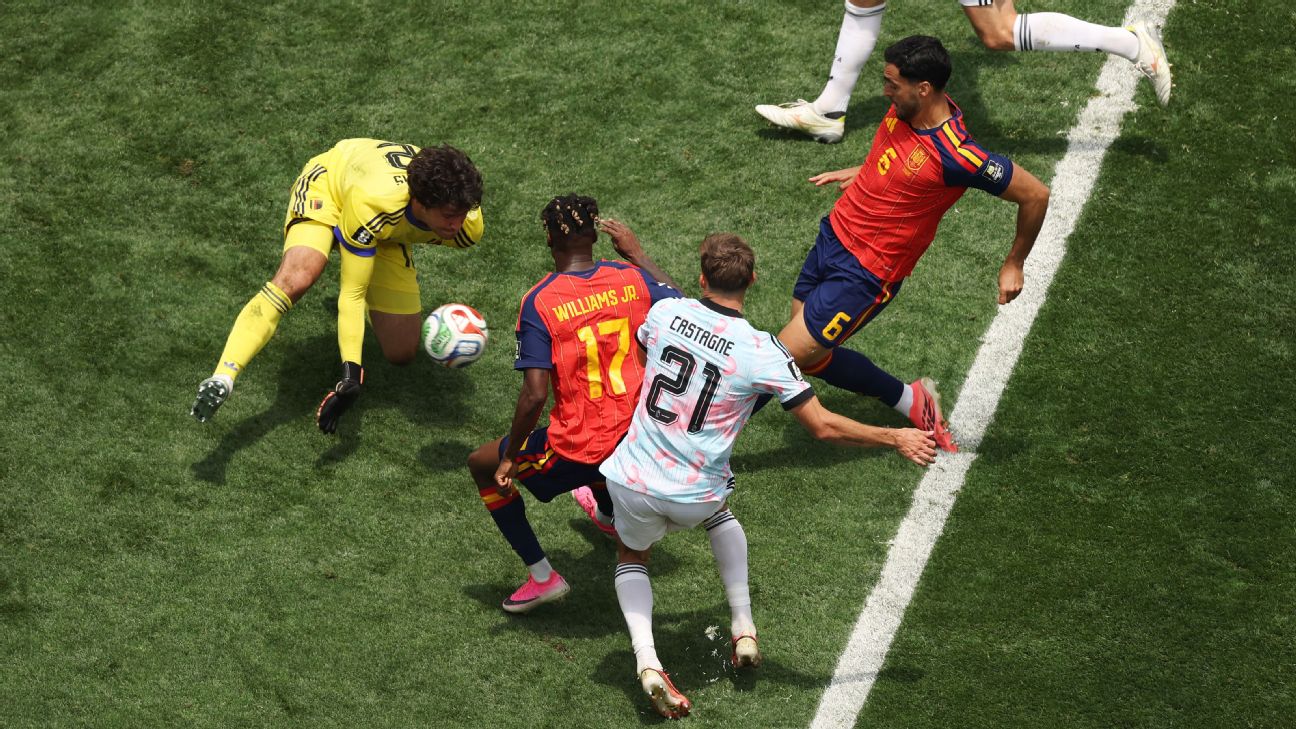
He has done it before — against Germany at Euro 2024, against Portugal in the Round of 16 just four days ago. And on Friday evening at SoFi Stadium in Inglewood, Mikel Merino did it again. The Arsenal midfielder came off the bench and scored in the 88th minute — just one minute and 57 seconds after being introduced — to send Spain into the World Cup semi-finals with a 2-1 victory over Belgium, ending the golden generation's tournament and booking a date with France in Dallas on Tuesday.
The First Half: Ruiz Strikes, De Ketelaere Responds
Belgium began this quarterfinal without captain Youri Tielemans, who suffered an injury during the pre-match warm-up — a blow of enormous significance against a Spain side whose midfield trio of Rodri, Pedri and Dani Olmo rarely allows opponents room to breathe. Yet for the first 30 minutes, it was Belgium who matched Spain in every department, pressing aggressively and limiting La Roja to long-range efforts.
The deadlock was broken in the 30th minute — and in characteristic Spain fashion. Dani Olmo drove a shot toward goal that Courtois could only parry, and Fabián Ruiz arrived on the rebound to slot home with composure from inside the area. Both of Spain's goals at this tournament have followed a similar pattern — the initial shot saved, the rebound punished — which speaks both to their persistence and to a slight lack of the kind of incisive finishing that would make them truly feared.

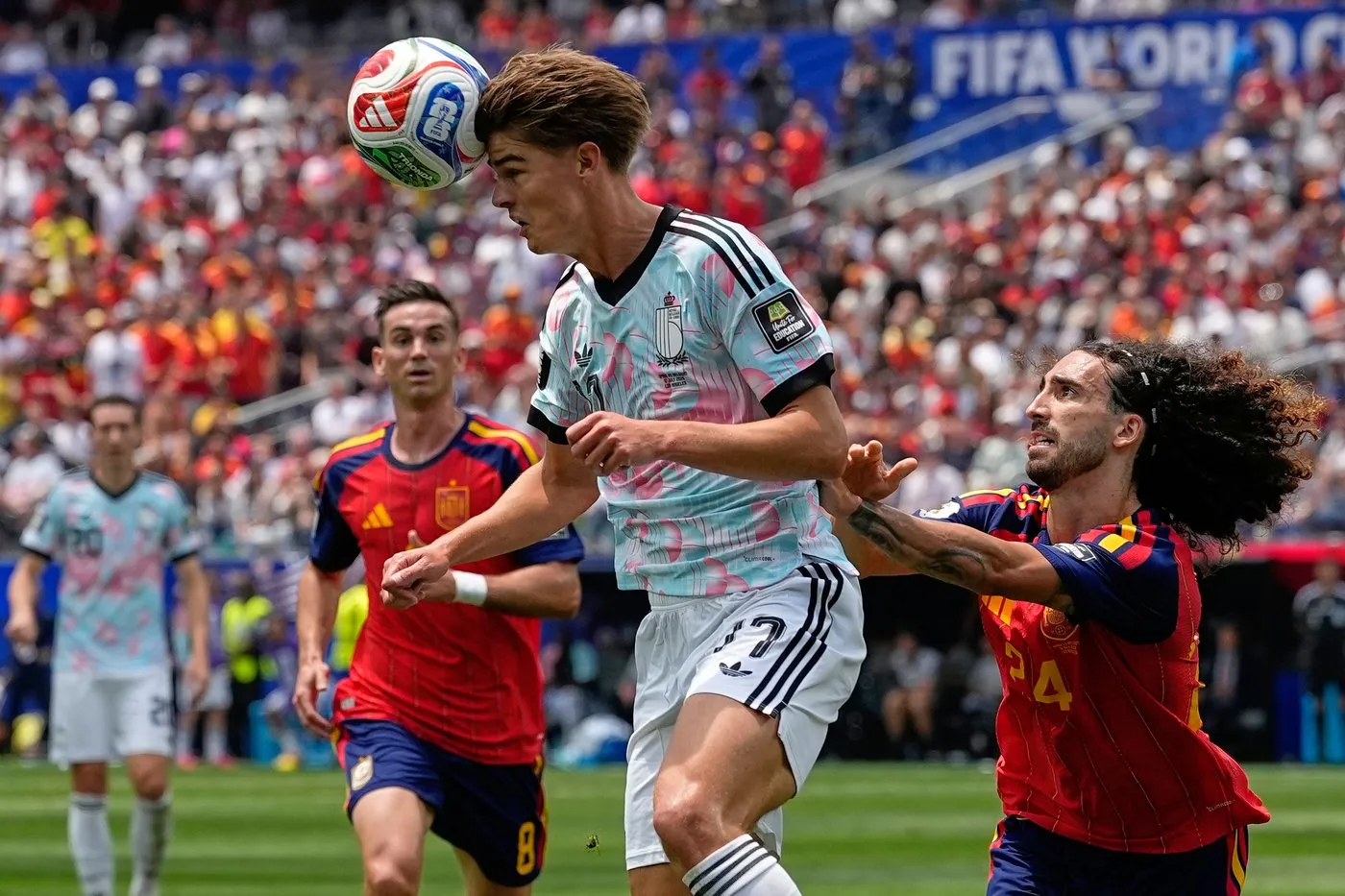
Belgium's response was immediate and emphatic. Charles De Ketelaere equalised in the 41st minute, a stunning individual moment from the Atalanta forward who has been one of the tournament's breakout stars. De Ketelaere's goal was Belgium's equaliser after Ruiz's opener, and it meant the teams went in level at half-time in a contest that had produced far more open football than anyone had predicted.
The Second Half: Chaos, Courtois, and Calamity
The second half delivered everything the occasion promised — end-to-end attacking play, near-misses from both sides, and two moments of misfortune that changed the match.
Courtois went down clutching his left thigh in the second half and was forced off in the 73rd minute, replaced by Senne Lammens — a significant moment that immediately raised questions about Belgium's capacity to hold Spain out.
De Cuyper smashed into the outside of the netting after Doku and De Bruyne worked a sharp one-two, and Doku threatened repeatedly on the counter-attack in a manner that had Spain's defence scrambling.
Merino: The Man for Impossible Moments
Just minutes after coming on, substitute goalkeeper Lammens made a mistake that cost Belgium everything — spilling a Pau Cubarsí shot directly into Merino's path at close range, leaving the midfielder with the simplest of finishes to restore Spain's lead in the 88th minute.

The scenes of celebration in the Spanish end of SoFi Stadium were matched by the devastation on the Belgian bench. Lammens — a 24-year-old goalkeeper who had done nothing wrong throughout his short appearance — was inconsolable. Brandon Mechele was photographed being consoled by teammates, the weight of what had just happened written across every Belgian face. Belgium's captain Romelu Lukaku, who had come on from the bench, trudged off the pitch knowing that the golden generation's final chapter had just been written — not with a glory moment, but with a cruel twist of fate that denied them the semi-final they had fought all tournament to reach.

Source : Ballocentre.com
Images : Getty, FIFA, Supersport Football, Football Smash
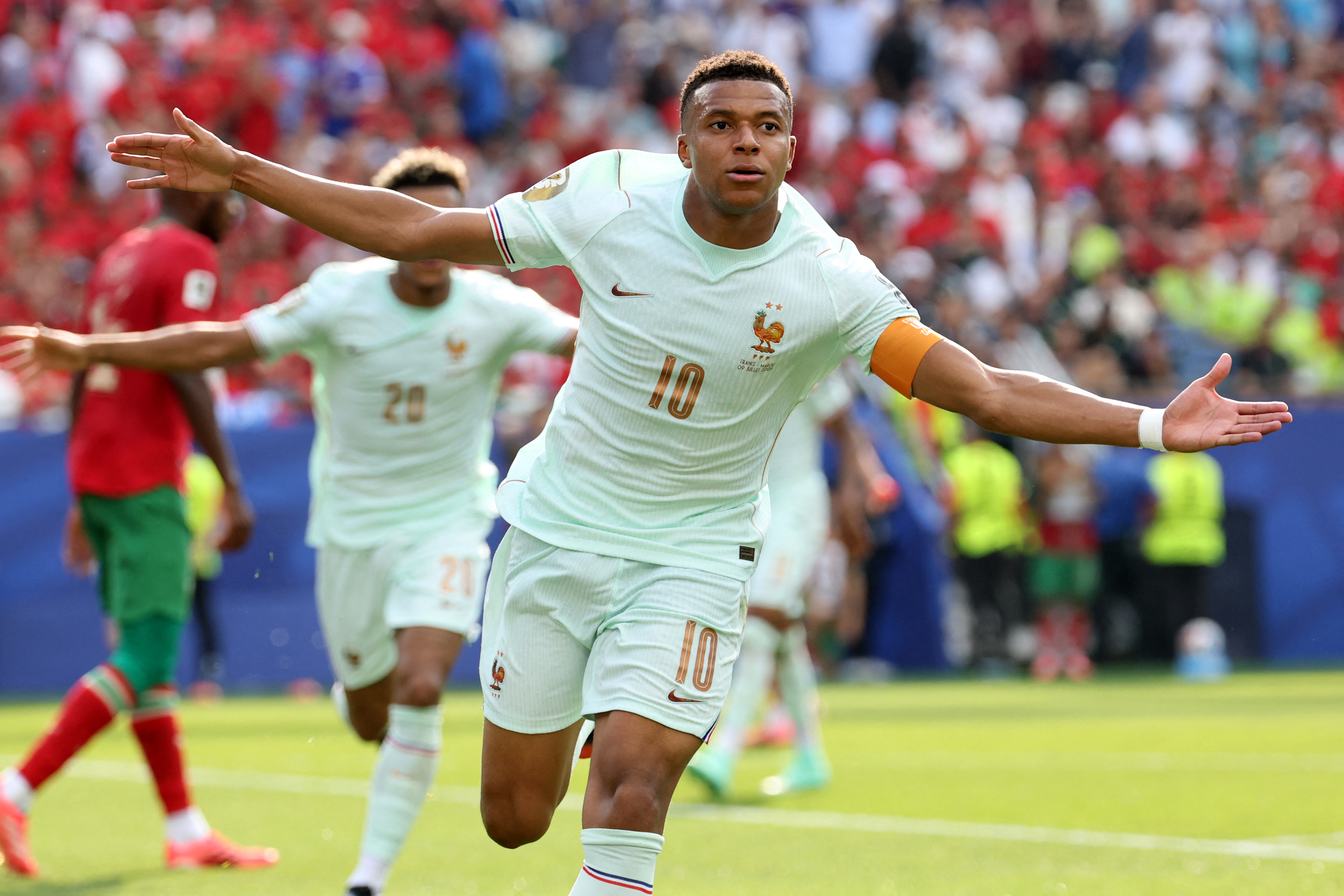
The 2026 FIFA World Cup's quarter-final stage has arrived — and Thursday night in Boston confirmed exactly what this French team is: relentless, technically brilliant, and apparently inevitable.
Kylian Mbappé scored one — after missing a first-half penalty — and set up another for Ousmane Dembélé.
Morocco, the last African nation in the competition, leave the tournament with enormous credit — but unable to prevent France from marching on. On Friday evening in Los Angeles, Spain and Belgium do battle for the right to face them.
France 2-0 Morocco: Mbappé Atones, Dembélé Seals It
The context was rich. This was a rematch of the 2022 World Cup semi-final — a match that France won 2-0 — and Morocco arrived in Boston carrying both the memory of that defeat and the momentum of arguably the tournament's most impressive defensive campaign. Morocco came into the quarter-finals on the longest unbeaten streak of any team at the World Cup — a run of 34 games. They had beaten the Netherlands on penalties, seen off Canada 3-0, and done so without ever conceding a goal from open play throughout the knockout rounds.
France, for their part, had been building toward this tournament for four years — and it showed in every significant moment.
France's first half's dominant performance did not yield a goal. And before it did, it almost yielded a penalty miss of potentially enormous consequence. Mbappé saw a first-half penalty saved — on his record-equalling 20th World Cup appearance for France. It was a moment that could have deflated a team and rewritten a narrative. Instead, it seemed to sharpen Mbappé's focus.
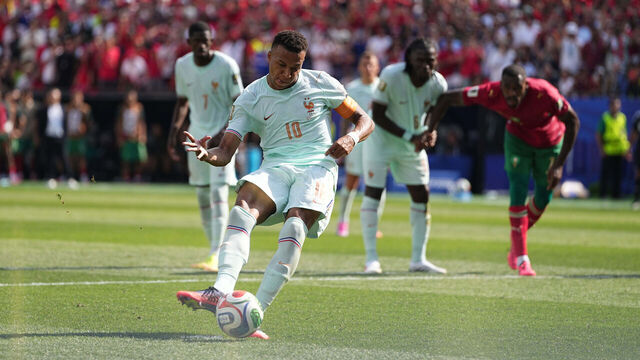
On the hour mark, Mbappé made amends — sorting his feet out just inside the box before sweeping a curling shot into the far corner, a finish of real quality that Bounou could only watch. His eighth goal of this tournament. His 20th career World Cup goal — matching Lionel Messi's tally at the time of scoring, in what has been the tournament's most compelling individual race.
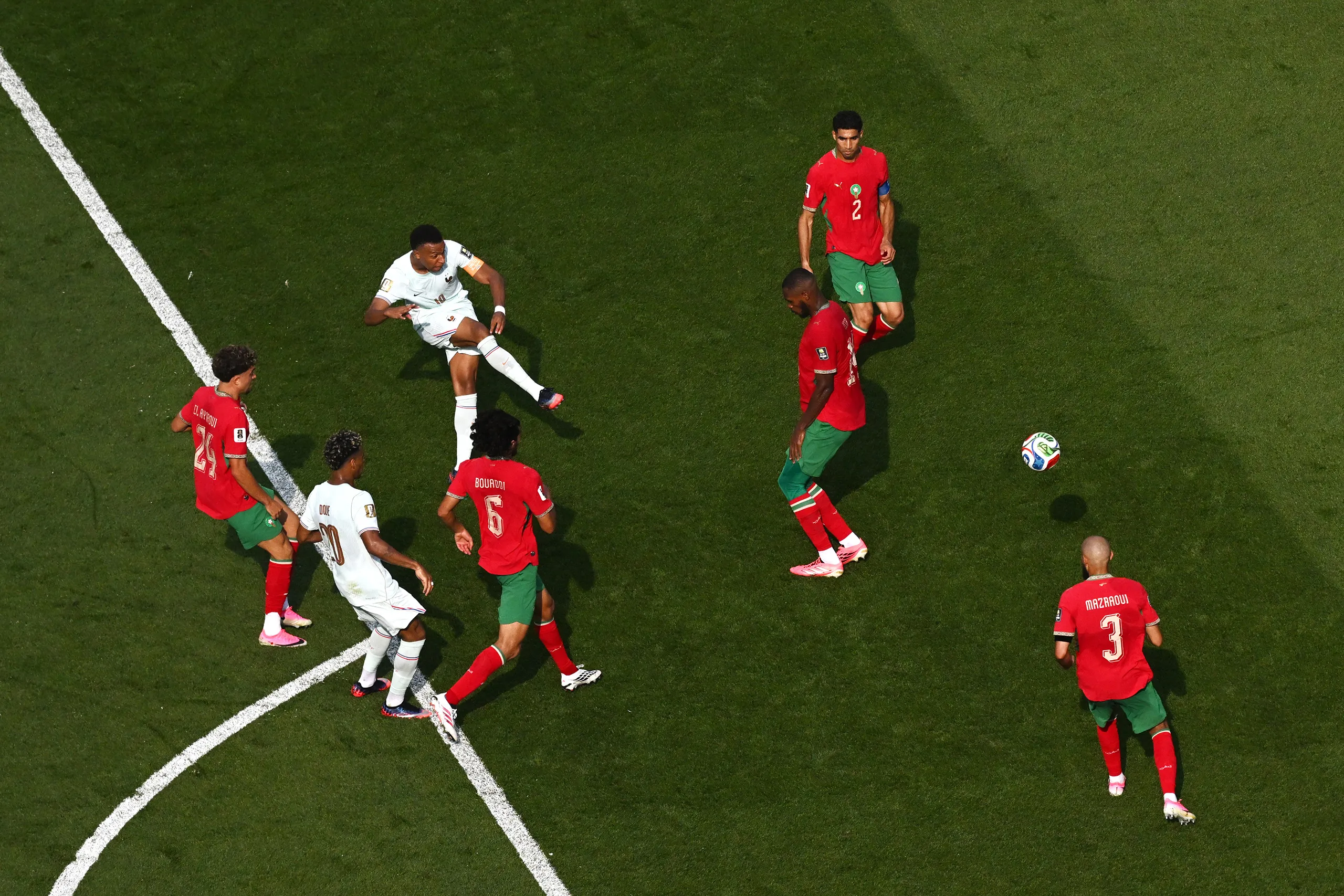
Six minutes later, Mbappé turned provider — laying the ball into the path of Ousmane Dembélé, who curled a low shot past Bounou to put the game beyond Morocco. It was Dembélé's fifth goal of the tournament.
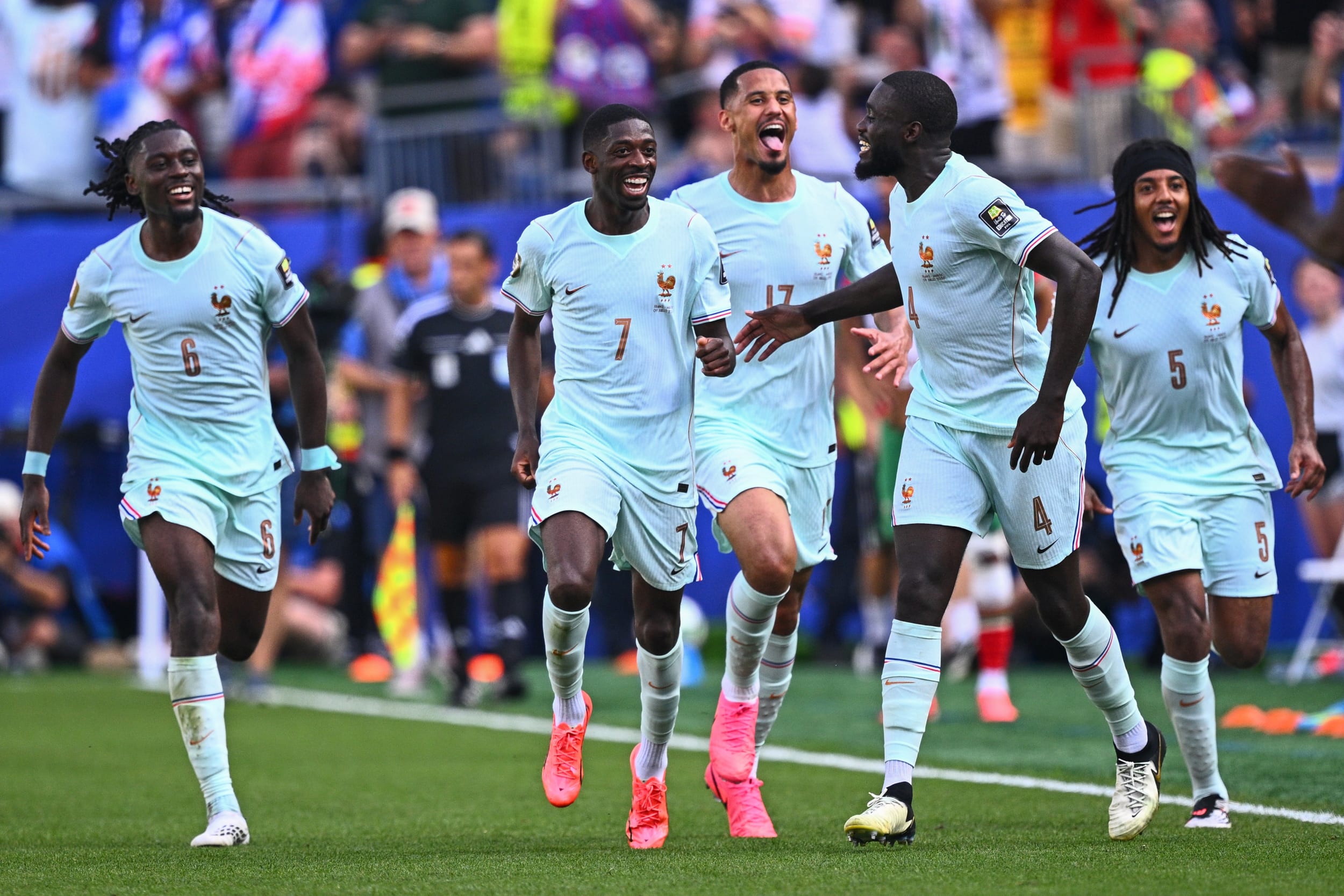
France now move into their third consecutive World Cup semi-final — a feat previously achieved only by Brazil, who did so from 1994 to 2002.

Now the only player to record 10 or more direct goal involvements at two different World Cups, Mbappé leads the Golden Boot competition with eight goals and three assists.
For Morocco, a tournament of extraordinary achievement ends here. They avoided defeat against Brazil, beat the Netherlands on penalties, and reached back-to-back World Cup quarter-finals — becoming the first African nation to reach the last eight more than once.
Coach Mohamed Ouahbi had said before the match that his side had no special plans for France — they would simply try to match them in every department. It was a candid and ultimately honest assessment. On the night, that matching never quite arrived.
Source : Ballocentre.com
Images : Getty, FIFA, Supersport Football, Football Smash, FFF

The 2026 FIFA World Cup's Round of 16 concluded on Tuesday the 7th of July — and it went out with an explosion. Four matches across Monday and Tuesday produced the end of Cristiano Ronaldo's World Cup story, the elimination of all three co-hosts, a Charles De Ketelaere performance for the ages, one of the most suspicious comeback victories in recent World Cup history, and a goalless grind in Vancouver that went all the way to penalties before Switzerland finally broke Colombian hearts.
The quarter-final lineup is complete. Eight teams remain. Here is how the final four Round of 16 ties unfolded.
Portugal 0-1 Spain: Ronaldo's World Cup Story Ends in Dallas
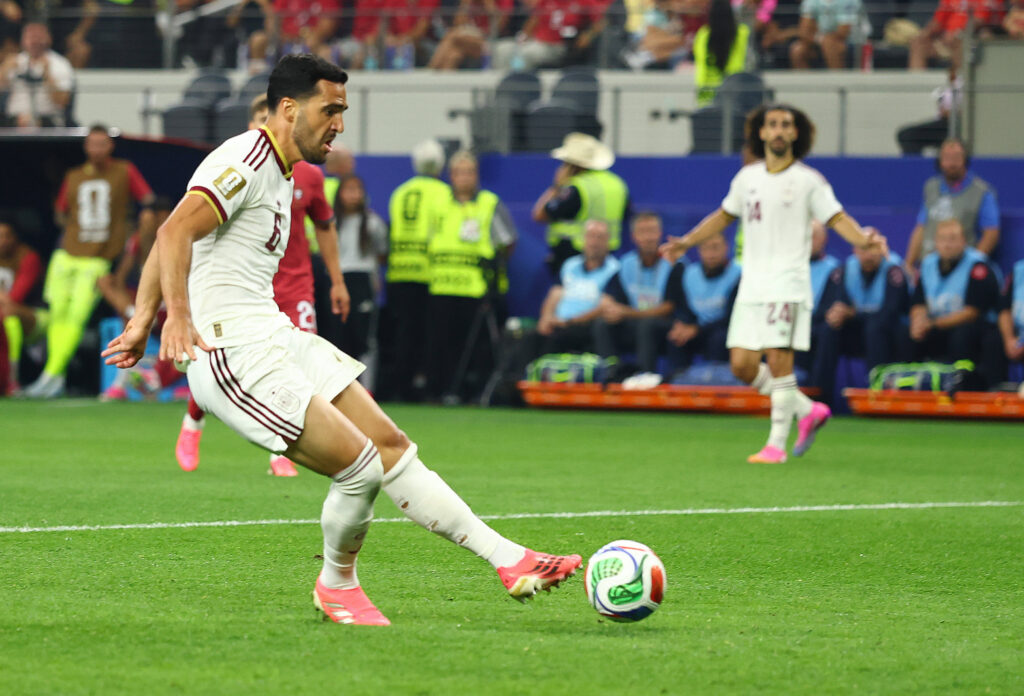
At AT&T Stadium in Dallas, the match everyone had circled on their calendar since the Round of 32 draw was confirmed delivered exactly the kind of tense, tactical, high-quality contest that Iberian derbies always promise — and ended in the most dramatic fashion imaginable. Substitute Mikel Merino scored in the 91st minute, ghosting behind Portugal's defence as fellow substitute Ferran Torres slipped him through, before burying his effort low past Diogo Costa at the near post to send Spain into the quarter-finals 1-0.
For 90 minutes, neither side had been able to find the breakthrough. It was Portugal's Diogo Costa who was the busier goalkeeper in the first half, producing a brilliant double stop to deny Lamine Yamal in the opening quarter of an hour, while at the other end, Cristiano Ronaldo — who had announced the day before the match that this would be his final World Cup — came closest for Portugal when an acrobatic bicycle kick was well saved by Unai Simón in the 41st minute, before Nuno Mendes' dangerous cross took a deflection off Pedro Porro and crashed against the crossbar moments later.
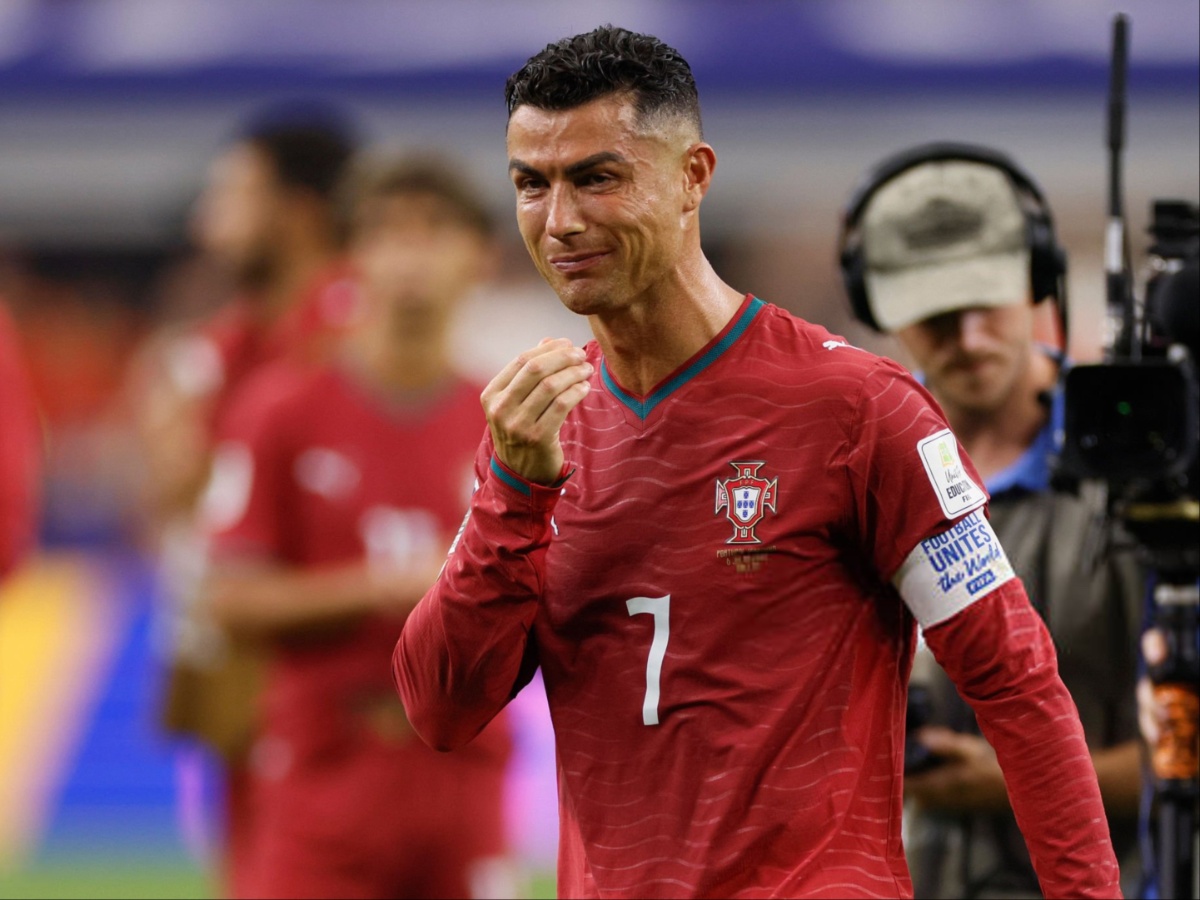
The emotional moment came immediately after the final whistle. Cameras showed Ronaldo applauding the fans before he became visibly overcome. The 41-year-old could not hold back his tears as he realised his World Cup journey had come to an end. It was, for all the mixed emotions of the occasion, a dignified farewell from the man who has inspired billions of football fans across the world.
Spain now face Belgium in the quarter-finals in Los Angeles on Friday 10 July — a clash between two of European football's most complete sides, with Spain having not conceded in six consecutive matches at this tournament.
USA 1-4 Belgium: De Ketelaere Stars as the Final Co-Host Departs
If the Iberian Derby was about drama and tension, the Round of 16 rematch between the USA and Belgium at Lumen Field in Seattle — already the same venue where Belgium had spectacularly overturned Senegal's 2-0 lead — was about clinical efficiency and the brutal exposure of American defensive vulnerabilities.
The match was overshadowed by the Folarin Balogun controversy that had dominated the build-up. FIFA had taken the highly unusual step of delaying Balogun's red-card suspension, with reports emerging that US President Trump had personally called FIFA president Infantino to encourage a review. The Royal Belgian Football Association protested his inclusion. Belgium responded on social media with a pointed "Overturn this" post.
De Ketelaere opened the scoring in the ninth minute, tapping home from close range after Nicolas Raskin pounced on a loose ball and sent a low cross into the six-yard box. The USA briefly drew level when Malik Tillman's deflected free kick wrong-footed Thibaut Courtois in the 31st minute — but the equaliser lasted barely 61 seconds. Just 120 seconds later, De Ketelaere completed his brace with a tidy far-post header over Tim Ream, before adding an assist for Vanaken's third goal in the 57th minute — poking possession away from goalkeeper Matt Freese, who had rashly charged from his goal and been caught in no man's land.
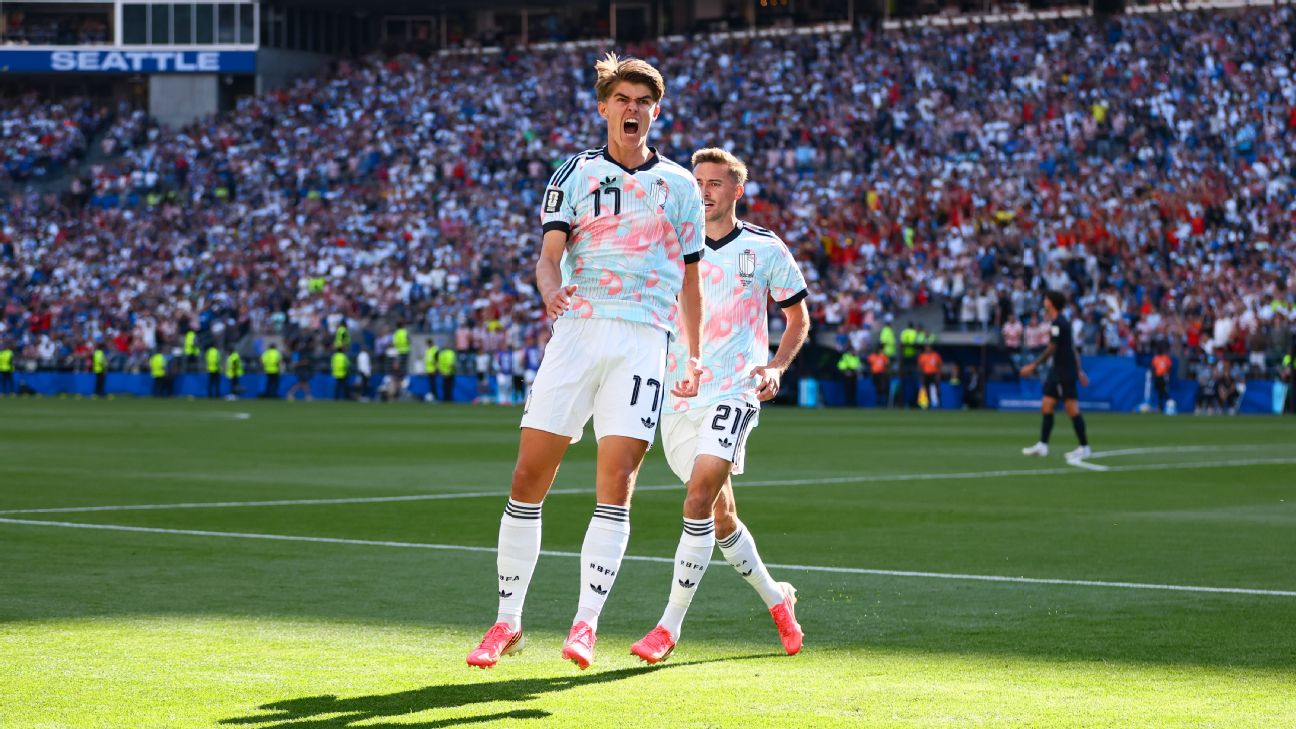
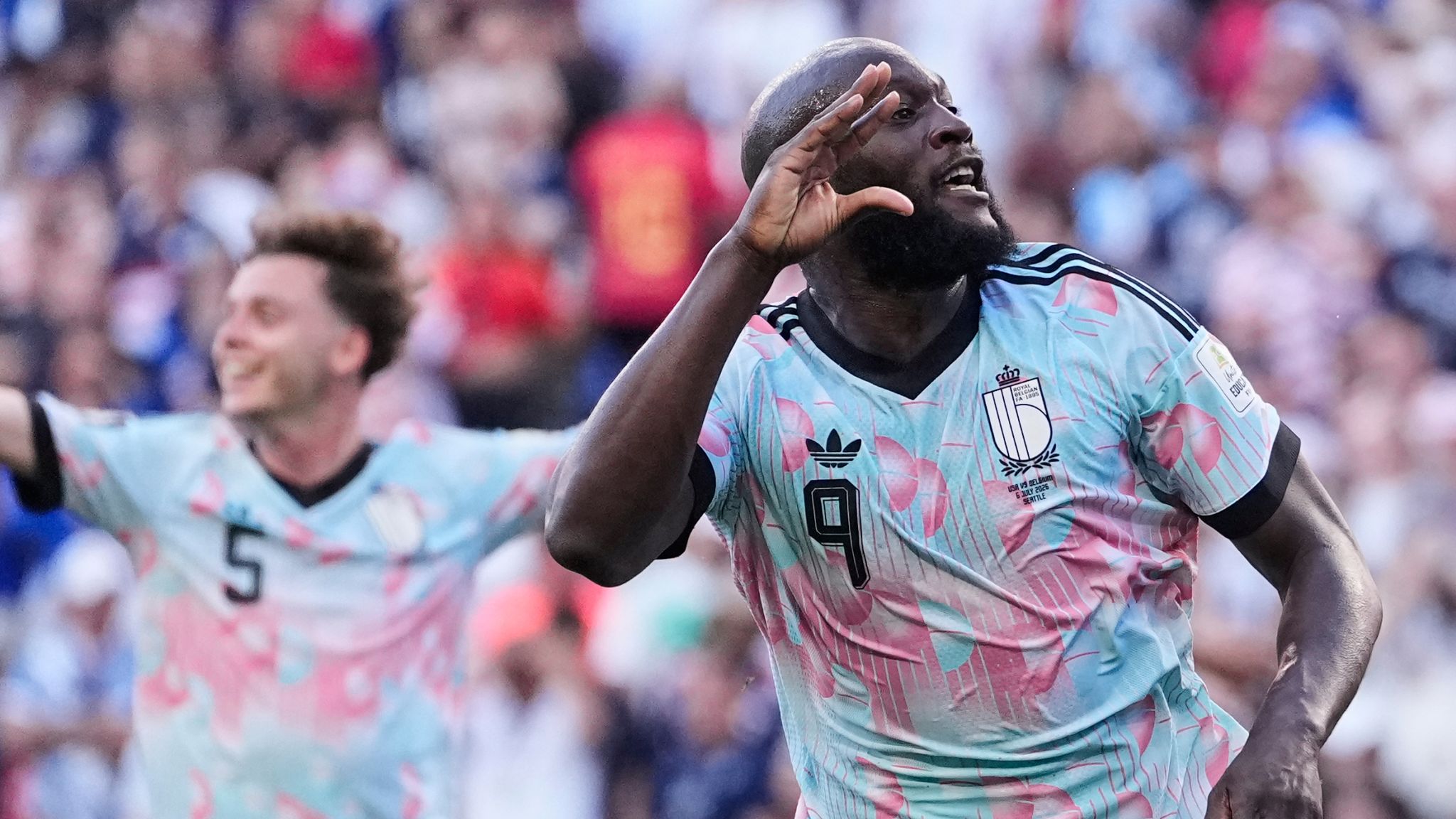
Romelu Lukaku, introduced as a substitute, added a fourth in stoppage time — becoming the first player to score as a substitute in four different FIFA World Cup matches, and the first to score in three different matches in a single edition.
Belgium face Spain in Los Angeles — their third consecutive World Cup quarter-final — with the confidence of a side that has now scored 12 goals in the knockout stage alone.

Argentina 3-2 Egypt: The Greatest Escape Yet (i.e the most suspicious in the modern era)
If there is a match from this tournament that will be replayed on highlight reels and discussed in football culture for decades, it is this one. At the Mercedes-Benz Stadium in Atlanta, Argentina — the defending World Cup champions — were two goals down with 11 minutes to play against Egypt, and came back to win 3-2 in stoppage time in one of the most remarkable matches in the tournament's history.
Egypt had been magnificent. Yasser Ibrahim's header in the 15th minute gave the Pharaohs a deserved lead — the first time Argentina had trailed at any point in the entire 2026 World Cup. Messi saw a penalty saved by the outstanding Mostafa Shobeir in the 21st minute — his second consecutive World Cup penalty miss — and Shobeir further denied Alexis Mac Allister and Julián Álvarez before half-time. Mostafa Zico added a second from Mohamed Salah's assist in the 67th minute — and with the clock ticking down, Argentina's quest to retain the World Cup appeared to be over.
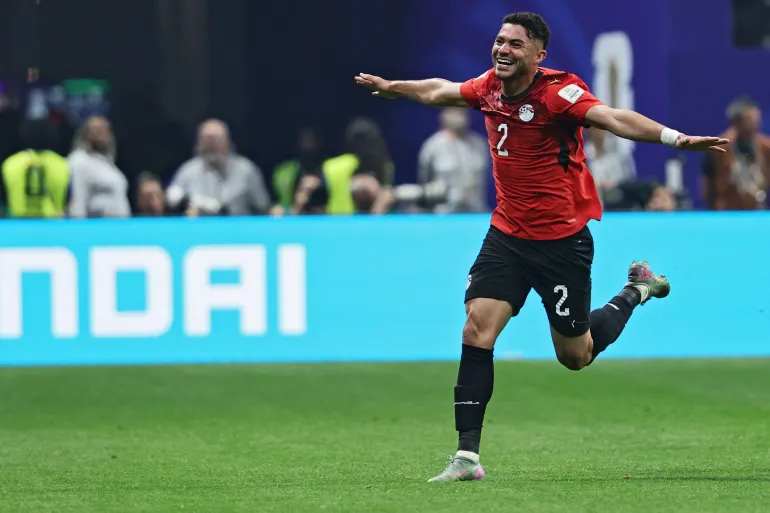
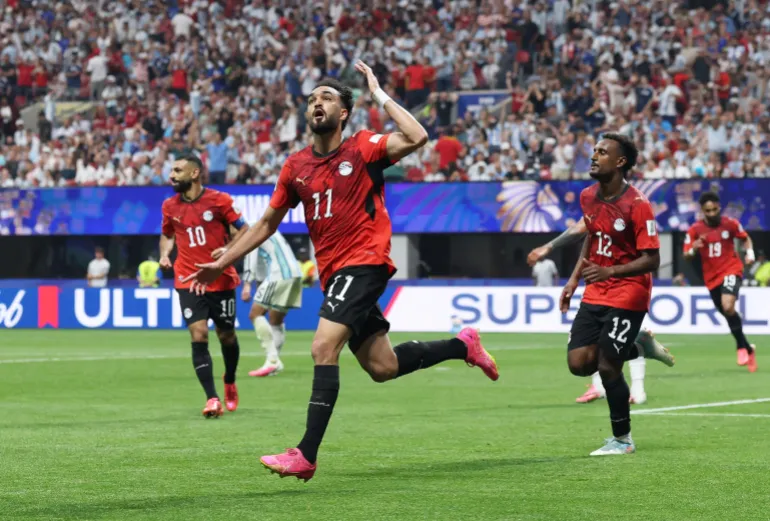
What happened next was simply weird or should we rather say "Unbelievable". Cristian Romero headed home from Messi's cross in the 79th minute to begin the comeback. Four minutes later, Messi himself received the ball just inside the box and lashed a first-time strike past Shobeir to level at 2-2. The 39-year-old, who had been peripheral and frustrated for much of the match, had shrugged off his penalty miss and his difficult afternoon to produce the decisive intervention. His goal was his eighth of the tournament — moving him ahead of Mbappé and Haaland in the Golden Boot race.
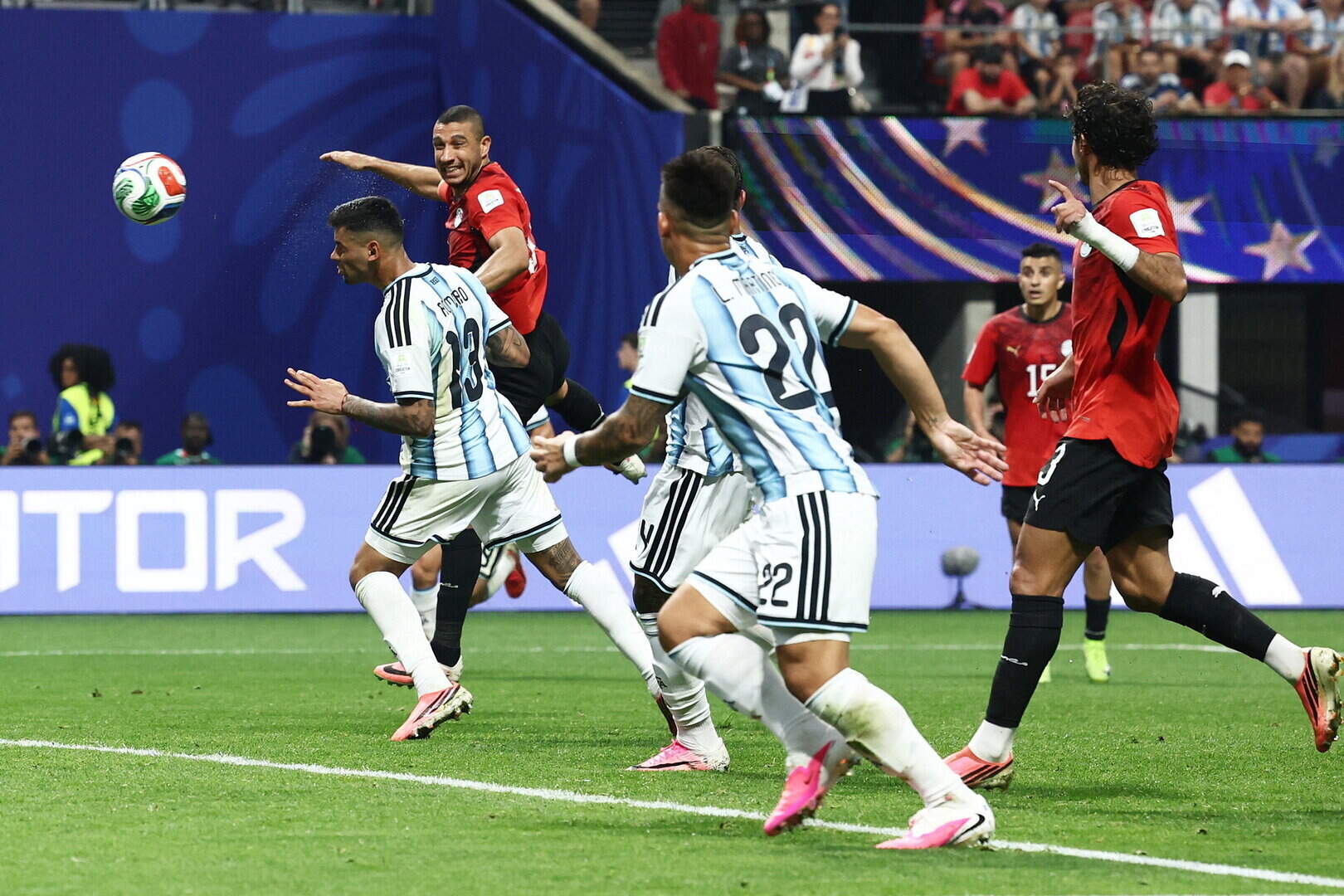


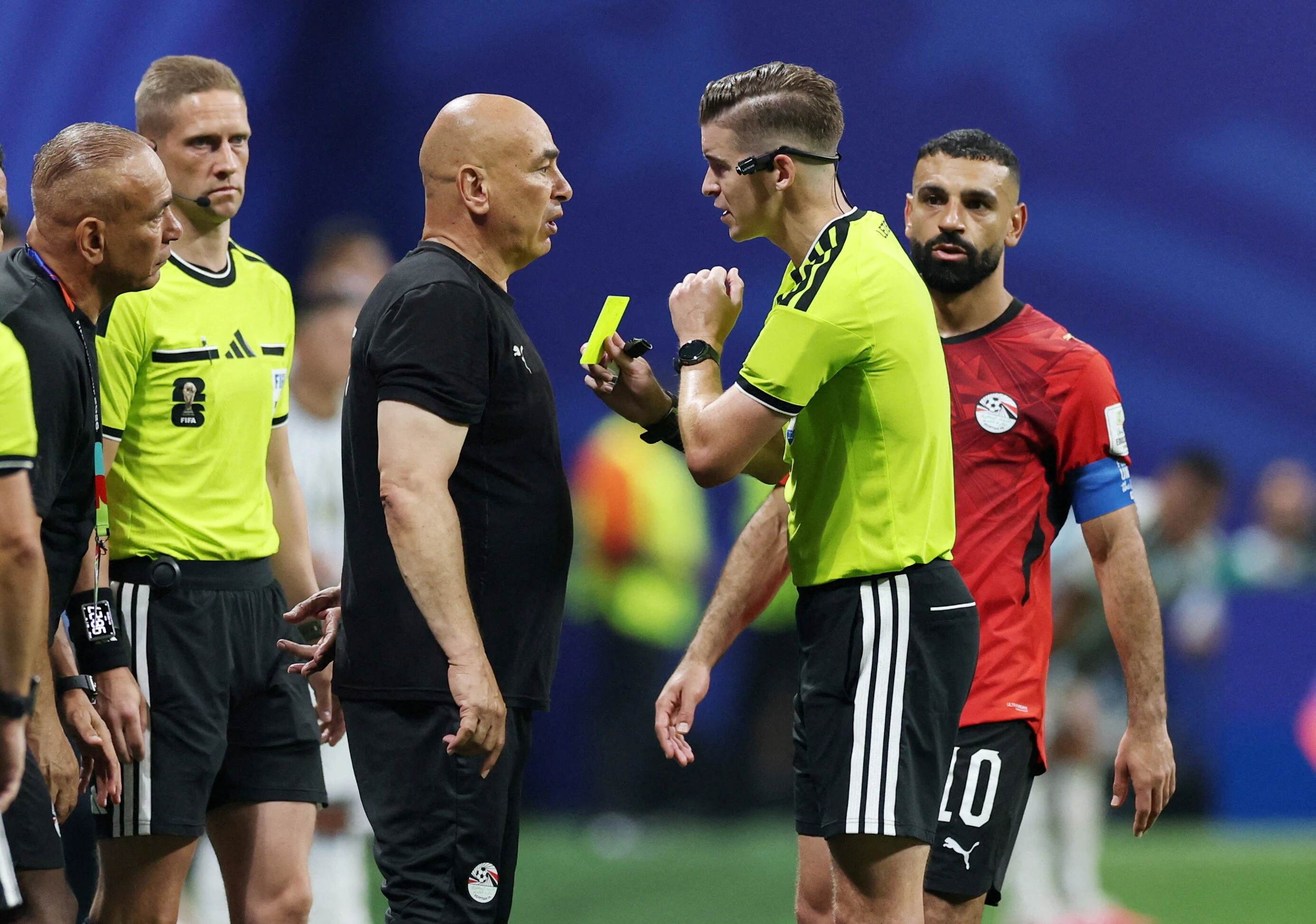
Then, in stoppage time, a rapid Argentine counter-attack found Enzo Fernández arriving late at the back post from Lautaro Martínez's cross. His magnificent header completed the turnaround. Egypt's players collapsed to their knees. Their coach Hossam Hassan argued that Lisandro Martínez had fouled Mohamed Salah in the build-up to the winning goal. The protests were heartfelt but ultimately unavailing.
This was the moment when many World Cup watchers received the confirmation that Some Animals are more Equal than Others.

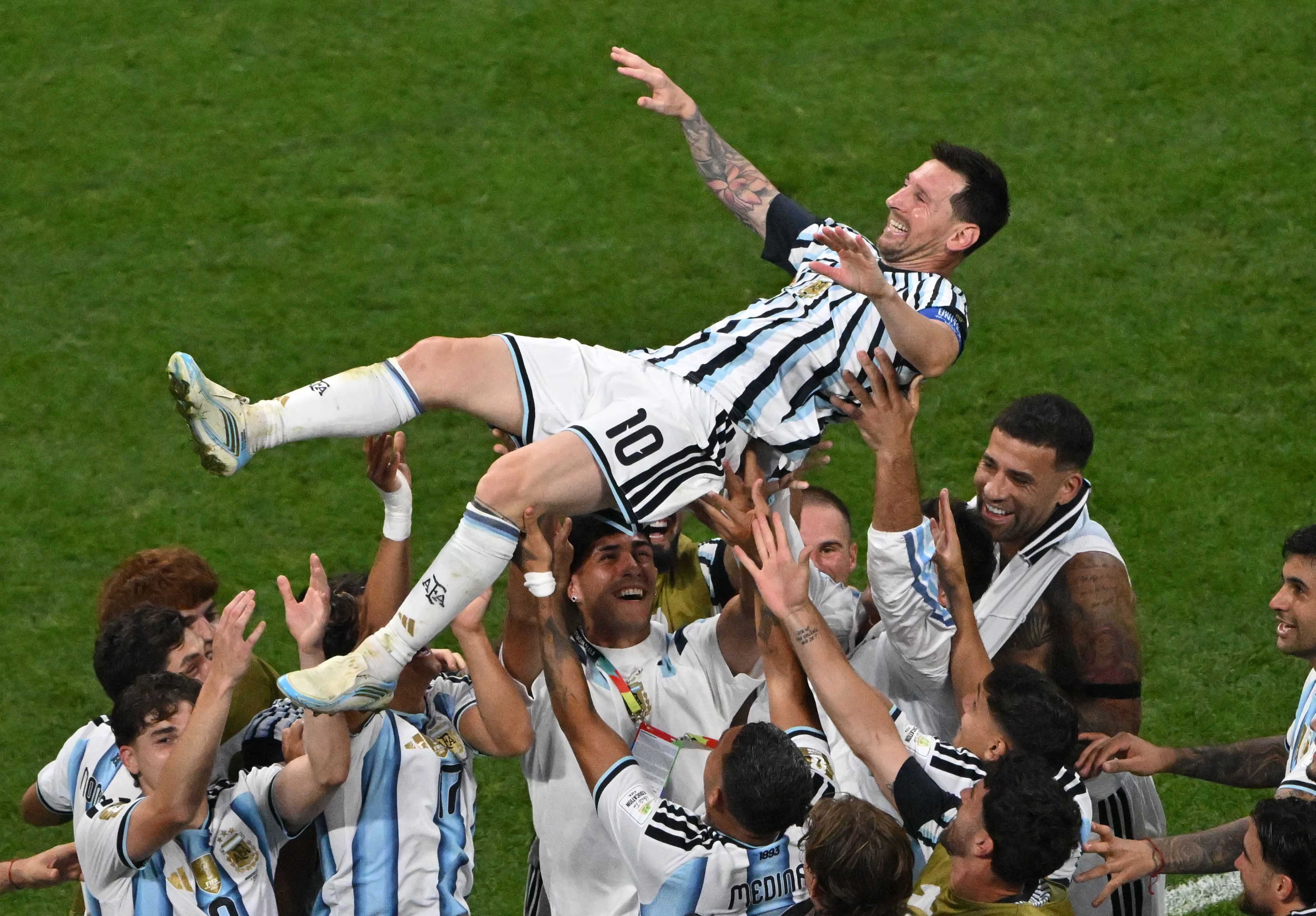
Argentina's quarter-final opponents? Switzerland in Kansas City on Saturday evening.

Switzerland 0-0 Colombia (AET): Swiss Prevail on Penalties in Vancouver
The tournament's final Round of 16 tie produced the least eventful football of any knockout game at the 2026 World Cup — but no less drama for that. At BC Place in Vancouver, Switzerland and Colombia played 120 goalless minutes in front of a crowd that was overwhelmingly dressed in yellow, before the Swiss prevailed 4-3 on penalties.
Switzerland were missing Johan Manzambi — their tournament standout, with three goals and two assists in four matches — after the 20-year-old suffered a knee injury in training on Monday. His absence was felt acutely throughout a match in which the Swiss lacked their most decisive attacking threat. Colombia, meanwhile, were without Jhon Córdoba and created the match's best chances — Jhon Lucumí headed against the crossbar in extra time, before Jáminton Campaz blazed over the bar with only the goalkeeper to beat following a defensive error from Granit Xhaka.
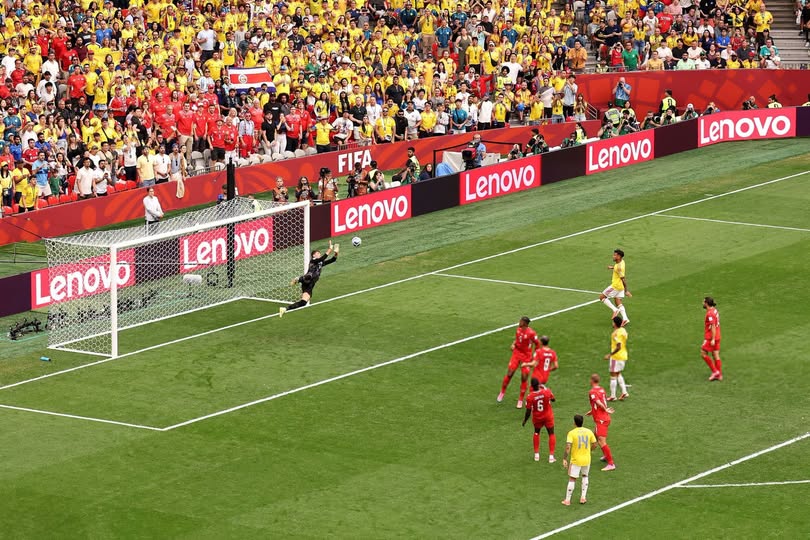
Davinson Sánchez hit his penalty against the crossbar and Cucho Hernández had his effort saved by Gregor Kobel. Rubén Vargas, who had come on as a late substitute after also leaving Monday's training early, stepped up to score the decisive kick and send Switzerland through 4-3.
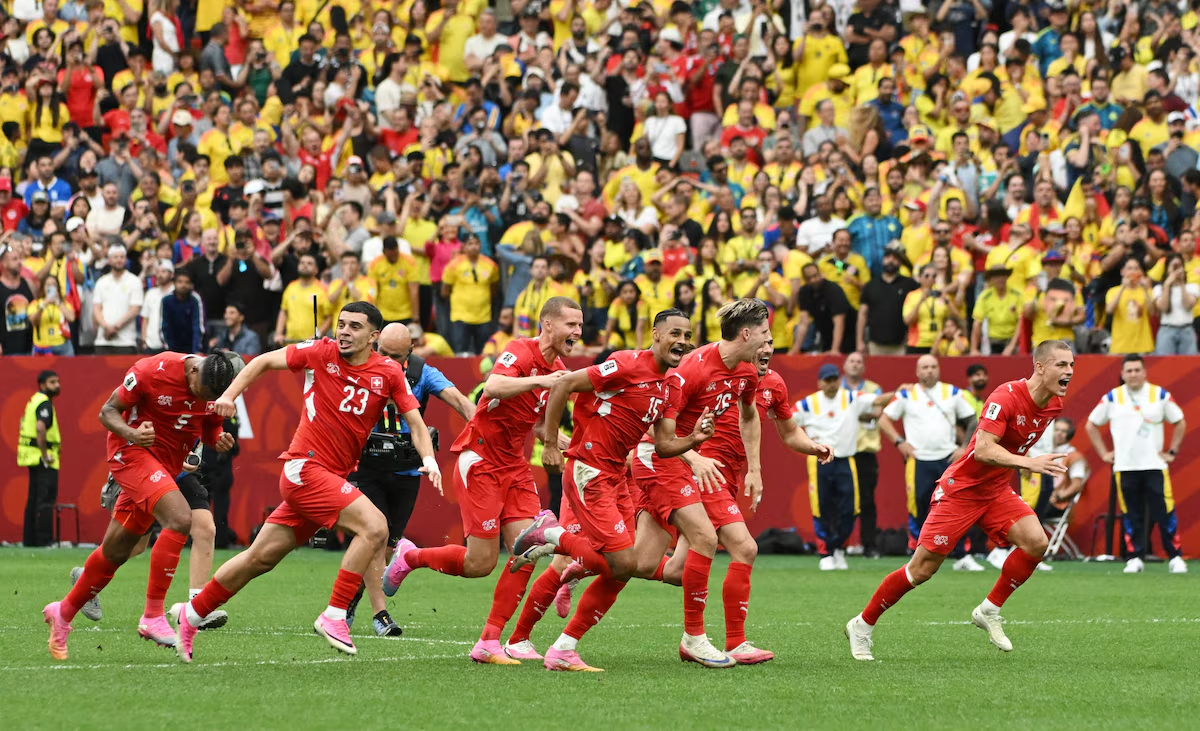
Switzerland have reached the World Cup quarter-finals for the first time since 1954.
A remarkable chapter for the Swiss — whose World Cup journey has been built with patience, experience and collective discipline — continues.
Source : Ballocentre.com
Images : Getty, FIFA, Supersport Football, Football Smash
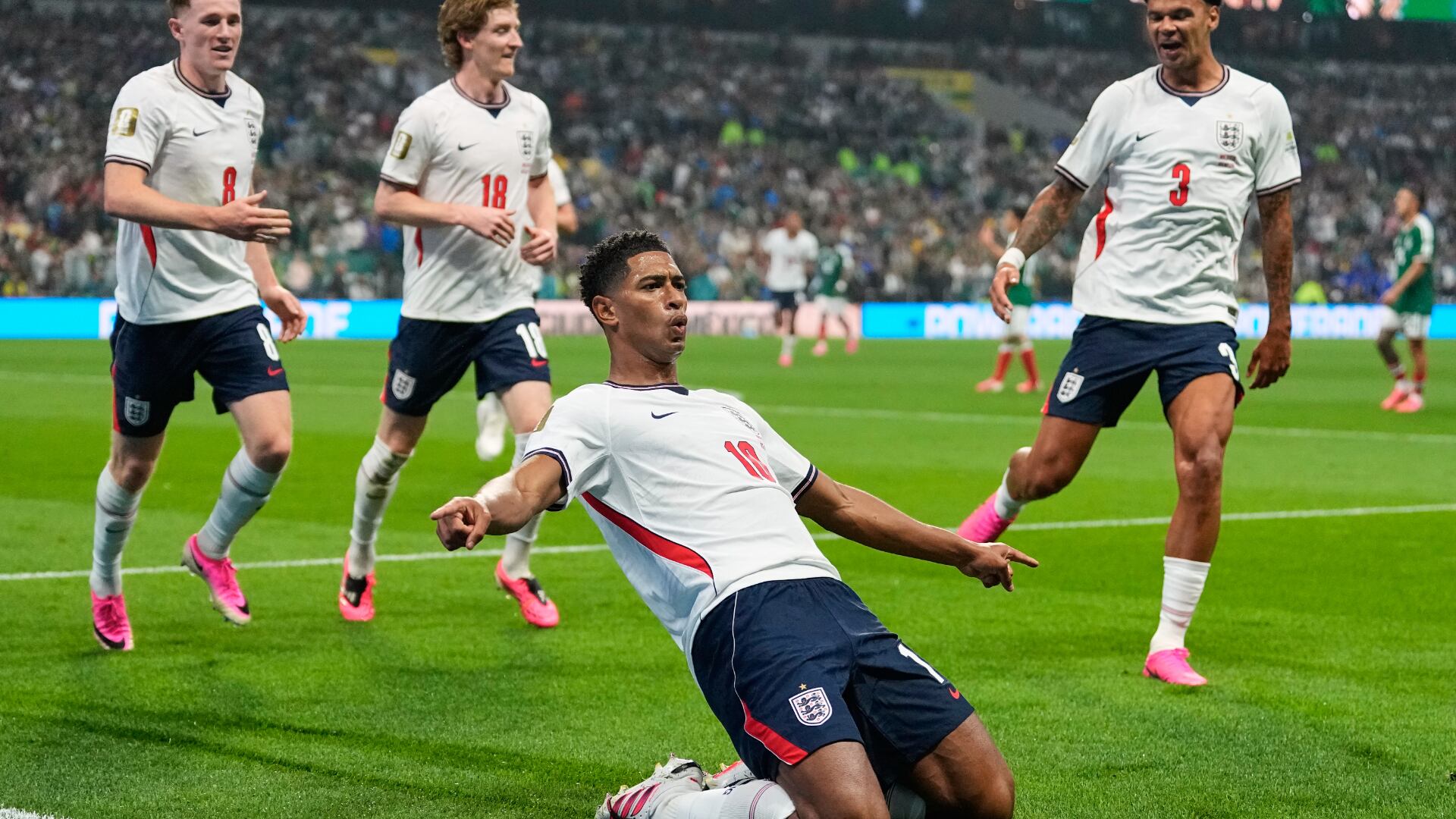
There have been memorable days at this 2026 FIFA World Cup. There have been records broken, upsets achieved and moments that will outlast the tournament itself.
But Sunday the 5th of July stands apart from everything that preceded it — a day of theatre so extraordinary, so consistently breathtaking across two separate matches and two separate continents of emotion, that anyone who watched it all will struggle to remember another dramatic 24 hours of football in recent memory.
Norway 2-1 Brazil: Haaland Writes the Greatest Chapter in Norwegian Football History
For 79 minutes at MetLife Stadium in East Rutherford — the stadium that will host the World Cup final in two weeks' time — it appeared that Brazil's superior quality would eventually tell. Norway were disciplined, compact and dangerous on the counter, but Carlo Ancelotti's side controlled large portions of the match and had squandered genuine chances to take the lead, most notably when Bruno Guimarães saw his first-half penalty saved brilliantly by Ørjan Nyland diving to his left.
Then, with the clock ticking toward the hour mark of stoppage time, the match exploded into life
Haaland broke the deadlock in the 79th minute — rising above Gabriel Magalhães to power Andreas Schjelderup's lofted delivery into the bottom-right corner with a thumping downward header that gave Alisson no chance.
Norway sections inside the sold-out stadium of 80,663 — which included rapper Jay-Z, comedian Chris Rock, actor Sofía Vergara and NBA champion Jalen Brunson — erupted.

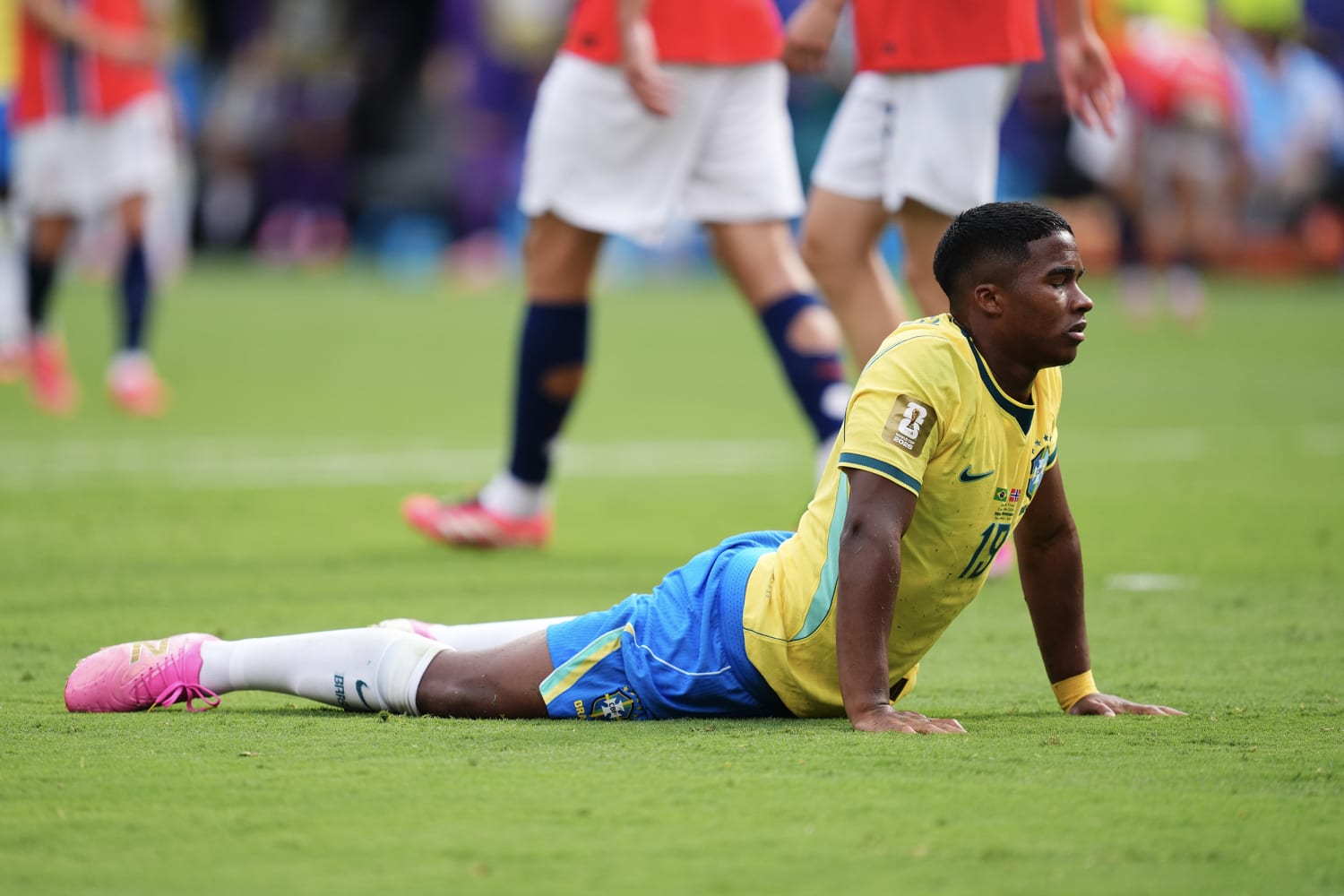
Brazil responded with everything they had. Substitute Endrick — introduced by Ancelotti in a moment of desperation and inspiration — was sent through on goal by a surgical Vinicius Júnior pass, only to dink his effort wide of Nyland's post after a heavy touch. It was the miss of the tournament. Nyland then produced a moment of almost comical brilliance.
Somehow, he managed to keep out Ajer's misplaced back-pass as it looped goalward, scrambling backward and producing a fingertip save that preserved Norway's lead with the kind of intervention that goalkeepers can go entire careers without making.

With the game on a knife-edge, Haaland struck a game-clinching second in the 90th minute — collecting Schjelderup's pass inside and arrowing an unstoppable shot into the bottom corner from the edge of the area through the legs of Danilo and past a diving Alisson.
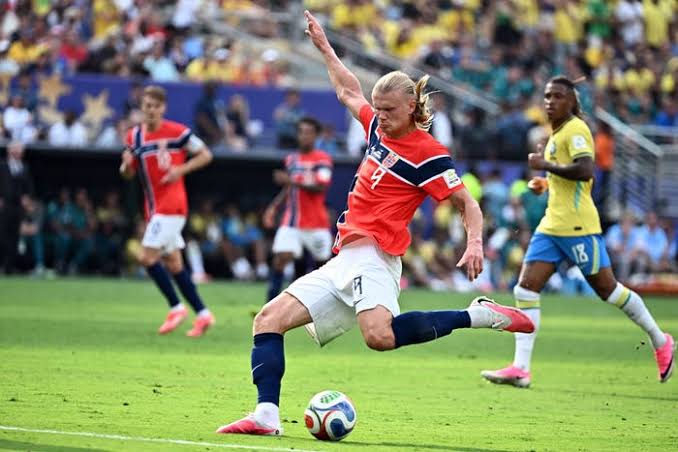
The 79th-minute goal had broken the deadlock. This one broke Brazil's hearts.
Brazil were awarded a penalty deep in stoppage time when substitute Leó Østigård elbowed Casemiro, preceded by an unseemly confrontation with Nyland. Neymar converted — scoring what was almost certainly his final goal in a Brazil shirt at a World Cup — but it came far too late to rescue the five-time champions.
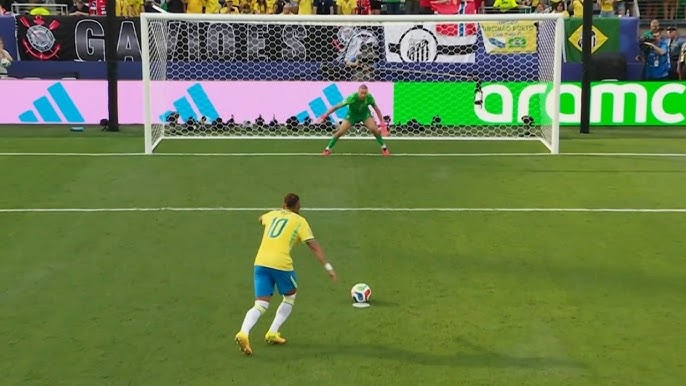
This is the earliest Brazil have been eliminated from a World Cup since 1990, when they lost to Argentina in the Round of 16. They had reached at least the quarter-final in each of their previous eight World Cup campaigns.
This is a disgrace for the once mighty Brazilians!
Norway — in their first World Cup since 1998, having not previously progressed beyond the last sixteen — face England in Miami on Saturday 11 July. The quarter-final against Erling Haaland's Norway will be the defining test of Thomas Tuchel's tournament.
Mexico 2-3 England: Bellingham and the Ten Men of History
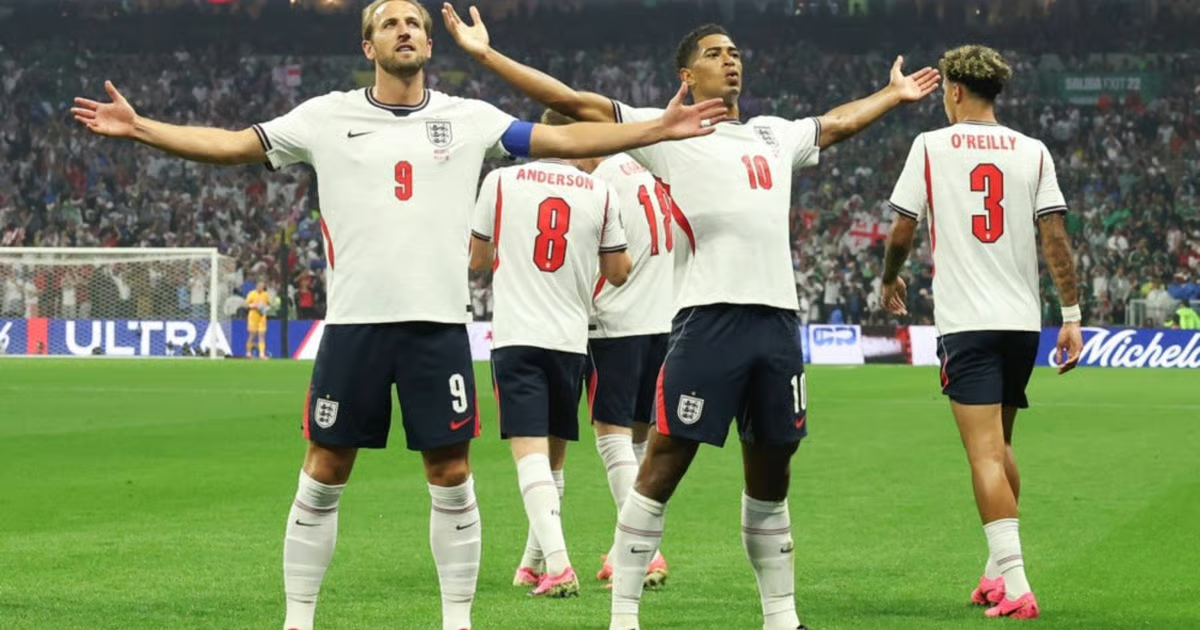
When Jude Bellingham headed home a Bukayo Saka cross in the 36th minute at Estadio Azteca — the stadium that sits at 2,240 metres above sea level and had produced no fewer than 10 home World Cup victories for Mexico without a single defeat — the 87,523-strong crowd fell into a momentary, disbelieving hush.
Bellingham doubled England's advantage almost immediately — laying the ball wide to Harry Kane and then arriving beyond César Montes to convert Kane's ball back across goal in a move of clinical, counterattacking precision. Two goals in 98 seconds. In Mexico City. In a World Cup knockout match. At the Azteca. The scoreline read 2-0, and the stadium, somehow, went quiet again.
Julián Quiñones gave Mexico a lifeline with a superb side-volley from a corner four minutes before half-time — the kind of goal that shifts an atmosphere immediately — and at 2-1 the noise returned.
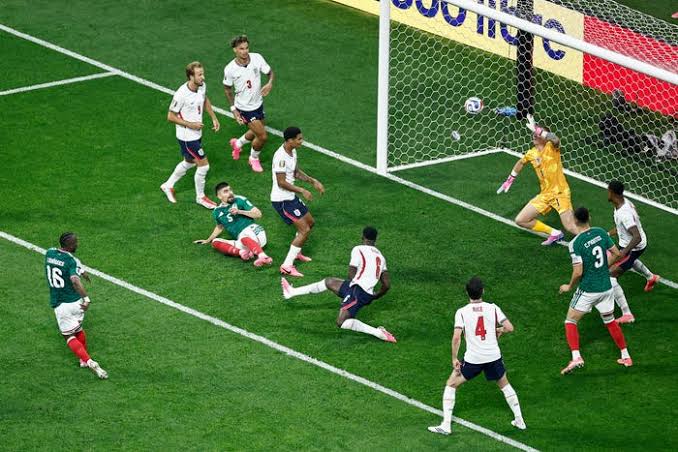
In the 54th minute, Quansah went sliding into a tackle on Jesús Gallardo, catching his shin. The referee initially deemed it a fair challenge, but upon review from VAR, Quansah was shown a straight red card.

Thomas Tuchel's response was extraordinary. Within minutes of the red card, goalkeeper Raúl Rangel recklessly brought down Anthony Gordon inside the penalty area, conceding a spot kick. Harry Kane stepped up and buried the penalty — restoring England's two-goal cushion and extending his World Cup tally to 14 career goals, matching Gerd Müller of West Germany for fifth on the tournament's all-time scoring list.
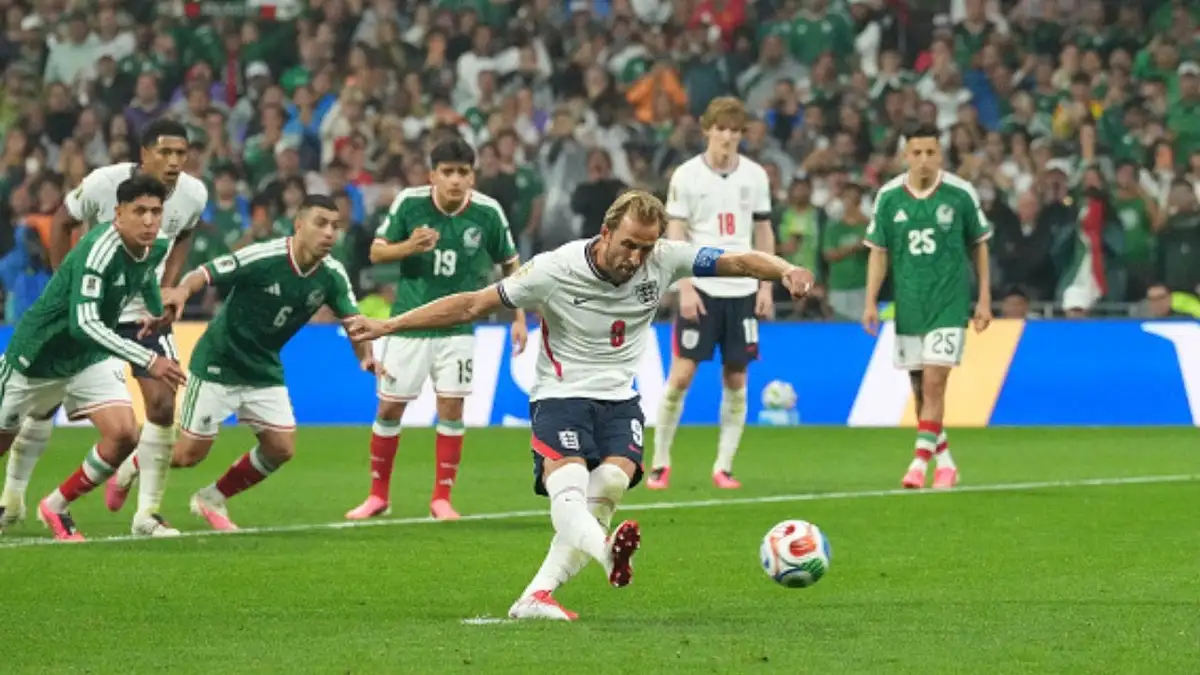
Mexico refused to fold. In the 69th minute, Raúl Jiménez confidently converted a penalty after a VAR review adjudged Kane himself to have fouled Brian Gutiérrez in the box, cutting the deficit to 3-2 and setting up a final quarter of an hour of almost unbearable tension. Ten-man England, legs heavy from the altitude, hearts pounding, were besieged. Jordan Pickford made save after save. Marc Guéhi cleared off the line. Bellingham, breathtakingly, made a goalline clearance from a Montes header.
The final whistle confirmed it. England had won 3-2. They became the first team in World Cup history to beat Mexico at the Azteca — El Tri had been unbeaten in their previous ten attempts at the ground.Jude Bellingham became the first player since Diego Maradona to score two goals in a World Cup game at the Azteca.
"This is probably one of the biggest England wins in a while, probably the biggest one I can remember as a fan or player"
Jude Bellingham
Source : Ballocentre.com
Images : Getty, FIFA, Supersport Football, Football Smash
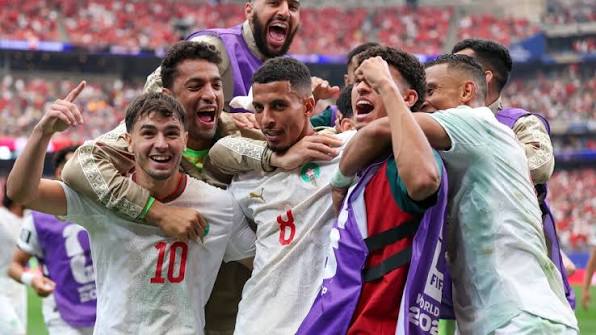
The Round of 16 of the 2026 FIFA World Cup got underway on Saturday the 4th of July — Independence Day in the United States — and the two matches it delivered could not have been more different in character. In Houston, Morocco produced a composed, clinical second-half masterclass to dismantle co-hosts Canada 3-0 and confirm themselves as one of the tournament's most formidable forces. In Philadelphia, France ground out a hard-fought, ill-tempered 1-0 victory over a Paraguay side that caused them genuine discomfort for long stretches but ultimately could not prevent Kylian Mbappé from writing another chapter in his remarkable World Cup story.
The quarter-final that awaits — Morocco vs France in Boston on 9 July — was set before the sun had gone down on America's national holiday.
Morocco 3-0 Canada: Ounahi Lights Up Houston as the Atlas Lions March On
The first half of this Round of 16 tie told one story. The second half told quite another. For 45 minutes at Houston Stadium, Canada were, by almost every measurable metric, the better team — pressing aggressively, dominating the attacking third, and creating enough chances to have given Morocco a genuinely uncomfortable evening. But football, as this tournament has repeatedly demonstrated, is not decided on first-half statistics.
The match changed fundamentally when Ismael Saibari, Morocco's tournament leading scorer and one of the competition's most dangerous forwards, departed with an apparent muscle injury in the 22nd minute. In his absence, the responsibility for unlocking the Canadian defence fell to Azzedine Ounahi — and the Girona midfielder responded with two goals of genuine quality that will be replayed long after this tournament concludes.

Ounahi received a free kick from Achraf Hakimi soon after the restart and unleashed a magnificent right-footed shot from outside the box into the bottom-right corner, leaving Canadian goalkeeper Maxime Créau with no chance to open the scoring in the 50th minute.
In the 82nd minute, Brahim Díaz touched the ball away from two defenders for Ounahi to finish emphatically with a powerful right-footed strike from the middle of the box and complete his brace.
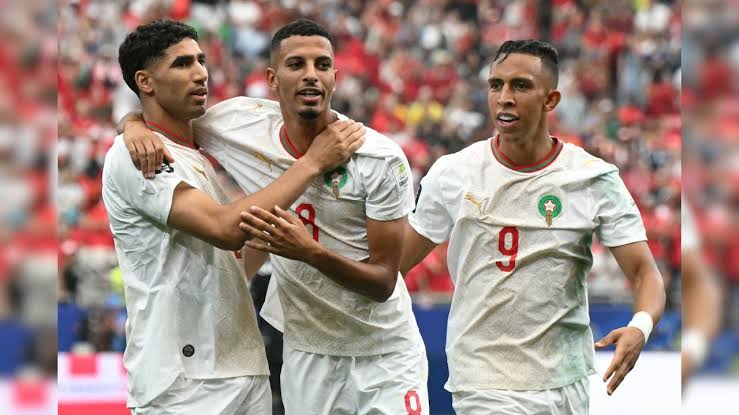
Díaz then set up Soufiane Rahimi for the third goal deep in stoppage time — a clinical counterattack that sealed Canada's fate and confirmed Morocco's march to the quarter-finals.

Morocco has become the first African nation to reach the quarter-finals more than once — their second consecutive appearance in the last eight after becoming the first African team to reach the semi-finals in 2022.
Paraguay 0-1 France: Mbappé Keeps His Nerve Against Football's Darkest Arts
If Morocco vs Canada was about the Atlas Lions' class eventually telling, France vs Paraguay was about something more primal — resilience, concentration, and the ability to produce a decisive moment in a match designed by the opposition to prevent exactly that.
Ranked 41st in the world, Paraguay had ousted Germany on penalties in the last round and declared a national holiday back home in celebration. They arrived in Philadelphia believing they could do it again, and for long stretches of a feisty, attritional contest played in heatwave conditions before 68,324 fans, they made a compelling case.
France were restricted to shots from long range throughout much of the first half, and it was only the fourth time since 1966 that Les Bleus did not manage a shot in the first 20 minutes of a World Cup match. Paraguay completed a defensive assignment that did not flatter the occasion but was tactically coherent and physically committed. The dark arts, however, were rather less admirable.
It was a heated contest that wasn't helped by poor refereeing, with the referee failing to stamp down on some notably dirty tactics by the Paraguay players — remarkably, none of their players received a yellow card throughout the match. Matías Galarza lashed out at Mbappé off the ball. Mbappé responded by getting involved in a shoving match with Andres Cubas. The temperature, literal and metaphorical, was consistently high.
The breakthrough arrived in the 69th minute. Désiré Doué — introduced from the bench as Deschamps replaced Bradley Barcola — immediately made an impact, attempting to dribble his way through a sea of Paraguayan defenders before going down under contact from Diego Gómez.
VAR confirmed the penalty. Mbappé calmly dispatched the resultant spot-kick, sending goalkeeper Orlando Gill the wrong way to punch France's ticket to the quarter-finals.
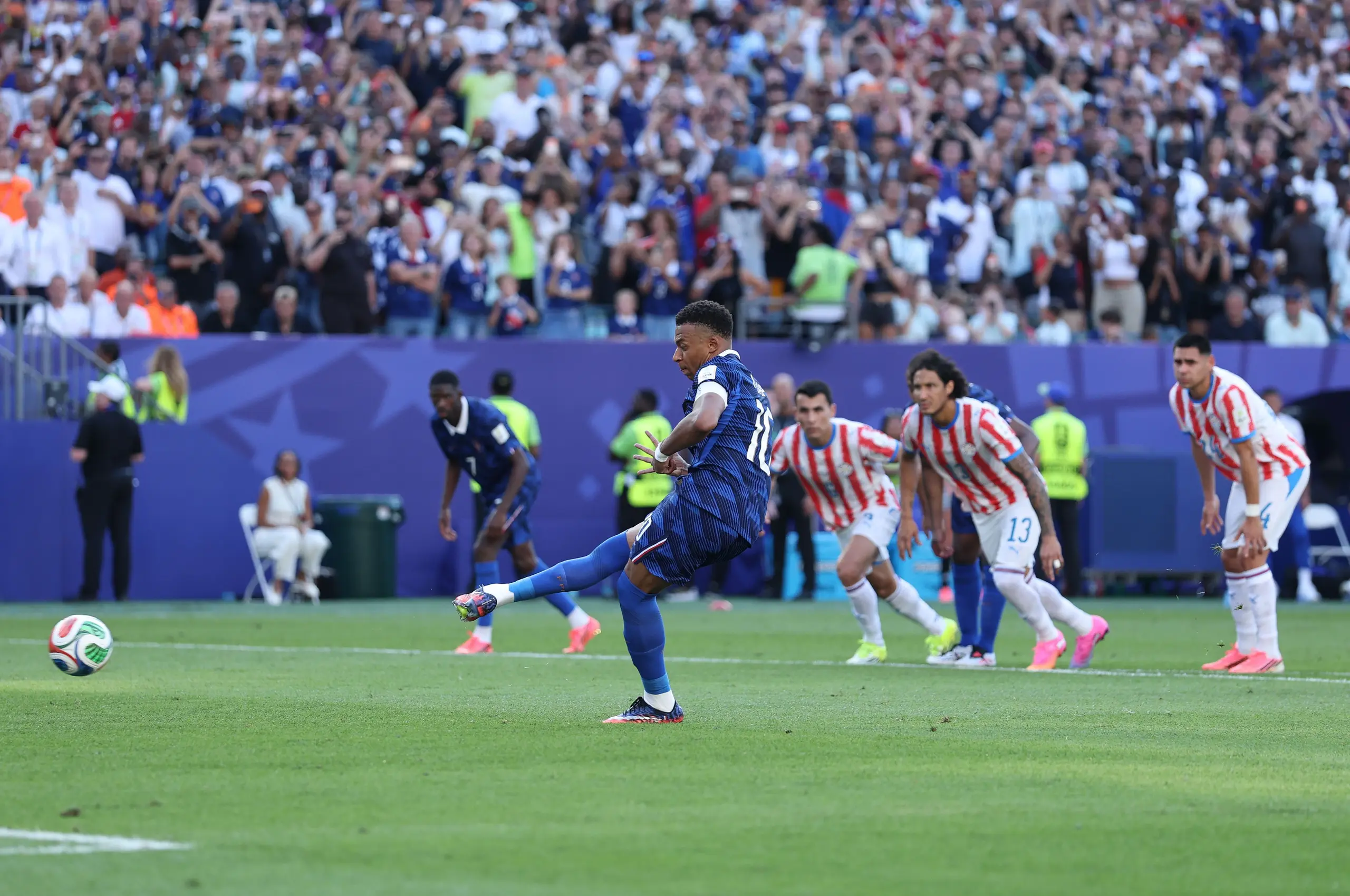
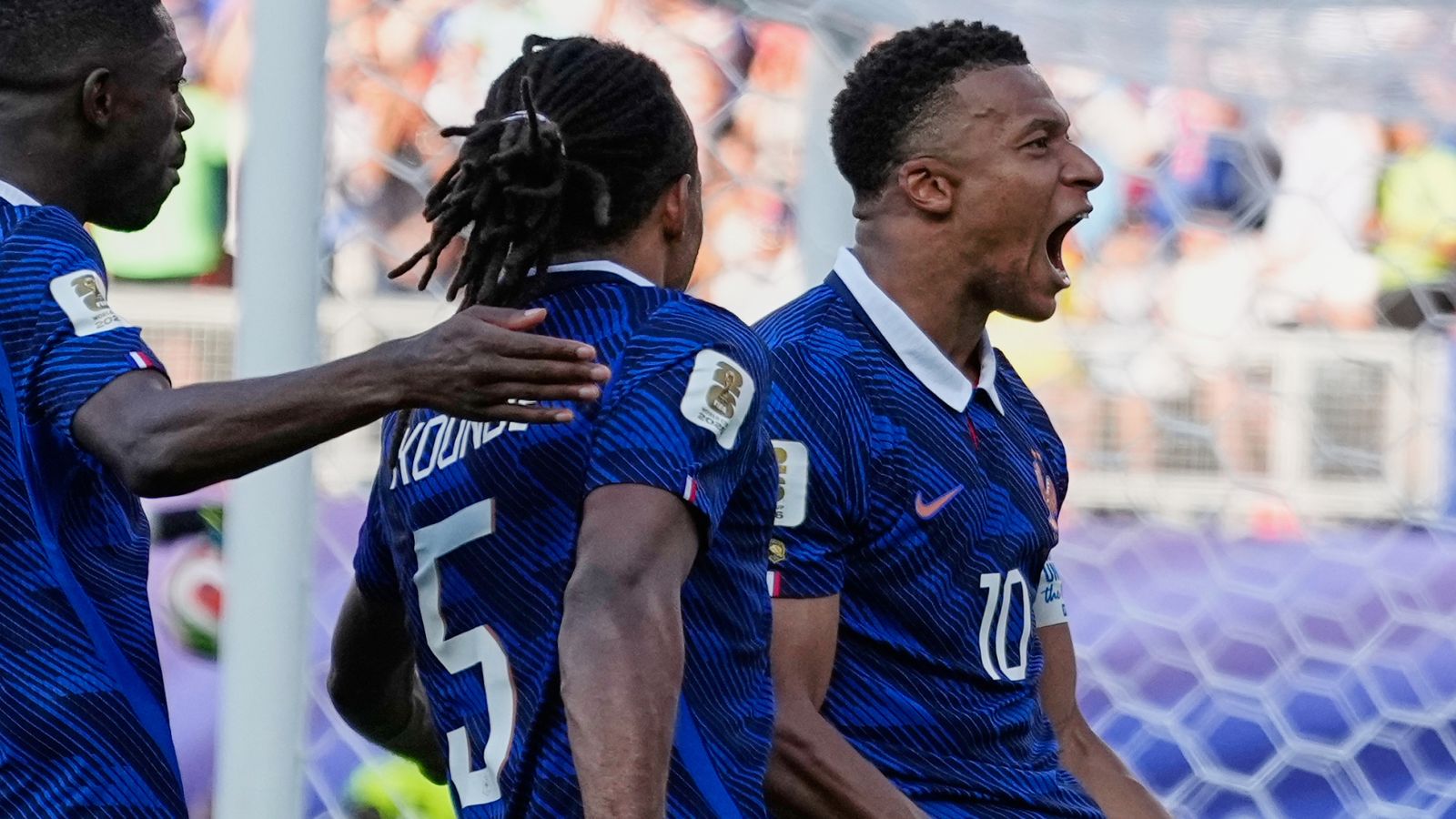
Mbappé scored his record-extending 11th World Cup knockout-stage goal, becoming the first player to score in the Round of 16 in three successive tournaments.
He now stands on 19 World Cup goals in total — only Lionel Messi, on 20, has scored more — while his 11 knockout-stage goals are at least three more than any other player in the competition's history.
The Golden Boot race, already one of the tournament's most compelling subplots, now sits on a knife's edge. Mbappé moved level with Messi on seven goals at this tournament — leading on assists — and is one behind the Argentine's all-time World Cup tally of 20.
Source : Ballocentre.com
Images : Getty, FIFA, Supersport Football
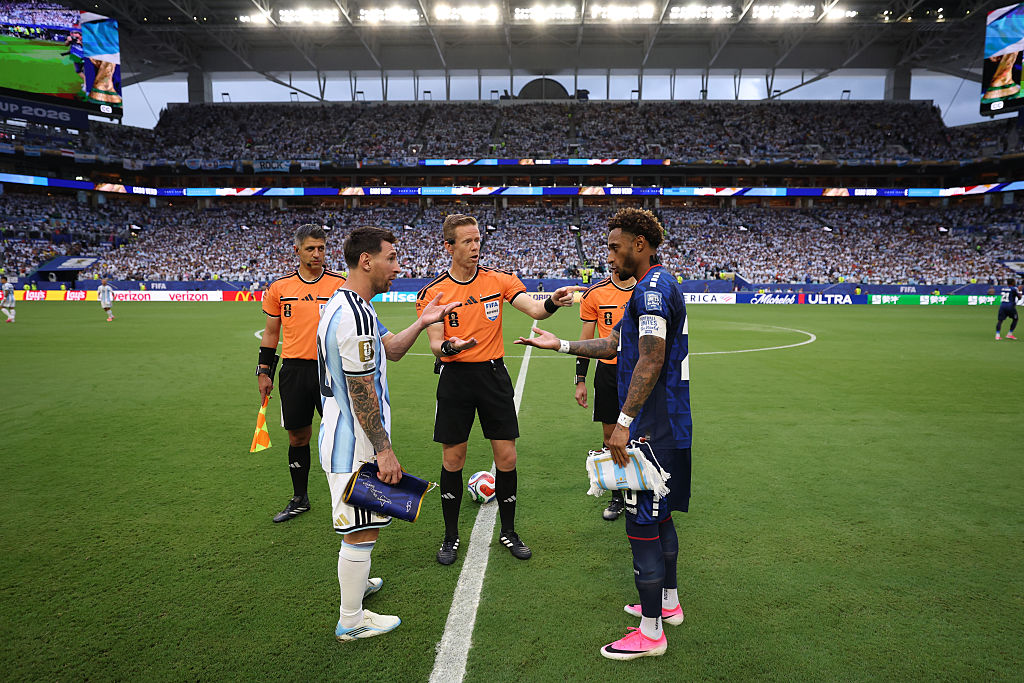
The 2026 FIFA World Cup's inaugural Round of 32 drew to its dramatic conclusion on Friday the 3rd of July — and true to the spirit of everything this tournament has delivered, it saved some of its finest theatre for last. Three matches. Three stories that the football world will be talking about for years. Argentina survived a four-goal extra-time epic against the tournament's most improbable participants. Egypt finally ended their long wait for a World Cup knockout victory, past Australian heroics ultimately undone by the penalty spot. And Colombia quietly and professionally made it through, advancing with the kind of controlled efficiency that suggests they could be a genuine dark horse in the latter rounds.
The Round of 32 is over. The Round of 16 begins. And the 2026 World Cup is entering its most compelling phase.
Australia 1-1 Egypt (AET): Pharaohs Win 4-2 on Penalties — at Last
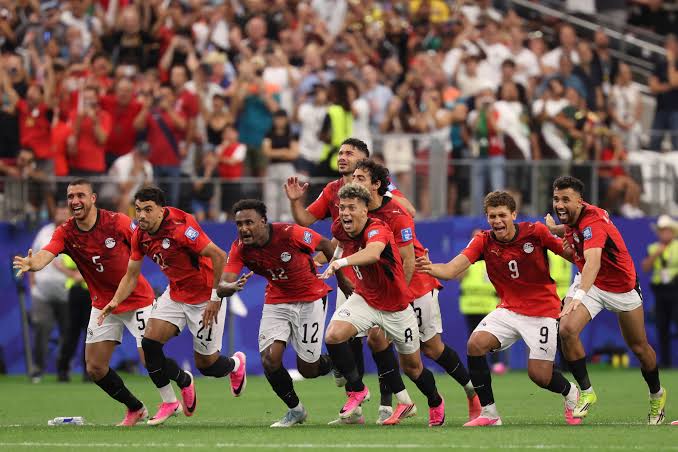
At AT&T Stadium in Dallas, Egypt secured their first-ever World Cup knockout stage victory — a moment that prompted wild celebrations among the Egyptian supporters inside and also scenes of extraordinary joy back home — but only after a match that could so easily have ended differently.
Emam Ashour had put Egypt ahead early in the 13th minute after running in behind his blocked shot to convert an incoming cross with a superb header at the near post — his second goal of the tournament.
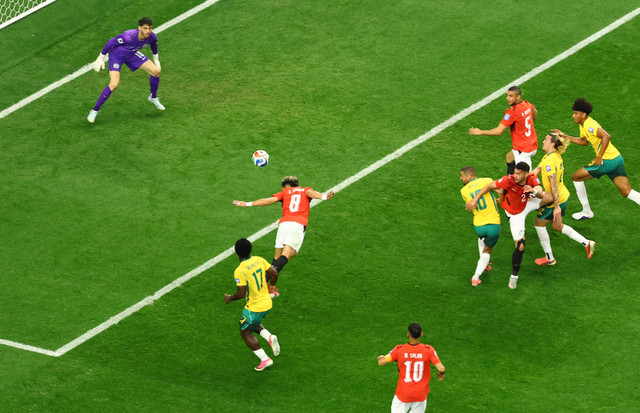
As the match wore on, Australia amped up the pressure, and it told ten minutes into the second half when Mohamed Hany scored his second own goal of the tournament under pressure from Souttar — the first time anyone has scored two own goals in the same World Cup edition.
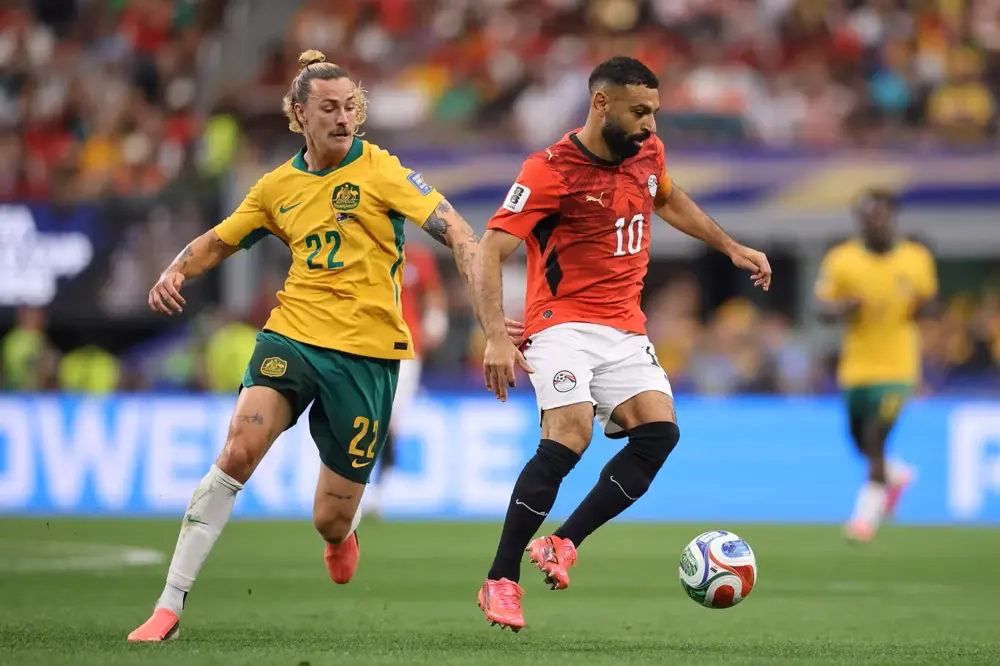
The remainder of extra time produced no further goals, and the match went to penalties — where Australia made a fateful decision that will be dissected for years.
Beach had been in fine form as he kept Egypt at bay in extra time, which only made it more surprising that he was taken off for the shootout.
His replacement could not replicate his heroics.
Egypt survived on a 4-2 margin in the shootout advancing to a Round of 16 meeting with Argentina in Atlanta on Tuesday 7 July. Mohamed Salah, who had exited the group stage with a hamstring strain and was expected to be fit for this fixture, will lead them into that extraordinary assignment.
Argentina 3-2 Cape Verde (AET): Messi's Fairy Tale, Vozinha's Last Stand
The match of the night — and one of the most compelling fixtures of the entire tournament — unfolded at Hard Rock Stadium in Miami, where Cape Verde's extraordinary World Cup story came to an end in the most dramatic circumstances imaginable. Argentina eventually prevailed 3-2 after extra time, but by the time Cristian Romero's header sealed the win in the 116th minute, the Blue Sharks had taken everyone on a breathless, heart-stopping journey that a nation of fewer than 600,000 people will never forget.
Lionel Messi got things started with a goal in the 29th minute — his seventh of the tournament, extending his Golden Boot lead. It appeared to be the beginning of the end for Cape Verde. It was not.
With plan A gone, Cape Verde had to attack more — and that, combined with uncharacteristic sloppiness from Argentina, saw Deroy Duarte score at the near post, nutmegging Lisandro Martínez and surprising Emiliano Martínez.
Messi spurned a one-on-one chance to restore Argentina's lead almost immediately, and Cape Verde closed ranks to drag the world champions to extra time.

In extra time, the drama continued to accelerate.
Lisandro Martínez wrested the lead back with a stunning finish at the near post off a corner in the second minute of extra time — and just as Argentina thought that would be enough, Sidny Lopes Cabral brought the roof down with the goal of the match, a stunning curler from a tight angle that gave Emiliano Martínez no chance.
The scenes inside Hard Rock Stadium — and the footage emerging from Praia, Cape Verde's capital — were almost impossible to process
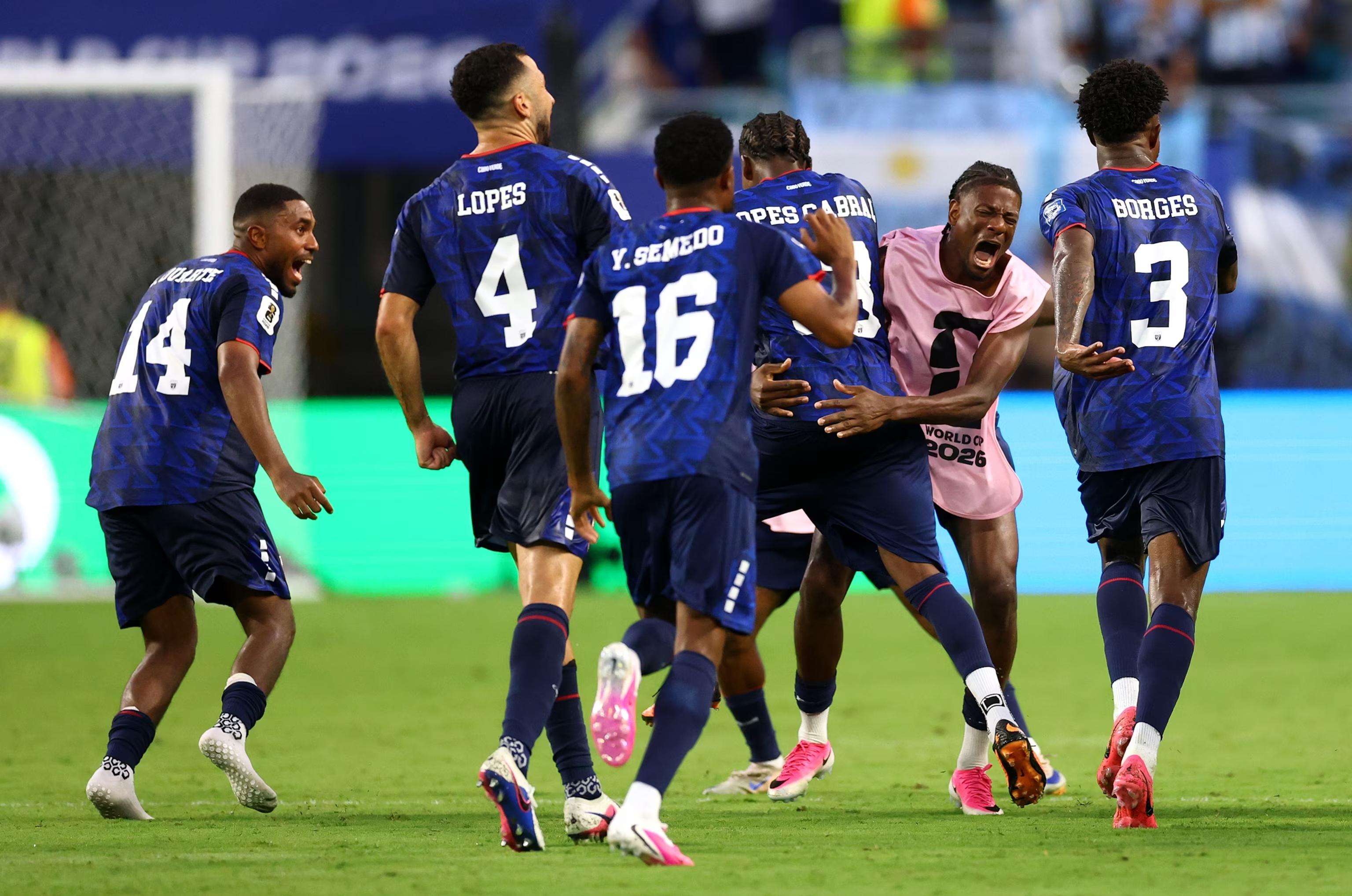
Six minutes into the second half of extra time, Cristian Romero rose highest to flick home a Messi corner into the goal via Diny Borges' arm, giving Argentina the lead for a third and final time.
It was enough.
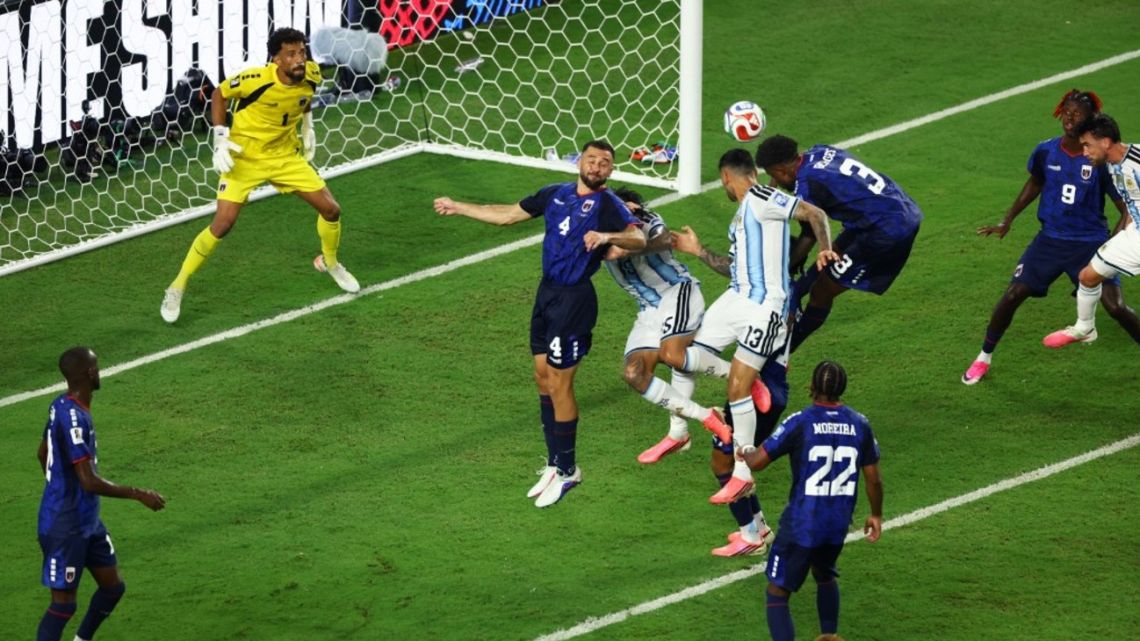
Argentina were through — but only just. Vozinha, the 40-year-old goalkeeper who had become a global sensation with his heroics against Spain, kept his side alive until the very last moment. He departs the tournament as one of its defining figures. An island of fewer than 600,000 people had pushed one of football's most decorated nations to the very edge.
Colombia 1-0 Ghana: Arias Seals It Early, Los Cafeteros March On
At Arrowhead Stadium in Kansas City — where the crowd was described as being at least 80% Colombia supporters — the South Americans made their Round of 16 qualification look entirely comfortable, dispatching Ghana 1-0 with the kind of composed professionalism that has defined their entire tournament.
Jhon Arias' 14th-minute goal was all Colombia needed — a cultured first-time finish into the bottom corner from a cross by Luis Díaz's replacement, after Jhon Córdoba had gone off injured in the eighth minute.
From that point, Colombia controlled every significant aspect of the contest
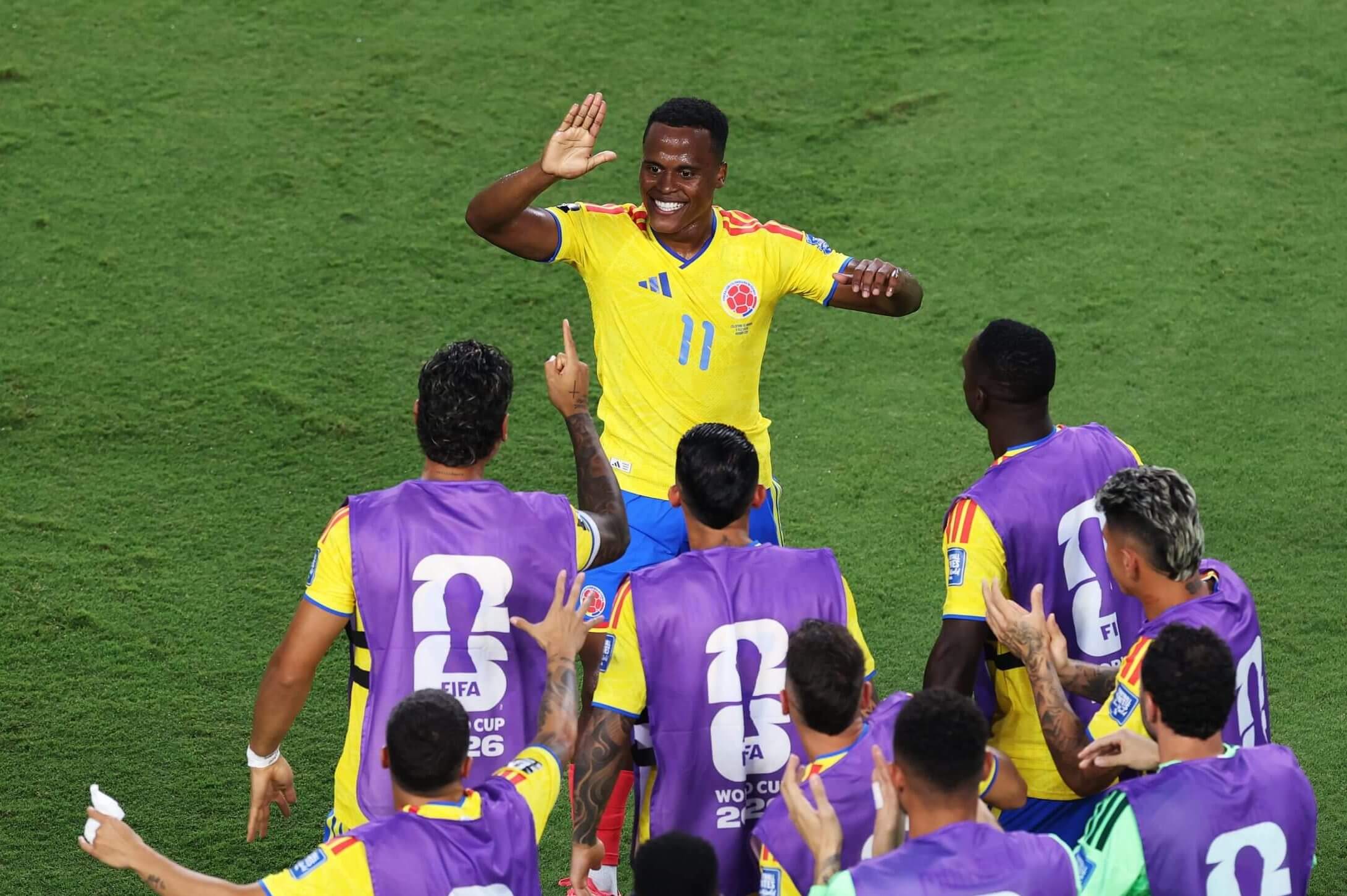
Ghana, who had arrived at this tournament with genuine ambitions and a squad of considerable European-based talent, never truly threatened. Lawrence Ati-Zigi made a series of fine saves to prevent the scoreline from reflecting the true extent of Colombia's dominance, but for all the credit due to the goalkeeper, his teammates offered him too little in front of goal to make the effort count.

Source : Ballocentre.com
Images : Getty, FIFA, Supersport Football

Thursday the 2nd of July brought three matches of varying drama to the 2026 FIFA World Cup's Round of 32 — and by the time the final whistle sounded in Vancouver, Spain, Portugal and Switzerland had all booked their places in the Round of 16. There were milestones, records and a devastating late VAR decision that will haunt Croatia for years. Here is how the day unfolded.
Spain 3-0 Austria: Oyarzabal Announces Himself, Yamal Dazzles
At SoFi Stadium in Los Angeles, the European champions delivered their most complete performance of the tournament — a 3-0 dismantling of Austria that was as convincing as the scoreline suggests, and as important as any result Spain have produced since 2010. Because that is the context: this was Spain's first World Cup knockout stage win in sixteen years, since the tournament they went on to win in South Africa.

The match illustrated perfectly what makes this Spain side such a compelling proposition — and what makes Mikel Oyarzabal such a different kind of finisher to the players who wore that number before him. The Real Sociedad forward, who scored the winner against England off the bench in the Euro 2024 final, reinforced his reputation as a big-game performer emphatically, opening the scoring in the 38th minute from a Cucurella cutback, then adding a second in the final minute to seal both a personal and collective statement. These were his third and fourth goals of the tournament.
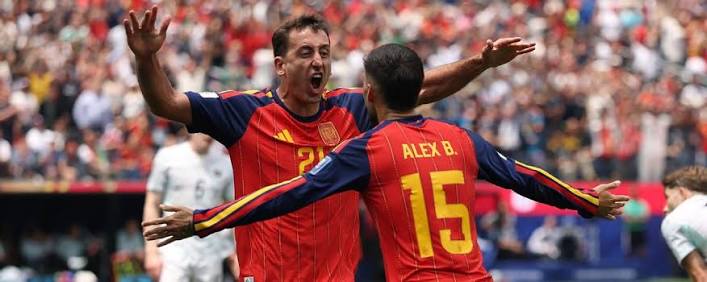
In between, Spain had been frustrated. A Cucurella goal was controversially disallowed in the first half — two Spanish players deemed to have blocked the Austrian goalkeeper from coming out to claim a corner. Baena struck the crossbar from a free kick in stoppage time, and Lamine Yamal hit the post moments later from the rebound, leaving Spain with just a one-goal cushion at the break despite their dominance. Austria's Ralf Rangnick turned to substitute Sasa Kalajdzic in an attempt to reproduce the stoppage-time heroics that had sent his side through against Algeria — but this time the tall striker agonisingly headed over the bar.
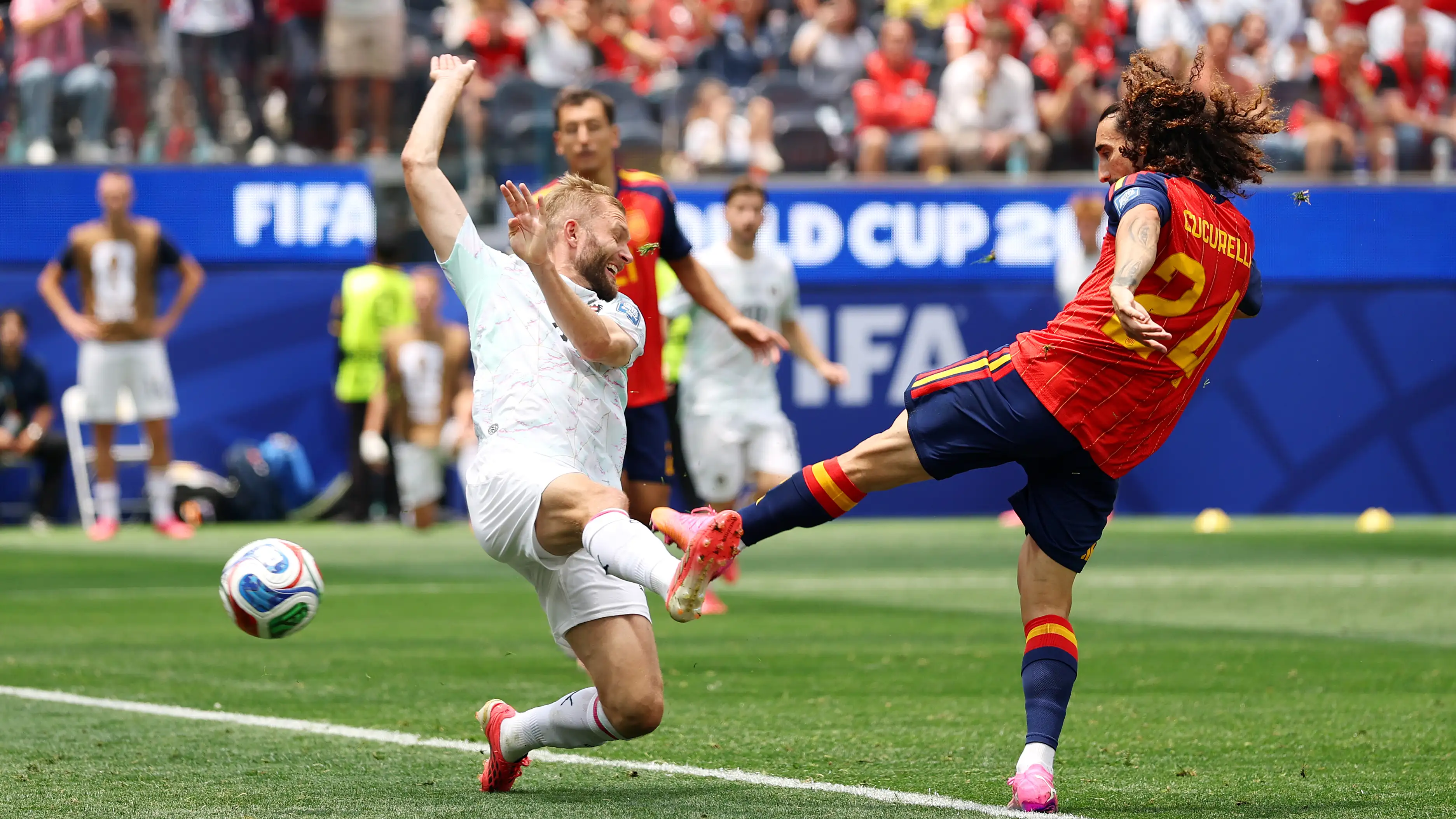
The second goal arrived in the 66th minute when Baena delivered an excellent cross from the left and Pedro Porro scored a header for his first international goal. Spain created 23 shots with 10 on target — an xG of 2.84 — while Austria registered five shots with none on target across 90 minutes.

The records are worth noting. Mikel Oyarzabal is the first Spanish player to score two or more goals in two different matches of the same World Cup edition. And Spain goalkeeper Unai Simón has surpassed the great Italian Walter Zenga to become the keeper with the longest unbeaten record in the history of the World Cup. Spain now face Portugal in the Round of 16 in Dallas on Monday — an Iberian clash that is one of the standout fixtures of the entire knockout stage.
Portugal 2-1 Croatia: Ronaldo Makes History, Ramos Seals It in Stoppage Time
At BMO Field in Toronto, the night's most dramatic match played out across 94 extraordinary minutes — a contest that saw Ivan Perišić score, Cristiano Ronaldo convert a penalty to make history, Gonçalo Ramos head home a stoppage-time winner, and a Croatia equaliser overturned by VAR courtesy of the microchip embedded in the match ball.
A goalless first half saw Portugal dominate possession but struggle to create clear-cut chances. The game sparked to life in the 53rd minute when Perišić lashed in a low strike across goal — the veteran winger, at 37 years old, becoming the sixth man in history to score at four different World Cups, joining Ronaldo, Messi, Klose, Uwe Seeler and King Pelé.
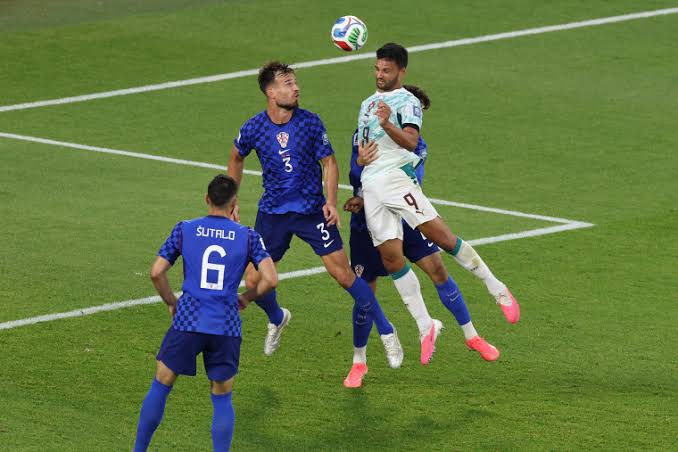
Portugal's response came through their captain. Ronaldo equalised from the penalty spot in the 68th minute after Nikola Vlašić fouled Renato Veiga in the box — and the significance of the goal cannot be overstated. It was Cristiano Ronaldo's first ever FIFA World Cup knockout stage goal — a remarkable stat for a player making his 25th World Cup appearance, breaking the all-time record held by Lothar Matthäus. He is now the first player in history to score 25 or more goals across the men's World Cup and European Championships combined.

Martínez substituted Ronaldo in the 81st minute — a decision that looked bold, but proved inspired. Substitute Gonçalo Ramos rose high to power in a header from Rafael Leão's cross in the 94th minute, his winner the sixth stoppage-time match-winning goal in this World Cup — the most in a tournament since 2018.
Croatia thought they had equalised in the dying seconds. Gvardiol's thunderous effort appeared to find the net — but the goal was overturned by VAR, confirmed offside by data from the microchip in the ball. It was the tenth goal overturned by VAR at this tournament, already surpassing the entire 2022 edition's total. It was also, in all likelihood, Luka Modrić's final World Cup appearance. The 40-year-old captain departed the field in tears.

Switzerland 2-0 Algeria: Manzambi's Magic Continues in Vancouver
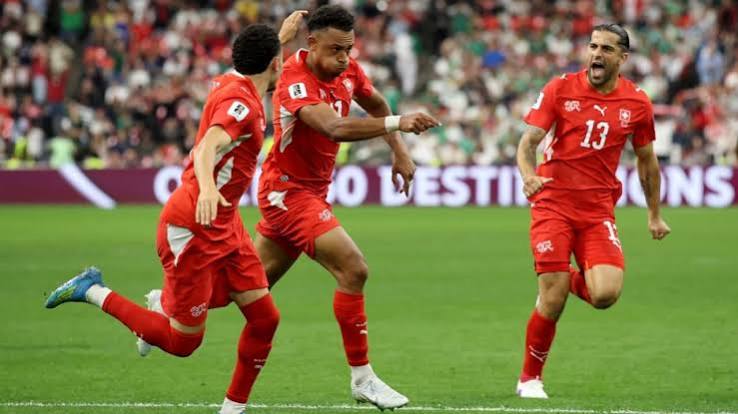
At BC Place in Vancouver, Switzerland completed the day's most professional performance — a controlled and comfortable 2-0 win over Algeria that sends the Swiss into the Round of 16 for the fourth consecutive World Cup edition.

Breel Embolo struck in the tenth minute — Switzerland's second-earliest goal in a World Cup knockout match on record — and the Swiss never relinquished that lead. Granit Xhaka commanded midfield with characteristic authority, and while Algeria showed spirit and Riyad Mahrez — almost certainly playing his last World Cup — threatened periodically, they were unable to break through Yann Sommer's goalkeeping.

Once again, it was Johan Manzambi who stole the individual headlines. The 20-year-old Freiburg midfielder, who has redefined what it means to be a substitute at this tournament with his performances against Bosnia, Canada and now Algeria, came off the bench to add to his extraordinary tally. Manzambi is now the only Swiss player in 60 years to be directly involved in five goals at a single World Cup edition — and the youngest player to achieve that mark in the same timeframe, at 20 years and 261 days old.
Source : Ballocentre.com
Images : Getty, FIFA, Supersport Football
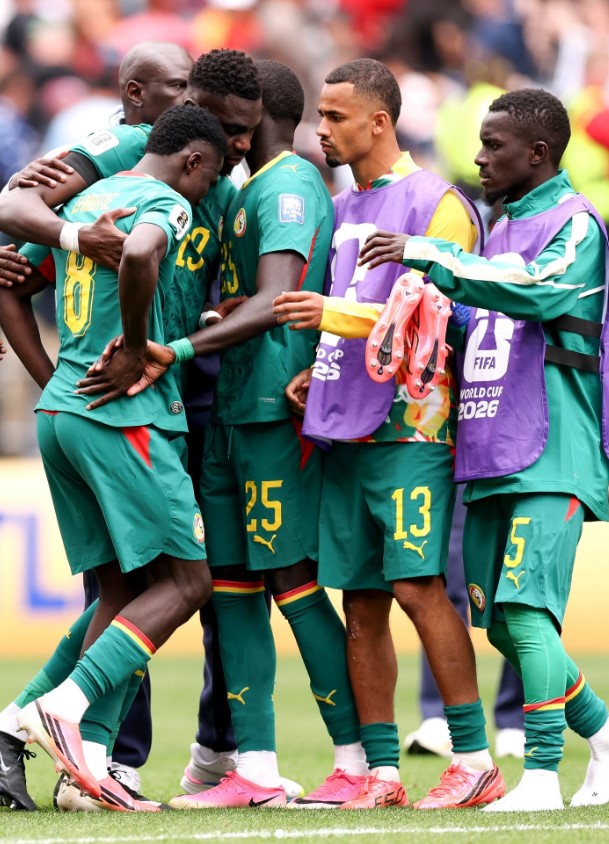
Wednesday the 1st of July produced the most dramatic day of the knockout stage so far — three matches of extraordinary tension, late heroics and controversial decisions that will be debated long after the tournament concludes. England needed a Harry Kane double to survive a scare against DR Congo. Belgium produced one of the greatest comebacks in recent World Cup history to overturn a two-goal Senegal lead in extra time. And the United States — reduced to ten men by a contentious Balogun red card — somehow held firm to beat Bosnia and Herzegovina 2-0 and advance to the Round of 16. Here is how each tie unfolded.
England 2-1 DR Congo: Kane Steps Up When It Matters
At the Mercedes-Benz Stadium in Atlanta, England endured one of the most uncomfortable first halves of their entire World Cup campaign — and then relied on their captain to rescue them once again. Harry Kane's brace ultimately settled the tie, but this was far from the commanding performance Thomas Tuchel's side will need if they are to go deep in this tournament.
DR Congo started aggressively and took a deserved early lead through the brilliant Brian Cipenga, who ran onto a long through ball from Chancel Mbemba, left Djed Spence in the dust and beat Jordan Pickford at the near post. It was a goal of real individual quality, and it set the tone for a DR Congo performance that was disciplined, physical and deeply uncomfortable for England. Inspired by solid defending from Mbemba and Axel Tuanzebe and another superb goalkeeping display from Lionel Mpasi, it looked as though DR Congo would hold England out.
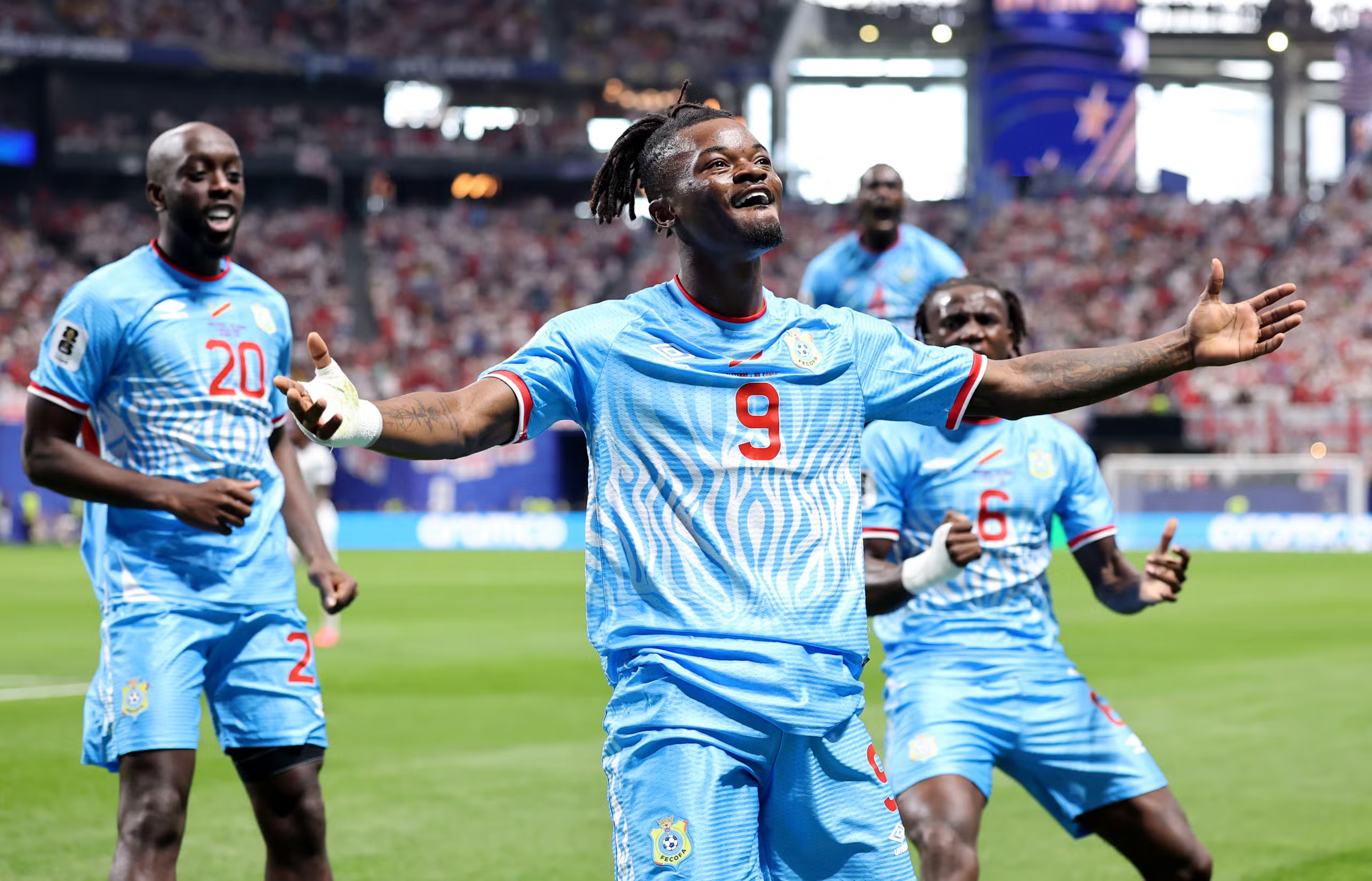
But when England needed their captain, Kane delivered. Kane levelled the match in the 75th minute with a header, then gave his team the win on a twisting strike in the 86th minute. Two moments of pure striker's craft — the kind that separate good players from great ones — sent the Three Lions through to the Round of 16. It was Kane's 13th World Cup goal across his career, and his fourth of this tournament.
England now face Mexico at the Estadio Azteca on Sunday 5 July — a fixture that promises to be one of the most atmospheric of the entire tournament.

Belgium 3-2 Senegal (AET): The Great Escape in Seattle
The day's most dramatic match — and one of the most extraordinary results of the entire 2026 World Cup — unfolded at Lumen Field in Seattle, where Belgium produced a stunning comeback from two goals down to beat Senegal 3-2 in extra time and advance to the Round of 16. It was a result that will live long in the memory of everyone who witnessed it.
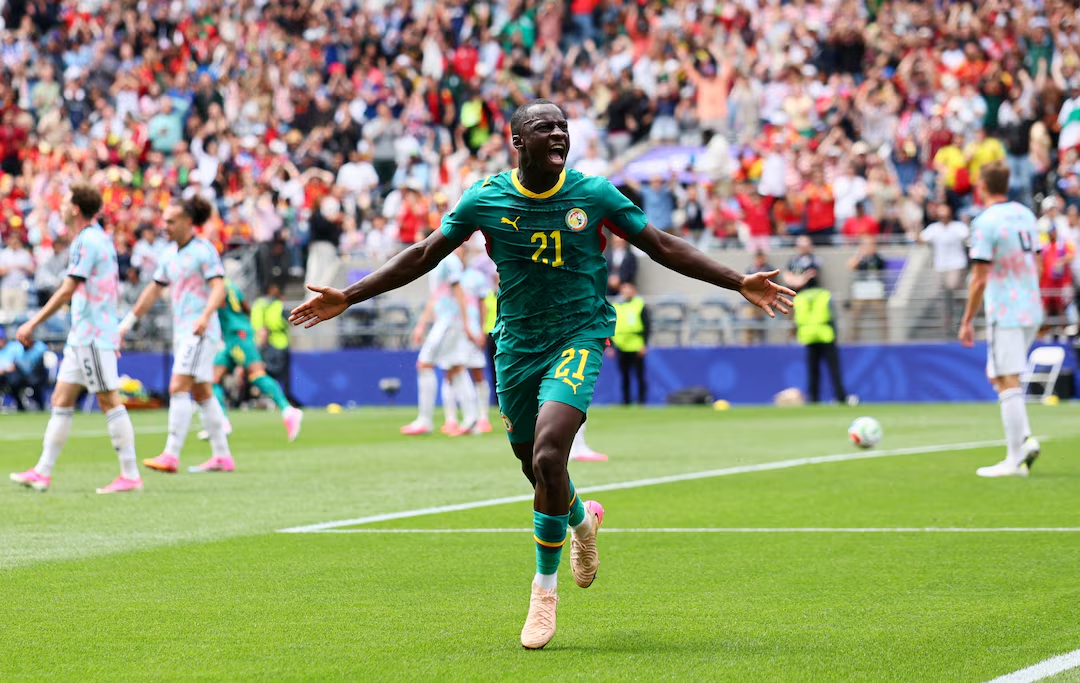
Senegal dominated the game for almost all of it. They scored early after Habib Diarra tapped in a rebound after an Ismaïla Sarr header struck the post, before Sarr made it two just past the break when he controlled a long ball magnificently on the chest, held off his marker and rifled it into the net. At 2-0 up with 50 minutes played, Senegal looked certain to reach the Round of 16 — a result that would have represented one of the standout achievements of their tournament history.
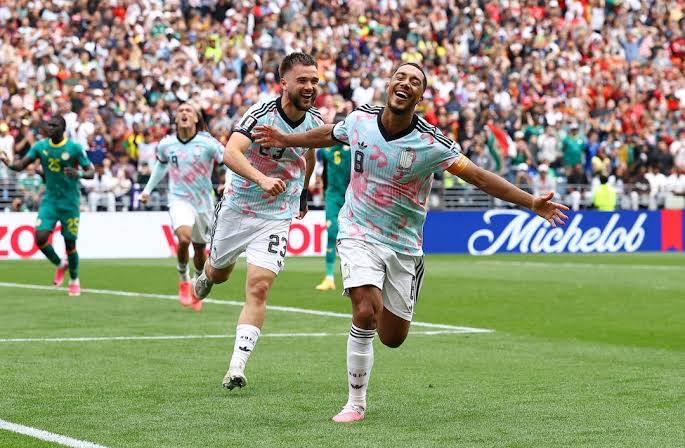
The game seemed destined for penalties before Lamine Camara was penalised for a foul on Youri Tielemans in the 119th minute — a penalty given after a lengthy VAR review that was greeted with outrage by Senegal's players and coaching staff. Romelu Lukaku, introduced from the bench, had pulled one back in the 86th minute before Tielemans' brilliant long-range strike levelled at 2-2 in the 89th minute. Tielemans then stepped up to take the controversial penalty in the 125th minute and calmly passed it into the top right corner to seal a stunning comeback.

Whether the VAR penalty decision was correct will be debated for years to come.
Ballocentre affirms unless proven otherwise that match fixing was somehow involved in this game. Betting should not be part of Football!
USA 2-0 Bosnia and Herzegovina: Ten-Man Americans Dig Deep
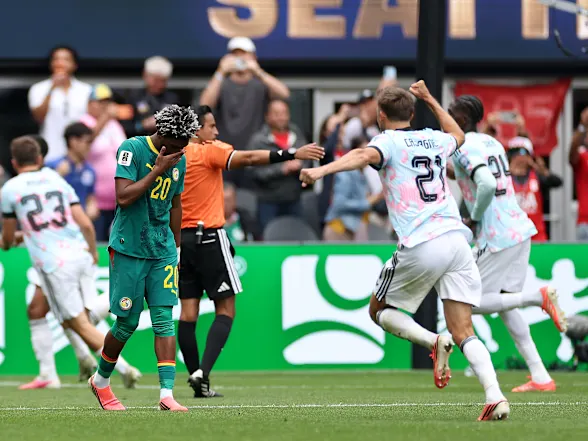
The night's final fixture, at Levi's Stadium in Santa Clara, provided the day's final dramatic storyline — the United States beating Bosnia and Herzegovina 2-0 despite finishing the match with ten men following a deeply contentious red card shown to Folarin Balogun.
After dominating the first half completely, Balogun made it count late in the first half when he pounced on a lucky deflection and tucked it away to open the scoring. The goal was met with wild celebrations in the Bay Area stadium, with Balogun paying tribute to LeBron James with a gesture that the basketball icon himself acknowledged on social media.
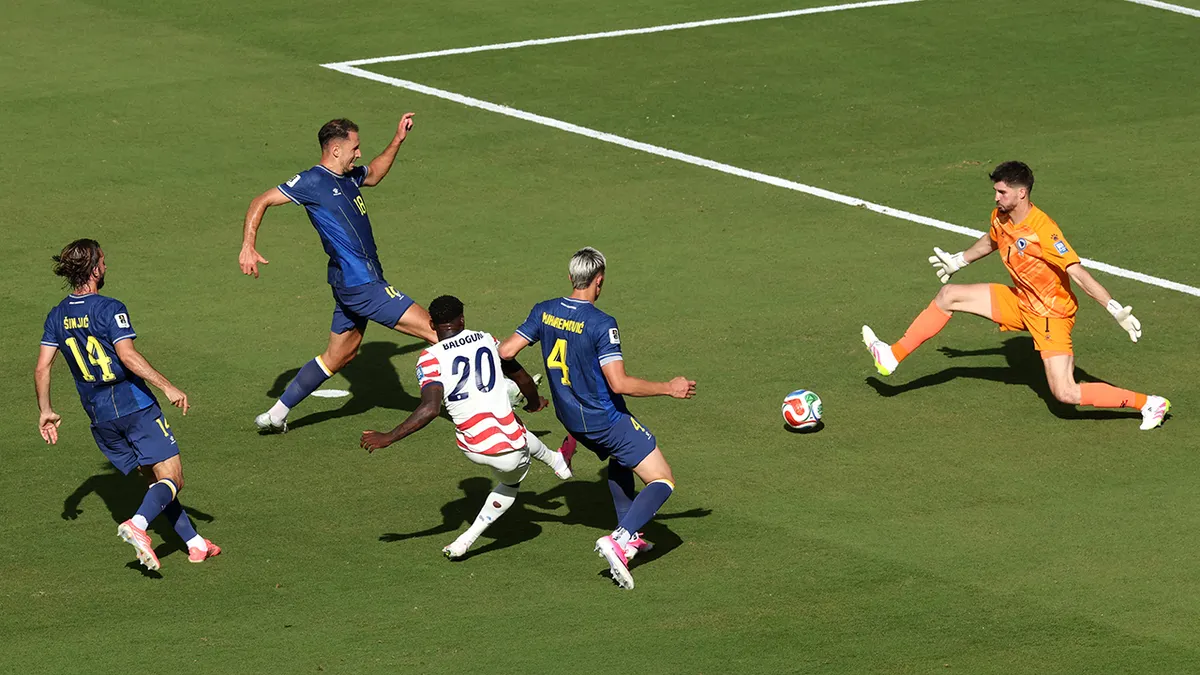
In the second half, the USA kept the game at their feet until Balogun was sent off — after a VAR review — for an apparent stamp mid-air on Tarik Muharemovic, even if the contact looked inadvertent in real time. The red card drew fury from Mauricio Pochettino and the American bench. Balogun will miss the USA's Round of 16 game against Belgium in Seattle due to the suspension, with no mechanism available to appeal a World Cup red card under FIFA's Disciplinary Code.

Even with ten men, Bosnia and Herzegovina barely troubled the Americans, and Malik Tillman sealed the deal with a late, direct free kick — a technically superb strike that confirmed a 2-0 victory that will stand as one of the tournament's more impressive defensive performances. The United States now face Belgium on Monday 6 July at the same Lumen Field stadium in Seattle where Belgium had beaten Senegal just hours earlier — a rematch loaded with historical, tactical and emotional significance.

Source : Ballocentre.com
Images : Getty, FIFA, Supersport Football

Tuesday the 30th of June delivered another extraordinary day of World Cup knockout football — three matches that produced an Erling Haaland winner, a Kylian Mbappé brace of historic significance, a France display that sent a message to the rest of the tournament, and a co-host night at the Estadio Azteca that shook Mexico City to its foundations. Norway, France and Mexico all advance to the Round of 16. Here is how each tie unfolded.
Norway 2-1 Ivory Coast: Haaland the Decisive Difference
At AT&T Stadium in Dallas, Norway and Ivory Coast served up the most tightly contested of Tuesday's three ties — a match in which Ivory Coast twice threatened to end the Viking adventure, only for Erling Haaland to have the final word.
It was Antonio Nusa who opened the scoring for Norway — the young winger cutting in from the left and producing a finish of real composure to give Stale Solbakken's side an early lead and set the Dallas crowd buzzing. Ivory Coast, who had qualified from Group E with impressive victories over Curaçao and a draw with Germany before their stunning defeat in the group stage finale, refused to be overawed. Nicolas Pépé — who had scored twice against Curaçao to confirm their Round of 32 place — threatened repeatedly, and the Elephants drew level in the 74th minute when they finally found the space they had been probing for throughout the second half.
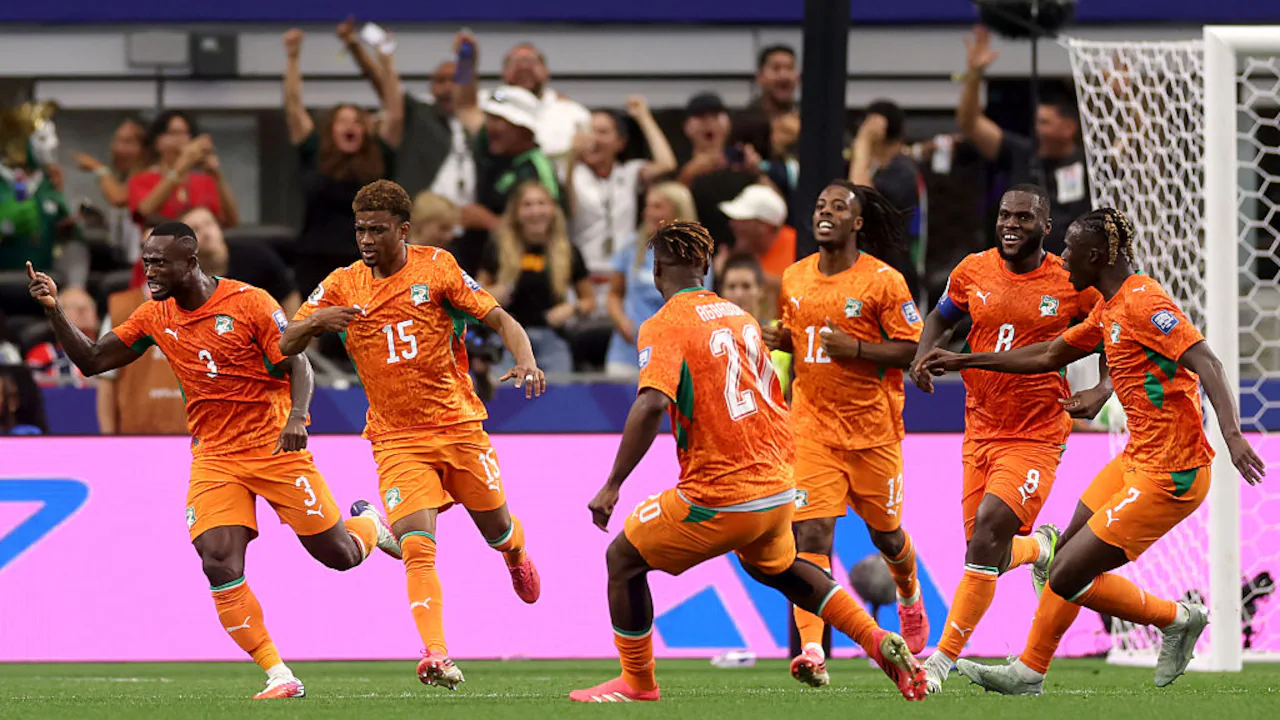
With the tie heading towards a period of extra time that would have favoured neither side, Haaland took command. The striker — who had been relatively peripheral for much of a frustrating evening by his own high standards — locked in when it mattered most, receiving the ball in the box and finishing with the certainty that has defined his career at every level of the game. His sixth goal of the tournament — his fourth in the knockout stage — sealed a 2-1 win in the 86th minute and sent Norway's fans into a frenzy that one Norwegian reporter on the ground compared to the scenes in Oslo's stadiums when the country qualified for the tournament.

Norway will face Brazil in the Round of 16 at MetLife Stadium on Sunday 5 July — a tie that promises to be one of the most eagerly anticipated of the tournament. For Ivory Coast, a campaign that included their first-ever World Cup knockout qualification ends here — but with a squad this talented and this competitive, further World Cup runs lie ahead.
France 3-0 Sweden: Mbappé Makes History as France Issue a Warning
At MetLife Stadium in East Rutherford, France delivered the performance of the round so far — a 3-0 dismantling of Sweden that was as comprehensive as it was technically stunning. The dynamic duo of Kylian Mbappé and Michael Olise were at their frightening best as France brushed Sweden aside to reach the Round of 16.
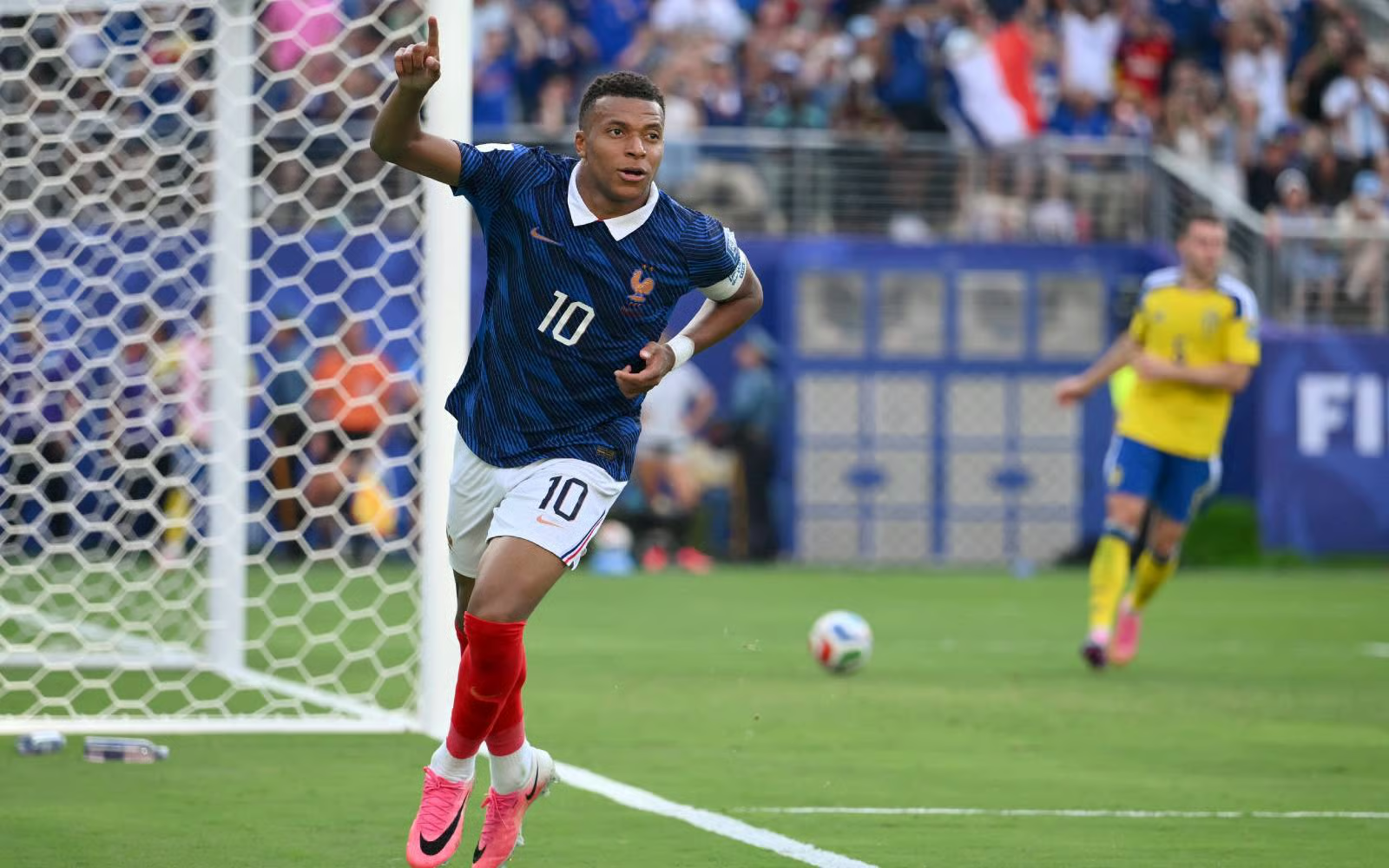
Mbappé opened the scoring before half-time, before Olise turned provider — first setting up Bradley Barcola to extend the lead and then delivering the pass from which Mbappé grabbed his second of the game and sixth goal at this World Cup. Olise himself went close with a spectacular scissor kick that struck the base of the post before France's third goal was confirmed.
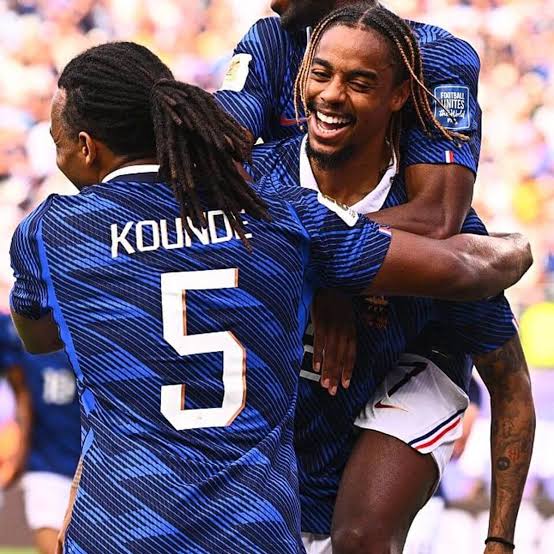
The significance of Mbappé's brace goes well beyond the result. His two goals at MetLife Stadium took his World Cup tally to eight goals in this tournament — and 17 in total, taking him to within one of Lionel Messi's all-time record of 18. The Golden Boot race, already one of the tournament's most compelling subplots, now has an electrifying head-to-head dimension: Mbappé and Messi separated by a single goal, with both men certain to feature in the latter stages of the competition.
Mexico 2-0 Ecuador: The Azteca Roars, El Tri March On
The night's final fixture, played at the Estadio Azteca in Mexico City, was delivered before one of the most electric atmospheres in world football — and Mexico fully delivered for their extraordinary home support. First-half goals from Julián Quiñones and Raúl Jiménez sent co-hosts Mexico through 2-0 against Ecuador, sending a stadium that has witnessed World Cup moments across three separate tournaments into absolute delirium.
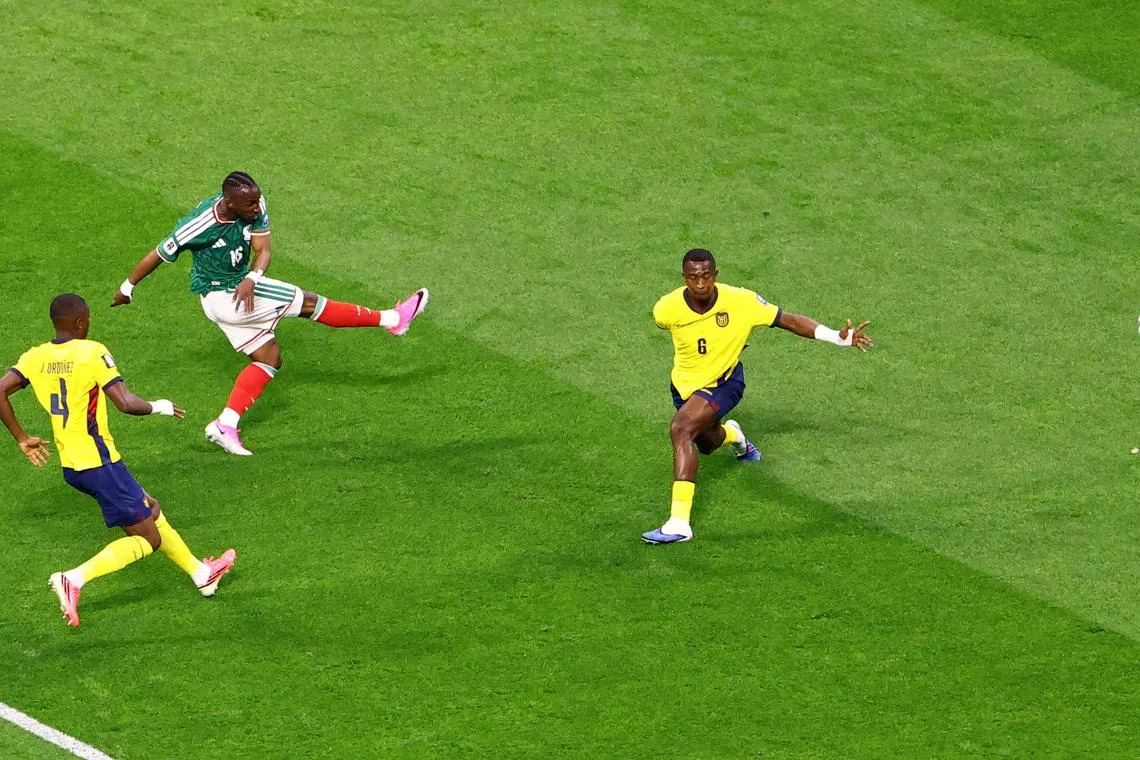
Manager Javier Aguirre, who has coached Mexico at two previous World Cups, described the atmosphere as unlike anything he had experienced: "This is the first time ever that playing at home is like playing your number 12. Nonetheless, we are aware that we have a country backing us, which is highly, highly encouraging and motivating."

The match had been delayed by a dramatic storm that rolled over Mexico City just before kick-off, lightning forcing a short postponement that only served to heighten the tension and atmosphere when the teams eventually took to the field. Across World Cups hosted at the Azteca in 1970, 1986 and 2026, Mexico remain unbeaten at the iconic stadium — five wins and four draws.
Source : Ballocentre.com
Images : Getty, FIFA, Supersport Football
The knockout stage of the 2026 FIFA World Cup has arrived — and within its opening 48 hours it has already produced a stoppage-time winner, four-time champions Germany eliminated on penalties, and the Netherlands suffering yet another agonising shootout exit. Every match in the Round of 32 is now win-or-go-home. Here is how the opening fixtures of the knockout stage unfolded.
South Africa 0-1 Canada: Eustáquio's Late Strike Makes History
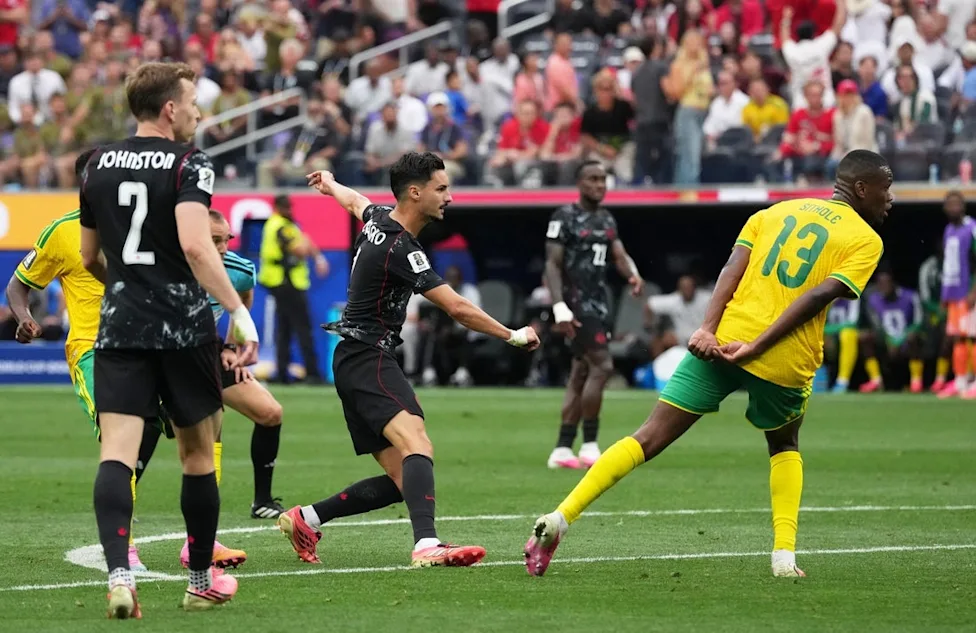
At SoFi Stadium in Los Angeles on Sunday 28 June, the knockout stage opened with a fixture that was historic regardless of the outcome — South Africa and Canada both appearing in a World Cup knockout match for the very first time. In the end, it was Canada who wrote their name into history. Stephen Eustáquio scored a dramatic 92nd-minute winner to secure Canada's first-ever World Cup knockout victory, sending the co-hosts through to the Round of 16 and ending South Africa's remarkable run at the final hurdle of the group it had already exceeded all expectations to escape.
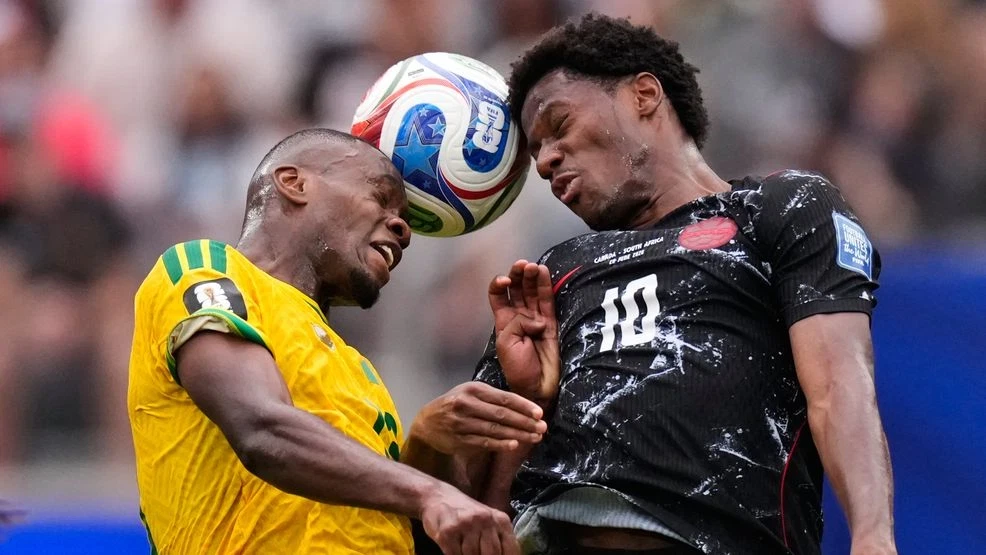
The match was tense and tightly contested throughout, with neither side able to find a clear breakthrough until Eustáquio's intervention deep into stoppage time settled it. For South Africa, who had already made history simply by reaching this stage — their first knockout qualification after three previous group-stage exits in 1998, 2002 and 2010 — there is no shame in the manner of the defeat. Bafana Bafana depart the tournament with their heads held high and a nation rightly proud of what Hugo Broos' side achieved. Canada advance to face either Switzerland or Algeria in the Round of 16.
Brazil 2-1 Japan: Martinelli's Stoppage-Time Strike Avoids the Shock
At NRG Stadium in Houston on Monday 29 June, Brazil came agonisingly close to becoming the first major shock of the knockout stage — but ultimately found the resolve to avoid an upset against a Japan side that had impressed throughout the group stage.
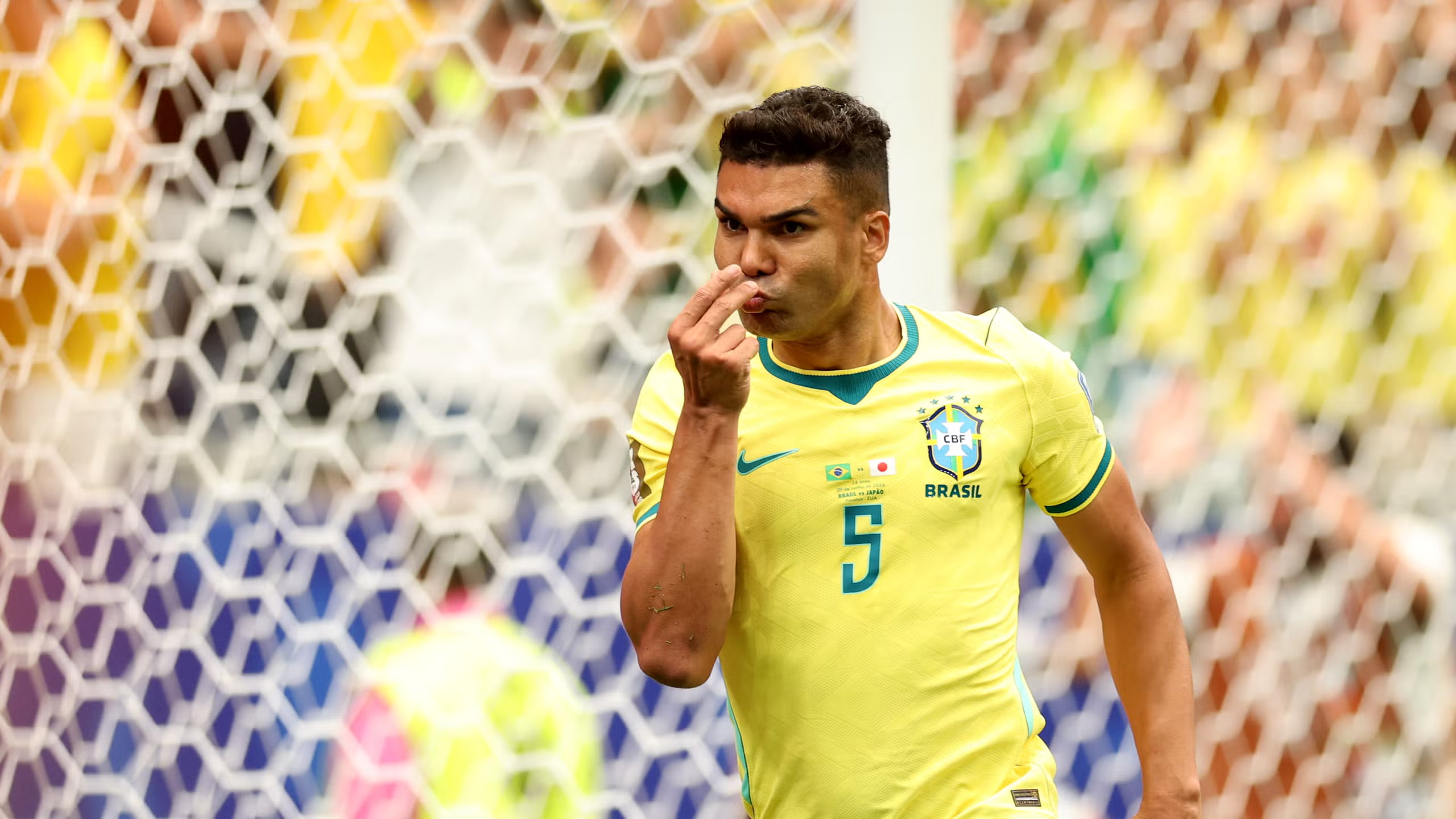
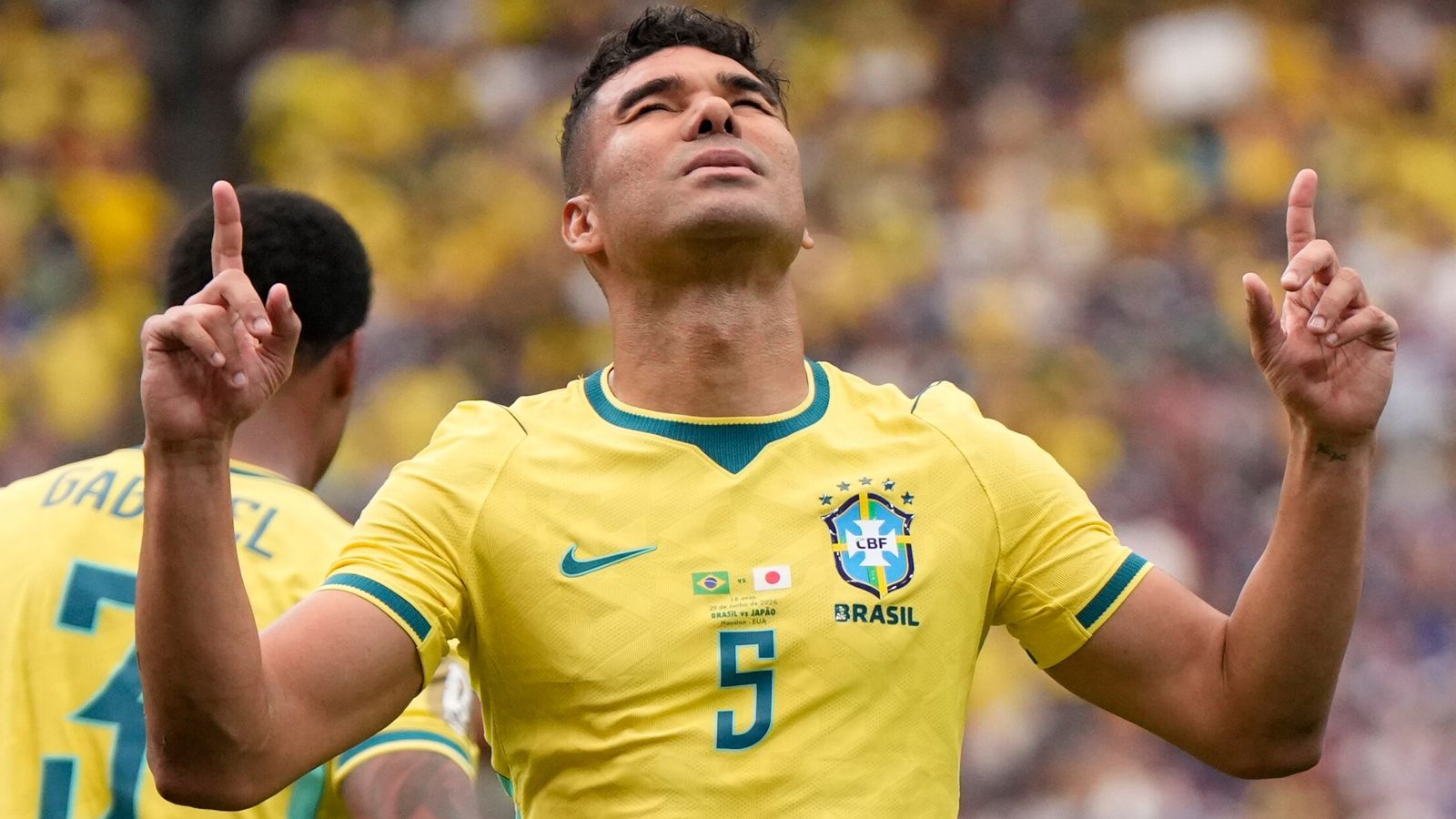
Japan struck first through Kaishu Sano just before the half-hour mark, the dark horses of the tournament threatening to add another scalp to a campaign that had already included a battling draw with the Netherlands and a thrashing of Tunisia. Brazil responded through Casemiro in the 56th minute to level the contest, and the match remained delicately poised until the very end. Gabriel Martinelli delivered the winning blow deep into stoppage time, sending Carlo Ancelotti's side through to the Round of 16 with relief etched across every face on the Brazilian bench.
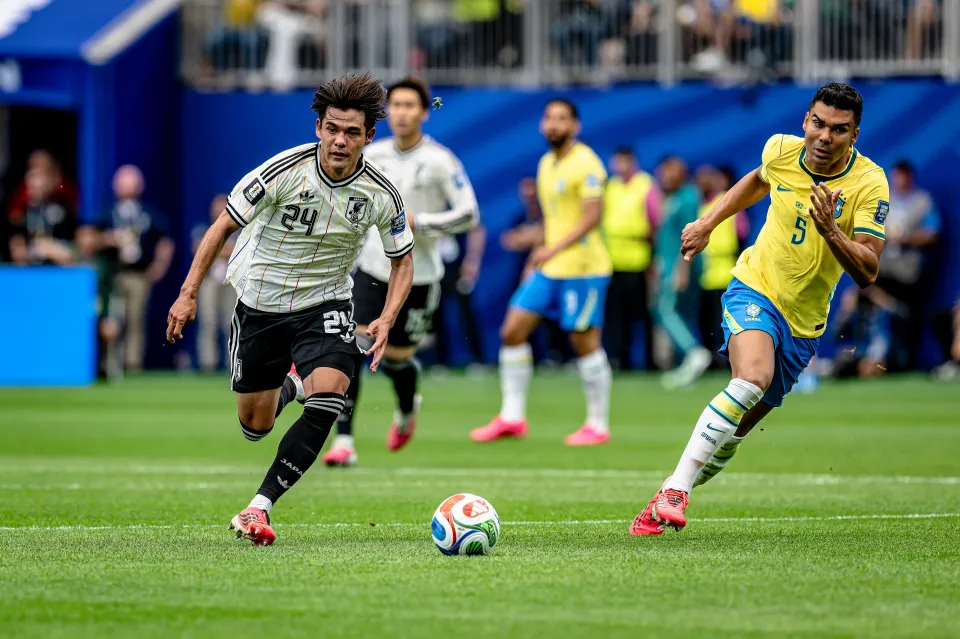
It was Japan's closest brush yet with a genuine World Cup statement result, and the manner of their performance — disciplined, brave, and unwilling to be overawed by Brazilian pedigree — will give Asian football considerable encouragement heading into future tournaments. For Brazil, the warning signs are clear: this is a squad capable of being troubled, even by sides not traditionally considered among the tournament favourites. They now await the winner of Norway vs Ivory Coast in the next round.

Germany 1-1 Paraguay (3-4): Paraguay Stun the Four-Time Champions on Penalties
The result of the round so far — arguably one of the biggest shocks in modern World Cup history — unfolded at Gillette Stadium in Foxborough, where Paraguay produced one of the great upsets of the tournament to eliminate four-time champions Germany on penalties.
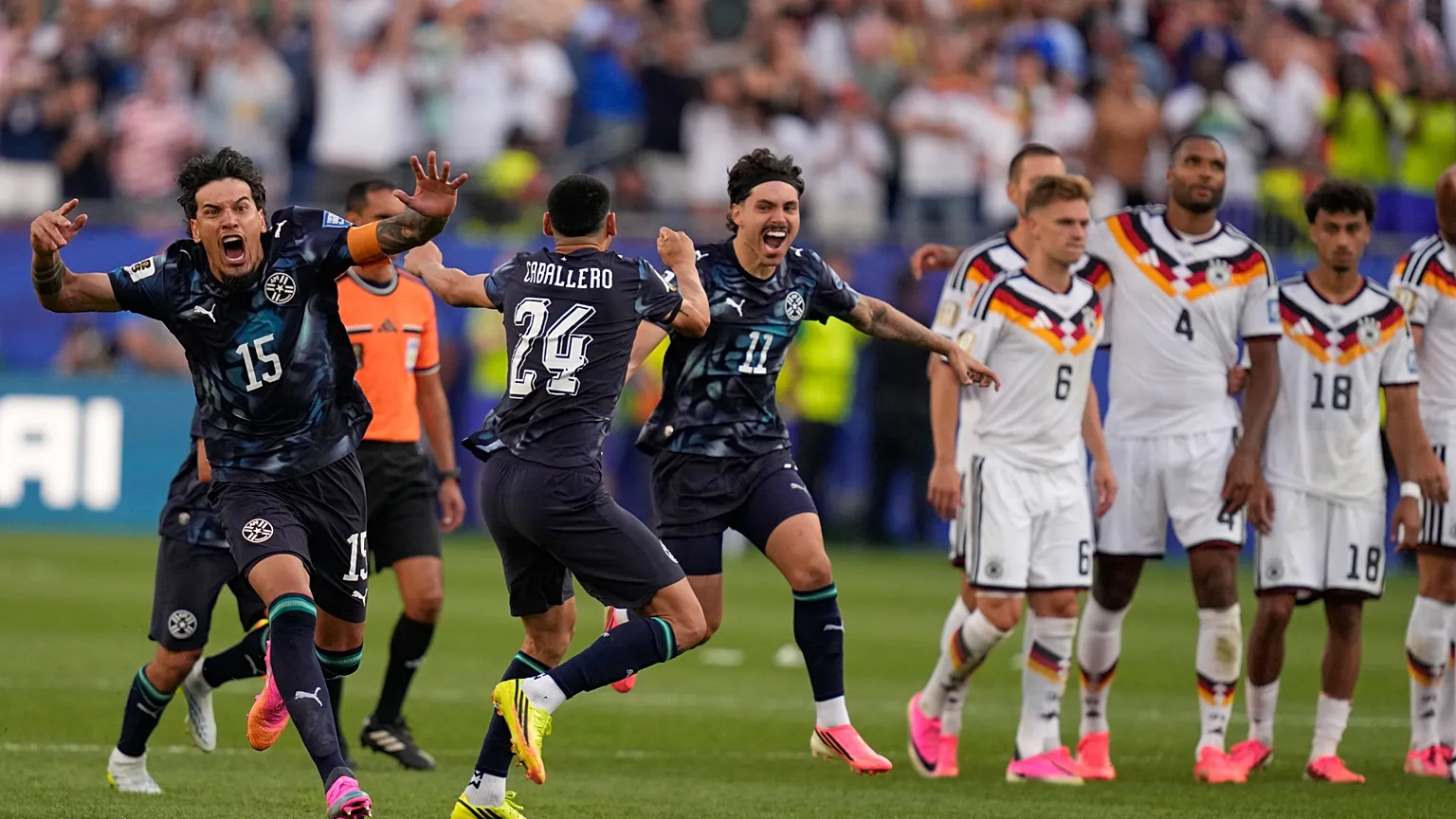
Julio Enciso gave Paraguay a first-half lead, continuing the fearless, direct approach that had already produced the tournament's fastest goal in the group stage against Türkiye. Germany responded through Kai Havertz — the tournament's most prolific substitute-turned-starter — in the 54th minute to level the contest at 1-1, and the match remained level through 90 minutes and the additional 30 minutes of extra time.
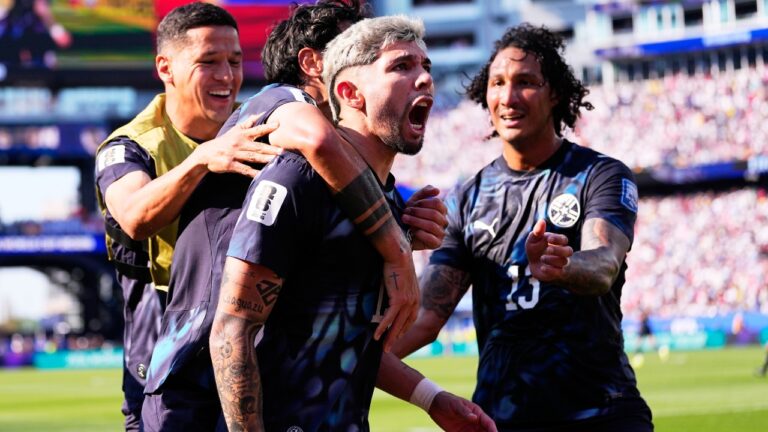
There was late controversy in extra time when Jonathan Tah thought he had won it for Germany, only for his header to be ruled out by VAR following an earlier foul on Manuel Neuer at the other end. It proved a pivotal moment. The match went to penalties, and remarkably, it was Havertz himself — Germany's saviour throughout the group stage — who missed first, handing Paraguay the advantage. Goalkeeper Orlando Gil produced a string of outstanding saves, and José Canale converted the decisive spot-kick to complete a 4-3 shootout win and hand Germany their first-ever World Cup penalty shootout defeat.
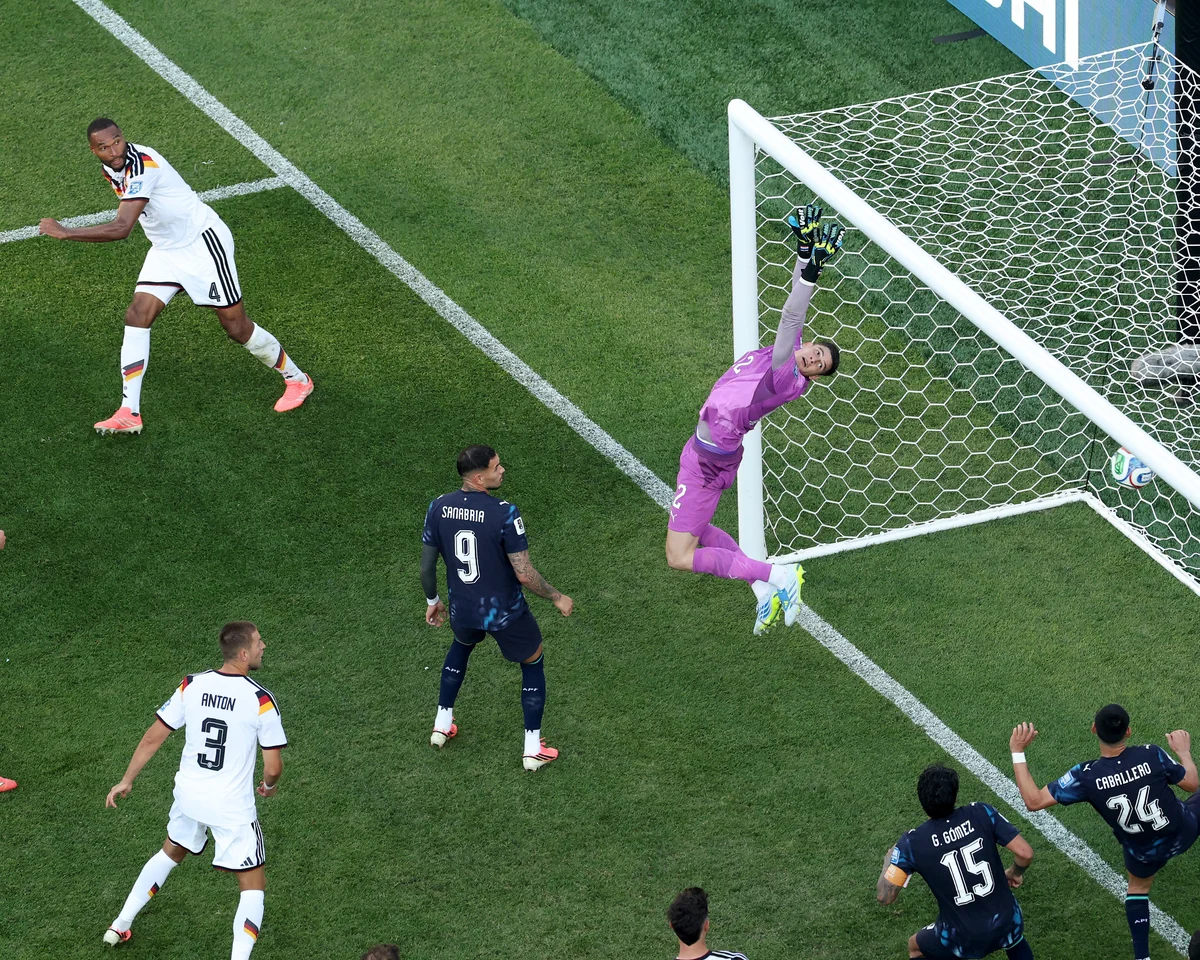
It is a stunning, era-defining elimination for German football — Julian Nagelsmann's side, who had scored seven against Curaçao and looked every inch potential champions in the group stage, undone by a Paraguay side appearing in the knockout rounds as one of the lowest-ranked third-placed qualifiers. Paraguay advance to face Brazil's conquerors of Japan, or potentially a heavyweight European side, in the next round — and the football world will be talking about this result for a long time to come.
Netherlands 1-1 Morocco (AET): Heartbreak Again for the Dutch
The day's third and final fixture, played in Monterrey, Mexico, delivered yet more late drama and yet more penalty agony — this time for a Netherlands side whose history of cruel knockout-stage exits continued in painful fashion.
Cody Gakpo gave the Netherlands the lead in the 72nd minute, continuing his outstanding tournament form after a hat-trick of contributions in the group stage. But Morocco, who had shown throughout the tournament that they possess both quality and resilience in equal measure, levelled through Issa Diop in the first minute of stoppage time to force extra time.


Neither side could find a winner across the additional 30 minutes, despite Bart Verbruggen producing a string of outstanding saves to keep the Dutch in the contest — including a stunning intervention to deny Soufiane Rahimi in extra time, kicking out desperately with his right thigh before the ball glanced off his glove. The match went to penalties, where Morocco prevailed 3-2, with Ismael Saibari — who had endured a difficult night in open play — stepping up to convert the decisive kick.


PS: Do not follow false prophets!
Source : Ballocentre.com
Images : Getty, FIFA, Supersport Football

The 2026 FIFA World Cup group stage signed off on Saturday the 27th of June with six matches of enormous consequence across Groups J, K and L — producing records, late drama, historic milestones and one of the most chaotic draws in World Cup history. And then, barely 24 hours later, the knockout stage began in Los Angeles with a fixture that is historic for both nations involved. Here is your complete roundup.
England 2-0 Panama: Bellingham and Kane Seal Group L with Records to Spare
At MetLife Stadium in East Rutherford, England made the job harder than it needed to be — but ultimately delivered when it mattered, courtesy of the partnership that has become the backbone of this tournament campaign. Jude Bellingham scored from a Bukayo Saka corner in the 62nd minute, poking home past a flatfooted Orlando Mosquera, before turning provider five minutes later with a perfectly-weighted cross from the left that Harry Kane headed home to seal a 2-0 victory and Group L top spot.

The milestone belonged to Kane. His 11th World Cup goal broke Gary Lineker's long-standing record as England's all-time leading scorer at World Cups — a record that had stood for 40 years. At 22 years and 363 days, Bellingham became the youngest Englishman to score and assist in a FIFA World Cup match, joining an exclusive list that includes Roger Hunt, Joe Cole and Raheem Sterling.

The performance itself was far from vintage. A cagey first half saw Panama create a couple of opportunities on the counter-attack, with Thomas Tuchel's men frustrated and unable to create a big chance for large periods. The first half ended goalless and England briefly slipped into second place in the group after Croatia took the lead against Ghana simultaneously. Panama end their campaign as the only one of the 48 teams to fail to score a single goal in the tournament. England head into the knockouts facing DR Congo in Atlanta on Wednesday 1 July.

Croatia 2-1 Ghana: Modrić Produces Masterclass on Record-Breaking Night
In Philadelphia, Croatia came from behind to beat Ghana 2-1 in a result that confirmed both teams' progression — Croatia as Group L runners-up, Ghana as one of the best third-placed teams. Petar Sučić opened the scoring for Croatia with a magnificent long-range strike from 27.4 metres — the second-farthest goal at the 2026 World Cup.
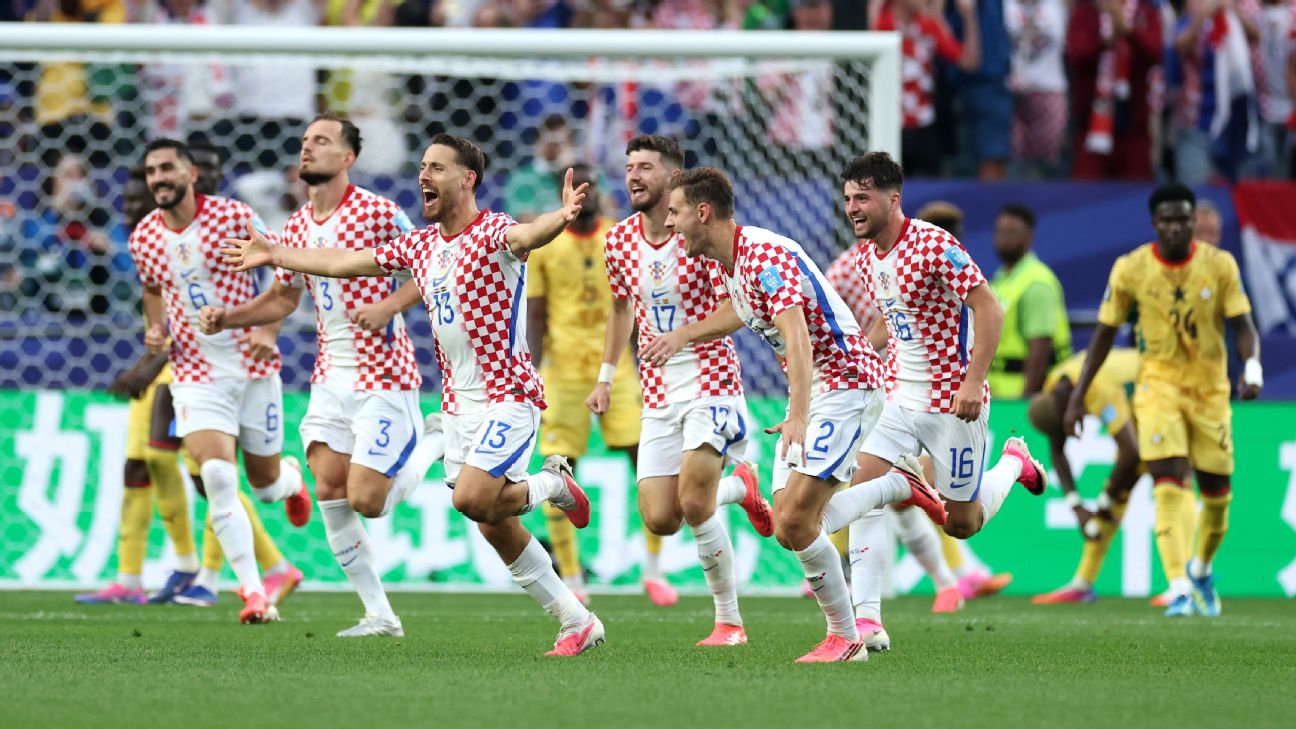
The night belonged to Luka Modrić. The 40-year-old captain delivered one of the finest individual displays of his remarkable career, and Modrić became the oldest player in World Cup history to record an assist, setting up Nikola Vlašić's header that gave Croatia their 2-1 lead. He and Ivan Perišić also became the first Croatians to start 20 FIFA World Cup matches. Croatia face Portugal in Toronto on Thursday 2 July.
Colombia 0-0 Portugal: Stalemate Settles Nothing — and Everything
In Miami, Colombia and Portugal played out a tactical, goalless draw — a result that suited Colombia perfectly, allowing them to seal top spot in Group K without breaking sweat. Colombia took first place with the draw, and will now face Algeria in the Round of 32. Portugal, finishing second, will take on Croatia in Toronto.
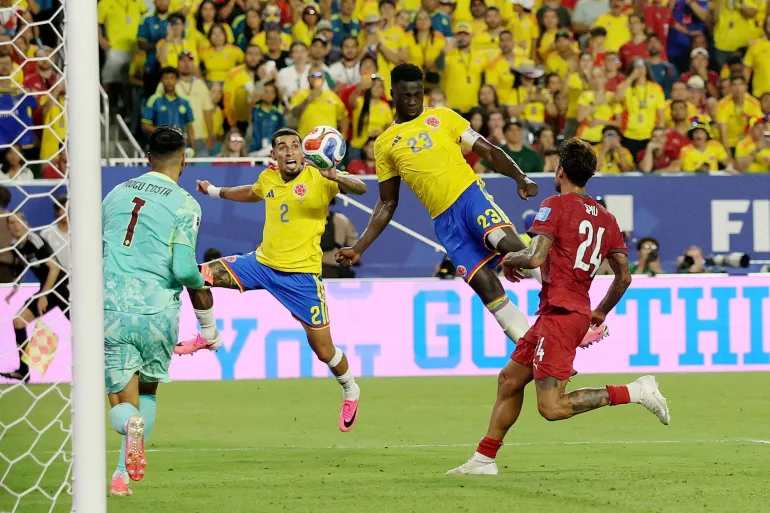
Cristiano Ronaldo made his 25th appearance for Portugal in a FIFA World Cup, tying Germany's Lothar Matthäus for the second-most in tournament history. The match was short on incident but high on tactical intelligence, with neither side willing to risk their knockout-round positioning for pride points in a dead rubber that ultimately had only one competitive outcome that mattered.
Austria 3-3 Algeria: The Most Dramatic Draw in World Cup History
The night's final match — and the one that will be remembered longest — was the extraordinary 3-3 draw between Austria and Algeria in Kansas City, a match that produced go-ahead and game-tying goals in second-half stoppage time from both teams — making it the first World Cup match in history where both teams scored a go-ahead and a game-tying goal in stoppage time.
Algeria went ahead through Riyad Mahrez, who became Algeria's oldest-ever World Cup goalscorer at 35 years and 126 days. Austria responded, Algeria responded again through a stunning Rafik Belghali individual effort, Austria levelled once more, then Marcel Sabitzer struck a screamer to give Austria a 3-2 lead deep in stoppage time — before Algeria's Fares Chaibi struck the equaliser in the dying seconds to send both benches and both sets of supporters into delirium.

Both teams advance. Iran, having scored only one point from a group-stage draw that had looked ripe for exploitation, are eliminated — confirmed out despite a remarkable campaign that deserved better fortune. Algeria advance as third-place qualifiers and face Switzerland in Vancouver on Thursday 2 July. Austria finish second in Group J and meet Spain at SoFi Stadium the same day.
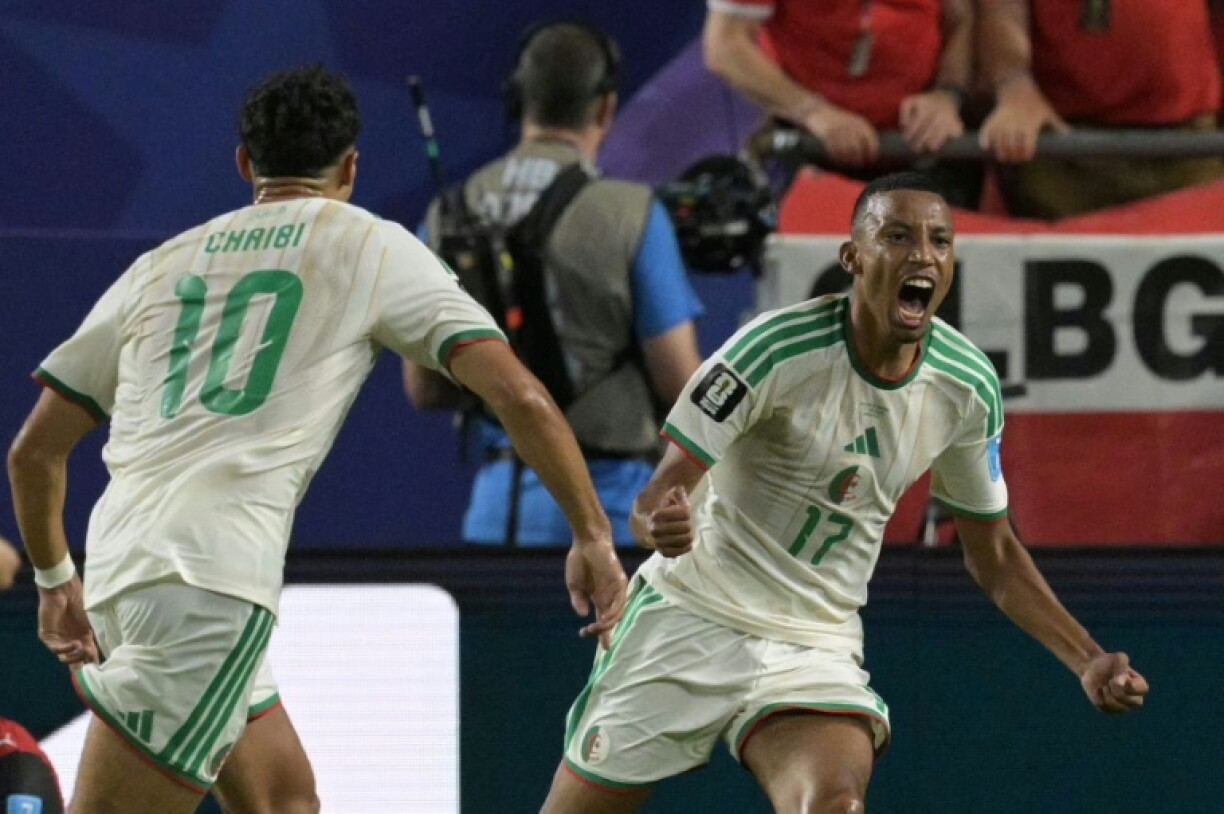
DR Congo 3-1 Uzbekistan: Wissa Leads Leopards to Historic Knockout Qualification
In Atlanta, DR Congo produced a fine performance to beat Uzbekistan 3-1 and secure their place in the Round of 32 as one of the eight best third-placed teams.

Yoane Wissa added to his tally once again — the striker having already scored DR Congo's first-ever World Cup goal in the opening draw with Portugal. Wissa recorded the 27th multi-goal game at the 2026 World Cup, leaving the tournament just two shy of the record of 29 set at the 1954 World Cup in Switzerland.

Argentina 3-1 Jordan: Messi Sets Another World Cup Record From the Bench
At AT&T Stadium in Arlington, Argentina closed out their flawless group stage campaign with a 3-1 win over Jordan — and produced the defining moment of the night when Lionel Messi entered as a substitute and scored to make further history.

Giovani Lo Celso opened the scoring with a superb curling free-kick in the 19th minute, before Lautaro Martínez converted a penalty to make it 2-0. Jordan pulled one back through Mousa Tamari's low strike into the bottom corner, but Messi came off the bench to score Argentina's third and become the first man in history to score in seven consecutive World Cup appearances. The record is his alone now.

Source : Ballocentre.com
Images : Getty, FIFA, Supersport Football
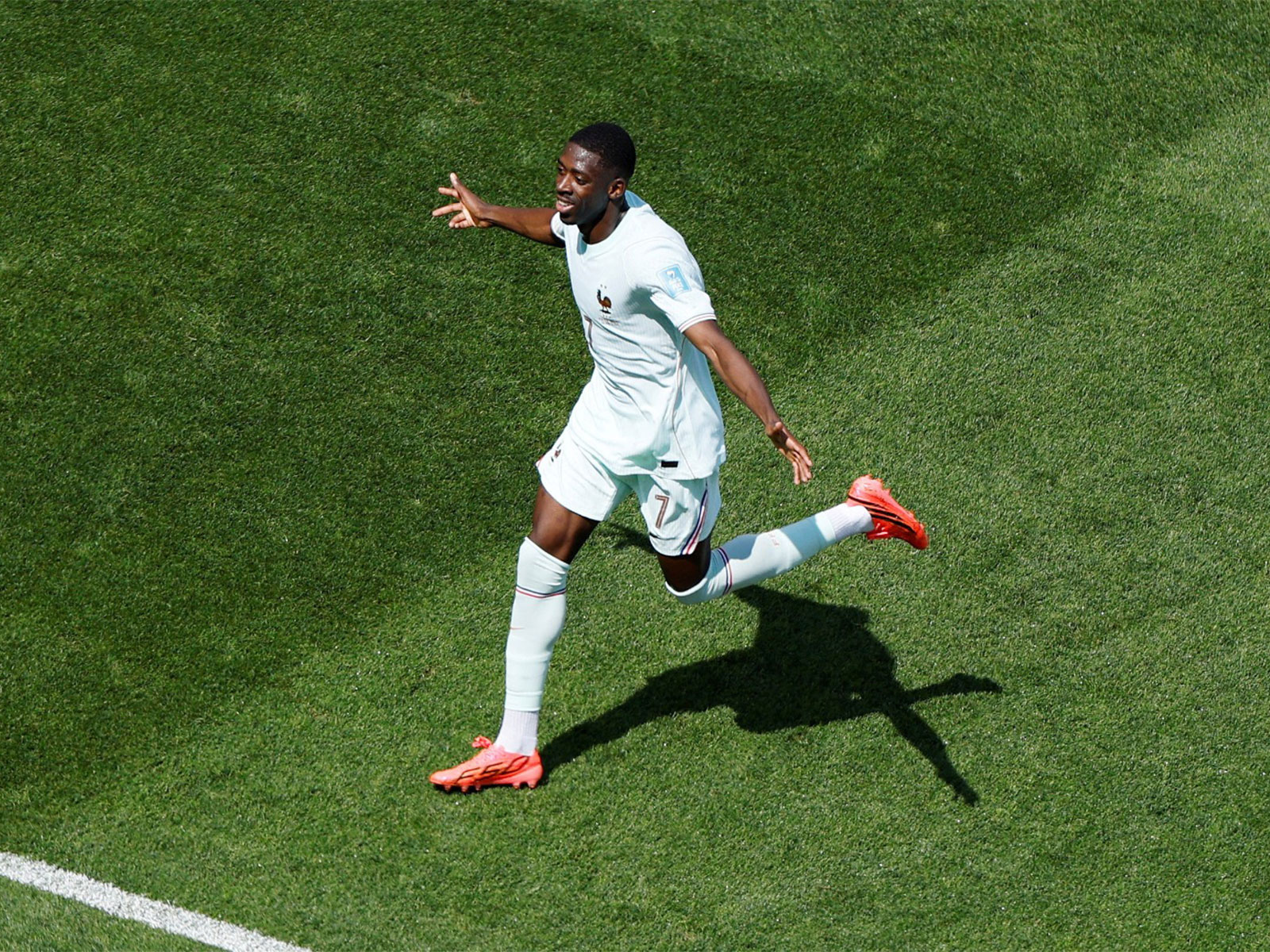
The 2026 FIFA World Cup group stage drew to its dramatic conclusion on Friday the 26th and Saturday the 27th of June — two days that will be remembered for a first-half hat-trick of extraordinary swiftness, a stoppage-time VAR decision that broke Iranian hearts, Cape Verde completing one of the tournament's most improbable fairy tales, and England finally getting the job done against Panama to seal their place in the Round of 32. With all 48 group stage matches now completed, the knockout stage is set. Here is how the final chapter of the group stage unfolded.
France 4-1 Norway: Dembélé's First-Half Hat-Trick Stuns the World
The day's standout result — and one of the performances of the entire group stage — came at the Gillette Stadium in Boston, where Ousmane Dembélé delivered the second-fastest hat-trick in World Cup history to fire France to a 4-1 win over a heavily rotated Norway side. With both teams already qualified and only top spot in Group I at stake, Norway made ten changes — resting Erling Haaland, Martin Ødegaard and Alexander Sørloth among others — and it showed.
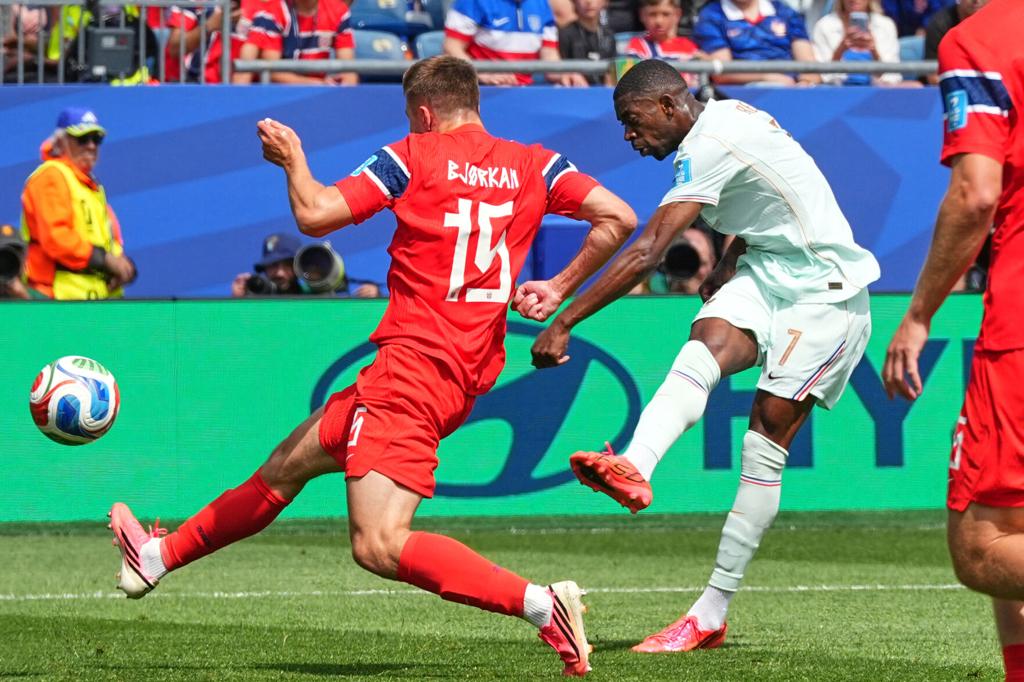
Dembélé opened the scoring in the seventh minute, struck again on 20 minutes, and — after Thelo Aasgaard had pulled one back — completed his hat-trick in the 32nd minute. Three goals in 25 first-half minutes from one of the tournament's most electric wide players — the only previous French hat-tricks at the World Cup had been scored by Just Fontaine (twice in 1958) and Mbappé in the 2022 final.
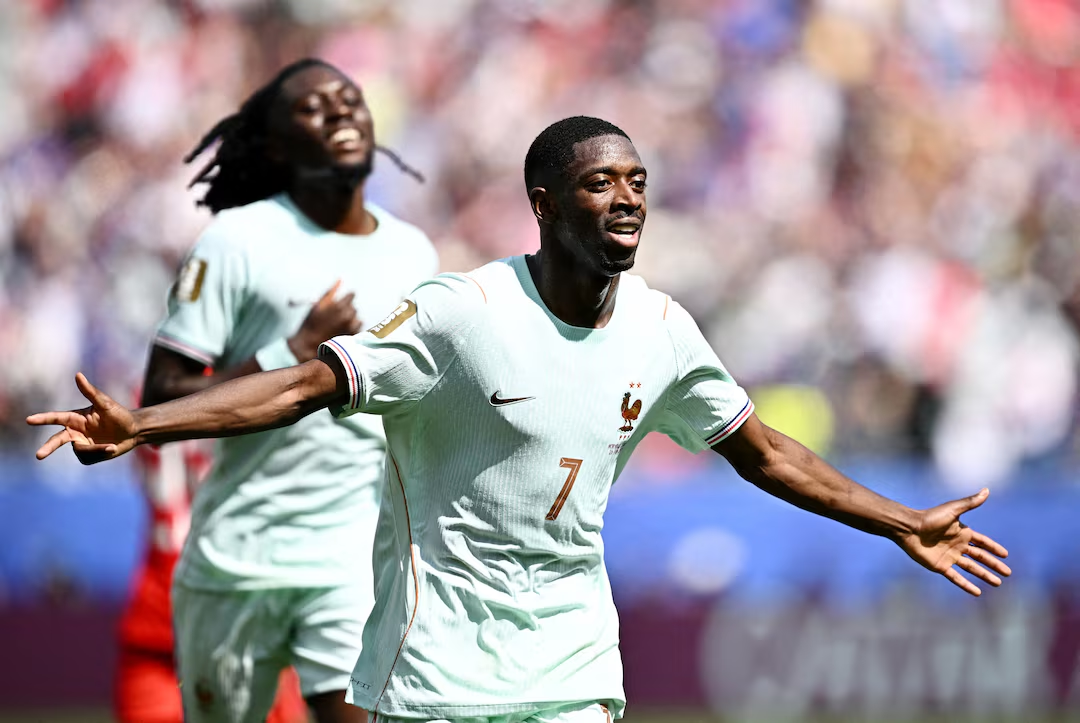
Désiré Doué headed home Barcola's cross in the 90+4th minute to seal the 4-1 scoreline.
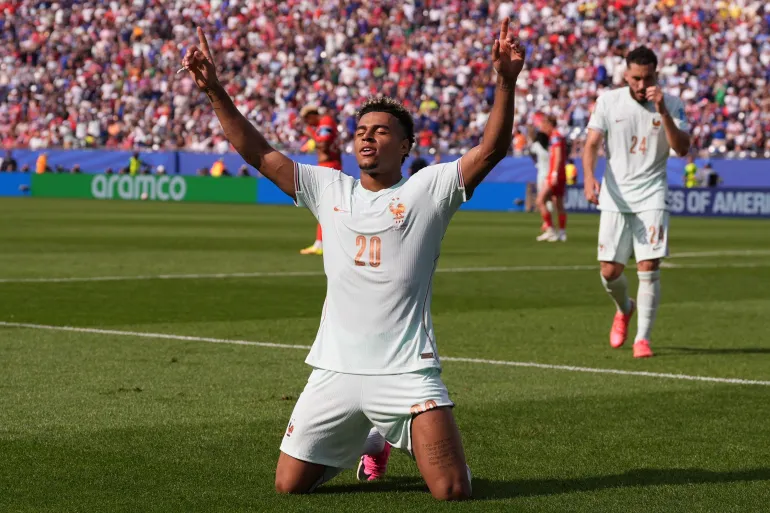
Senegal 5-0 Iraq: Lions of Teranga Roar Into the Knockouts
In Toronto, Senegal produced their finest performance of the tournament to demolish Iraq 5-0 and secure their place in the Round of 32 as one of the best third-placed teams. After the heartbreak of losing to both France and Norway in their opening two matches, Aliou Cissé's side delivered in emphatic fashion — substitute Papa Gueye scoring twice from the bench, including a magnificent left-footed strike in the 71st minute, to complete a comfortable victory.

Depending on the final results, Senegal is on track to face either the winner of Group K (currently Colombia) or the winner of Group L (currently England)
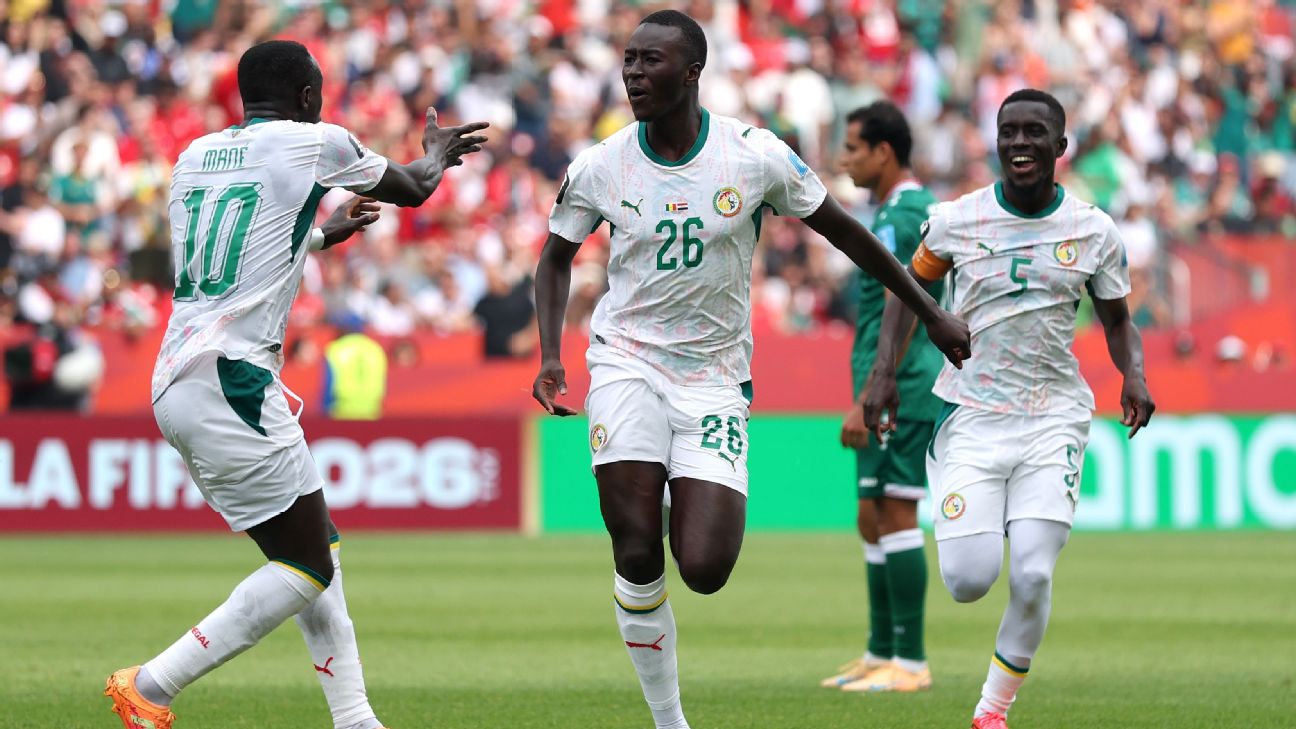

Spain 1-0 Uruguay: Blue Shirts Send La Celeste Home
In Guadalajara, Spain did what was required — a composed 1-0 win over Uruguay that sent the two-time world champions home and confirmed Spain as Group H winners. Spain ousted Uruguay from the tournament and finished top of Group H with the single goal victory. For Uruguay, who had been expected by many to go deep in the tournament, the group stage exit — their third in four World Cups — represents a significant underperformance. Spain, with Lamine Yamal now back to his electric best after the Saudi Arabia performance, enter the knockout stage as one of the tournament's most formidable sides.

Cape Verde 0-0 Saudi Arabia: The Blue Sharks Write Fairytale History
In Houston, the tournament's most improbable story continued. Cape Verde — ranked 67th in the world, with a population of fewer than 600,000 people, making their World Cup debut — held Saudi Arabia to a goalless draw and confirmed their place in the Round of 32. Seconds after the final whistle against Saudi Arabia, Cape Verde players huddled around a phone and waited for Spain's win over Uruguay to be confirmed — and the dream was real.

Cape Verde now face Argentina — and Lionel Messi — in the Round of 32 in Miami. Three draws from three group games. Three of the most disciplined, passionate, heroic performances any debutant nation has produced at a World Cup in living memory. Goalkeeper Vozinha, who had already become a global sensation after his seven-save display against Spain, goes into the knockout stage as one of the tournament's most celebrated figures.
Belgium 5-1 New Zealand: Red Devils Finally Deliver
In Vancouver, Belgium's tournament finally caught fire at exactly the right moment. Belgium beat New Zealand 5-1 in a performance that will give Rudi Garcia's side significant momentum heading into the knockouts, after two deeply underwhelming draws against Egypt and Iran had left their campaign looking precarious. Romelu Lukaku — quiet for much of the group stage — finally found his scoring boots, while Kevin De Bruyne provided the creative energy that has been intermittently absent throughout the campaign. Belgium advance as Group G winners to a Round of 32 tie against one of the best third-placed teams in Seattle.

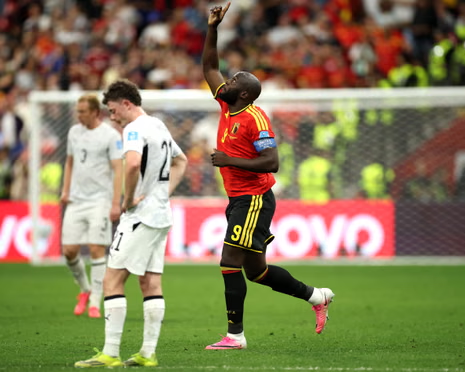
Egypt 1-1 Iran: VAR Shatters Iranian Dreams
The day's most dramatic — and most controversial — conclusion came in Seattle, where Iran's stoppage-time winner from Shoja Khalilzadeh was overturned by VAR, leaving the match level at 1-1 and devastating the Iranian players. Many Iranians were collapsed or crying on the field in disbelief at the final whistle. The draw confirmed Egypt in second place in Group G, while Iran — having gone through the entire group stage without a win — now face an agonising wait to discover whether their one-point total is sufficient to advance as one of the eight best third-placed teams. Early indications suggest it is not enough.

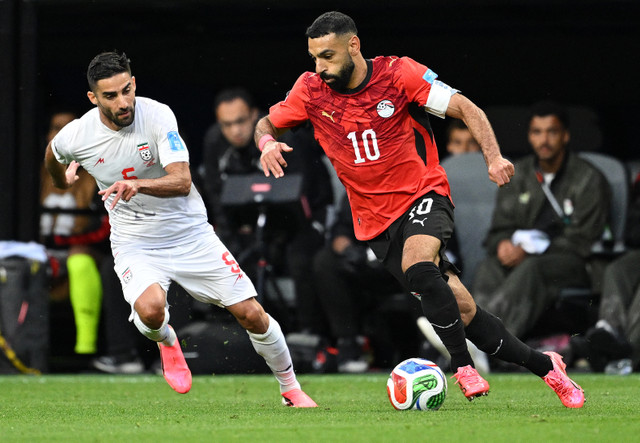
Source : Ballocentre.com
Images : Getty, FIFA, Supersport Football
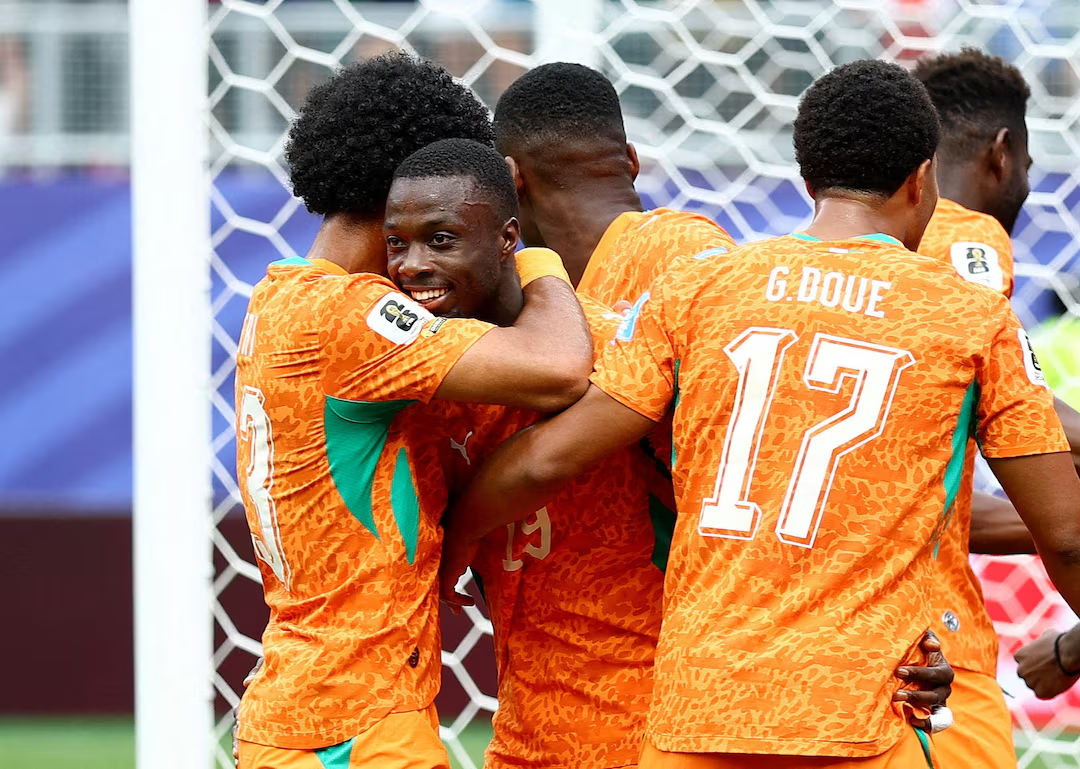
Thursday the 25th of June brought the curtain down on the 2026 FIFA World Cup group stage with six matches across Groups D, E and F — and the day delivered drama in every direction. Ecuador produced arguably the upset of the tournament, stunning Germany in New Jersey. Türkiye's Kaan Ayhan broke American hearts with a last-gasp winner that counted for nothing in the standings. Ivory Coast confirmed their knockout passage with a composed win over Curaçao. Japan and Sweden played out a draw that suited both sides. The Netherlands dismantled Tunisia. And Paraguay and Australia played one of the most cynically tactical goalless draws in recent World Cup history. The group stage is complete. The Round of 32 begins Sunday. Here is how Day Fifteen unfolded.
Ecuador 2-1 Germany: La Tri's Finest Hour
The result of the day — perhaps of the entire group stage — was produced at the MetLife Stadium in East Rutherford, New Jersey, where Ecuador came from behind to beat group winners Germany 2-1 and seal their place in the Round of 32 as one of the best third-placed teams. It was Ecuador's finest moment at a World Cup since their quarter-final run in 2006.
Germany took the lead through Leroy Sané after just two minutes — the second-fastest goal in Germany's World Cup history — but Ecuador responded within seven minutes through Nilson Angulo, who found space just outside the area and fired through the legs of Aleksandar Pavlović and beyond Manuel Neuer.

The match teetered on a knife edge throughout the second half. Germany had a penalty award reversed by VAR due to an earlier Sané foul, and Gonzalo Plata missed a close-range chance after a Neuer-Tah mix-up. But in the 77th minute, the decisive moment arrived. Kevin Rodríguez's header flicked the ball into Plata's path, and the midfielder poked a finish past the stranded Neuer to send Ecuador's fans inside the stadium into delirium.

Ecuador have reached the knockout stages for only the second time in their history — their first since 2006, when they were eliminated by David Beckham's goal for England in the Round of 16.
Curaçao 0-2 Ivory Coast: Pépé Brace Ends the Dream
n Philadelphia, Ivory Coast produced a measured and professional performance to beat Curaçao 2-0 and confirm their place as Group E runners-up — securing their first World Cup knockout qualification in the nation's football history. Nicolas Pépé scored a brace — opening after just six minutes following brilliant work by Yan Diomandé on the left, before finishing Ibrahim Sangaré's through ball emphatically in the second half.

For Curaçao, the tournament ends with their heads held high. The smallest nation by population ever to qualify for a World Cup — a country of 158,000 people — can reflect on a campaign that included a 1-1 draw against Switzerland, Livano Comenencia's historic opening goal against Germany, and Eloy Room's record-breaking 15-save performance against Ecuador. They leave the tournament having captured the hearts of the footballing world.
Japan 1-1 Sweden: A Draw That Pleased Everyone
At AT&T Stadium in Arlington, Texas, Japan and Sweden produced a fascinating match that ultimately satisfied both sides — both advancing comfortably to the Round of 32. Japan led when Daizen Maeda got on the end of a delicious team move, Ritsu Doan threading him in for a composed one-on-one finish against the Swedish goalkeeper. But Anthony Elanga — recently joined from Manchester United — produced a magnificent finish from the edge of the box to level for Sweden.
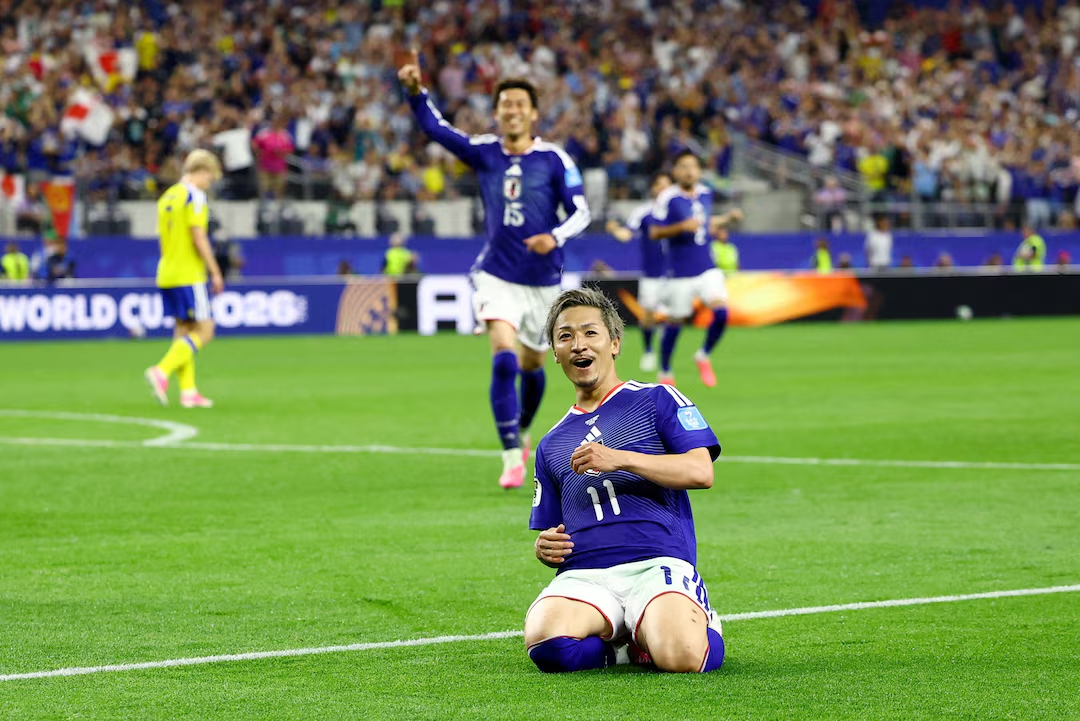
The match remained high intensity throughout, with both teams creating chances, but neither willing to overcommit in a game that could only end one way in terms of qualification stakes. Sweden advance as one of the eight best third-placed teams. Japan finish second in Group F behind the Netherlands and face a Round of 32 assignment against Group C winners Brazil — one of the most eagerly anticipated knockout ties of the tournament.
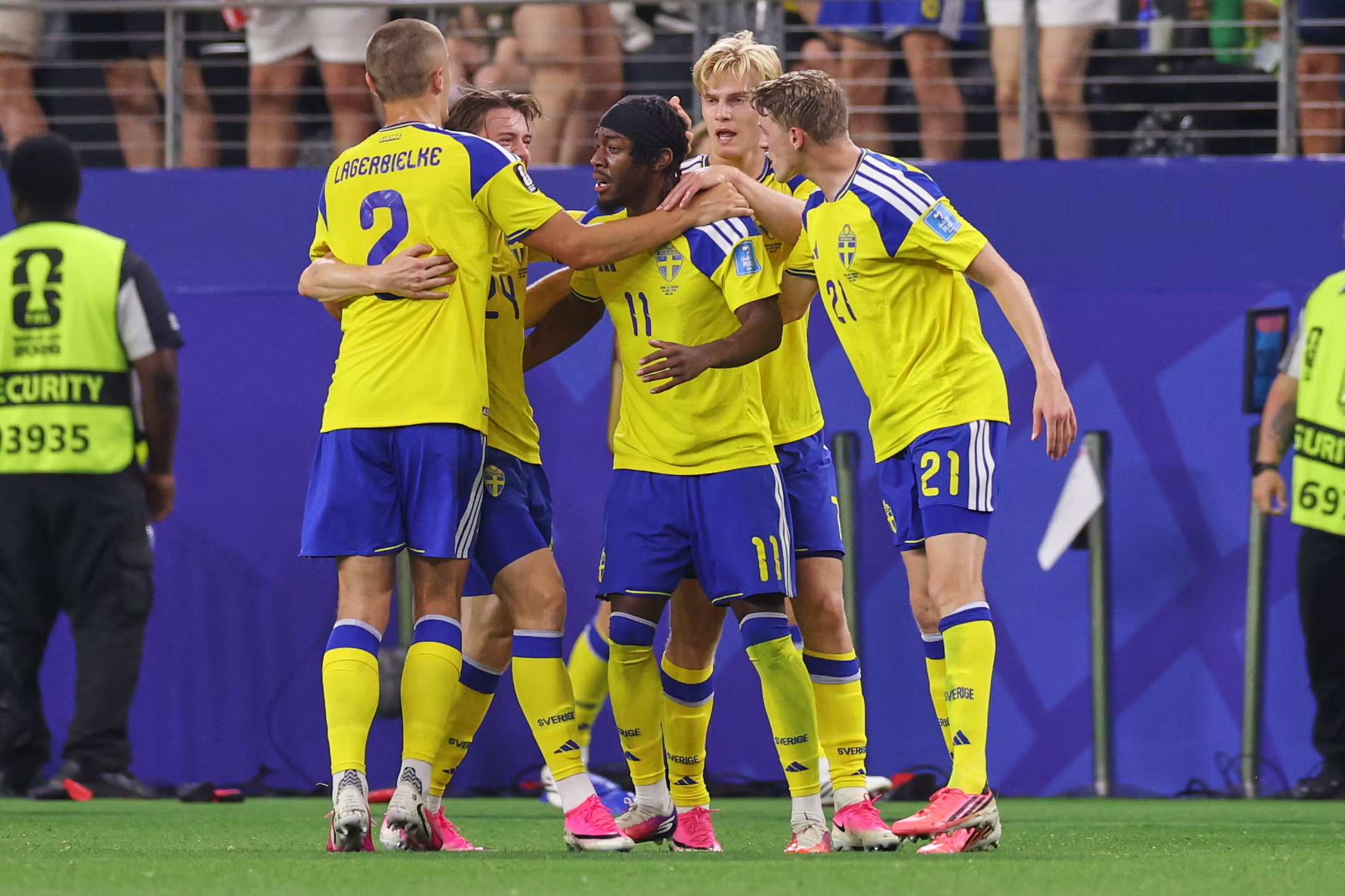
Netherlands 3-1 Tunisia: Dutch Cruise Into the Knockouts in Style
In Kansas City, the Netherlands delivered another efficient, clinical display to beat already-eliminated Tunisia 3-1 and top Group F with a perfect nine points from three matches. An Ellyes Skhiri own goal was followed by a clinical Brian Brobbey tap-in just four minutes later — Netherlands were 2-0 up inside seven minutes and in complete control. Tunisia showed spirit in the second half, with Hazem Mastouri heading home a superb Hannibal Mejbri cross to make it 2-1, but Jan Paul van Hecke nodded home a Tijjani Reijnders delivery to seal the deal.
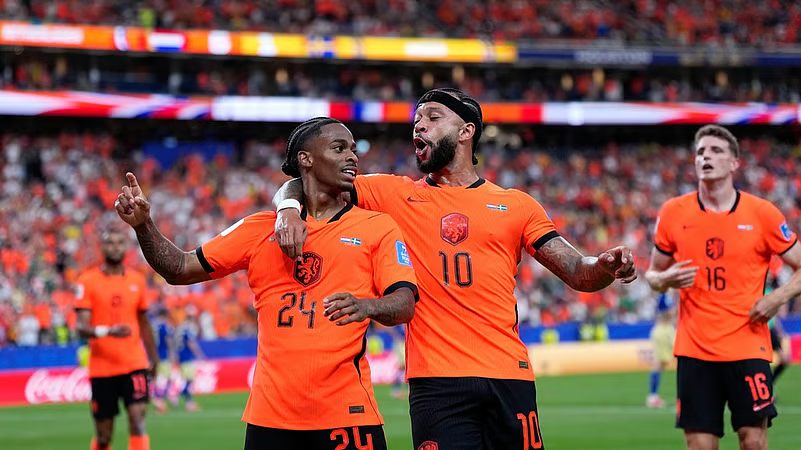
The Netherlands will now face 2022 World Cup semi-finalists Morocco in the Round of 32 in Monterrey — a tie that promises to be one of the highlights of the knockout stage. Ronald Koeman's side enter the knockouts with momentum, confidence, and the tournament's most prolific attacking unit in Group F football.
Türkiye 3-2 USA: Ayhan's Final Whistle Stunner in a Match That Meant Nothing
The night's most dramatic — and ultimately irrelevant — result unfolded at SoFi Stadium in Los Angeles, where Türkiye stunned a heavily-rotated United States side with a stoppage-time winner that sparked celebrations as if a trophy had been won, despite both teams' fates already having been decided. Mauricio Pochettino made nine changes to his starting line-up, and the match was watched by a host of celebrities including Brad Pitt.
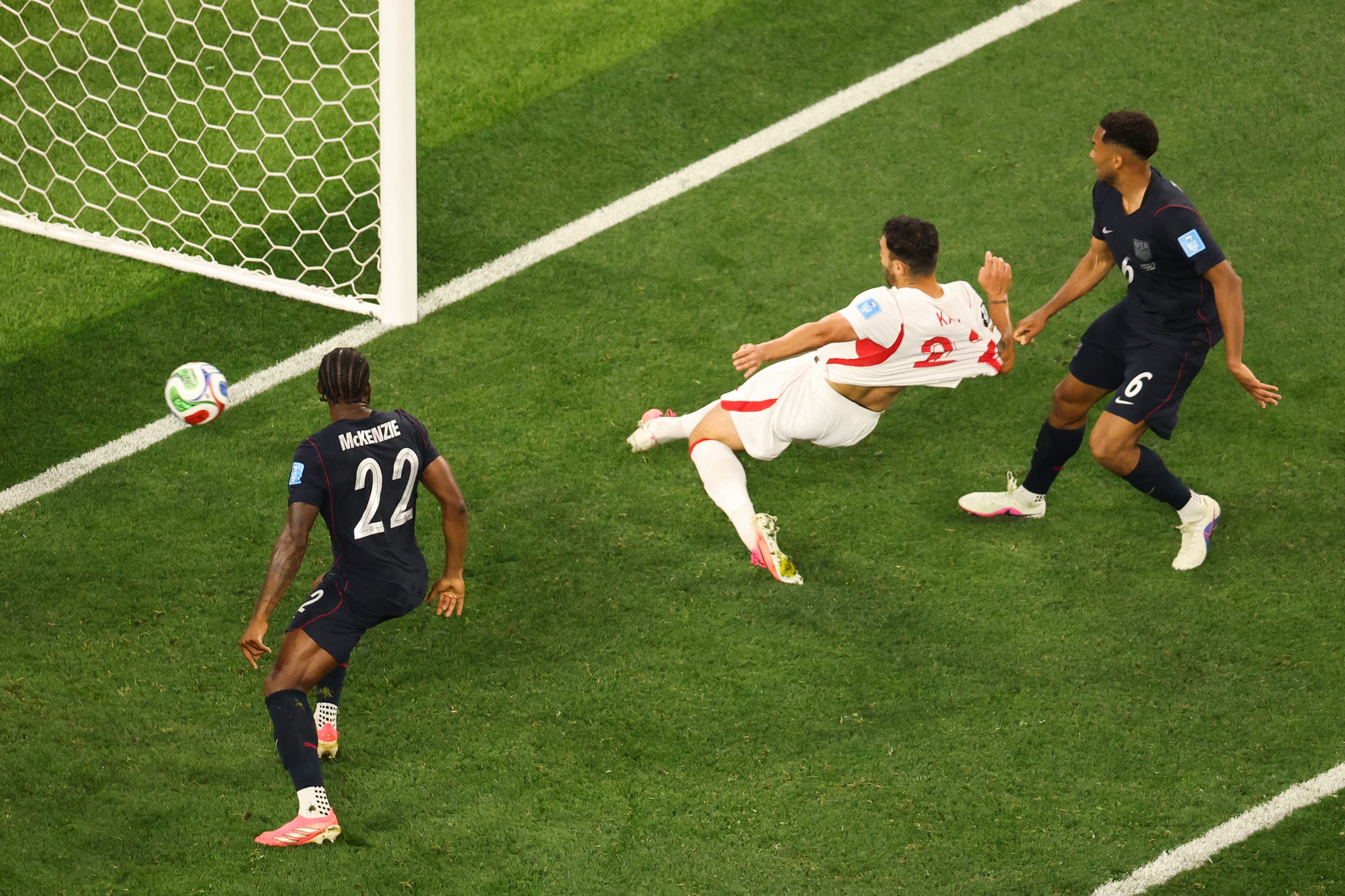
At 21 years and 120 days old, Arda Güler became the youngest player to score for Türkiye at a World Cup as the eliminated side showed — at the very last moment — the attacking quality that had inexplicably eluded them throughout their three matches. The winning goal scored by Kaan Ayhan in the eighth minute of second-half stoppage time is the latest match-winning goal allowed by the USA at a World Cup.
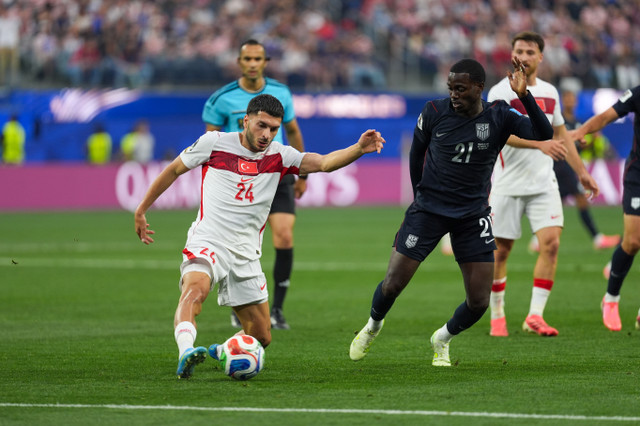
Sebastian Berhalter produced a goal and an assist for the USA, who failed in a bid to win all three group matches at a World Cup for the first time. The Americans remain first in Group D and have now scored eight goals at this tournament — their most at any World Cup. The defeat will sting, but it changes nothing about their knockout prospects. The USA have now had five different goal scorers at this World Cup — the most for any US team at any World Cup ever.
Paraguay 0-0 Australia: The Draw That Was Written Before Kick-Off
In Santa Clara, Paraguay and Australia produced a goalless draw that was, by almost universal agreement, one of the most deliberately cautious matches in recent World Cup memory — and one that both teams needed. Australia ground out the 0-0 draw to clinch second place in Group D, while Paraguay are poised to advance as one of the best third-placed teams with four points. Paraguay managed just one shot in the first half — the fewest shots that Australia have faced in the first half of a World Cup match.
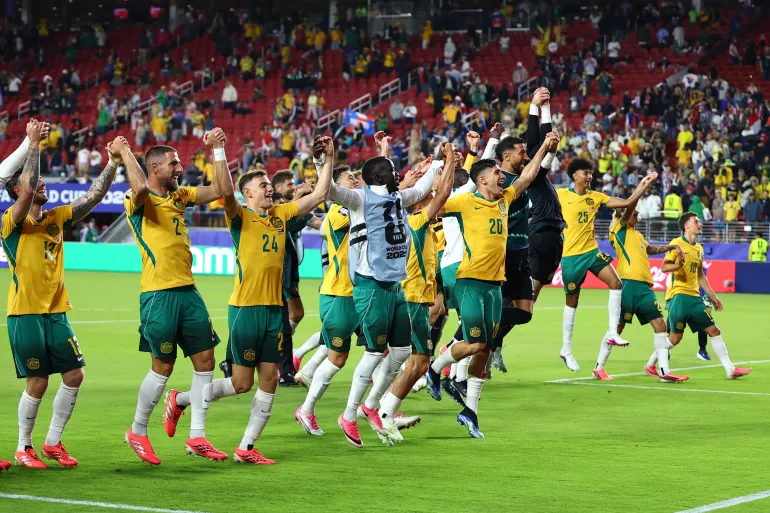
Both coaches will likely face questions about the spirit of the result, but both managers will care considerably more about what happens next. Australia face South Africa in the Round of 32. Paraguay — pending confirmation of their third-place ranking — await their opponents with a goal difference that makes their passage highly likely.
Source : Ballocentre.com
Images : Getty, FIFA, Supersport Football
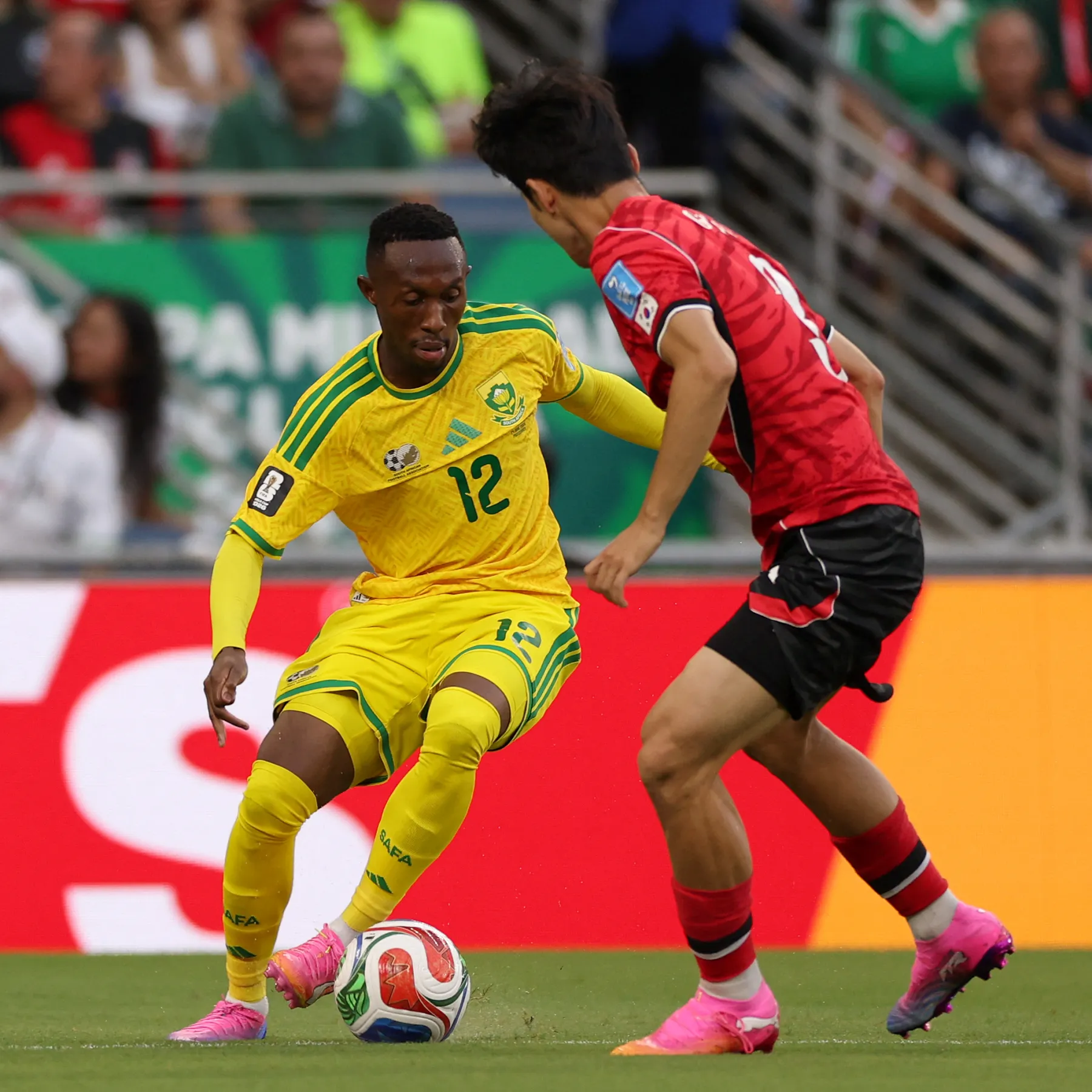
Wednesday the 24th of June was arguably the most dramatic single day of the 2026 FIFA World Cup so far — a day defined by shock, history, and multiple stories unfolding simultaneously across six matches that brought Groups A, B, and C to their decisive conclusions. South Africa wrote the headline of the tournament. Brazil delivered a masterclass. Morocco survived a stirring Haiti revival. Switzerland edged Canada in a group-topping shootout. Mexico cruised through. And somewhere in Atlanta, a 52-year World Cup goal drought ended in spectacular fashion. Day Fourteen had everything.
South Africa 1-0 South Korea: Bafana Bafana Make History
This was the result of the day — perhaps of the tournament so far. At the Estadio BBVA in Monterrey, South Africa produced one of the finest performances of their World Cup history to beat South Korea 1-0 and qualify for the knockout rounds of the FIFA World Cup for the very first time. After three group-stage exits in 1998, 2002, and 2010, Bafana Bafana have finally broken the barrier that has defined and frustrated South African football for a generation.

The result was set up by a moment of individual brilliance from substitute Tshepang Moremi, introduced just moments before the goal. The young midfielder powered down the left wing and played a precise low pass into the feet of Thapelo Maseko at the top of the box. Maseko took one touch to control, wrong-footed goalkeeper Kim Seung-gyu with a sharp turn, and drove a left-footed finish into the bottom corner in the 63rd minute — a goal of real quality that will be replayed in South Africa for generations.
This was South Africa's first-ever appearance in the knockout stage of a World Cup. They had failed to progress from the group stage in their three previous appearances in 1998, 2002, and 2010. It was also their third-ever World Cup win — and their first against a non-European team. The scenes in Monterrey, and across South Africa, were overwhelming.


Mexico 3-0 Czechia: Co-Hosts March On in Style
At the Estadio Azteca, already confirmed as group winners before kick-off, Mexico produced their most complete performance of the tournament to dismantle Czechia 3-0 and send a message to potential Round of 32 opponents. Goals from Mateo Chávez in the 55th minute, Julián Quiñones in the 61st, and Álvaro Fidalgo deep into stoppage time confirmed Mexico's dominant form as co-hosts — six goals scored across their three group games, none conceded. Hugo Sánchez's generation lit up the Azteca in 1986. El Tri head into the knockouts hoping to recreate those memories in 2026. Czechia are eliminated.

Brazil 3-0 Scotland: Vinicius Makes History, Neymar Returns
At a packed Miami Stadium, Brazil delivered the kind of commanding group stage finale that their supporters had been demanding since a stuttering first two matches. Vinicius Júnior was the architect of a 3-0 victory over Scotland — and in doing so, etched his name into Brazilian football history.
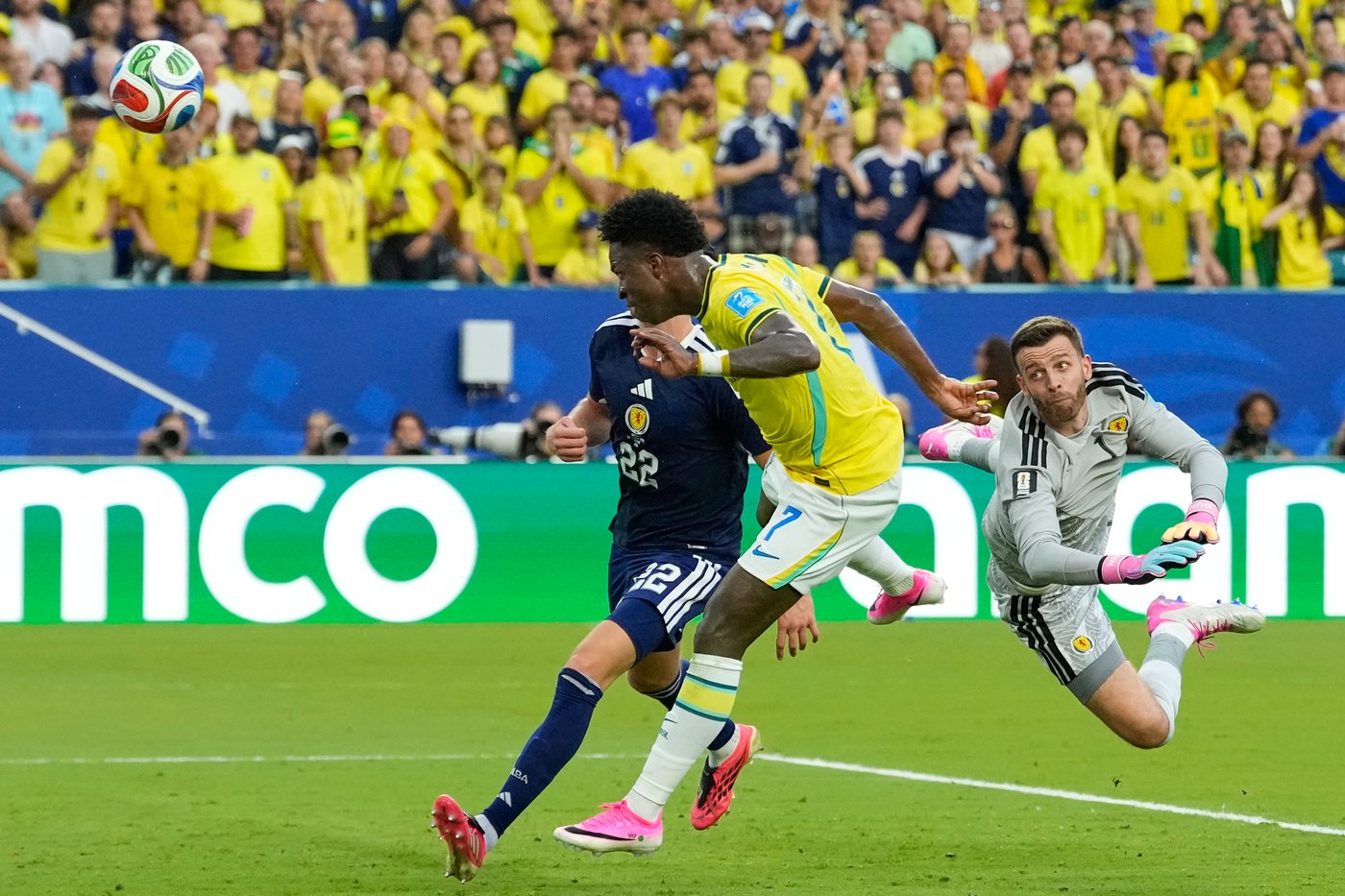
Vinicius Júnior became the fifth Brazilian player to score in each of the three group stage games in the World Cup, joining legends Jairzinho in 1970, Romario in 1994, and Ronaldo and Rivaldo in 2002 — Brazil went on to lift the trophy on each of those occasions. He opened the scoring in the seventh minute, capitalising on a misplaced Scott McKenna pass to round goalkeeper Angus Gunn and slot home. A second Vinicius goal — a free header at the back post from Bruno Guimarães' cross deep in first-half stoppage time — put the match beyond doubt. Matheus Cunha, set up brilliantly again by Guimarães, added a third in the 60th minute.
The night also marked Neymar's return to action, with the forward making his first Brazil appearance in three years as a second-half substitute, recovering from the long-term injury that had kept him sidelined throughout the tournament's opening stages. His introduction drew the loudest cheer of the evening from a Miami crowd packed with yellow and green. Carlo Ancelotti was measured but satisfied: "We played well. We replicated our performance against Haiti, which was the goal. It was a more complete game."
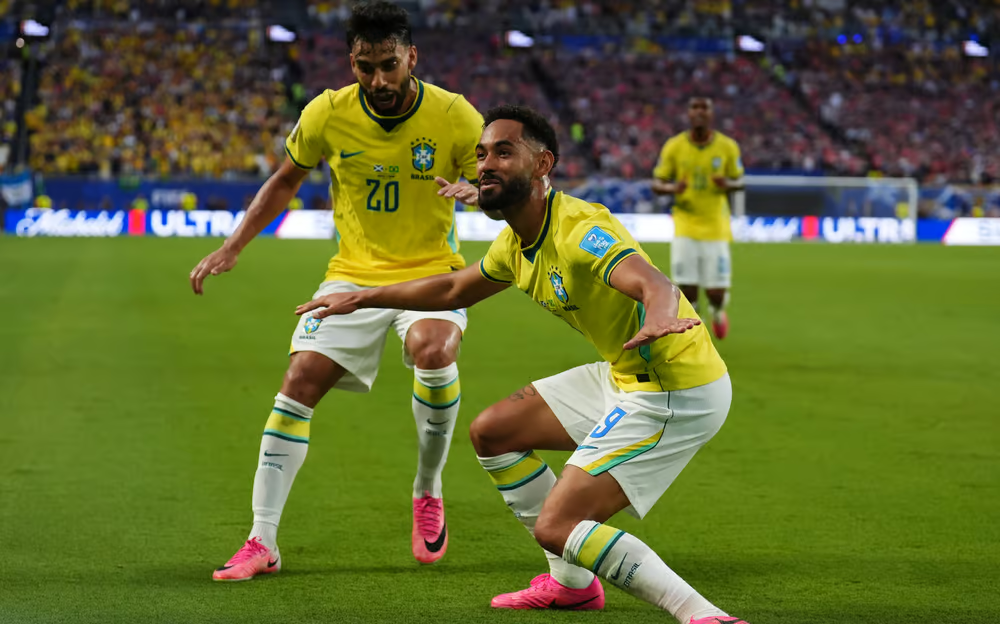
Morocco 4-2 Haiti: Atlas Lions Survive a Fright, Haiti End With Honour
In Atlanta, the match of the day — and possibly the most entertaining fixture of the entire group stage — unfolded in extraordinary fashion. Morocco twice conceded the lead to an already-eliminated Haiti side, before rallying to win 4-2 and secure second place in Group C behind Brazil
Haiti's long wait for a World Cup goal ended after just 10 minutes — Lenny Joseph flicking in a cross to score their first World Cup goal since 1974, 52 years in the making. Then, after Morocco levelled through Achraf Hakimi, Wilson Isidor pounced on a loose ball and let fly from outside the area with a stunning strike into the top corner to restore Haiti's lead — giving Les Grenadiers a second shock lead that had the Atlanta crowd in raptures.
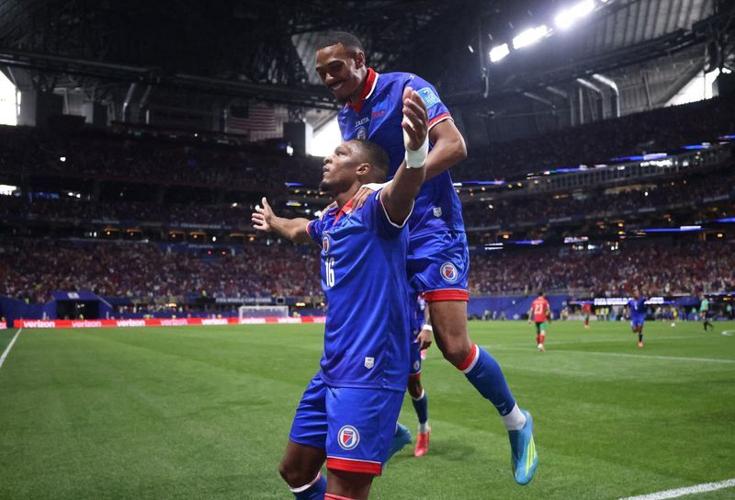
Ismael Saibari — with his third goal of the tournament, making him the first African player to score in each of his team's first three group stage matches — levelled before half-time from Hakimi's low cross. Soufiane Rahimi, who was nearly moved to tears when his deflected strike found the top corner, gave Morocco the lead for the first time in the 78th minute, before 20-year-old Gessime Yassine — the youngest Moroccan player to score in World Cup history — rolled in a fourth to seal Morocco's place in the knockout rounds.
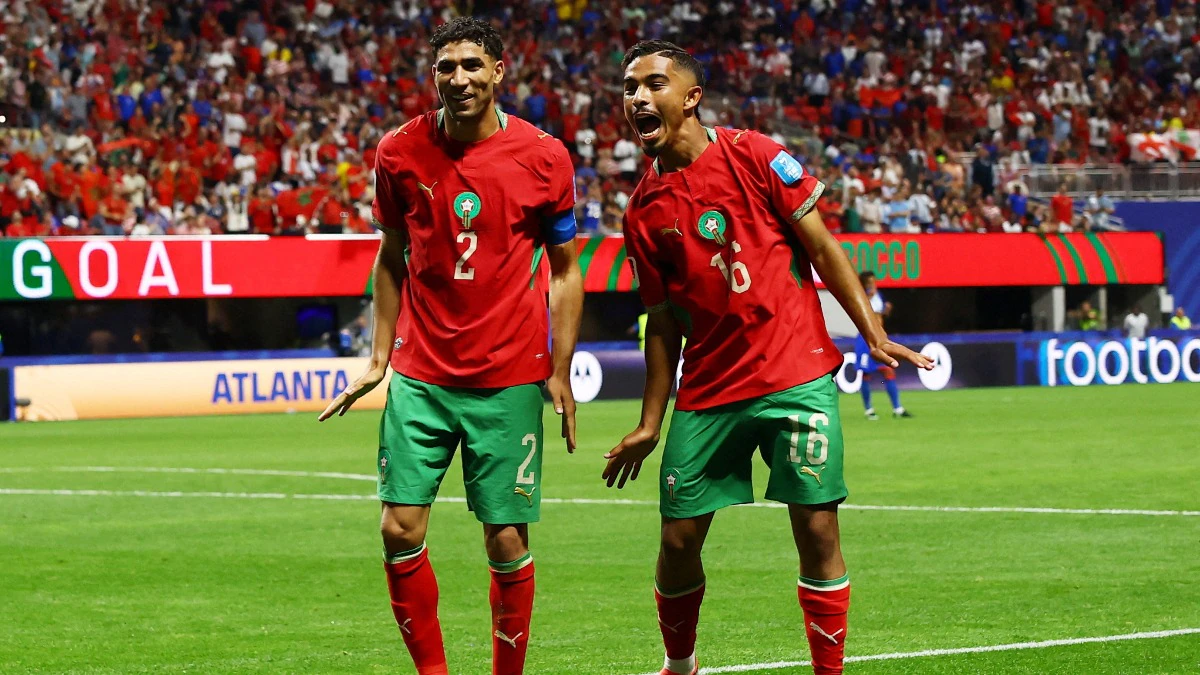
Hakimi became the third Moroccan player with a goal and assist in a World Cup match, joining Abdeljalil Hadda in 1998. He also created 21 chances in the World Cup group stage, trailing only Ivory Coast's Yaya Toure among all African players since 1966. For Haiti, their first World Cup since 1974 ends without a point — but with two performances that their nation will not quickly forget.
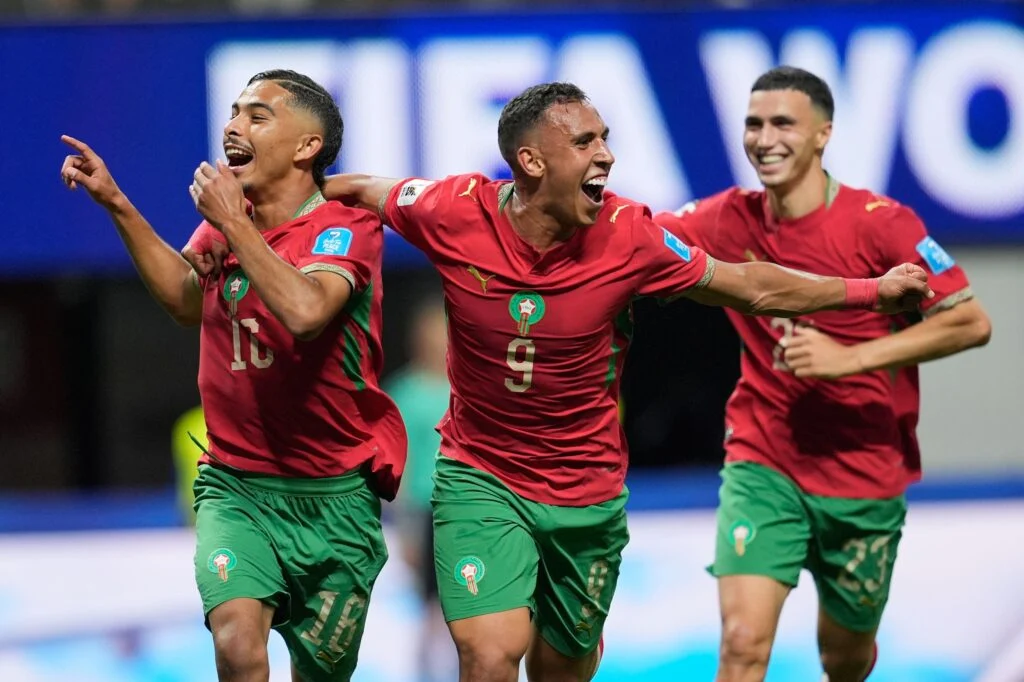
Switzerland 3-1 Canada: Manzambi the Difference Again
At BC Place in Vancouver, in a match that doubled as a group decider between two unbeaten sides, Switzerland edged Canada 3-1 to clinch top spot in Group B — handing co-hosts Canada their first World Cup defeat and leaving Jesse Marsch's side to enter the knockout rounds as group runners-up.
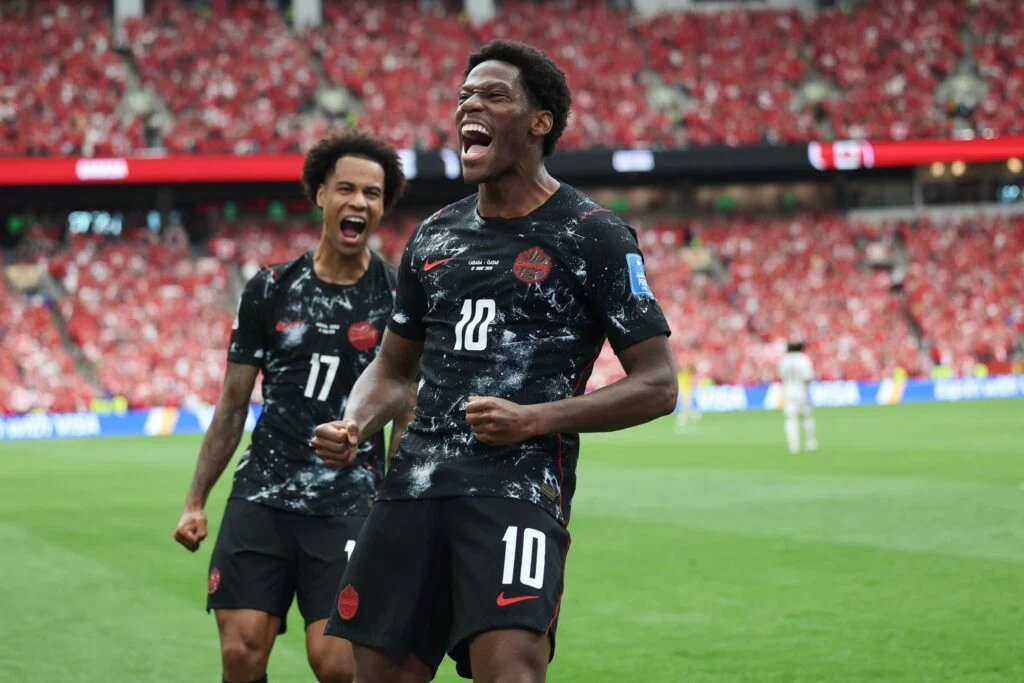
Switzerland have now qualified for the knockout stages in each of the last four FIFA World Cup editions — 2014, 2018, 2022, and 2026 — the only European nation alongside France to achieve that feat.
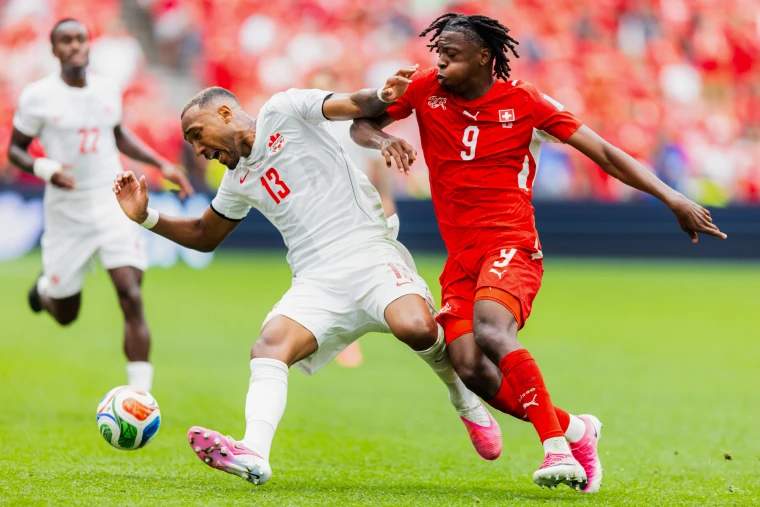
Canada, who enter the Round of 32 having scored eight goals in the group stage thanks to Jonathan David's hat-trick heroics against Qatar, will not be concerned by the defeat. They were already assured of progression — and Marsch will be more focused on addressing the defensive concerns that emerged in this match heading into the knockout rounds.
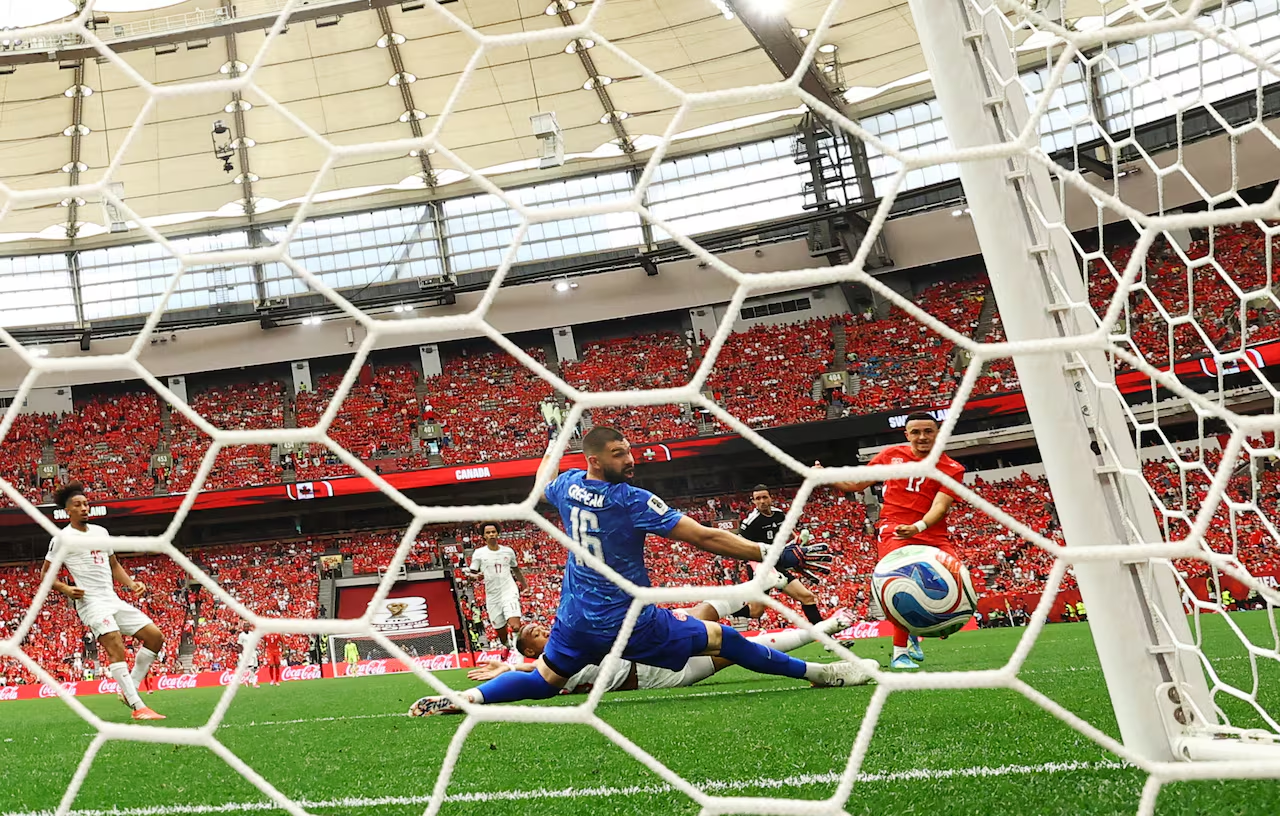
Bosnia and Herzegovina 3-1 Qatar: A Consolation Win
In Seattle, the day's final fixture produced a consolation win for Bosnia and Herzegovina — already qualified for the Round of 32 as one of the best third-placed sides — as they defeated already-eliminated Qatar 3-1.
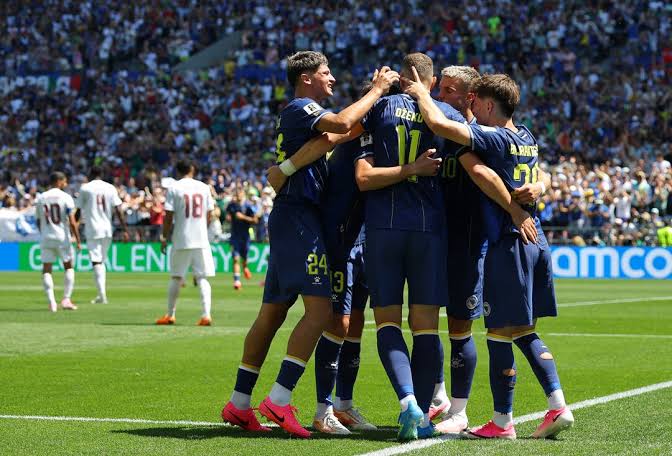
Ermin Mahmic scored twice from the bench to become one of only three players with multiple substitute goals at the 2026 World Cup alongside Deniz Undav and Johan Manzambi. Hassan Al-Haydos became only the second Qatari player to score at the World Cup, joining Mohammed Muntari from 2022.
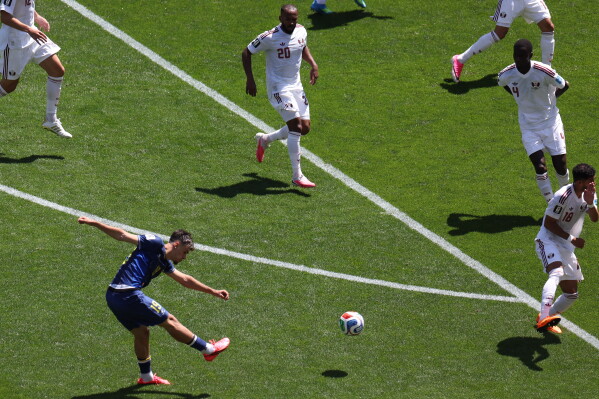
Source : Ballocentre.com
Images : Getty, FIFA, Supersport Football

Tuesday the 23rd of June was a day of milestones, frustrations and crucial knockout-stage positioning. Cristiano Ronaldo silenced some of his critics emphatically with a brace that made him the first player in history to score at six World Cup tournaments. England stumbled to a goalless draw against a well-organised Ghana side whose manager was furious with VAR. Croatia stayed alive in Group L. And Colombia edged closer to the Round of 32. Day Thirteen delivered its own compelling set of stories — each one significant, none of them straightforward.
Portugal 5-0 Uzbekistan: Ronaldo Answers His Critics
After the questions that had surrounded his performance in Portugal's 1-1 draw with DR Congo — when he had limited service and missed both of his chances on target — Cristiano Ronaldo arrived at Houston Stadium needing a response. He delivered one in the most definitive terms available to him.
In just the sixth minute, Ronaldo swivelled on the six-yard box to meet a Joao Cancelo cross and smashed the ball beyond goalkeeper Abduvokhid Nematov — becoming the first player in history to score a goal in six different World Cup tournaments. At 41 years and 138 days, he also became the second-oldest player to score in a World Cup, behind only Cameroon's Roger Milla, who scored at 42 in 1994. His trademark "Siu" celebration rang out across a stadium of 68,777 fans.
Nuno Mendes doubled the lead in the 17th minute with a cleverly disguised free-kick routine — Ronaldo standing over the ball initially to distract the Uzbekistan defence before stepping aside for Mendes to curl a sharp, low drive into the bottom corner. The third goal came before half-time as Bruno Fernandes threaded a precise through ball between the Uzbekistan centre-backs to find Ronaldo, who rolled the ball past Nematov with a controlled finish — his 10th career World Cup goal, breaking his tie with the legendary Eusébio to become Portugal's all-time leading scorer in the competition.
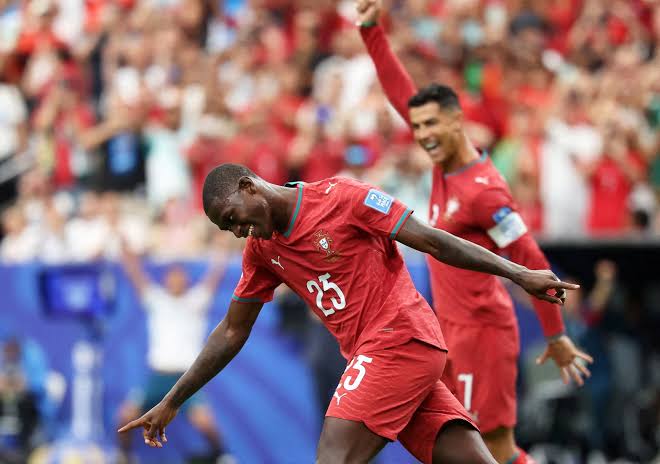
Uzbekistan had a goal disallowed in the second half by VAR for a foul on Cancelo. From the resulting corner, the ball eventually deflected off Uzbekistan's Abdukodir Khusanov into his own net to make it 4-0 in the 60th minute, before substitute Rafael Leão hammered a fifth in the 87th minute. Portugal's response to their opening draw was comprehensive and convincing. Uzbekistan, who had also lost their opener 3-1 to Colombia, were eliminated from the tournament with one group game still to play.
Ronaldo was gracious in his post-match assessment, keeping the focus firmly on the team rather than his personal milestones. "I'm very happy. But for me, the most important thing is our work and the confidence we showed. The team performed really well and improved a lot." Records are nice, he conceded — but the team's objectives remain the priority.
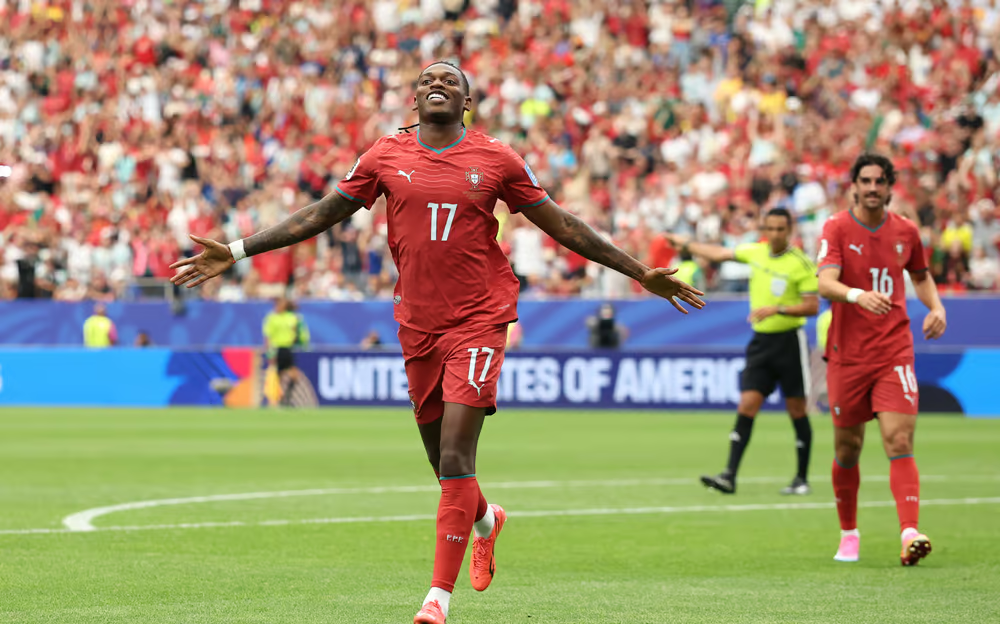
England 0-0 Ghana: A Familiar Story of Frustration
For the fourth consecutive World Cup tournament, England have dropped points in their second group game — stumbling to a goalless draw in Boston that will do little to quiet concerns about Thomas Tuchel's side's capacity to control difficult matches.
The match at Gillette Stadium was deeply uninspiring, with neither side recording a single shot on target in the entire first half. England, who had thrilled in their 4-2 win over Croatia a week earlier, reverted to the cautious, congested football that has periodically undermined their World Cup campaigns, unable to break down a Ghana side organised with the defensive pragmatism of their experienced coach Carlos Queiroz.

Harry Kane — who had scored twice and produced an outstanding captain's performance against Croatia — skied an opportunity late on that he would normally expect to convert. Substitute Nico O'Reilly saw a header cannon off the crossbar. But for all England's superior possession and theoretical quality, they could not find a way through.
The match was not without its controversy. Queiroz was emphatic in his post-match assessment, insisting England had escaped both a penalty and a red card — claiming a foul on a Ghana player was clear but went unpunished. "Is VAR still working in the World Cup?" he said pointedly. "Once again, VAR went for a coffee." The incident was still being debated in television studios long after the final whistle.

Croatia 1-0 Panama: Budimir and Modrić's Milestones
In Toronto, Croatia stayed alive in the tournament thanks to a well-taken substitute goal from Ante Budimir — and a landmark occasion for their veteran captain.
Luka Modrić, 40 years old and making his 200th international appearance, was restored to the starting lineup but substituted with 13 minutes remaining as Croatia manager Zlatko Dalic looked to protect his minutes. The milestone passed with deserved recognition from all four corners of the stadium — Modrić remains the heartbeat of Croatian football.
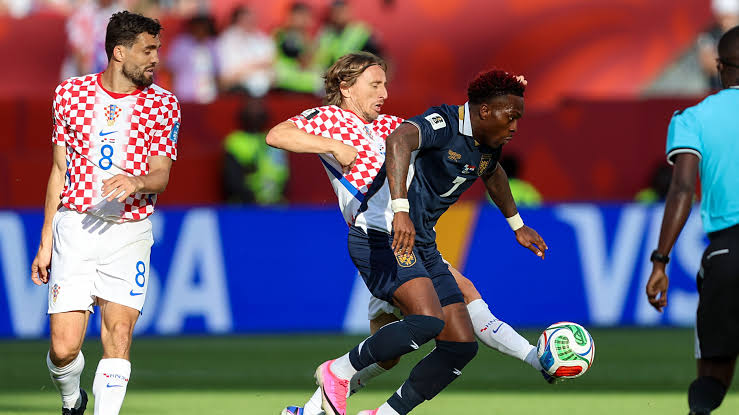
The decisive moment arrived in the 54th minute — right after Dalic had made his half-time double change, bringing on Budimir for Petar Musa. The impact was immediate: Josip Stanišić delivered a curving cross from the right, and Budimir arrived at the back post to prod home with a smart finish. At 34 years and 130 days, Budimir became the oldest Croatian player to score a World Cup goal.
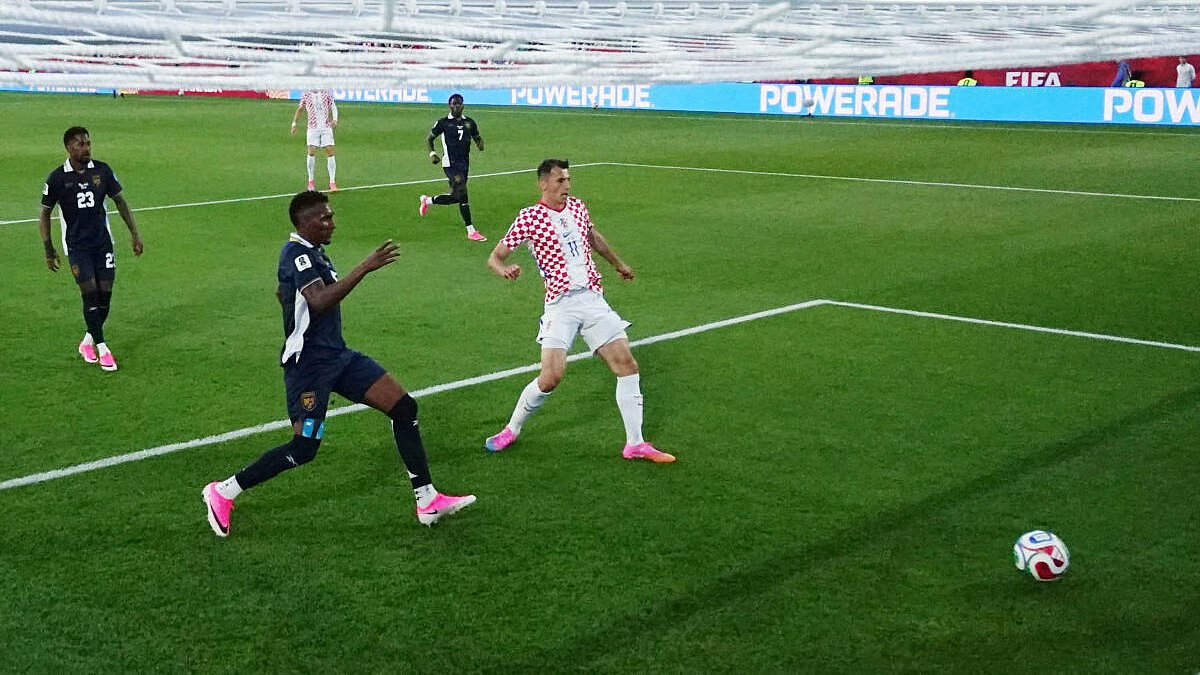
Croatia goalkeeper Dominik Livaković was the difference in the closing stages, making three saves in rapid succession as Panama pushed desperately for an equaliser — the most breathless moment of the match came when Amir Murillo twice went close, both times denied by Livaković's sharp reactions. Panama, who have now failed to earn a single point in their two World Cup appearances, are eliminated. Croatia head into their final group match against Ghana knowing a win could well see them progress, with Group L now genuinely open.
Colombia 1-0 DR Congo: Muñoz Decides a Tight Encounter
The day's final match, played at the Estadio Guadalajara in Zapopan, was the most compact and tactically engaged of the four — a match where the quality of DR Congo goalkeeper Lionel Mpasi kept the score level for 75 minutes, before Colombia's full-back Daniel Muñoz finally found the decisive moment.
Muñoz had been involved throughout — driving forward, winning second balls, stretching the DR Congo defence — and his goal in the 76th minute was a deserved reward. A through-ball from substitute Juan Quintero, who had replaced the quiet James Rodríguez and immediately changed the tempo of the match, found Muñoz arriving at pace to slot past the goalkeeper with a composed first-time finish.
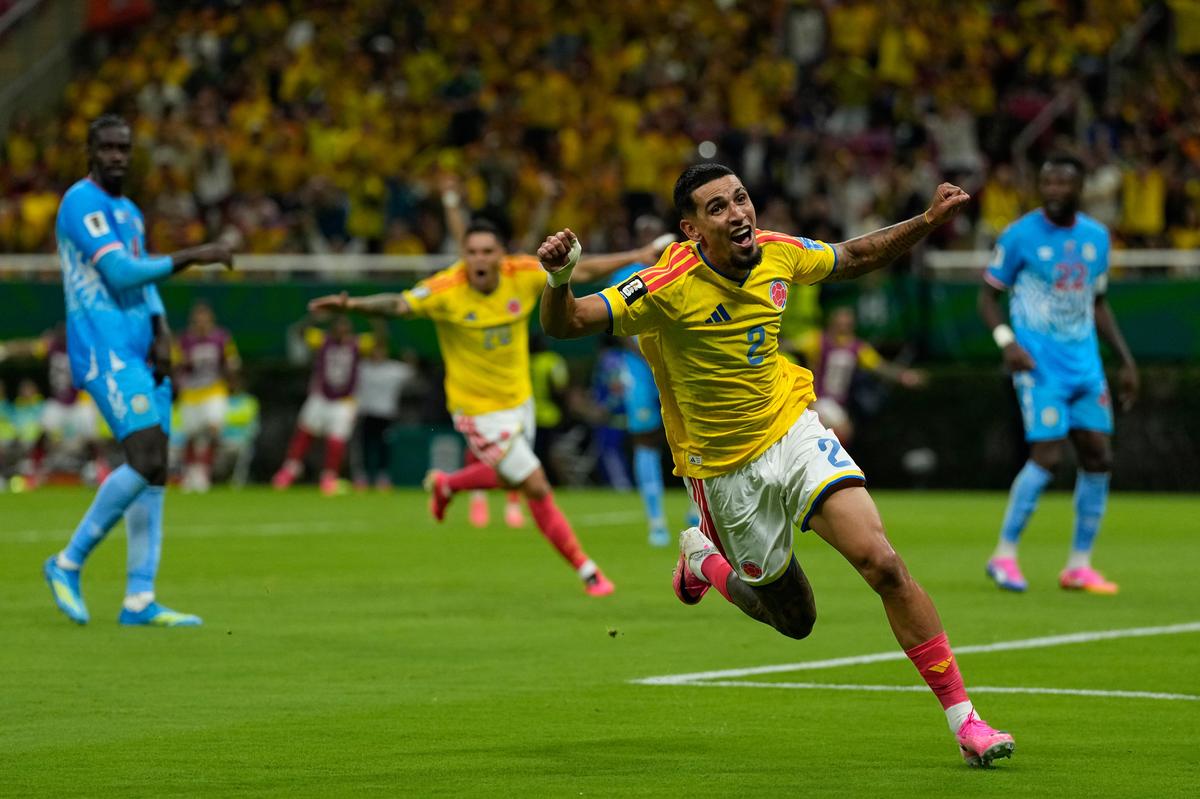
Mpasi's performance in the DR Congo goal deserved to be on a winning side. He made a series of outstanding saves throughout, keeping his side in the match with excellent shot-stopping that gave no hint of the scoreline that would ultimately follow. DR Congo, who had announced themselves to the world with Yoane Wissa's historic equaliser against Portugal in their opener, are not yet eliminated — but their route to the Round of 32 has narrowed significantly heading into their final group match against Uzbekistan.
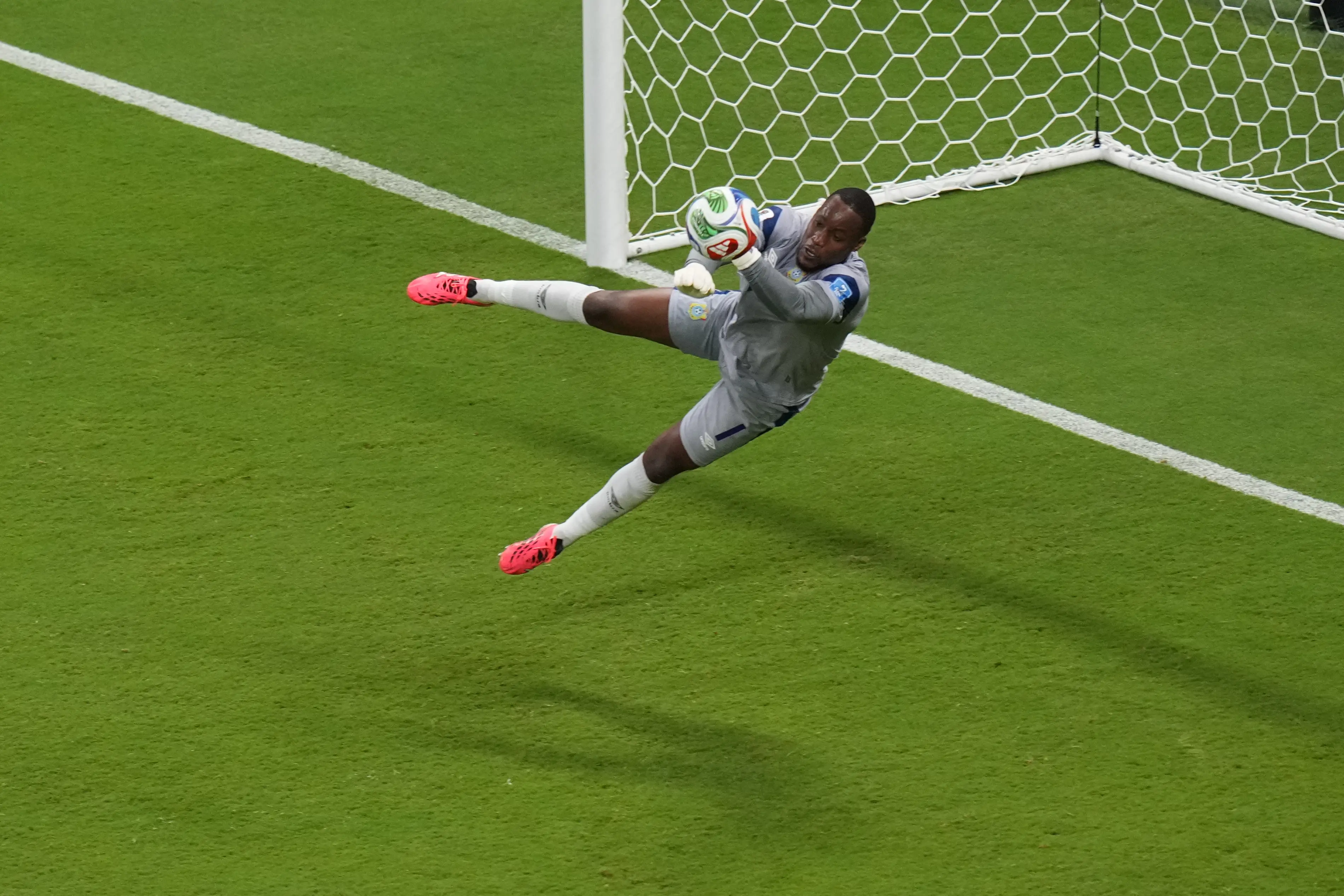
Source : Ballocentre.com
Images : Getty, FIFA, Supersport Football
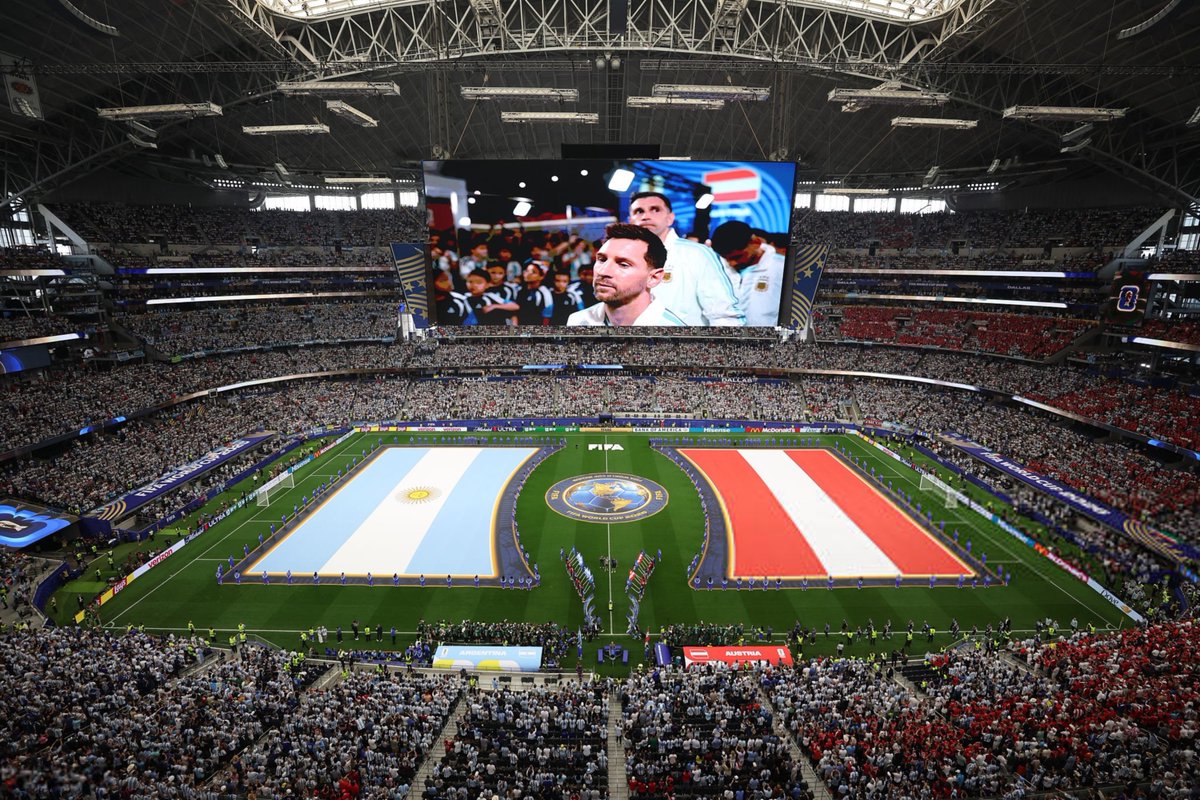
If there was ever a day that encapsulated everything the 2026 FIFA World Cup has given us in its opening twelve days, it was Monday the 22nd of June. Lionel Messi broke the all-time World Cup scoring record — twice — and missed a penalty in between. Kylian Mbappé scored his 100th cap brace in Philadelphia while thunderstorms raged overhead. Erling Haaland scored twice more to fire Norway into the knockout rounds. And Algeria came from behind to eliminate Jordan and keep their own tournament alive. The Golden Boot race is now the most compelling subplot in world football. Day Twelve delivered everything.
Argentina 2-0 Austria: Messi Rewrites History — Again
In Arlington, Texas, at the 70,649-capacity AT&T Stadium, Lionel Messi did what Lionel Messi always does: he waited for the biggest moment and delivered with unforgettable precision. Two goals — the first breaking the record, the second extending it — and a missed penalty sandwiched between them. The record books now read 18 World Cup goals. Nobody else in the history of the men's game has come close.
Messi had equalled Miroslav Klose's all-time record of 16 World Cup goals with his hat-trick against Algeria in the opening game. His two goals against Austria broke the record and took him two clear at the top.
The drama began almost immediately. Lautaro Martínez was brought down in the box inside five minutes, and Messi stepped up for the chance to break the record from the spot. He missed — his third penalty miss in seven World Cup attempts — stunning the fiercely pro-Argentina crowd into silence.
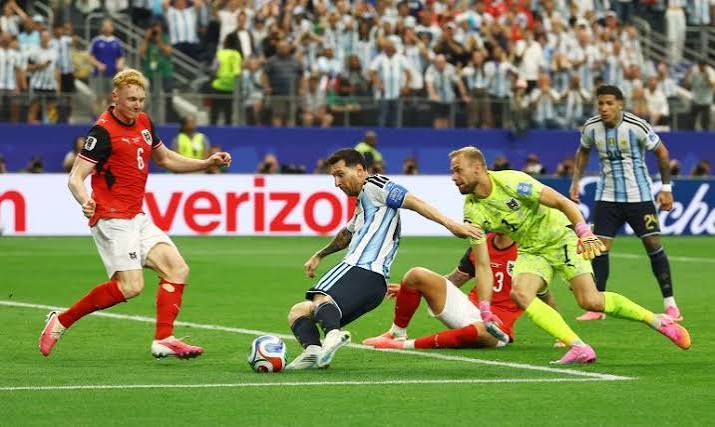
In the 38th minute, a sweeping Argentine move saw left-back Facundo Medina find space, and his cutback allowed Messi to coolly slide the ball past Alexander Schlager — his 17th World Cup goal, surpassing Klose outright. The stadium erupted. Messi dropped to his knees. Alexis Mac Allister was later asked to describe what it was like to play alongside him. "There are no words to describe what Messi does," he said simply.
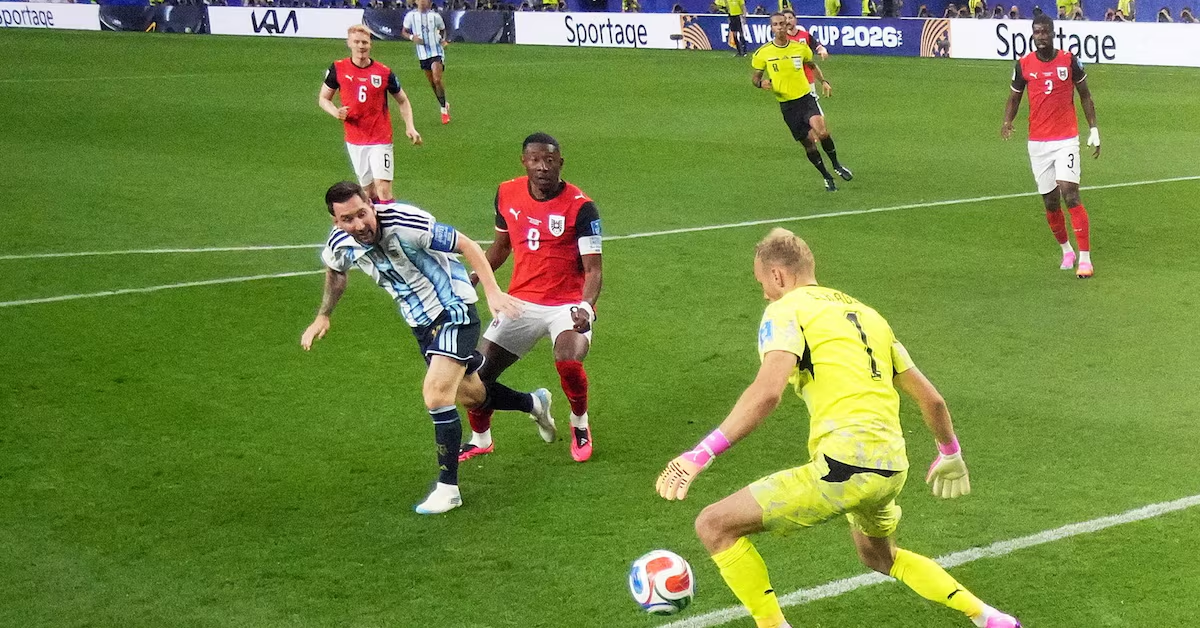
The second half drifted — Austria were well-organised and committed, Kevin Danso outstanding in defence — but in stoppage time, Messi followed up on Julián Álvarez's blocked effort and smuggled the ball past four defending Austrian players to make it 18, sealing Argentina's progress into the Round of 32 as Group J winners.

France 3-0 Iraq: Mbappé Makes History in a Storm
If Dallas was the day's most emotionally resonant match, Philadelphia produced its most extraordinary circumstances. The France vs Iraq match made history as the first World Cup contest ever to be delayed by weather, with lightning forcing the second half to be suspended for over two hours as a fierce thunderstorm rolled over Lincoln Financial Field.
It was Mbappé's day in every sense. Kylian Mbappé scored twice on his 100th appearance for France to help them to a 3-0 victory over Iraq — with half-time lasting two hours due to the storms. He scored in the 14th and 54th minutes, with Ousmane Dembélé adding France's third — his first goal at a major tournament on what was his 20th such appearance, across 13 World Cup games.

Mbappé's brace took his World Cup tally to 16 goals, drawing him level with Miroslav Klose's former record — though earlier in the day Messi had already moved to 18, so Mbappé finds himself two behind the Argentine's landmark.
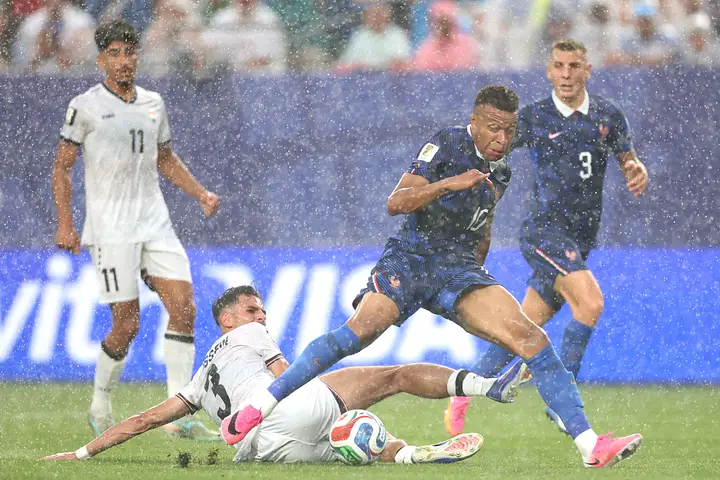
Mbappé became the fourth player to score two or more goals in at least three successive World Cup appearances, alongside Sándor Kocsis in 1954, Guillermo Stabile in 1930, and Lionel Messi in 2026. Meanwhile, Didier Deschamps secured his 16th World Cup victory as France manager, equalling Helmut Schön's record.
The match itself was one-sided — France superior throughout — and Iraq's campaign ends with five defeats in five World Cup matches, leaving them as the first Asian nation to lose their first five games in the competition. The thunderstorm, the rain-soaked field, the two-hour delay — and still France delivered, with Mbappé at the centre of everything.

Norway 3-2 Senegal: Haaland Fires the Vikings Into the Knockouts
At the MetLife Stadium in East Rutherford — the same venue that will host the World Cup final on 19 July — a pulsating 3-2 thriller saw Norway book their place in the Round of 32, with Erling Haaland once again the decisive force.
Haaland scored twice in the second half to take his tournament tally to four goals, moving level with Mbappé and one behind Messi in the Golden Boot race. He is the first Norwegian player to score in consecutive World Cup appearances and only the second player in the past 50 years to score multiple goals in each of his first two World Cup matches, after Harry Kane in 2018.
The match began under difficult circumstances. Norway lost full-back Julian Ryerson to injury after just 13 minutes, with substitute Marcus Holmgren Pedersen making an immediate impact — pouncing on a dreadful Kalidou Koulibaly error to rifle home under Édouard Mendy just before half-time.
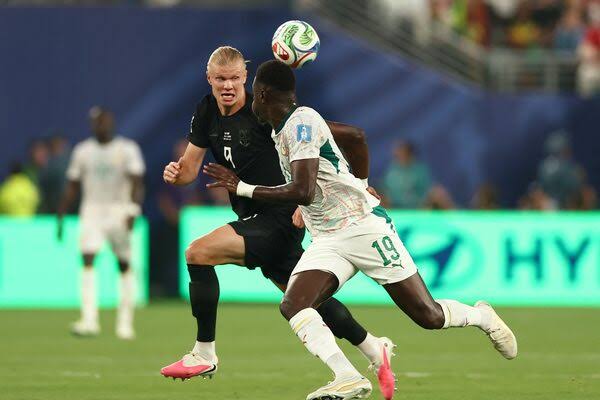
Haaland then took centre stage with two superb second-half goals — the first a thunderous counterattacking finish into the top corner from Ødegaard's perfectly-weighted pass, the second an outrageous volley off the crossbar and into the net with his weaker right foot after clever work from David Møller Wolfe on the byline.
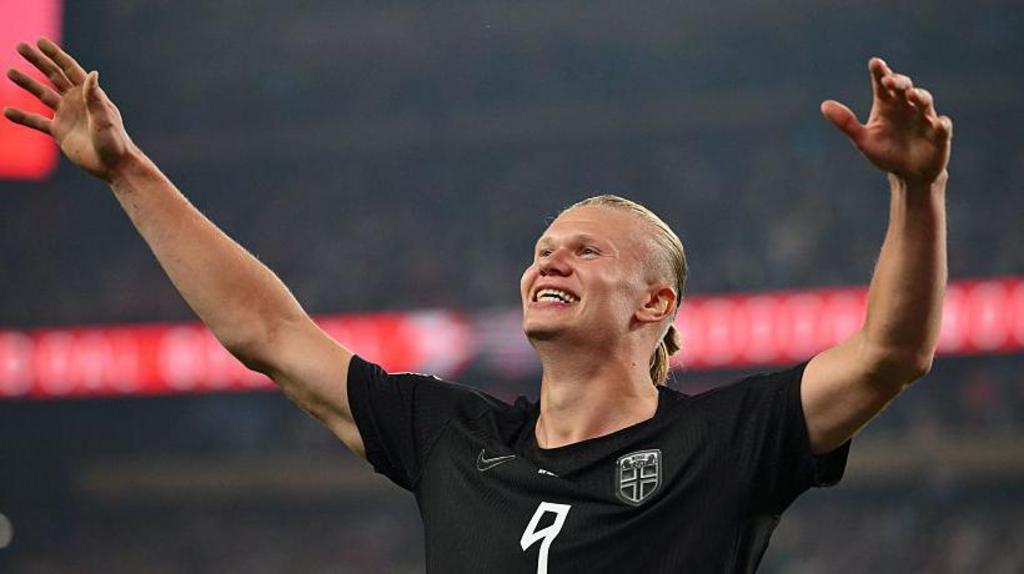
Ismaïla Sarr scored twice for Senegal — the second a late consolation in stoppage time that set up a tense nine-minute finale — but Norway held on to join France in the knockout rounds, leaving Senegal needing a win against Iraq in their final group game to stand any chance of survival.

Jordan 1-2 Algeria: Gouiri's Late Header Keeps the Desert Warriors Alive
The day's final match, played late into the night at Levi's Stadium in Santa Clara, produced a dramatic comeback that keeps Algeria's World Cup campaign alive and eliminates Jordan from the tournament.
Jordan looked set for a famous result after Nizar Al-Rashdan's superb first-half strike gave them a deserved lead, with Riyad Mahrez left to rue two missed chances as the Chivalrous Ones carried their advantage into the break.

Algeria emerged with renewed intensity after the interval and were rewarded in the 68th minute when Nadhir Benbouali headed home from a Mahrez corner to equalise. The winner came in the 82nd minute as substitute Amine Gouiri nodded in Amin Hadj Moussa's corner delivery — his instinctive back-post header completing a stunning comeback.
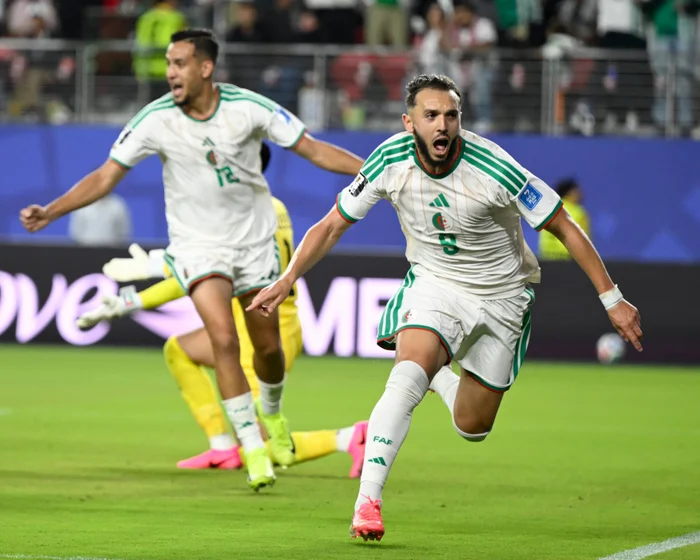
Source : Ballocentre.com
Images : Getty, FIFA, Supersport Football

Sunday the 21st of June was a day dominated by redemption stories, record books and one extraordinary island nation that simply refuses to read the script. Spain emphatically announced their World Cup arrival with a dazzling first-half performance. Mohamed Salah wrote himself into Egyptian football history. Belgium stumbled again. And Cape Verde — the Blue Sharks of the Atlantic — produced yet another miracle to draw with Uruguay and send shockwaves rippling through Group H. Day Eleven of the 2026 FIFA World Cup delivered once again.
Spain 4-0 Saudi Arabia: Yamal Joins the Party — and Spain Finally Arrive
The pressure on Spain going into this match was immense. Having been held to a goalless draw by Cape Verde in their tournament opener — one of the biggest shocks in recent World Cup memory — Luis de la Fuente's side faced the very real possibility of an early exit if they failed to win. They responded in the most emphatic manner imaginable.

Lamine Yamal returned to the starting lineup and Spain returned to their fluent best as they smashed four goals past Saudi Arabia to get their first win of the 2026 World Cup. The 18-year-old Barcelona forward, introduced only as a substitute in the opener, was given his first World Cup start — and wasted precisely 11 minutes before making his mark.
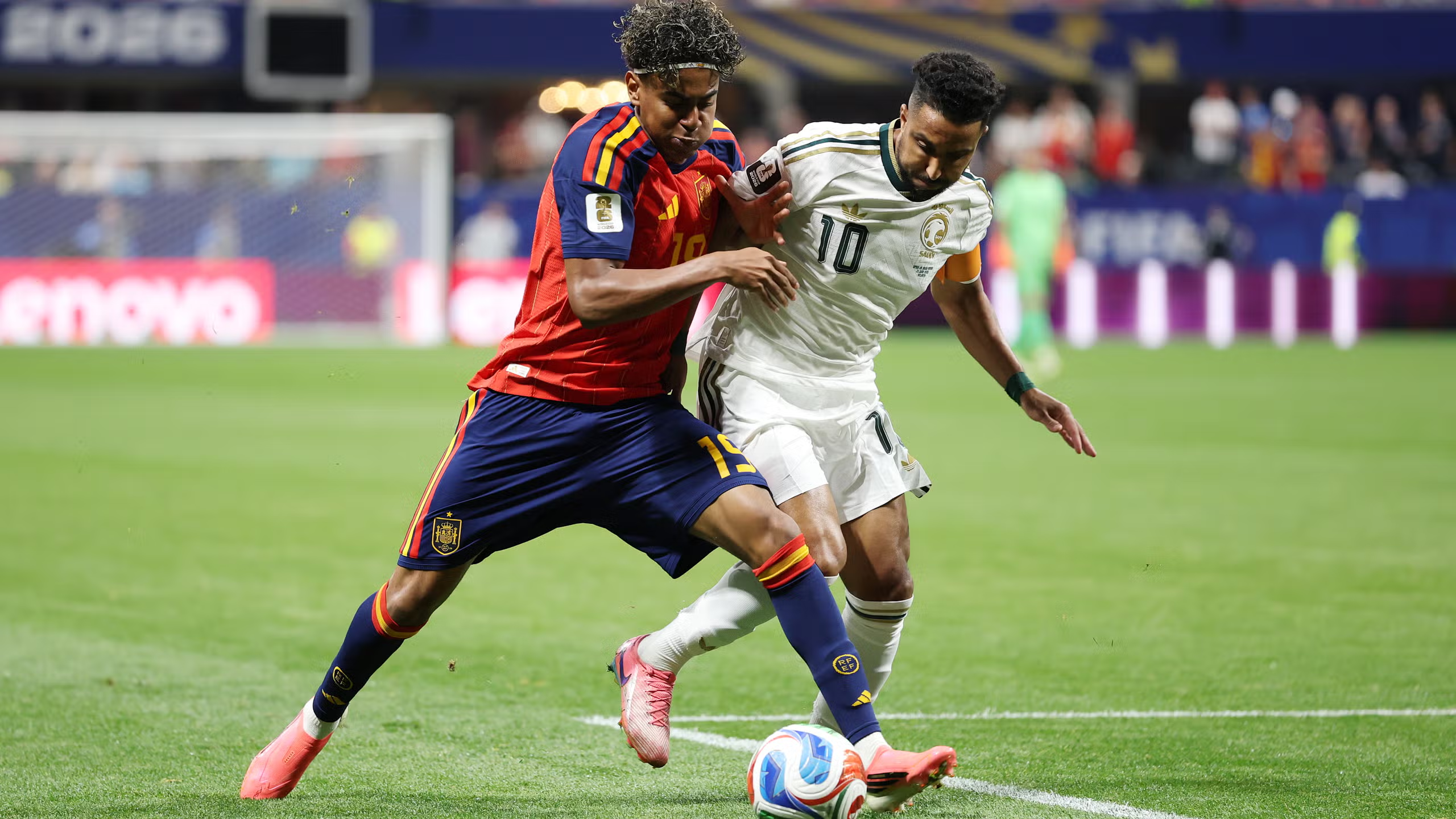
Yamal's opener sparked a flurry of first-half goals. Oyarzabal — who was criticised for not touching the ball at all in the first 30 minutes against Cape Verde — not only provided the assist for Yamal but scored twice more with close-range strikes in the 21st and 24th minutes. So dominant was Spain's lead that De la Fuente had seen enough and took both scorers off at half-time.

Four minutes into the second half, Cucurella forced an own goal off Hassan Al Tambakti to make it four. Ferran Torres thought he had added a fifth late on, but VAR ruled the effort out for offside after a lengthy review. The scoreline stayed at 4-0 — Spain top Group H and, for the first time in this tournament, look like themselves.
Belgium 0-0 Iran: Red Card Derails Belgium's Night Again
In Los Angeles, Belgium's increasingly desperate search for a first World Cup win continued — and ended in the most frustrating fashion as a red card to substitute Noë Ngoy in the 66th minute effectively ended any realistic hope of breaking through Iran's disciplined defensive block.

The standout moment of an otherwise turgid first half came in the 11th minute when Mehdi Taremi finished a clever free-kick routine, only for VAR to rule the goal out for offside. Belgium's best chance fell to Romelu Lukaku, whose effort was saved by Alireza Beiranvand.
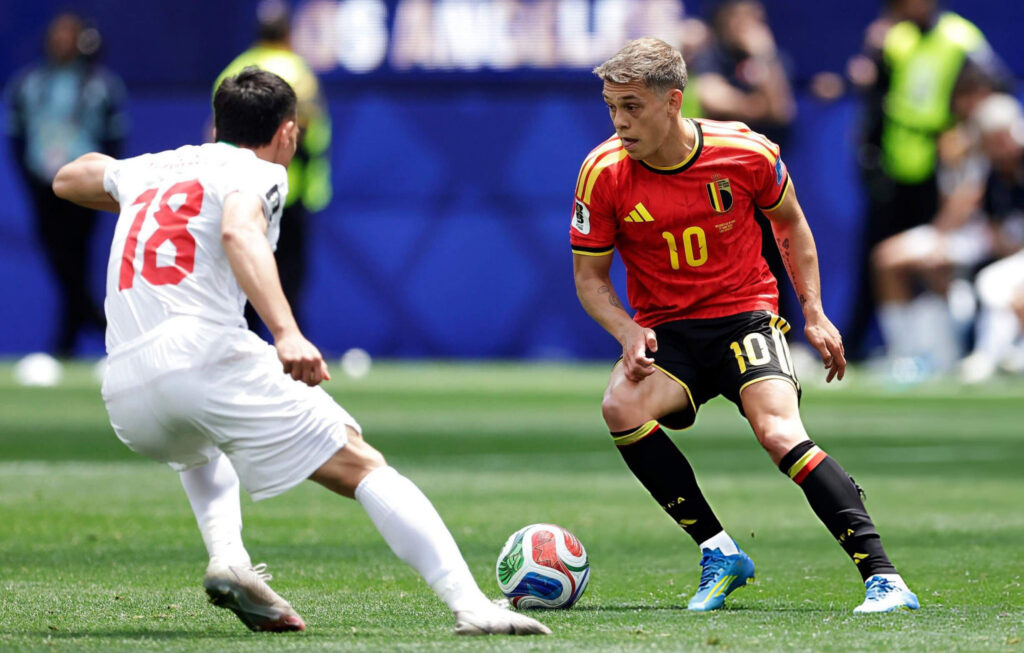
Ngoy received a straight red card in the 66th minute for serious foul play, leaving Belgium with ten men for the final quarter of an hour. Iran, who had been content to defend their draw, saw the red card as an invitation to seek a winner of their own — Ezatolahi had a shot saved in the 81st minute — but neither side could find the decisive moment.
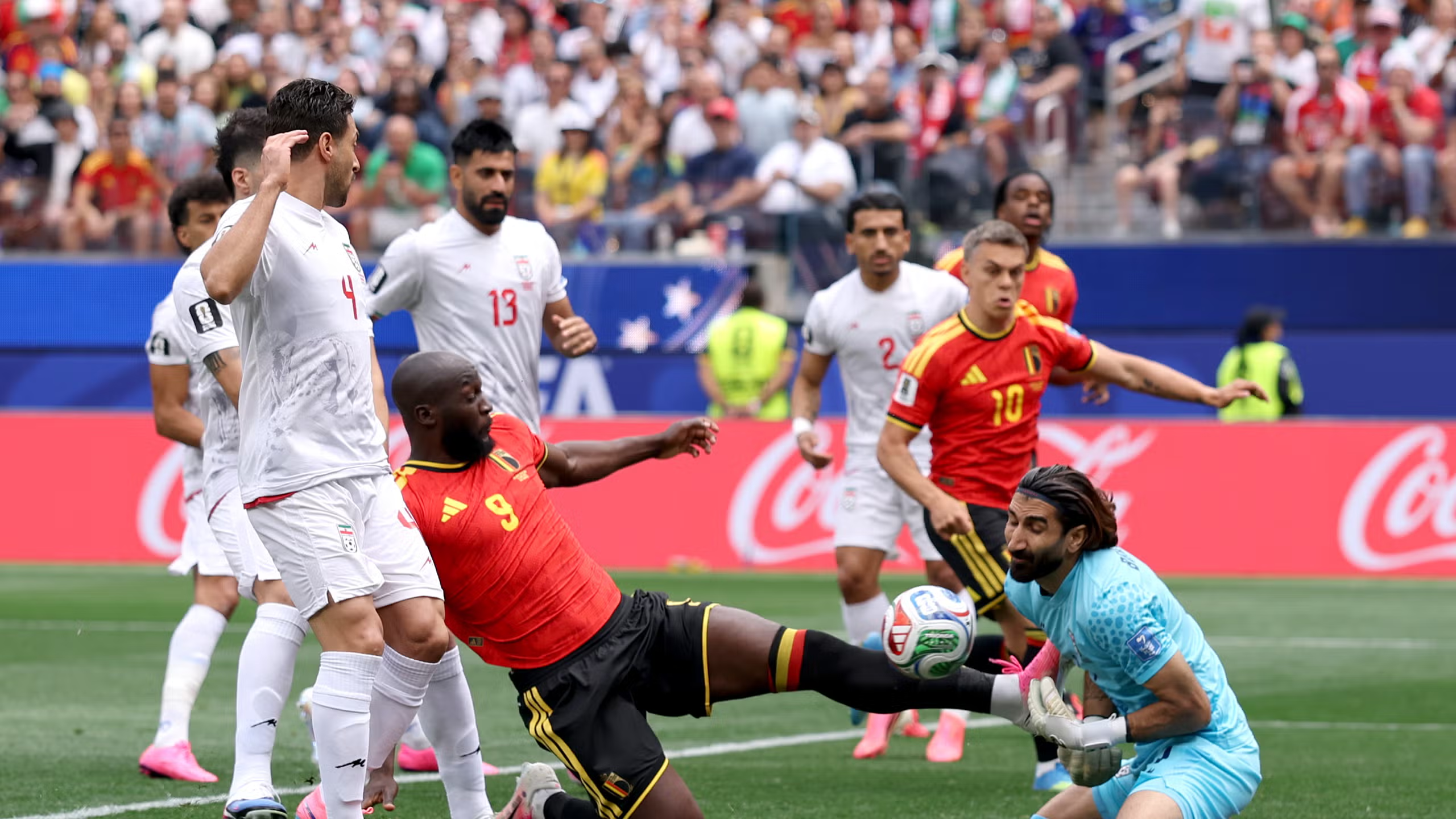
Uruguay 2-2 Cape Verde: The Blue Sharks Strike Again
In Miami, Cape Verde — already heroes of this World Cup for holding Spain scoreless in their opener — conjured yet another miracle. The Blue Sharks, making their World Cup debut, held Uruguay to a 2-2 draw in a result that sends shockwaves through Group H and keeps their extraordinary tournament alive going into the final matchday.
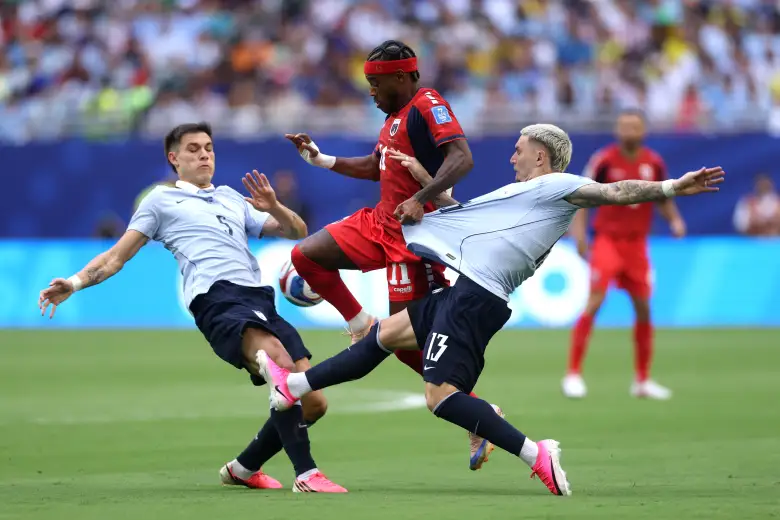
Cape Verde pulled off another shock as they held Uruguay to a 2-2 draw for their second straight point in their maiden World Cup. Uruguay took the lead, Cape Verde equalised, Uruguay restored their advantage, and Cape Verde levelled again — each time refusing to accept the script that had been written for them.
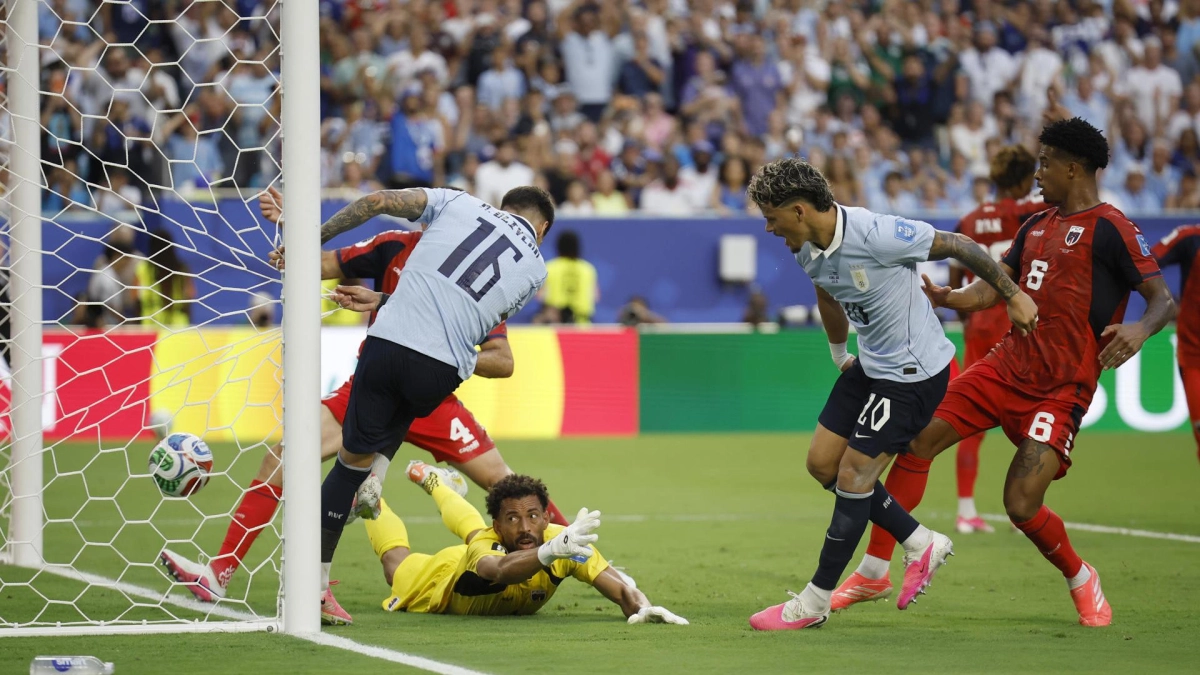
The Blue Sharks continue their fairy tale with another Celeste point — a result that, combined with Spain's win, means Group H going into the final round is genuinely wide open. Spain lead with four points, Uruguay have two, Cape Verde have two — and Saudi Arabia, despite their heavy defeat, retain one. Every permutation is still possible. Every team can still qualify. It is exactly the kind of drama the expanded World Cup format was designed to produce.
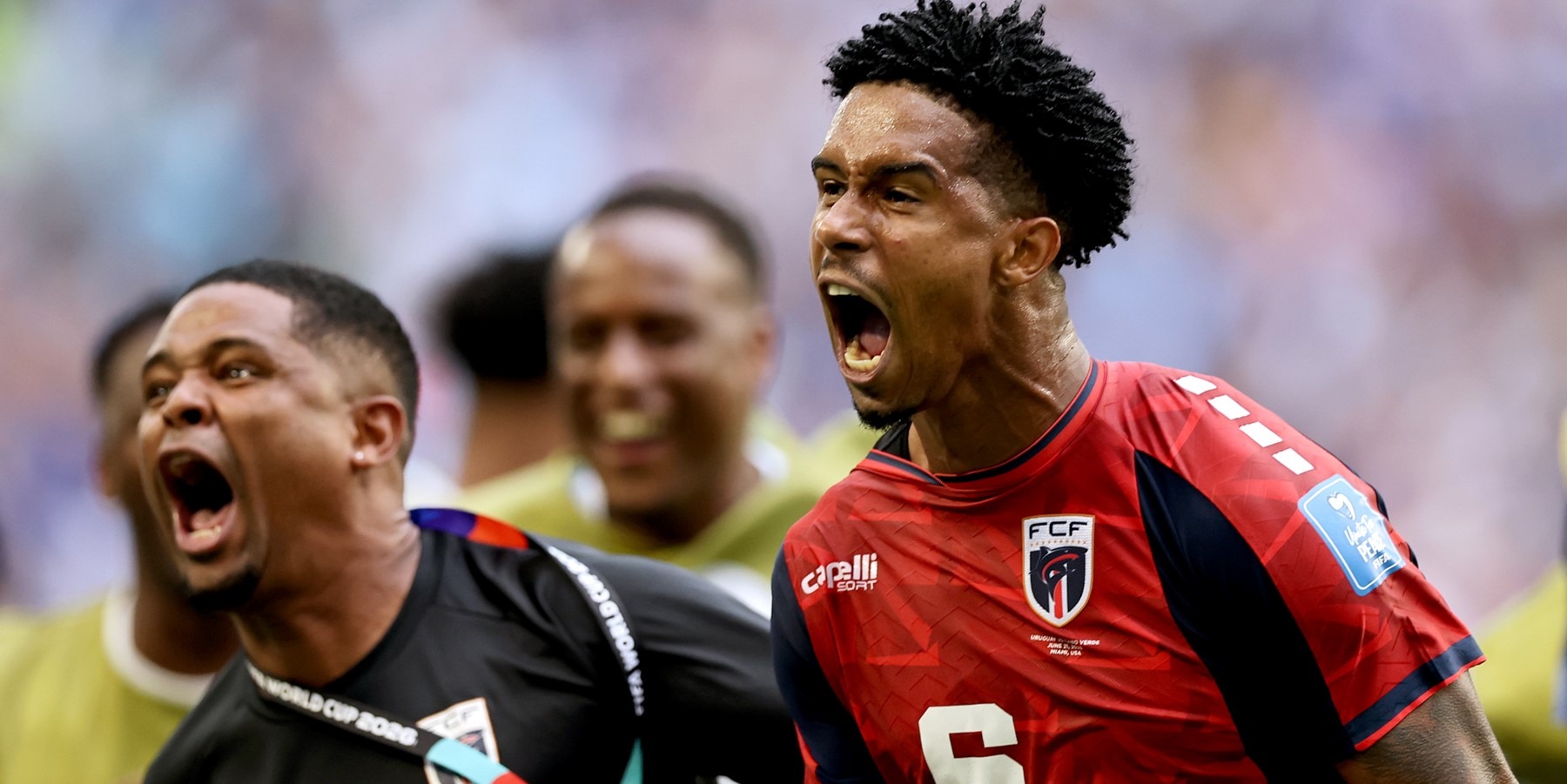
Egypt 3-1 New Zealand: Salah's Moment of History
The day's final match, played at BC Place in Vancouver, produced its own extraordinary moment — one that Egyptians watching across the world will treasure for generations. Mohamed Salah, playing his first World Cup at the age of 34, scored his first-ever World Cup goal to help Egypt claim their first-ever World Cup victory.
New Zealand struck first through Tim Payne, who sent in a cross from a corner and Surman rose high at the near post to glance the ball into the net. Egypt were transformed in the second half, and made their dominance pay just before the hour mark. Mostafa Zico was left unmarked in the box when Mohamed Zany swung in a cross from the right and he powered home the equaliser.

The comeback was complete in the 69th minute as Mohamed Salah exchanged a one-two with Zico before curling a low drive into the bottom corner. Egypt made sure of the historic victory in the 82nd minute as substitute Trézéguet ran onto Salah's corner at the near post and flicked a header into the net.

Mohamed Salah scored the go-ahead goal and Egypt went on to defeat New Zealand 3-1, securing a first-ever World Cup win. After 34 years and numerous campaign failures, Egypt are a winner at the World Cup — and their greatest-ever player scored the goal that made it happen. The scenes of celebration in Egypt, and among the Egyptian diaspora across North America, were reportedly overwhelming.
Source : Ballocentre.com
Images : Getty, FIFA, Supersport Football
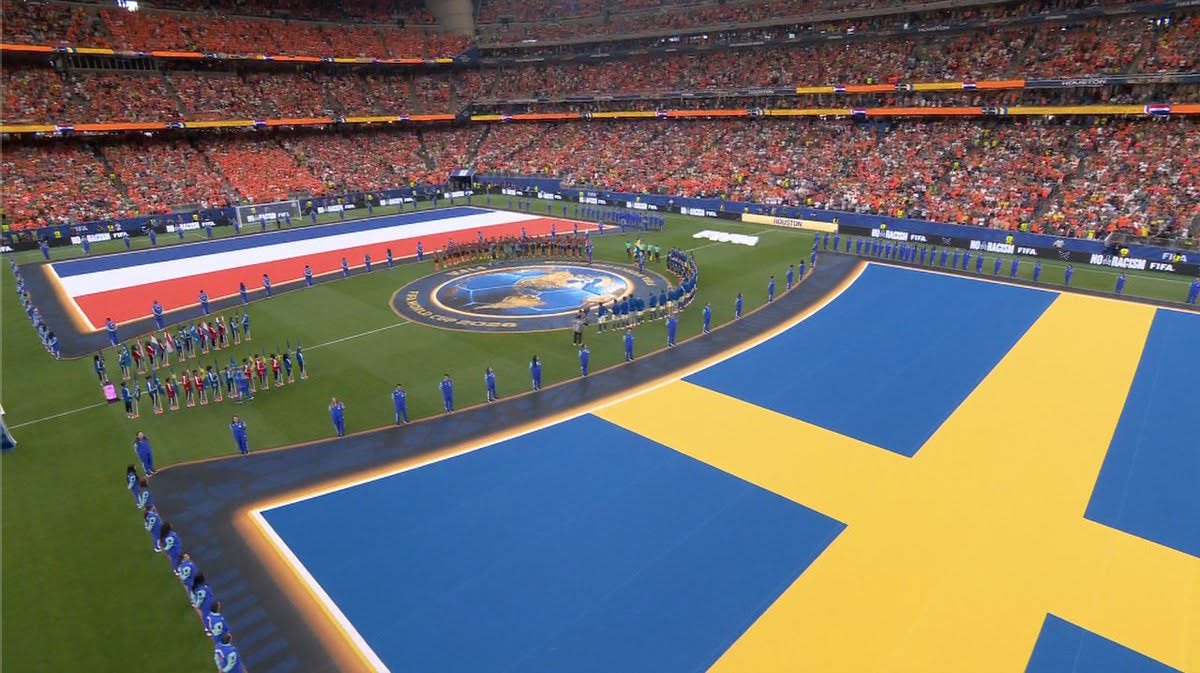
Saturday the 20th of June 2026 was a day that will live in the memory of this World Cup long after the final has been played. Groups E and F produced four matches of wildly different character — a nerve-shredding German comeback, a Dutch demolition, a historic Japanese rout, and a goalkeeping performance so extraordinary it may never be equalled. Two small island nations — one Caribbean, one Pacific — were at the heart of two of the most astonishing stories of the tournament. And through it all, one name kept appearing: Deniz Undav, the super-substitute who is quietly becoming the defining player of the 2026 World Cup.
Germany 2-1 Ivory Coast: Undav Does It Again
For 67 minutes in Toronto, it looked as though Ivory Coast were going to produce the upset of the tournament. The Elephants, who had stunned Ecuador in their opener with Amad Diallo's 90th-minute winner, had taken the lead against a Germany side that dominated possession but couldn't find a way through.
Ivory Coast struck against the run of play in the 30th minute. Yan Diomandé delivered a dangerous low cross into the box, Manuel Neuer saved Amad Diallo's initial effort, but Franck Kessié reacted quickest to fire the rebound into the net. Germany had already had a goal disallowed — Aleksandar Pavlović headed in from a corner in the 23rd minute, but VAR ruled the goal out for a foul on goalkeeper Yahia Fofana.
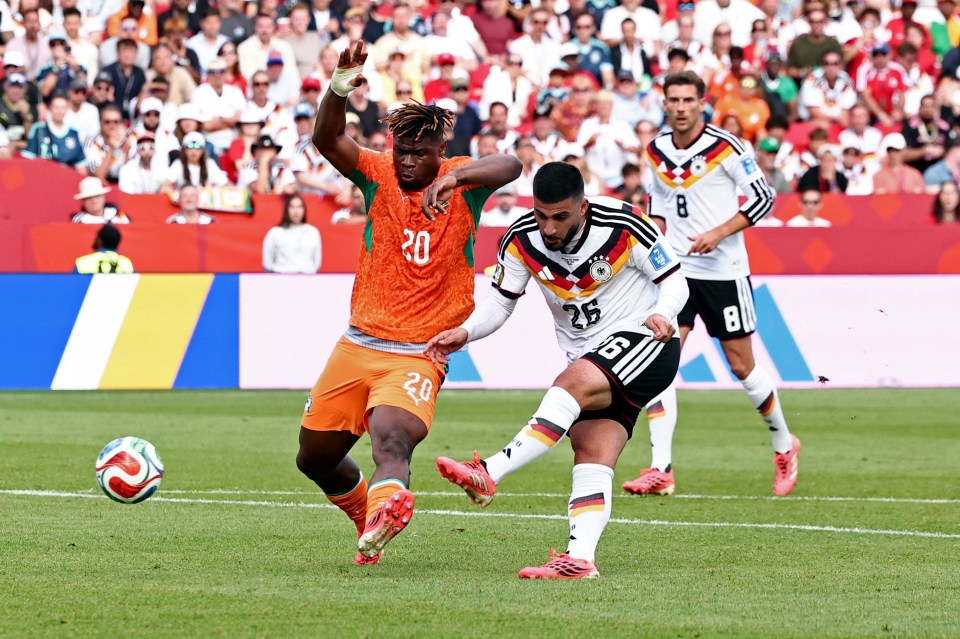
Nagelsmann made his decisive moves. Sané, Musiala, and Pavlović made way for Undav, Amiri, and Leweling — and the impact was immediate. In the 68th minute, a cross by fellow substitute Amiri missed Havertz but found the run of Undav, who volleyed past Yahia Fofana from inside the area to level the match. Then, in the most dramatic fashion possible, in the 94th minute, Nmecha stayed composed and drilled a pass into Undav. The striker was just inside the area as he took a touch to turn before blasting a strike to win the match for Germany late on.
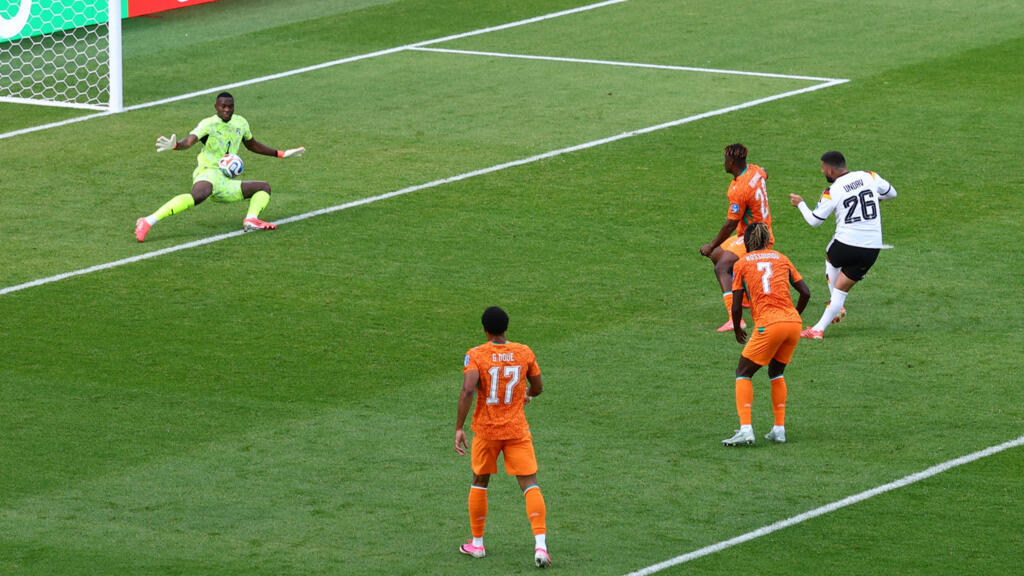
Undav has now been directly involved in five goals as a substitute at the 2026 FIFA World Cup — three goals and two assists — the joint most at a single edition of the competition since 1966, alongside Roger Milla in 1990. He is also the first Germany player to score in his first two World Cup appearances since Miroslav Klose in 2002.
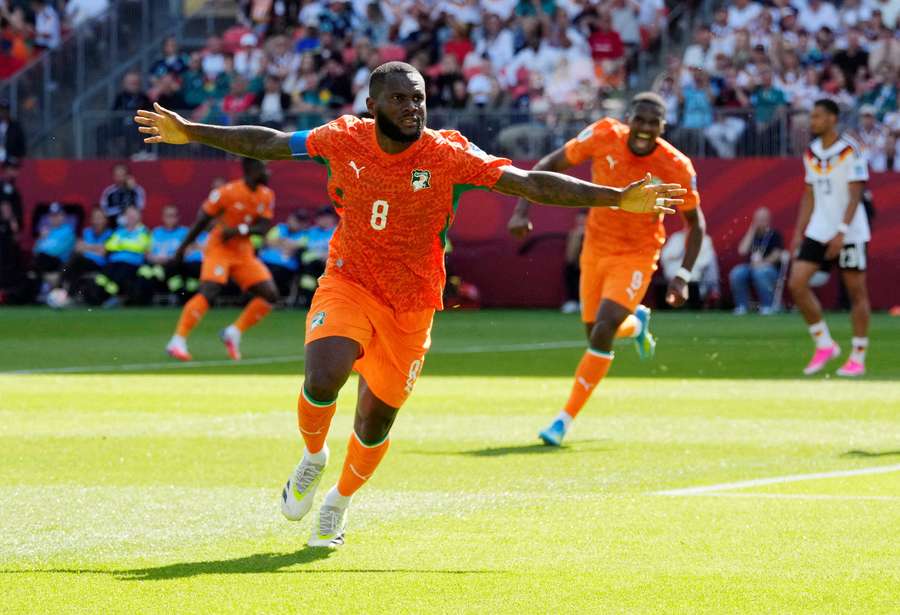
Germany's victory officially puts them into the Round of 32, ending their run of back-to-back group-stage exits in 2018 and 2022 — the first time in their World Cup history they had suffered that fate. Ivory Coast, despite the defeat, remain very much in the hunt for the knockout rounds — but must now produce a result against Curaçao in their final group match.
Ecuador 0-0 Curaçao: Eloy Room and the 15-Save Masterclass
In Kansas City, the tournament witnessed its second Vozinha moment in five days — another goalkeeper from a tiny island nation producing a display of quite extraordinary heroism to deny a vastly superior opponent.

Curaçao goalkeeper Eloy Room made history with an incredible 15 saves to earn his country their first-ever World Cup point by holding Ecuador to a 0-0 draw in Group E. Room, 37, set a new record for the most saves in 90 minutes of a World Cup match since records began in 1966.
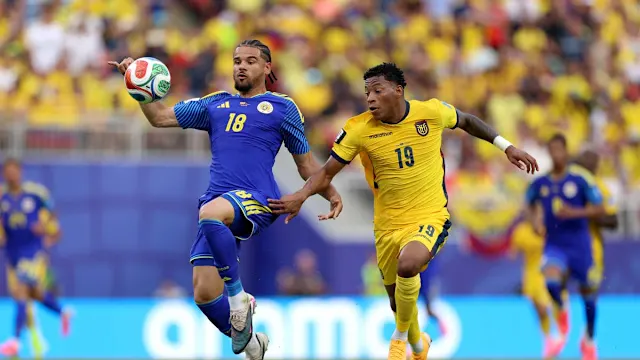
Ecuador dominated the run of play with 63% of possession to 26% for Curaçao, and also had a 28-10 advantage in shots, yet drew another blank after already losing 1-0 to Ivory Coast in their opener. Enner Valencia was the most wasteful of Ecuador's forwards with seven shots, denied by Room's best save in only the third minute when clean through on goal, before Gonzalo Plata had his close-range header parried by the unbeatable goalkeeper.
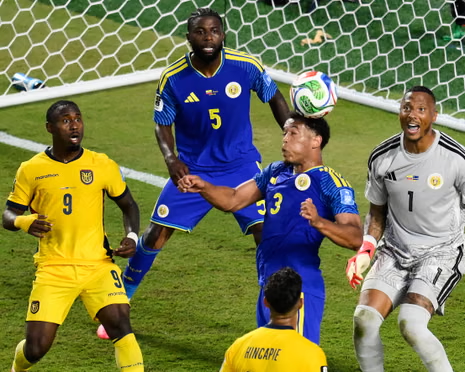
Ecuador, fancied by many to go deep into the tournament after a promising qualifying campaign, have only a point from two games and must now beat table-toppers Germany to qualify. Curaçao, remarkably, will go through if they beat Ivory Coast in their final match. The smallest nation in World Cup history, with a population of just 158,000 people, are still alive. Extraordinary.
Netherlands 5-1 Sweden: The Dutch Announce Themselves
In Houston, before a crowd of nearly 69,000 — among them King Willem-Alexander and Queen Máxima of the Netherlands in a luxury suite — Ronald Koeman's side produced the performance of the tournament so far, dismantling Sweden 5-1 in a display of power, pace and precision that sent a message to every team remaining in the competition.
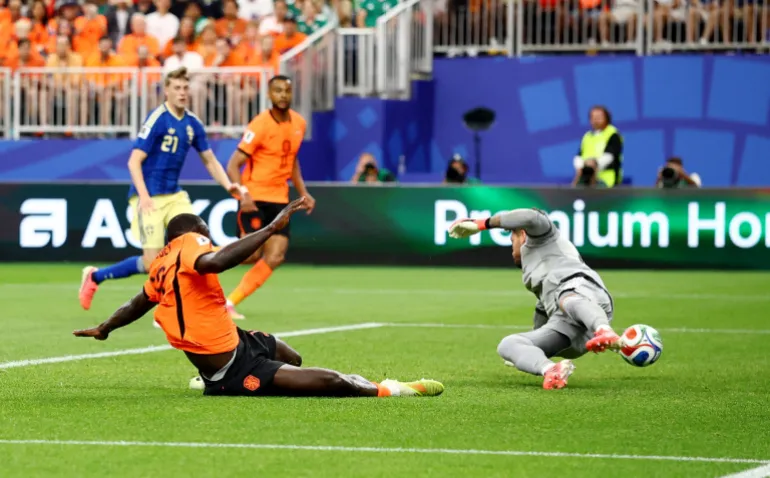
Brian Brobbey and Cody Gakpo scored two goals apiece to power Netherlands to the 5-1 win, bouncing back after a disappointing opening draw with Japan to move atop the Group F standings. Koeman sprang a selection surprise by starting Brobbey ahead of Crysencio Summerville, and the Sunderland striker justified the decision emphatically.
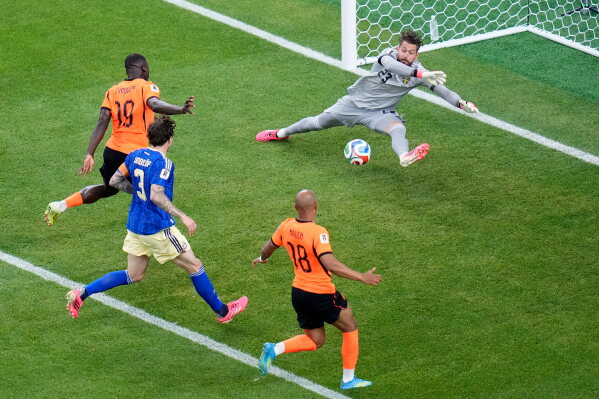
Brobbey got the Netherlands going in the fifth minute when Gakpo crossed into the middle of the box and Brobbey one-timed it with his right foot. His second goal came when he took a cross from Dumfries while sliding and just got his right foot on the ball, scoring inside the far post in the 17th minute.
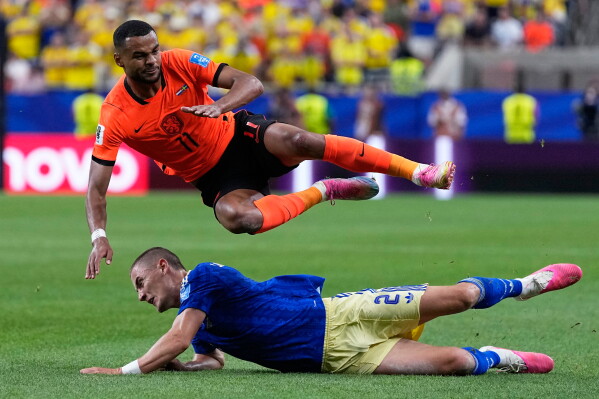
After Sweden had a goal ruled out for offside at the end of the first half, Gakpo hit two in the first 10 minutes of the second half, and although Anthony Elanga pulled one back for Graham Potter's Sweden just before the hour, substitute Summerville had the final say in the 90th minute.

Gakpo's second goal was his fifth in only seven World Cup appearances — he is now just two behind the Netherlands' record scorer at the finals, Johnny Rep. Sweden's Graham Potter, having watched his side suffer their biggest World Cup defeat since losing 7-1 to Brazil in 1950, was gracious in defeat:
"They're a top team and they were better than us today. We have to congratulate them."
Japan 4-0 Tunisia: History in the 1,000th Match
In Monterrey, on the night the World Cup reached its 1,000th-ever match, Japan made history of their own — producing their biggest-ever victory at the tournament to eliminate Tunisia and move level with the Netherlands at the top of Group F.
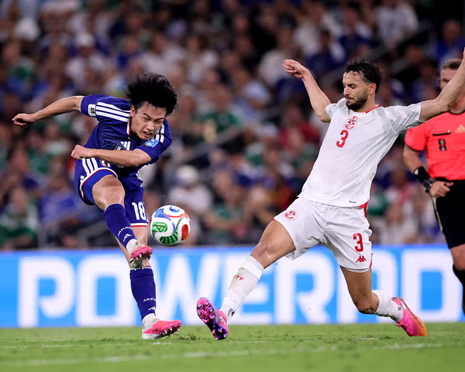
The impressive Keito Nakamura was the architect, dancing into the box and squaring across the face of goal where Daichi Kamada was on hand to prod home through a crowd of blue and white shirts in the fourth minute — the fastest goal ever scored by a Japanese player in World Cup history.

In the 31st minute, Ayase Ueda received the ball in midfield and drove toward the Tunisia box. He fired an angled shot from outside the box which flew into the left corner to make it 2-0 — a sensational finish. Junya Itō then slotted a third after Ueda's flick put him in a one-on-one with Tunisia's goalkeeper, which he finished calmly in the 69th minute, before Ueda completed his brace with a looping header in the 83rd minute.
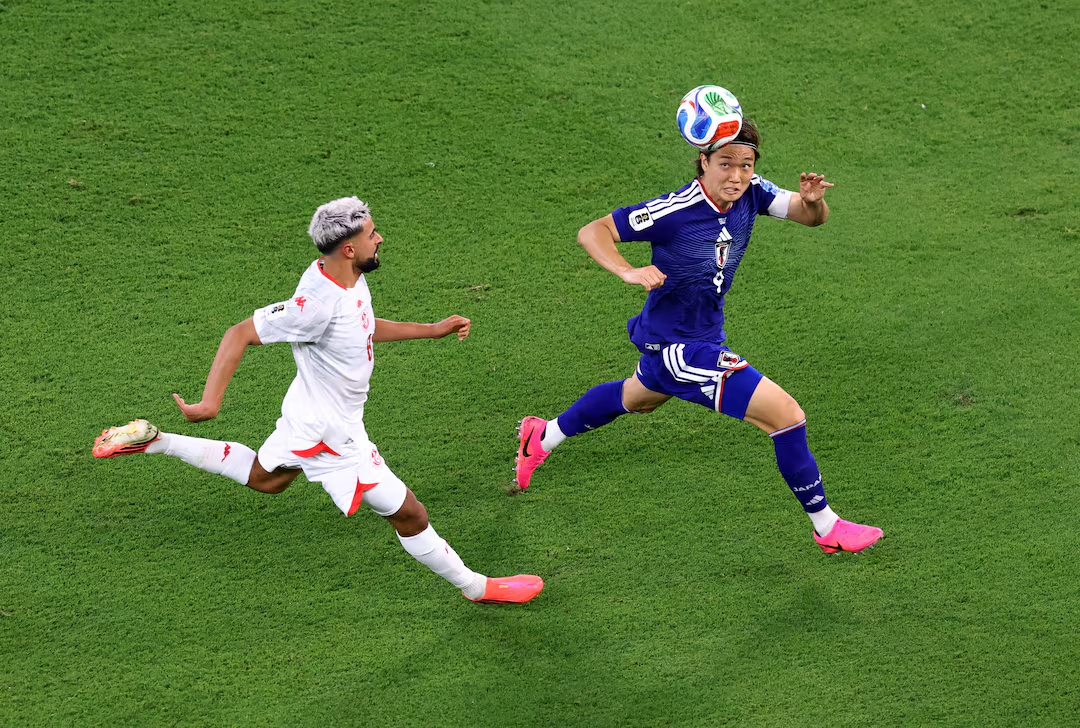
Japan became the first AFC team to score four goals in a World Cup game, earning their largest-ever margin of victory at the tournament. Tunisia became the first team in men's World Cup history to change coach after just one matchday — having sacked Sabri Lamouchi following the 5-1 loss to Sweden — but new coach Hervé Renard could not inspire a response as Tunisia crashed out with another heavy defeat
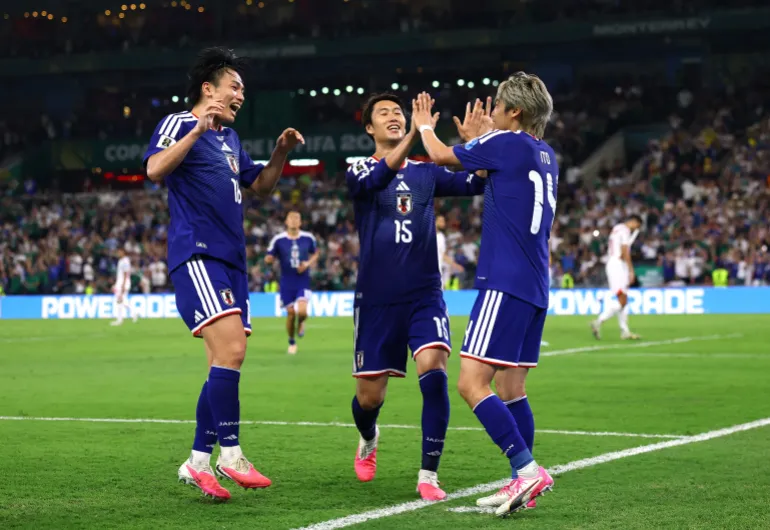
Source : Ballocentre.com
Images : Getty, FIFA, Supersport Football
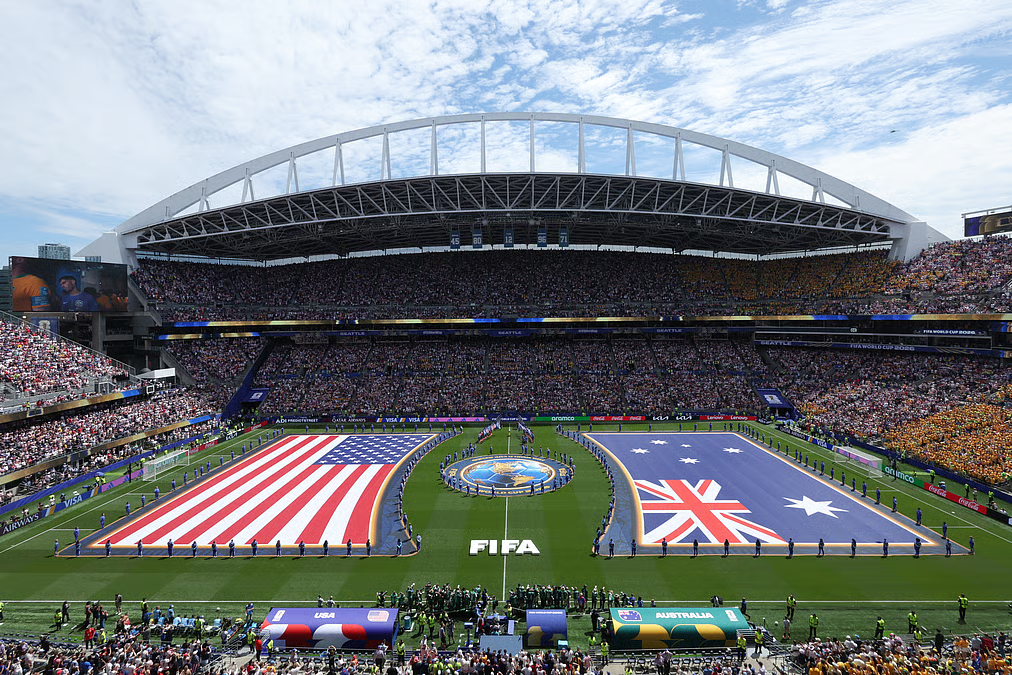
Day Nine of the 2026 FIFA World Cup — Friday, 19 June — was a day of stories within stories. The co-hosts continued their imperious form. A devastating Moroccan goal inside 70 seconds set the tone for the evening session. Brazil flexed their muscles against a spirited Haiti. And in San Francisco, in one of the most gripping results of the tournament so far, a ten-man Paraguay side held on against a wasteful Türkiye to eliminate them from the competition and keep their own knockout ambitions alive. Four matches. Four compelling narratives. Day Nine served it all up.
USA 2-0 Australia: A Nation's Team Clinch Their Place in the Knockout Rounds
The United States produced another authoritative performance to defeat Australia 2-0 at the Seattle Stadium and become the first team to secure a place in the Round of 32 at the 2026 World Cup.
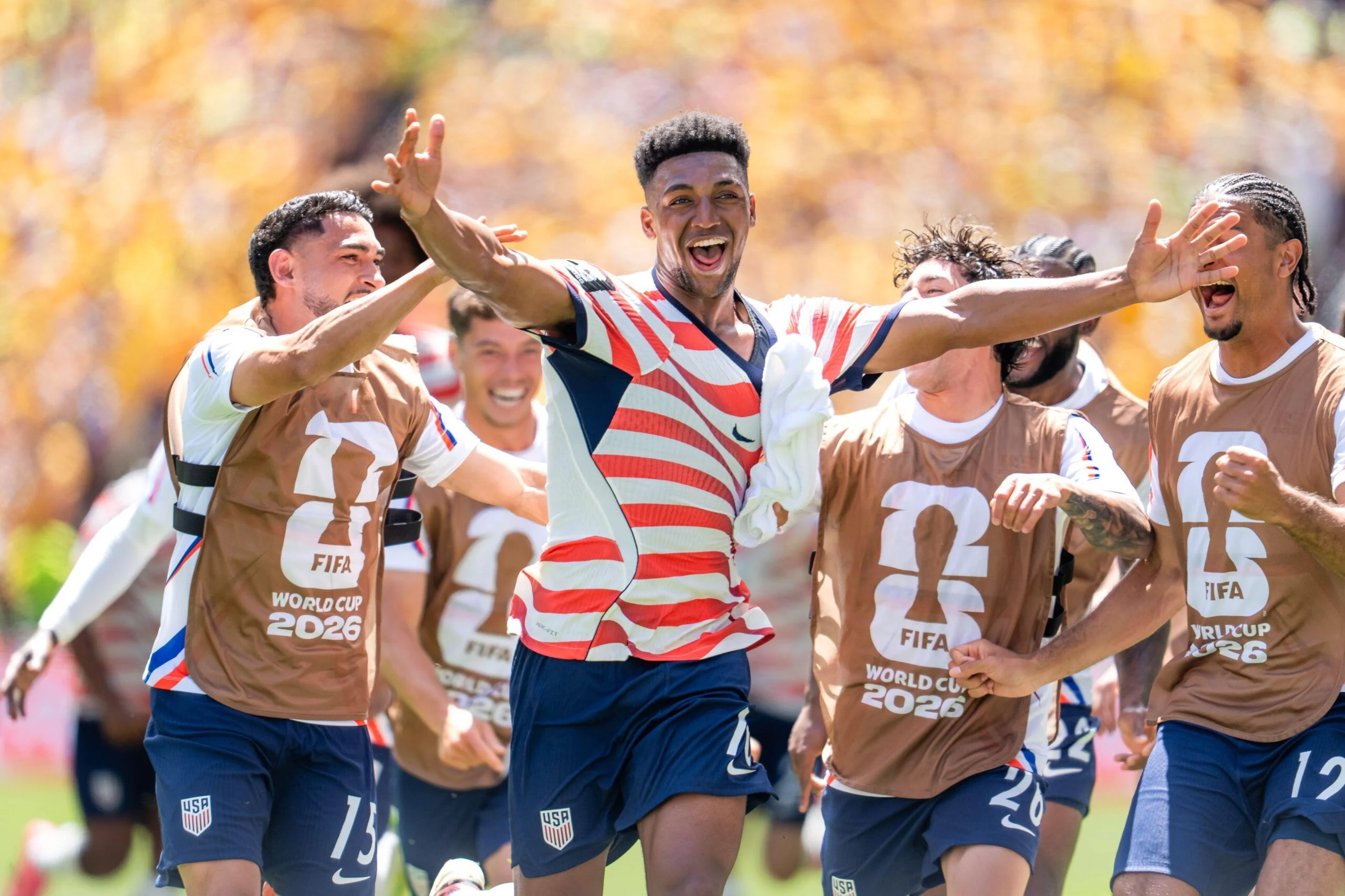
With Ricardo Pepi deputising for Pulisic and Folarin Balogun once again providing the attacking thrust, the USA were in control from the very first whistle. The breakthrough came in the 11th minute — a dangerous cross from Balogun forced Australian defender Cameron Burgess into an own goal, giving the hosts an early lead they would never relinquish. Balogun himself drew praise from former England midfielder Danny Murphy for his "brilliant run, with pace, speed and confidence," as the 24-year-old striker continued to prove that his prolific club form has translated seamlessly to international football's biggest stage.
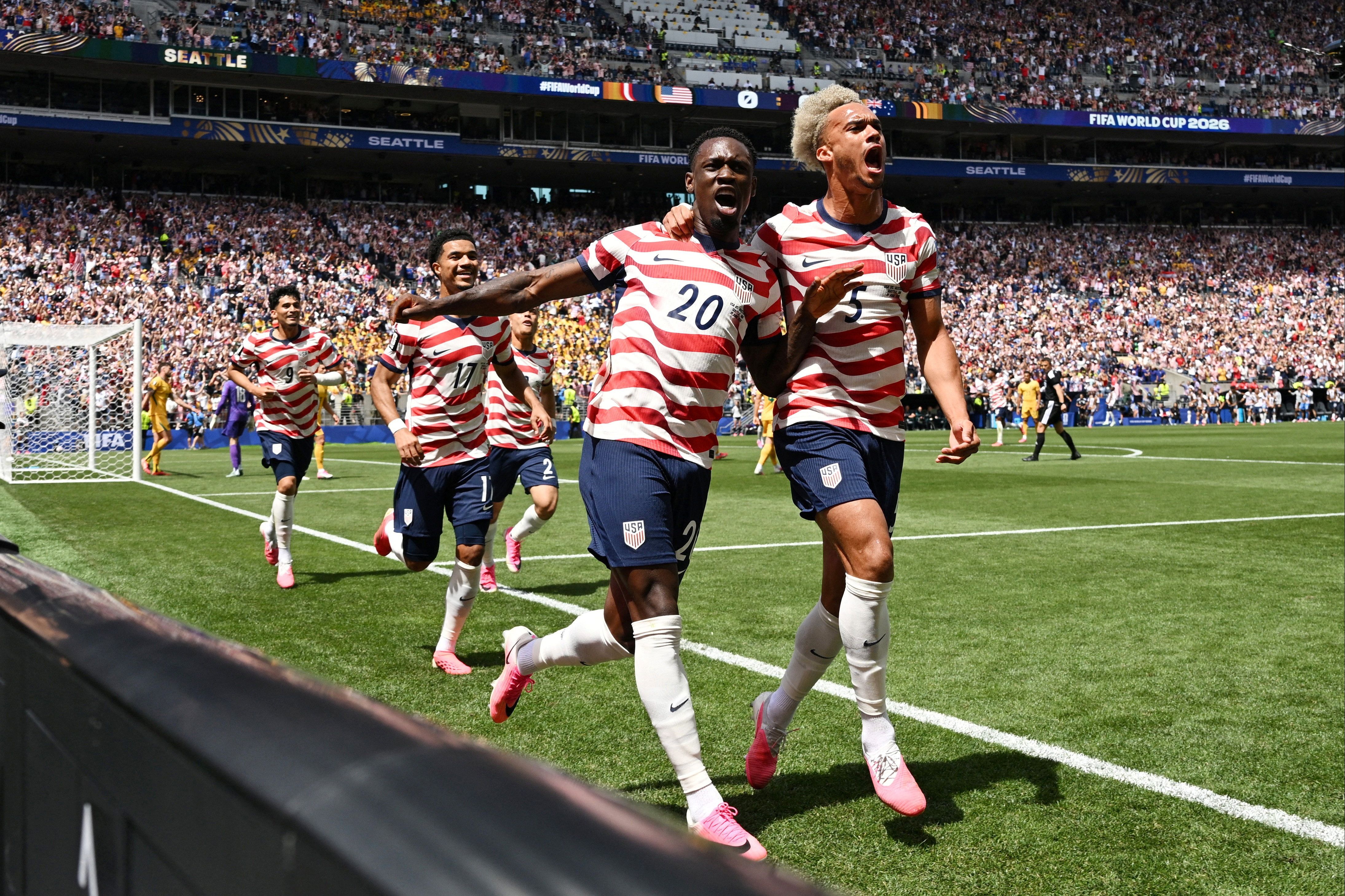
The second goal, decisive and deserved, arrived in the 43rd minute just before half-time. A deflected shot from Sergiño Dest found Alex Freeman, who headed home cleanly to double the lead. Australia brought on their day-one heroes Nestory Irankunda and Conor Metcalfe at half-time in search of a response, but could find no way through a disciplined American backline that has now conceded just once in two tournament matches.
Morocco 1-0 Scotland: Saibari Strikes in 70 Seconds, Scots Left to Reflec
At the Gillette Stadium in Boston — the same venue where Scotland had beaten Haiti in their opener — Morocco delivered a statement of intent so emphatic it came before most supporters had even found their seats. Ismael Saibari, the PSV Eindhoven forward who had also impressed against Brazil in Morocco's opening draw, received a perfectly-weighted through ball from Brahim Díaz and struck a first-time finish into the roof of the net after just 70 seconds. It was the fastest goal of the 2026 World Cup so far, and it set the tone for everything that followed.
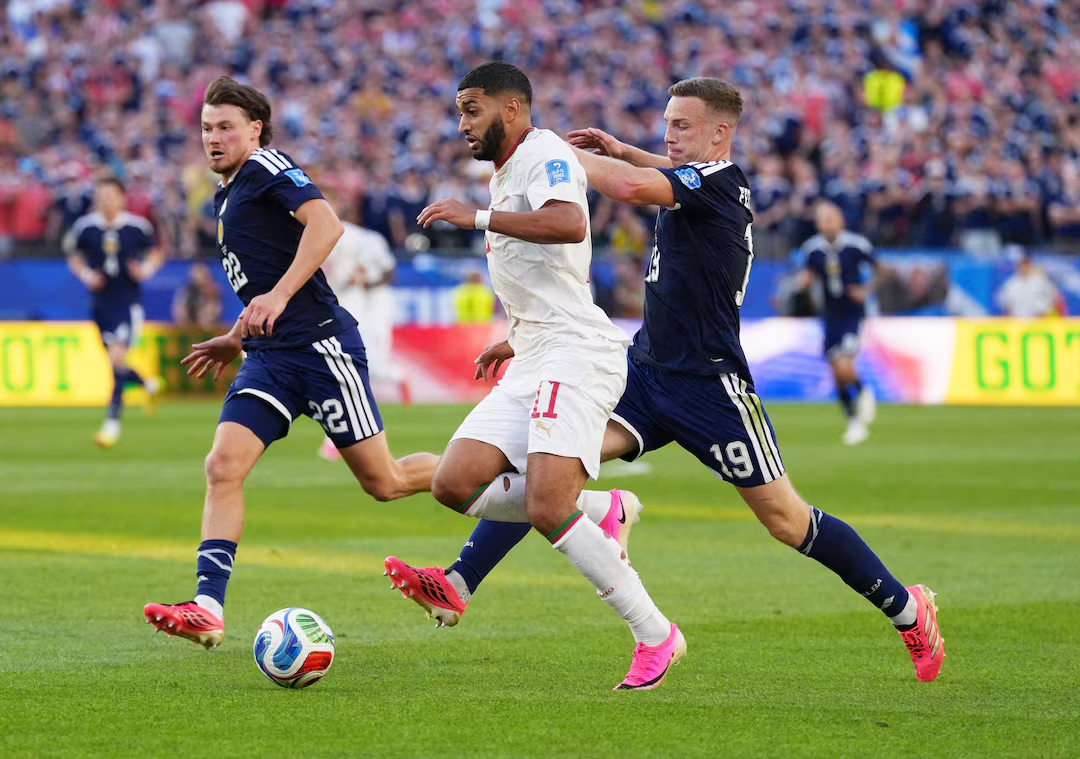
Scotland, to their enormous credit, regrouped. They came into this match having won their opener against Haiti, and Steve Clarke's side showed real character in the face of an early shock — pressing forward in the second half, creating half-chances, and pushing hard for an equaliser that never came. Scott McTominay had a penalty appeal waved away after a challenge from Neil El Aynaoui — a decision that divided pundits, with Roy Keane insisting the Morocco defender "puts his leg out, but not enough to give a penalty."
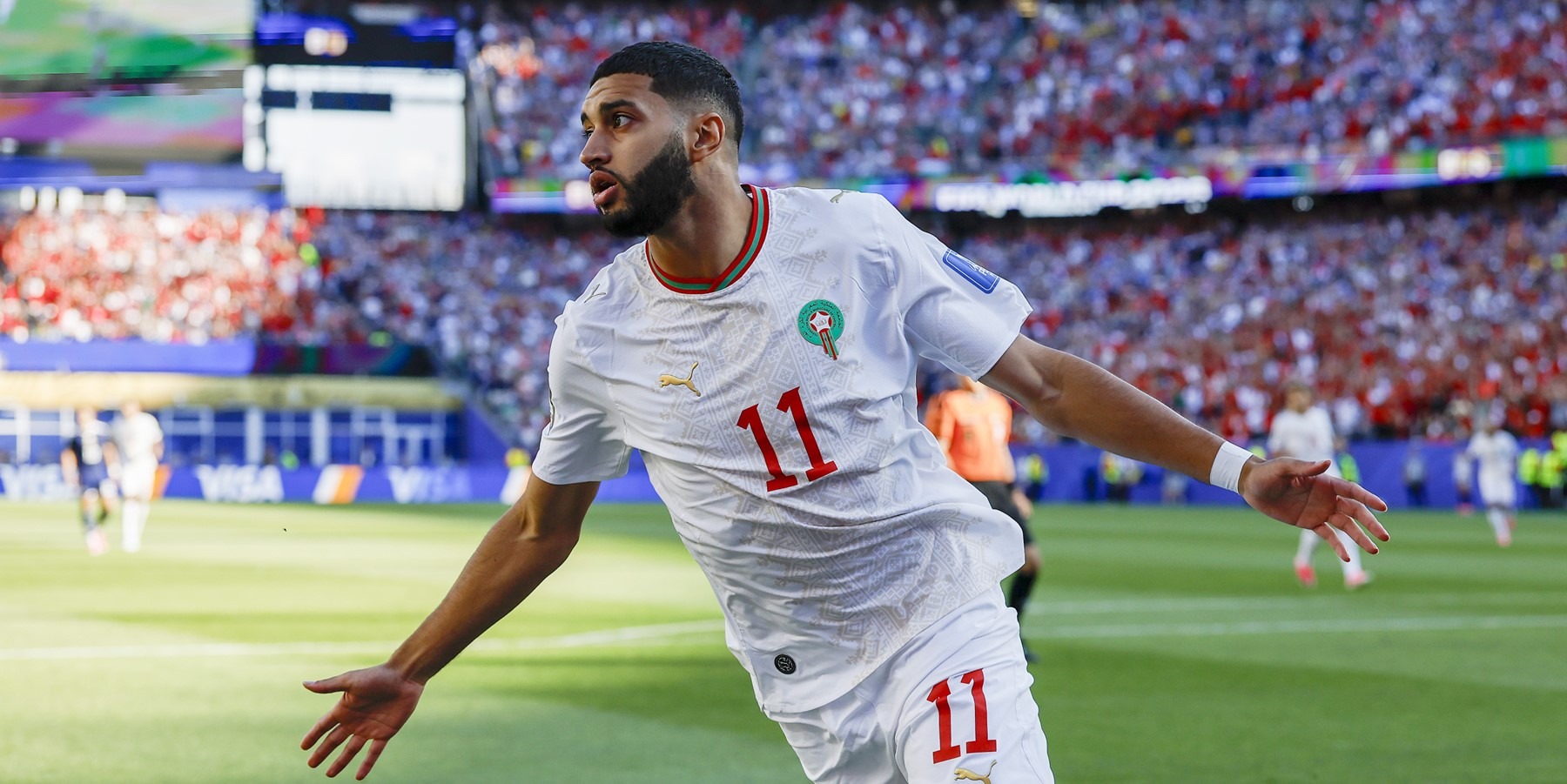
Morocco goalkeeper Angus Gunn was tested on several occasions, and the Atlas Lions went close to doubling their lead late on when Ayoube Amaimouni curled a shot narrowly wide in stoppage time as Scotland committed men forward. The final whistle confirmed a 1-0 victory for Morocco — their second of the tournament. The 2022 World Cup semi-finalists move to four points in Group C and are now virtually assured of progression, with their final group game against Haiti to come. Scotland remain on three points and will face Brazil in their final group match, knowing only a result will keep their tournament alive.
Brazil 3-0 Haiti: Cunha Brace Sets Up Comfortable Victory
At the Philadelphia Stadium, Brazil produced the performance their formidable squad demanded — a composed, efficient 3-0 victory over Haiti that eliminated the Caribbean nation from the tournament and sent a warning to every side remaining in the competition.
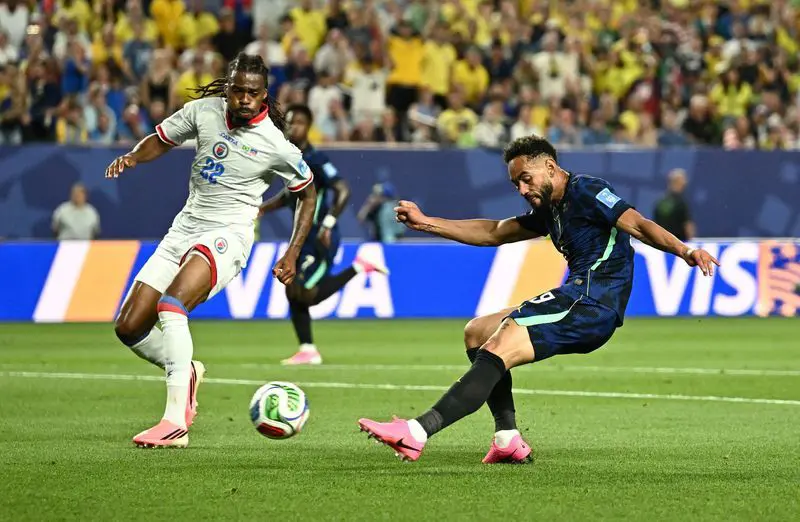
Matheus Cunha, starting in place of Igor Thiago, was the star of the first half. The versatile forward opened the scoring with a scrappy but instinctive close-range finish, before doubling his tally with a stunning second goal — a finish of real quality that underlined why Carlo Ancelotti rates him so highly. Vinicius Júnior, the man who had salvaged Brazil's point against Morocco in the opener with a brilliant solo goal, completed the scoring in the first half with a superb one-on-one finish against the Haiti goalkeeper.
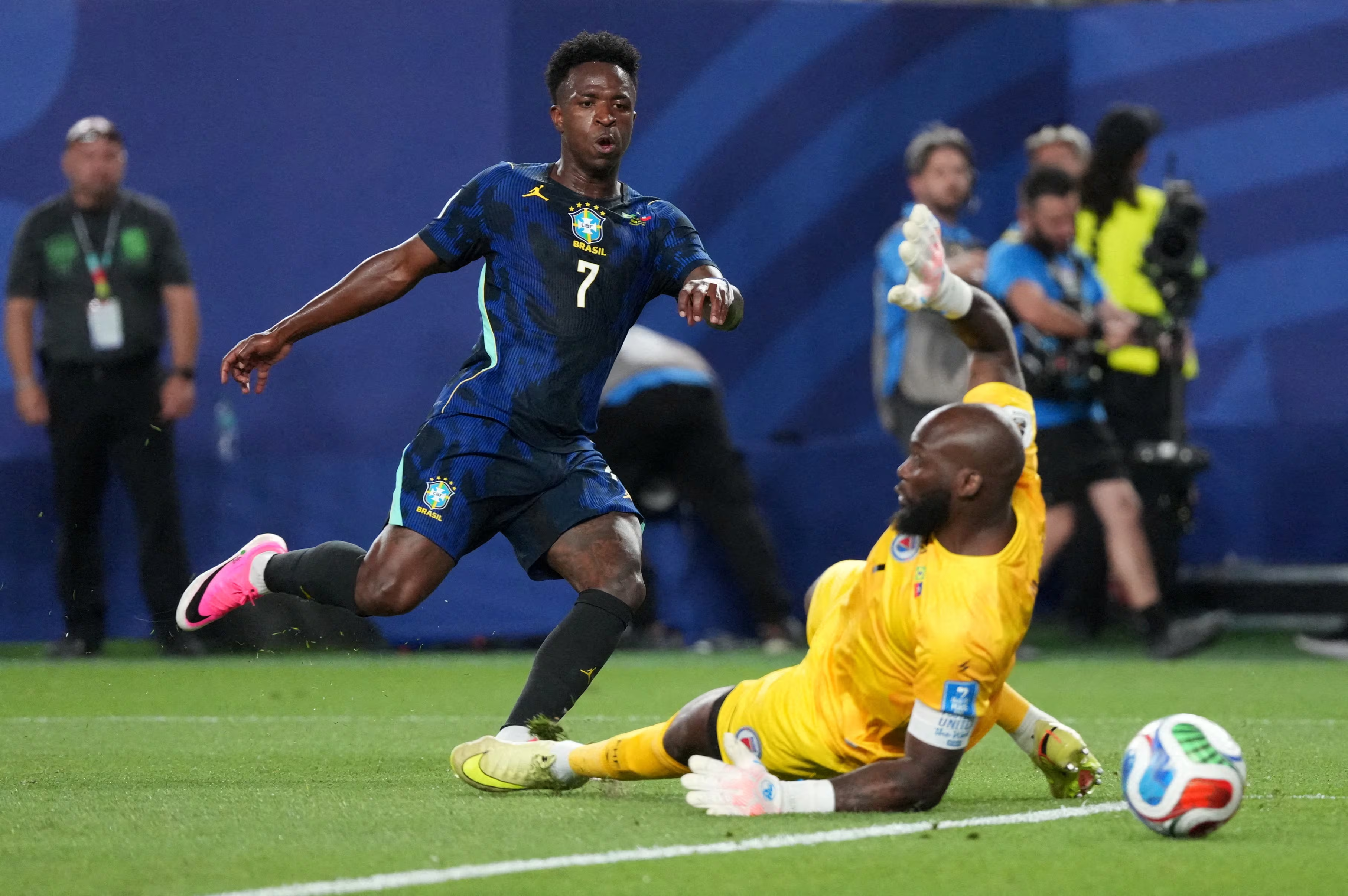
Haiti, to their credit, reorganised after the interval — switching from 5-4-1 to a more attacking 4-4-2 — and showed real resilience in keeping the score at 3-0 as Brazil eased off the accelerator in the second half. But the result was never in doubt, and Brazil now go top of Group C on goal difference ahead of Morocco, with their decisive group decider against Scotland still to come.
Türkiye 0-1 Paraguay: Galarza's Record Strike, Almirón's Red Card, and an Epic Rearguard
The final match of Day Nine, played at the San Francisco Bay Area Stadium in the early hours, provided the defining narrative of the day — possibly of the entire tournament so far. In a match that will be debated for weeks, Paraguay scored the fastest goal of the World Cup after just 65 seconds through Matías Galarza, survived a first-half red card that left them with ten men, and produced one of the most heroic defensive displays in recent World Cup history to hold on for a 1-0 win that eliminates Türkiye and keeps Paraguay's knockout hopes very much alive.
The early goal was a moment of beauty and precision. Julio Enciso's clever flick found Galarza in space, and the midfielder struck a left-footed finish into the bottom-right corner with only 65 seconds on the clock — the fastest goal of the entire tournament to date.
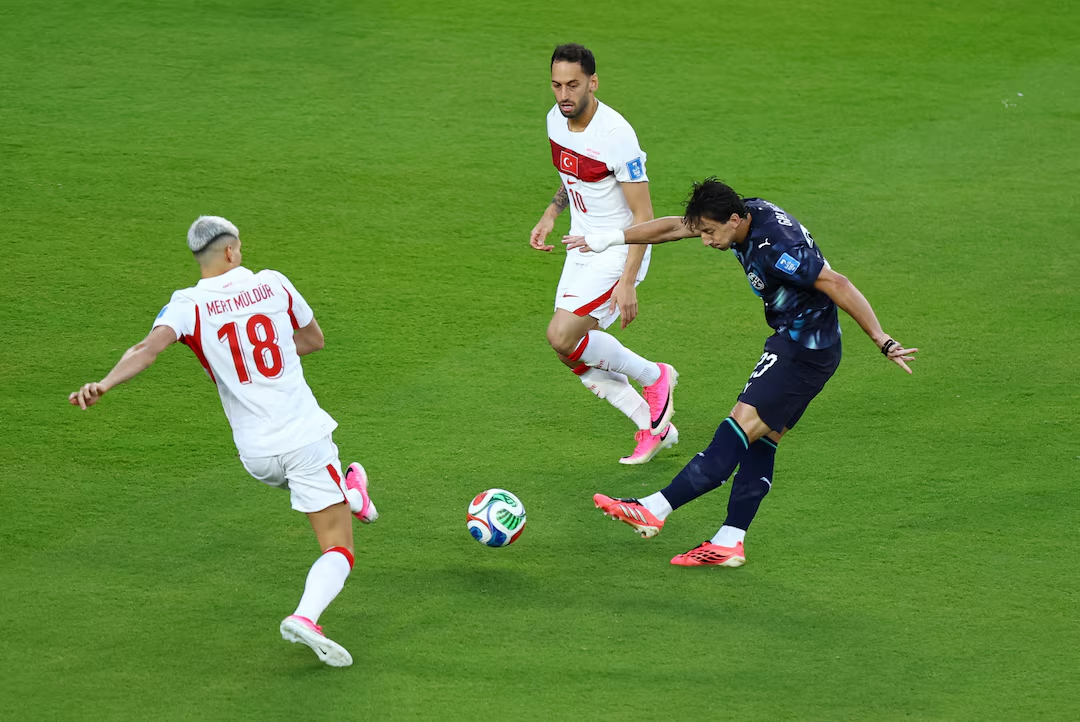
Then came the controversy. In first-half stoppage time, under FIFA's newly introduced mouth-covering regulation — designed to prevent players from concealing abusive or discriminatory language — VAR reviewed an incident involving Miguel Almirón. The Newcastle United midfielder had covered his mouth while saying something to Turkish defender Mert Müldür during a confrontational exchange, and referee Ivan Barton issued a straight red card. It was the first dismissal under this new rule in World Cup history, and it left Paraguay to defend with ten men for the entire second half.
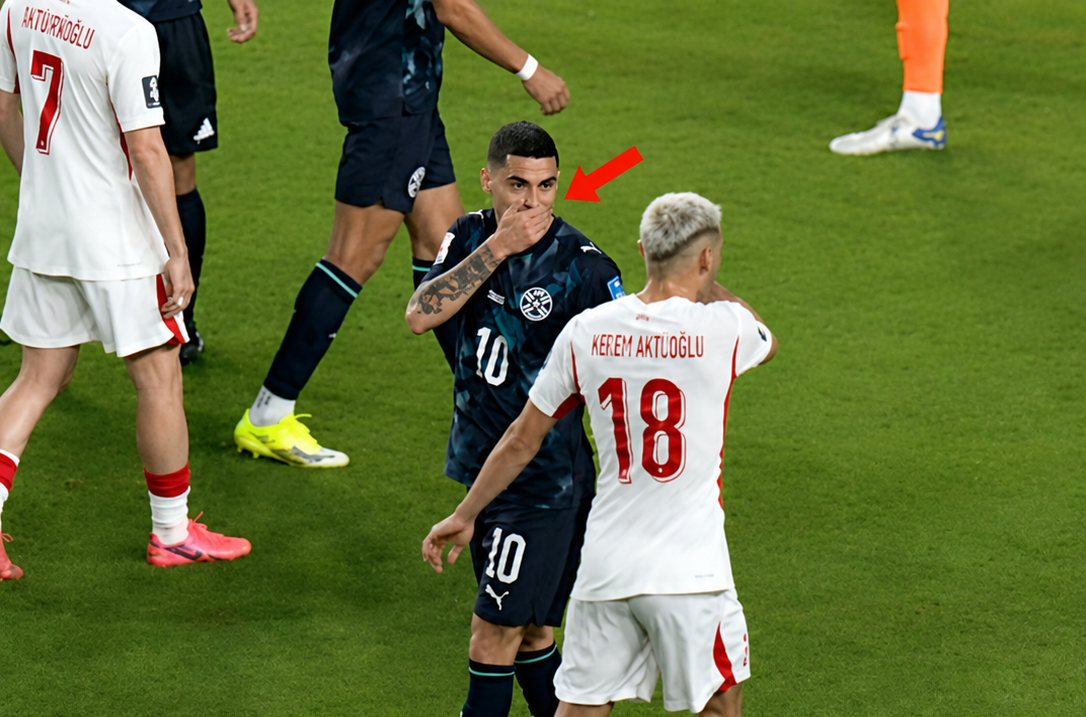
What followed was extraordinary. Türkiye — who had now gone 180 minutes and a combined 62 attempts without scoring across their two World Cup matches, the most efforts without a goal in any two-match span in tournament history — threw everything at a Paraguayan side that simply refused to yield. Müldür struck the crossbar and then the upright. Kenan Yıldız found the side netting from a tight angle. Hakan Çalhanoğlu's stoppage-time free kick drifted wide. And in the very last chance of the match, Demiral could only head Güler's cross inches past the post.
The final whistle confirmed it: Türkiye were out. Paraguay had done the impossible.
Source : Ballocentre.com
Images : Getty, FIFA, Supersport Football

Day Eight of the 2026 FIFA World Cup was the day the co-hosts took centre stage. Thursday the 18th of June produced five matches across Groups A and B, and when the dust settled, Mexico had secured their place in the knockout rounds and Canada had written the most extraordinary page in their football history. Jonathan David. A hat-trick. A 6-0 win. And a nation that will never forget Thursday the 18th of June for as long as football is played.
Czechia 1-1 South Africa: Both Sides Left Needing a Miracle

The day's opening match in Atlanta was always going to be a must-win for both sides — Czechia, beaten in their opener by South Korea, and South Africa, humbled 2-0 by Mexico with two players sent off. Both teams needed three points. Neither managed to take them.
Czechia began brightly and took a well-deserved lead in the first half — a dominant period in which the Czechs looked every bit the stronger side. But South Africa, inspired by the injustice of having faced Mexico with nine men, came out for the second half reinvigorated and deservedly equalised through a late strike that sent the travelling support into raptures.

The 1-1 draw leaves both teams with one point from two matches and facing virtually impossible tasks heading into Matchday 3. Group A has been dominated by Mexico and South Korea — both of whom now have their sights set firmly on the knockout stages.
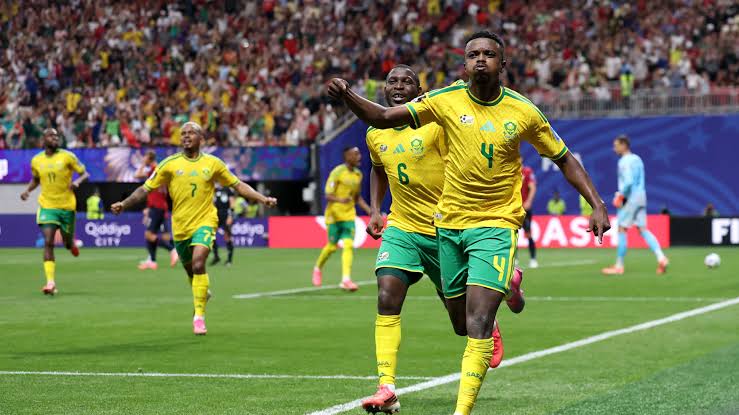
Switzerland 4-1 Bosnia and Herzegovina: Manzambi Comes Off the Bench to Destroy the Dragons
At the Los Angeles Stadium, Switzerland produced one of the most dramatic second-half performances of the tournament so far — a goal-laden final quarter of an hour that turned a goalless draw into a comprehensive 4-1 victory over Bosnia and Herzegovina.
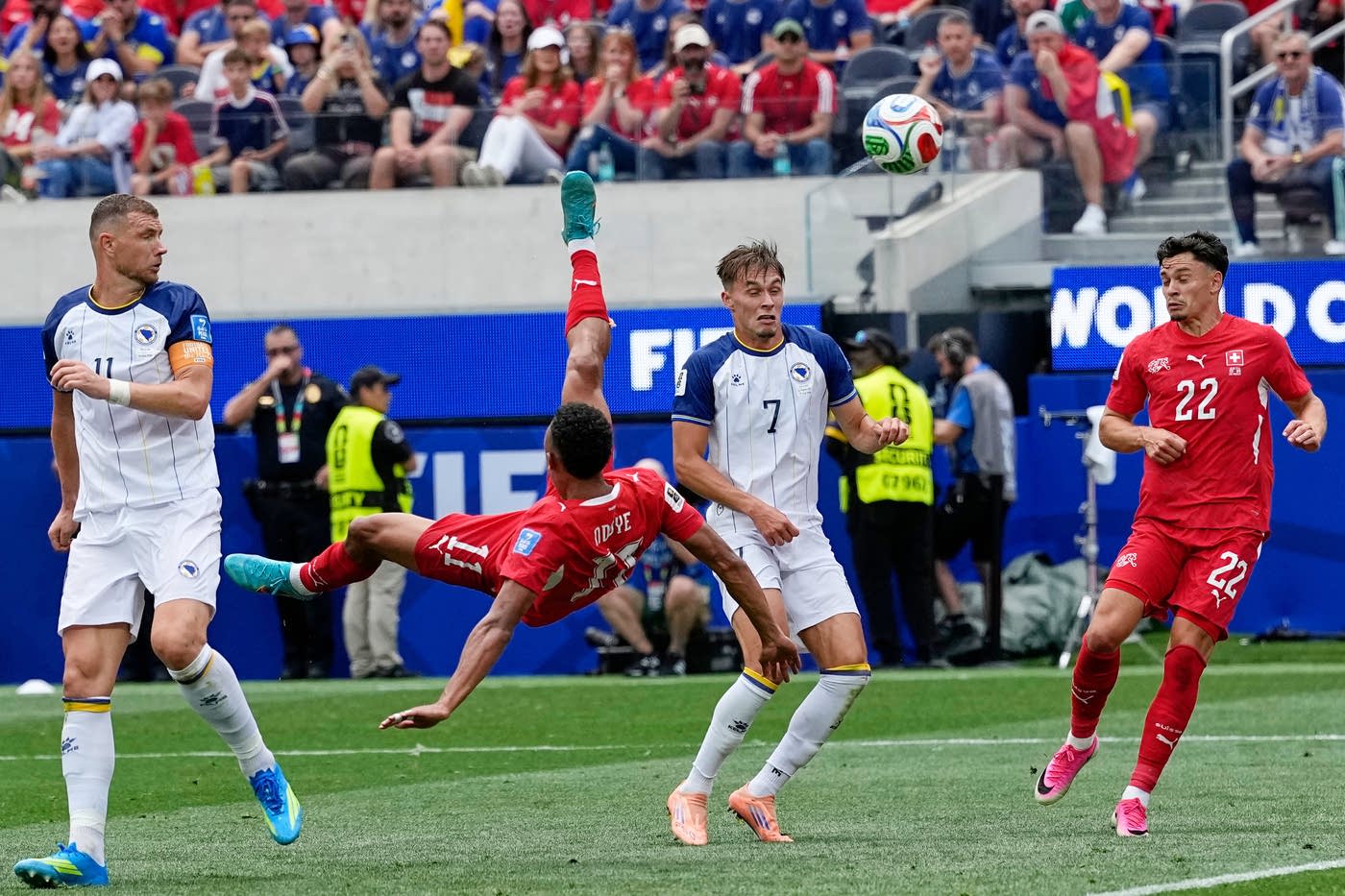
For 73 minutes, a tight and cautious match between two evenly-matched sides appeared to be heading for a stalemate. Then Johan Manzambi came off the bench and simply took the game away from Bosnia and Herzegovina. The Freiburg midfielder's sensational volley in the 74th minute broke the deadlock — a finish of extraordinary technique that gave the Swiss the lead — before Rubén Vargas, taking a cleverly-weighted pass from Manzambi, swept home a counter-attack goal to make it 2-0 in the 84th minute. Manzambi then completed a devastating personal cameo by smashing home a cutback from Vargas in the 90th minute to make it three in little over 15 minutes from the bench — prompting him to tell reporters afterwards: "I don't think I'll be able to sleep tonight."
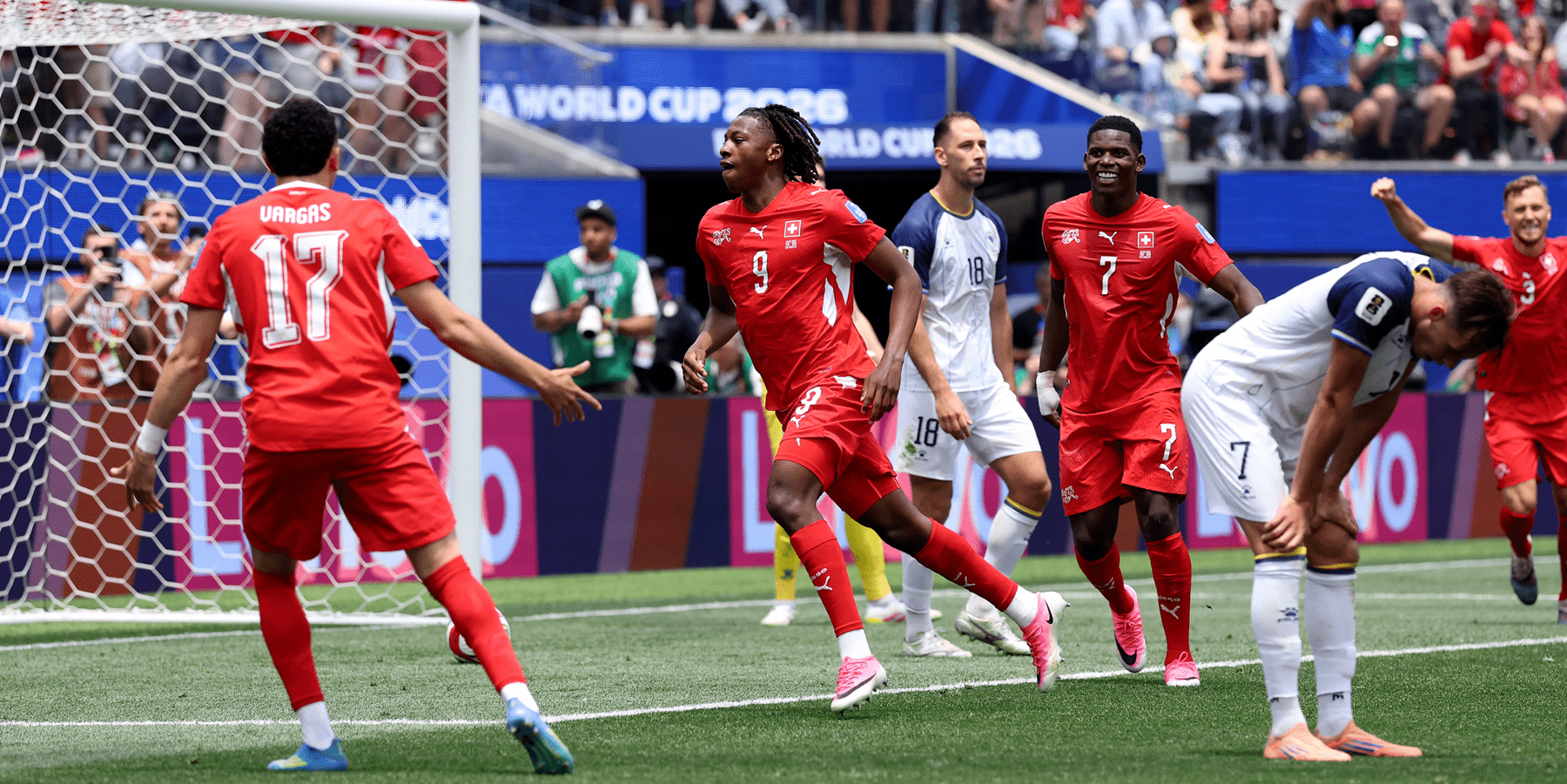
Bosnia managed to pull one back through a spectacular Ermin Mahmic strike as the match entered chaotic stoppage time, but a reckless Memic challenge saw them concede a penalty which Granit Xhaka dispatched coolly in the 90th+7th minute. The Swiss captain, displaying the leadership and experience that defines him, calmly sent the goalkeeper the wrong way to make it 4-1 and move Switzerland to four points and the top of Group B — before Canada's explosion later in the evening temporarily stole the thunder.
Canada 6-0 Qatar: A Date Canadian Football Will Never Forget
If there was one result from Day Eight that will echo through the history of Canadian football for generations, it was this one. At BC Place in Vancouver, in front of 52,497 fans and with Prime Minister Mark Carney in attendance alongside FIFA President Gianni Infantino, Canada produced a performance of breathtaking power and quality to record their first-ever World Cup win — and they did it in the most emphatic fashion imaginable.
Jonathan David. The man who had waited his entire international career for this stage, who had endured questions about whether his club form would translate to tournament football, answered every single one in the most emphatic terms. He scored a hat-trick. His three goals — a first-half volley in the 29th minute, a bundled close-range finish in first-half stoppage time after the ball caromed off the crossbar, and a composed late finish in the 90th+2nd minute — made him the first player to score a World Cup hat-trick on home soil since Geoff Hurst for England in 1966. The record books will need reprinting.
Cyle Larin — the substitute who had scored the equaliser against Bosnia and Herzegovina in Canada's opener — continued his excellent tournament form, reacting quickest to a saved David volley to convert the rebound in the 16th minute. Nathan Saliba added a fifth in the 64th minute, and a Qatar own goal by Manai completed the rout in the 75th minute.

Qatar's afternoon was made considerably worse by their disciplinary record. Homam Ahmed was dismissed in the first half for a reckless challenge on Tajon Buchanan — with VAR upgrading the initial yellow card to red — and Assim Madibo was shown a second red in the second half for a challenge on Ismaël Koné, who was stretchered off with a serious broken leg injury that has cast a shadow over what was otherwise a day of pure celebration. Qatar finished the match with nine men
The 6-0 scoreline equalled the record margin of victory for a World Cup host nation, matching the six-goal wins previously achieved by Italy in 1934, Brazil in 1950 and Argentina in 1978.
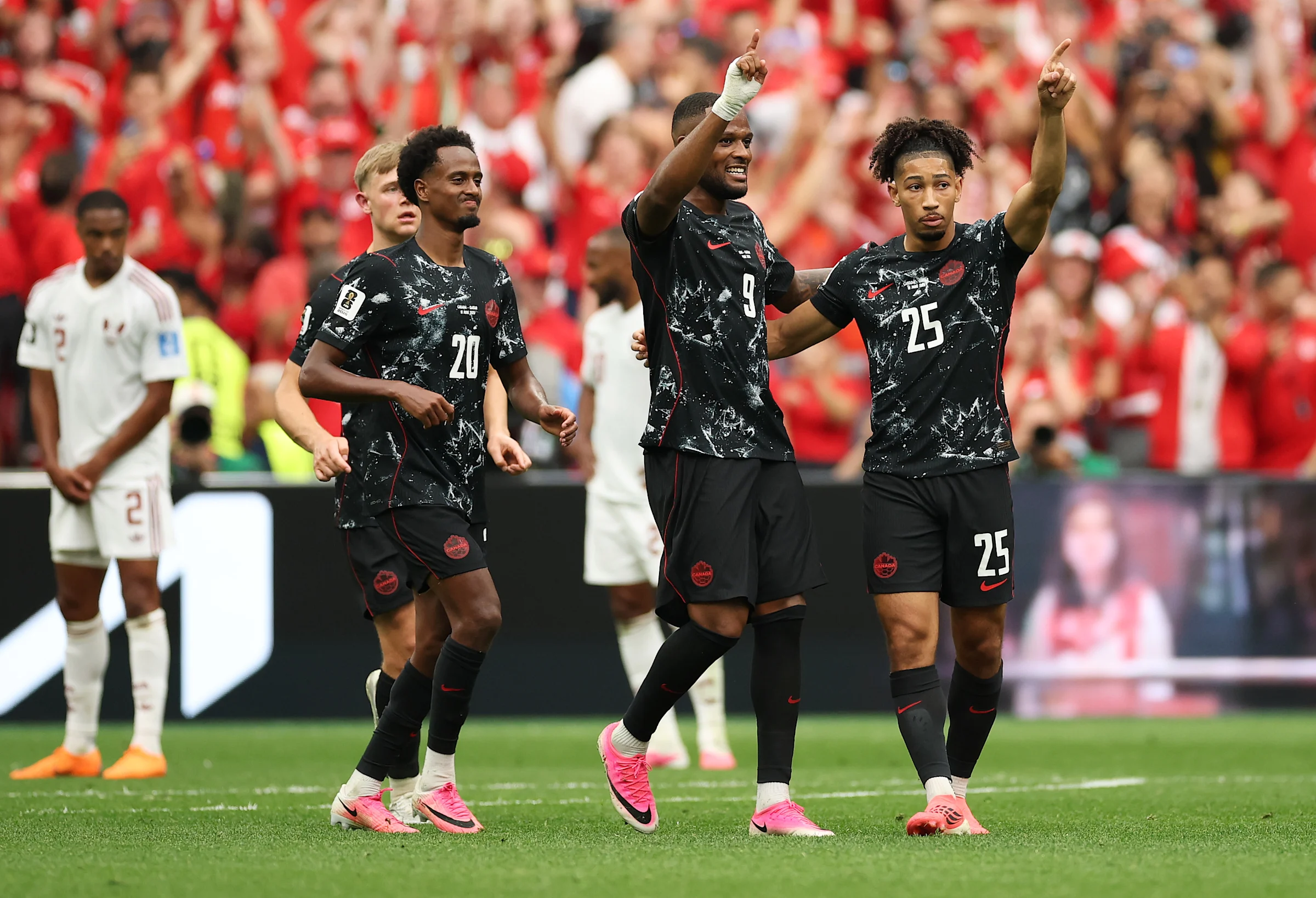
Mexico 1-0 South Korea: Romo Sends El Tri Into the Knockout Rounds
In the day's penultimate match, played in Guadalajara, Mexico became the first team at the 2026 World Cup to secure qualification to the knockout rounds — and they did so with a victory that, while not elegant, was entirely decisive.
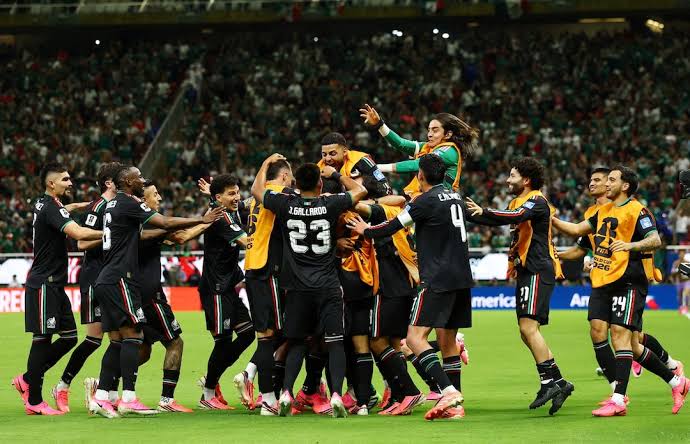
The winning goal was as much about South Korean misfortune as Mexican quality. Goalkeeper Kim Seung-Gyu dropped a routine catch after colliding with his own centre-back Kim Min-Jae, and the ball fell directly to Luis Romo, who calmly dispatched the gift into an empty net in the 50th minute. It was an error that summed up a low-quality affair — but the three points placed Mexico firmly in control of Group A and all but confirmed their progress.
South Korea, who had impressed in their opening win over Czechia, were disappointing on the night but remain in a strong position in the group with three points. They face South Africa in their final group match, knowing a win will likely confirm their own progression.

Source : Ballocentre.com
Images : Getty, FIFA, Supersport Football
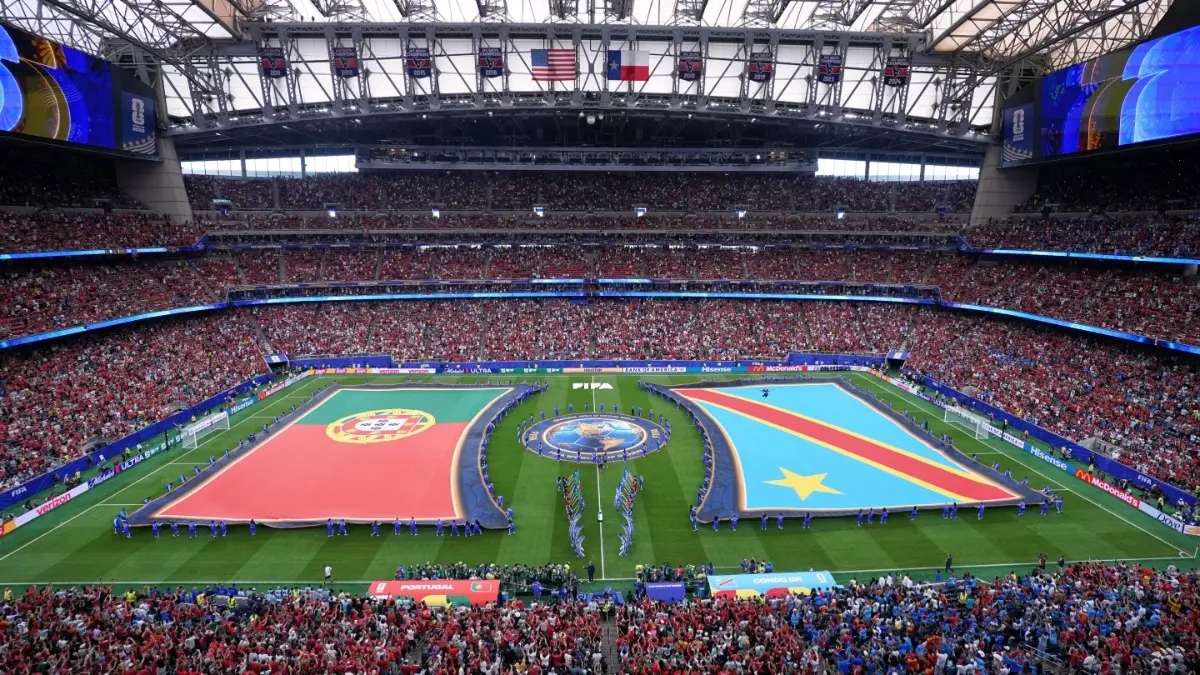
After the dizzying heights of Day Six — Messi's hat-trick, Mbappé's record, Haaland's debut — Wednesday the 17th of June arrived with its own compelling cast of characters and storylines. Portugal's Cristiano Ronaldo made World Cup history simply by stepping onto the field. DR Congo's Yoane Wissa wrote himself into the annals of his country's sporting heritage with a header that resonated across the African continent. England produced a breathless six-goal thriller. And Ghana snatched the day's most dramatic result with a stoppage-time winner over Panama. Day Seven of the 2026 World Cup served up everything football has to offer.
Portugal 1-1 DR Congo: Wissa Makes History, Ronaldo Stands in Messi's Shadow
The day's opening match in Houston carried an extraordinary weight of history from the very first whistle. Cristiano Ronaldo, 41 years and 132 days old, became the oldest outfield player to ever start a World Cup match as Portugal began their Group K campaign. It was his 23rd World Cup appearance overall — putting him level on the all-time list alongside Italian great Paolo Maldini. At the other end of the pitch, Yoane Wissa and the DR Congo Leopards were making only their second World Cup appearance in history, 52 years after their debut as Zaire in 1974.
Portugal made a dream start. João Neves rose highest to head home a Pedro Neto cross from the left after just six minutes, dedicating his opener to his late compatriot Diogo Jota. At 21 years and 263 days, Neves became the third-youngest Portuguese scorer in World Cup history, behind Ronaldo himself and Gonçalo Ramos.
But Portugal, despite dominating possession throughout, struggled to build on that lead against a DR Congo side that refused to be cowed. Their reward came deep in first-half stoppage time. Arthur Masuaku whipped a cross towards the back post and the unmarked Wissa thumped a header into the roof of the net to create history — DR Congo's first ever World Cup goal, 52 years in the making. The celebrations on the pitch, the bench, and among the Congolese fans in the stadium were scenes of pure, unrestrained joy.
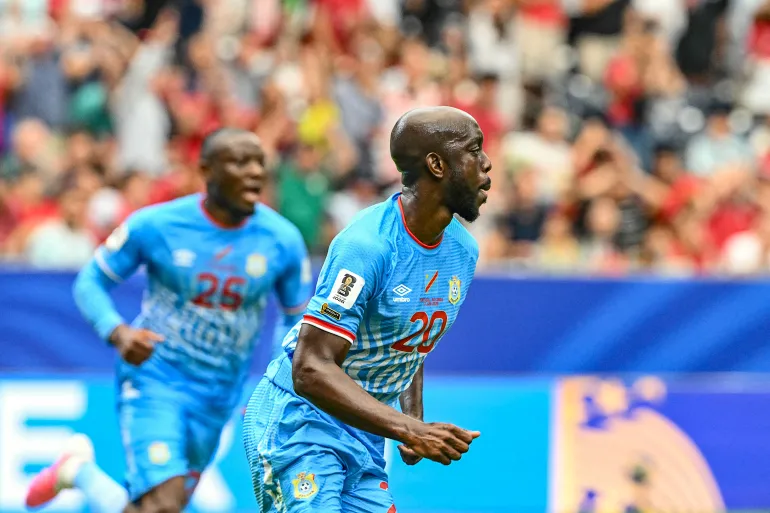
Portugal thought they had retaken the lead 10 minutes into the second half when João Cancelo's spectacular overhead kick found the net — only for VAR to rule the goal out for offside. Cédric Bakambu — whose own remarkable story has been told in these pages — latched onto a loose ball to fire against the near post from the right before being penalised for a foul in the build-up. Ronaldo had two half-chances to break the record of nine World Cup goals but poked both wide, and the match ended 1-1 — a result that leaves Group K wide open and raises genuine questions about Portugal's capacity to go deep in this tournament.
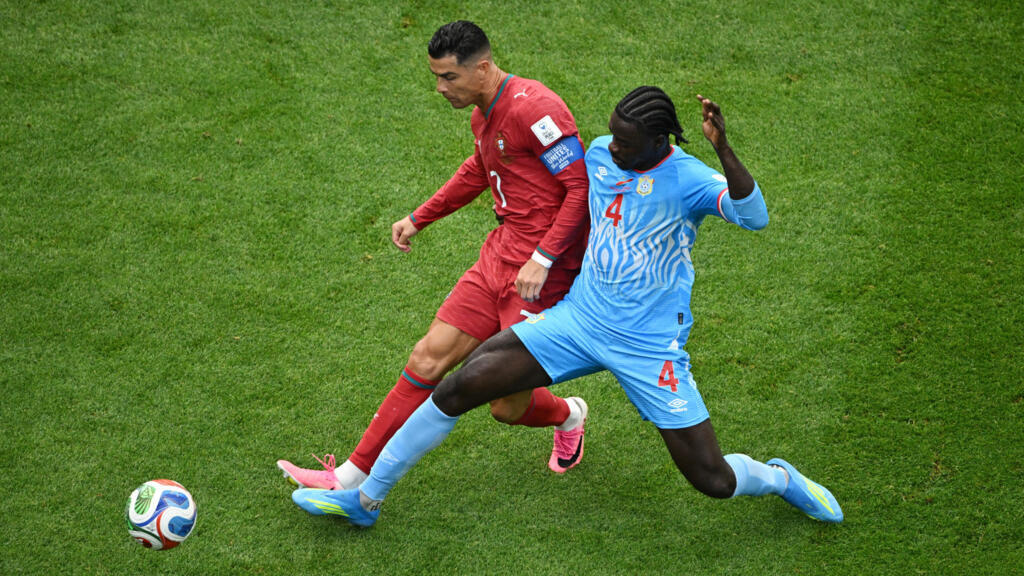
Notably, Bernardo Silva — who had only hours earlier been confirmed as a Real Madrid signing — was substituted at half-time by coach Roberto Martínez after a quiet opening 45 minutes. The timing could hardly have been more ironic.
England 4-2 Croatia: Chaos, Kane and a Second Half to Savour
At Dallas Stadium, the day's marquee fixture lived up to every expectation — and then some. England's opener against Croatia, a rematch of their 2018 World Cup semi-final (when Croatia won 2-1 in extra time), delivered six goals, a goalkeeping masterclass, two VAR interventions, and a second-half performance from Thomas Tuchel's side that suggested they could be a genuine force in this tournament.
The drama began almost immediately. Luka Modrić caught Noni Madueke in the penalty area, and Harry Kane stepped up to take the spot kick — only for Dominik Livakovic to save to his left. But the referee ordered a retake: Livakovic had been off his line, and Joško Gvardiol had encroached. Kane stepped up again and found the net, opening his account and England's World Cup campaign.
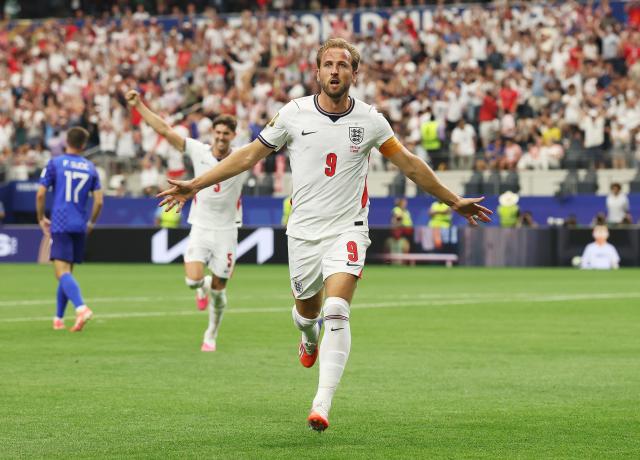
What followed was end-to-end, breathless chaos. Martin Baturina curled a bolt-from-the-blue equaliser into the right-hand corner from the edge of the box against the run of play. Kane restored the lead in the 42nd minute, heading home Declan Rice's corner unmarked to equal Gary Lineker's England record of 10 World Cup goals — also becoming the record holder for the most penalty goals (excluding shootouts) in World Cup history with five. Kane had now equalled a record that had stood for four decades. Deep in first-half stoppage time, Ivan Perišić headed the ball on and Petar Musa volleyed home Croatia's second equaliser. At 2-2, the half-time whistle blew — and Thomas Tuchel delivered what Harry Kane later described as a defining team talk.
England came out for the second half transformed. Jude Bellingham drove down the right within two minutes of the restart and fired low across Livakovic and in off the post. From that moment, England were relentless — 22 total shots by the end of the match, wave after wave of attacks, with only Livakovic's heroics keeping the scoreline respectable. The goalkeeper made a breathtaking triple save to deny Nico O'Reilly, Anthony Gordon and Ezri Konsa from a single corner. England finally added the fourth they so thoroughly deserved in the 85th minute — substitute Bukayo Saka combining brilliantly with fellow sub Marcus Rashford, who checked back onto his right foot and curled a composed finish into the far corner.
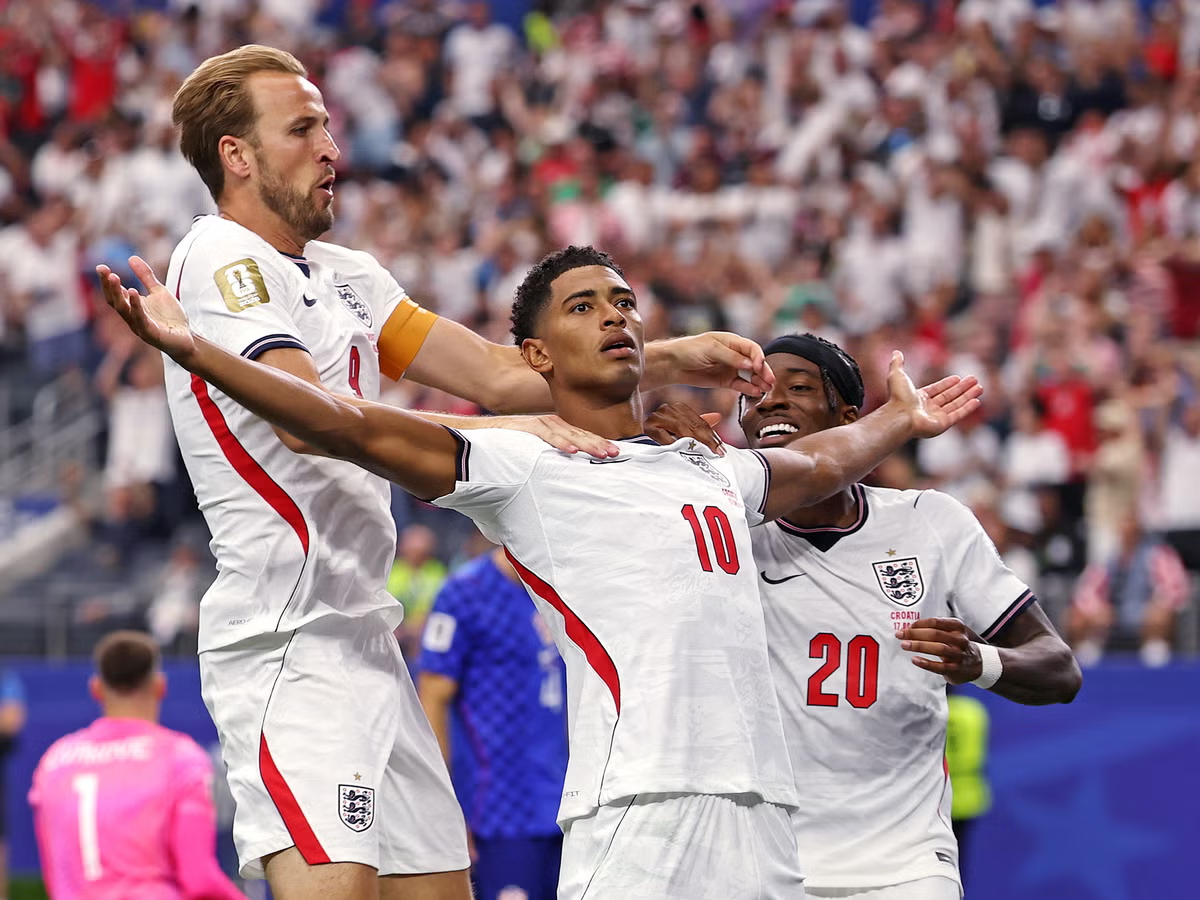

Ghana 1-0 Panama: Yirenkyi Breaks Hearts at the Death
In Toronto, Ghana produced the day's most dramatic moment with a stoppage-time winner to defeat Panama 1-0 in a tense, physical Group L encounter. Caleb Yirenkyi's late strike broke Panamanian hearts and gave the Black Stars a vital three points that puts them firmly in the mix to advance from the group.
Panama, making only their second World Cup appearance, defended resolutely for large periods and looked set to earn what would have been a creditable point. But Yirenkyi arrived at the crucial moment, and Ghana have now won their opening World Cup fixture for the first time since the 2010 tournament on home soil in South Africa.
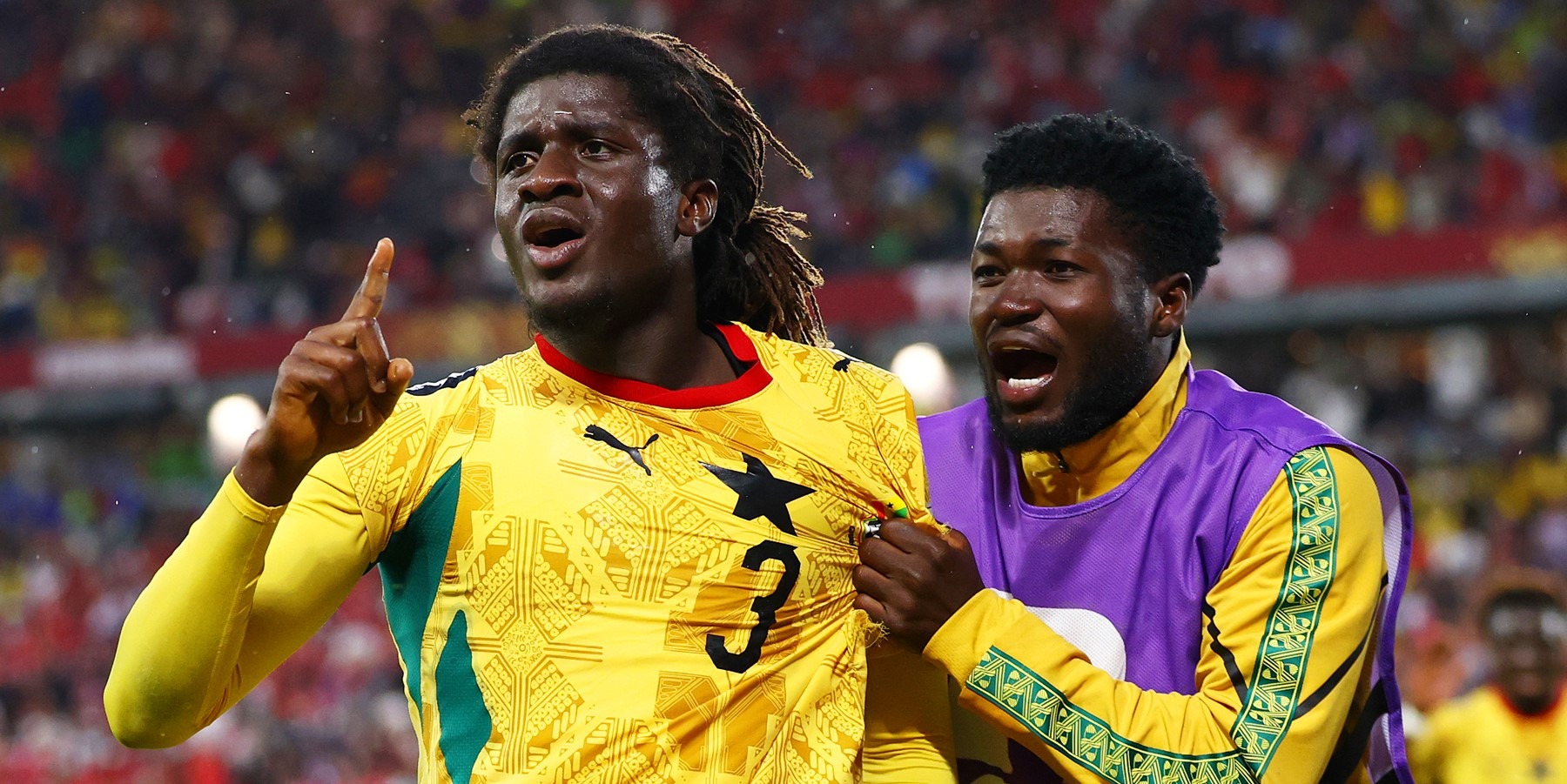
Colombia 3-1 Uzbekistan: Díaz Delivers on the Big Stage
The final match of the day, played at the Estadio Azteca in Mexico City, saw Colombia begin their World Cup campaign in emphatic fashion — a 3-1 victory over Uzbekistan, making their first-ever World Cup appearance in any format.
Colombia opened the scoring through a typically instinctive Daniel Muñoz toe-poke, flicking the ball past Uzbekistan's goalkeeper with a clever improvised finish. Uzbekistan deserve enormous credit — they levelled to score their first-ever World Cup goal and draw level, refusing to be overawed by the occasion or by the quality of the opposition. But Colombia's class ultimately told. Luis Díaz restored the advantage to make it 2-1, and Leandro Campaz delivered the decisive third goal in stoppage time to confirm the result.

Source : Ballocentre.com
Images : Getty, FIFA, Supersport Football
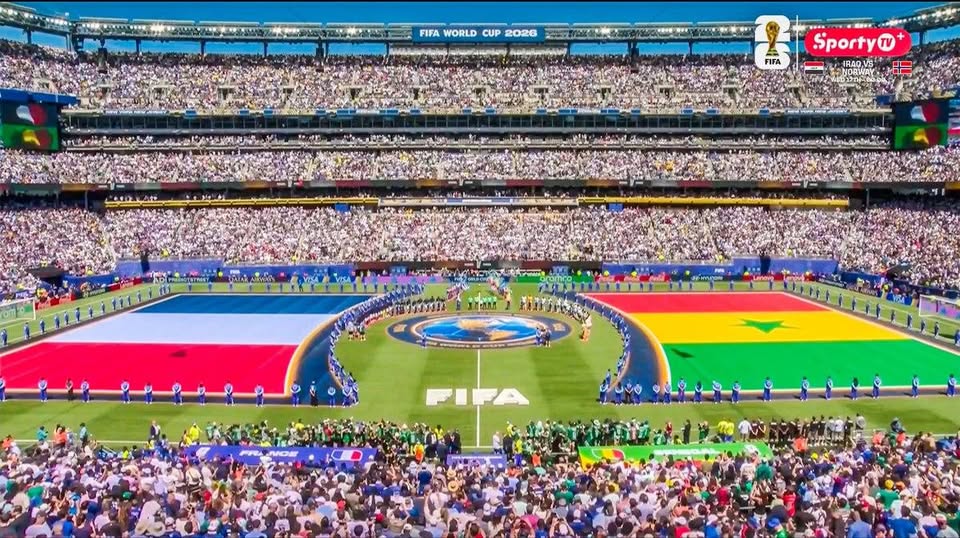
If Day Five belonged to the underdogs and the goalkeepers, Day Six of the 2026 FIFA World Cup belonged entirely to the gods of the game. Tuesday the 16th of June was one of the most extraordinary single days in football history — a day on which Kylian Mbappé became France's all-time leading scorer, Erling Haaland announced himself on the World Cup stage with a first-half brace, and Lionel Messi produced an utterly breathtaking hat-trick to equal the all-time World Cup goals record. Between them, the three greatest players of this generation scored seven goals in a single day. The record books will need reprinting.
France 3-1 Senegal: Mbappé Writes His Name Into History
After the drama and chaos of France's 2-1 defeat to Ivory Coast in their final warm-up match, Didier Deschamps' side began their 2026 World Cup campaign in the most high-profile setting imaginable — the New York New Jersey Stadium in East Rutherford, against Senegal, in a fixture that carried echoes of one of the tournament's most famous upsets. In 2002, Senegal had defeated the then-defending-champion French in the opening match of the tournament. Twenty-four years later, there would be no repeat
France's first half was, frankly, underwhelming. Mbappé struggled to impose himself, his touches going astray and his opportunities passing him by. Senegal were the more dangerous side in that period — Nicolas Jackson hit the post in the 25th minute with a chance on the counter-attack that cannoned off the left post and out via the back of Mike Maignan's net, and Ismaila Sarr should have done far better in first-half stoppage time, firing over from six yards with the goal gaping.
Deschamps made no personnel changes at half-time but pushed Michael Olise centrally and Ousmane Dembélé out wide. It was a tactical adjustment that proved immediately decisive. Twice, Olise fizzed defence-splitting passes through Senegal's lines, and on the second occasion, in the 66th minute, Mbappé was ready — burying a first-time finish to give France the lead.
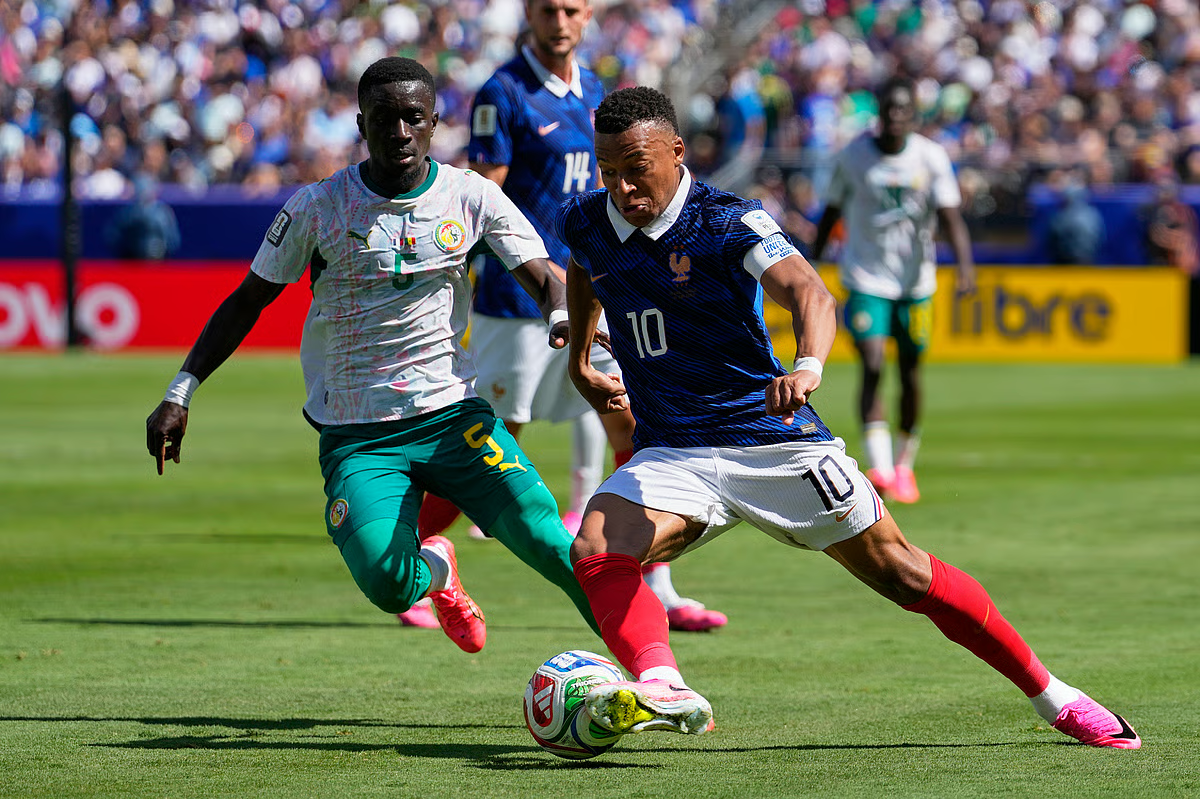
The goal was Mbappé's 57th for France, equalling Olivier Giroud's all-time record. What followed was even more remarkable. Substitute Bradley Barcola raced onto Adrien Rabiot's pass in the 82nd minute to make it 2-0, before Senegal substitute Ibrahim Mbaye — a young PSG forward — pulled one back with a fine individual goal in the 90th+5th minute. Two minutes later, Mbappé produced the moment of the match: a quite sensational long-range strike from 25 yards out that curled just inside the left post for his second of the day and the 58th goal of his international career — making him France's outright all-time leading scorer.
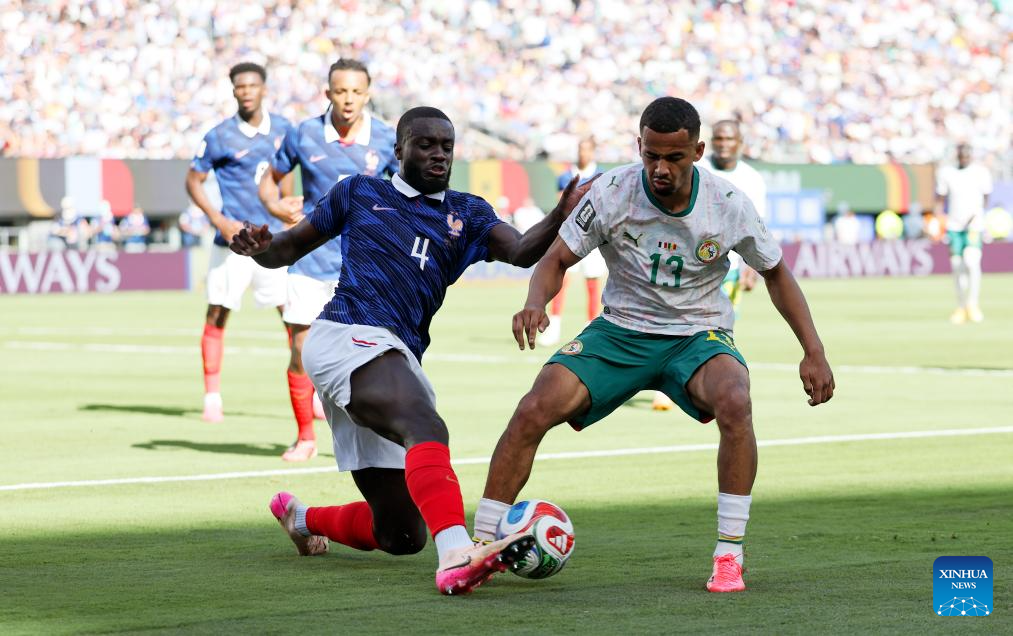
Norway 4-1 Iraq: Haaland Arrives
In Boston, one of the tournament's most anticipated debuts finally arrived. Erling Haaland, one of the most prolific goalscorers in the history of club football, had never played at a World Cup. Norway had missed out on every edition until now. The wait was worth it — for Haaland and for his country.

Norway took the lead in the 29th minute when Sander Berge played David Møller Wolfe in on the left of the penalty area, and his low cross was turned home at the back post by Haaland with typical predatory precision. Iraq, making their first World Cup appearance in 40 years, responded on the counter in the 39th minute through a spectacular Aymen Hussein header — the striker generating extraordinary power while hanging in the air from Amir Al-Ammari's cross.
But Haaland struck again just before half-time. As Iraq goalkeeper Jalal Hassan hesitated on the ball, Haaland charged it down and saw a rushed clearance clatter off his shins and into the goal. In his very first World Cup half, he already had a brace. Iraq's Hassan denied Haaland a hat-trick with a good close-range save in the second period, but Norway's victory was sealed emphatically. Substitute Leo Østigård rose unmarked from a Martin Ødegaard corner to head home in the 76th minute, before the unfortunate Hussein completed a miserable personal evening by turning the ball into his own net in stoppage time — becoming only the third player in World Cup history to score a goal and an own goal in the same match, after the Netherlands' Ernie Brandts in 1974 and Croatia's Mario Mandžukić in 2018.
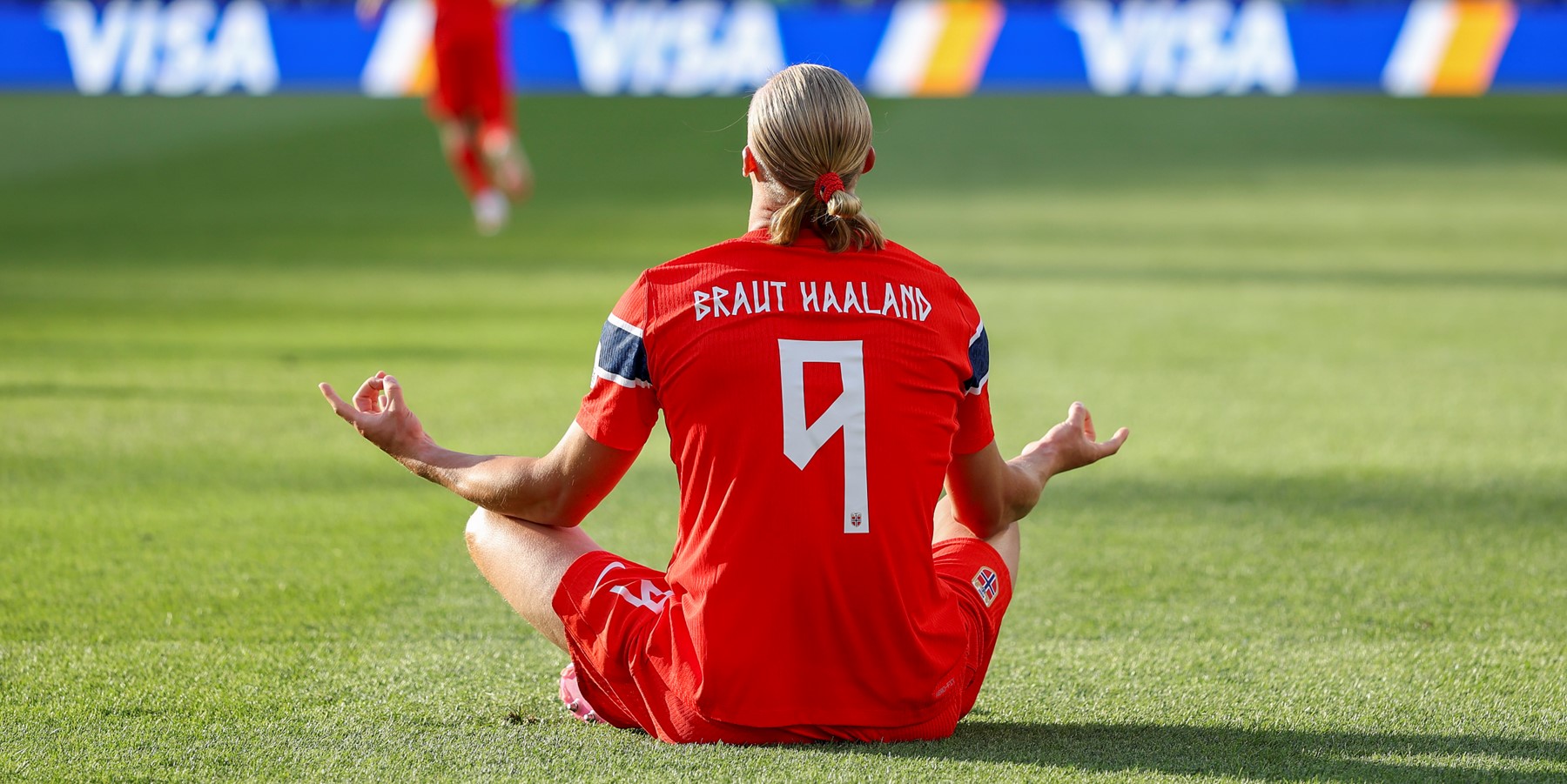
Austria 3-1 Jordan: A Battle of Debutants Resolved Late
The day's final match, played in the early hours in San Francisco, brought a fitting conclusion to an extraordinary Tuesday. Austria, returning to the World Cup for the first time since 1998 after a 28-year absence, faced Jordan, making their first-ever World Cup appearance — and in a contest between two debutants, it was Ralf Rangnick's Austria who ultimately prevailed 3-1.

Romano Schmid opened the scoring in the 21st minute with a stunning long-range strike — Austria's first World Cup goal since 1998 — before Jordan's Ali Iyad Olwan wrote his name into his country's history books with an equaliser early in the second half, scoring Jordan's first-ever World Cup goal. The match was ultimately decided when Jordan defender Yazan Al-Arab turned a corner kick into his own net in the 76th minute to restore Austria's lead, before Marco Arnautović converted a stoppage-time penalty to seal a 3-1 victory. A Marko Arnautović effort had been ruled out by VAR earlier for handball by teammate Stefan Posch, but Austria's dominance was ultimately rewarded.
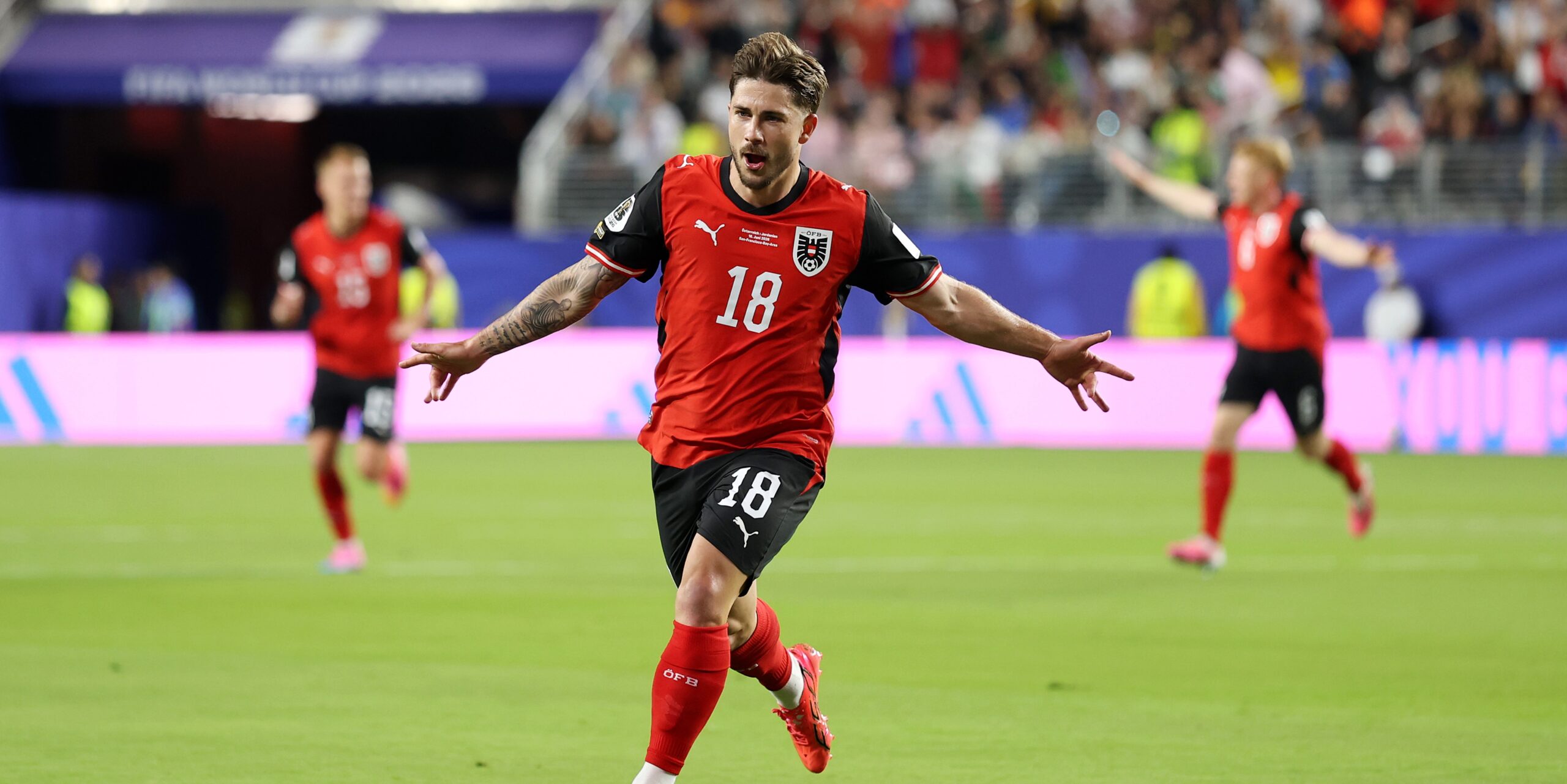
Argentina 3-0 Algeria: Messi Equals the World Cup Record
The greatest show on Earth saved the best for last. In Kansas City, before a crowd that was overwhelmingly, rapturously pro-Argentina, Lionel Messi produced one of the most astonishing individual performances in World Cup history — scoring his first-ever hat-trick at the tournament to equal Miroslav Klose's all-time record of 16 World Cup goals.
The opening goal came from a Rodrigo De Paul pass of quite breathtaking precision, splitting Algeria's midfield en route to Messi. The 38-year-old charged forward and let fly from just outside the penalty area — a strike of power and placement that gave Algeria goalkeeper Luca Zidane no chance. An Alexis Mac Allister shot was then spilled directly into Messi's path for the simplest of tap-ins to make it 2-0, before the captain completed his hat-trick in the most Messi-like fashion imaginable — racing in from the right, cutting inside, and curling a low shot into the bottom corner that was a throwback to the greatest goals of his prime years.
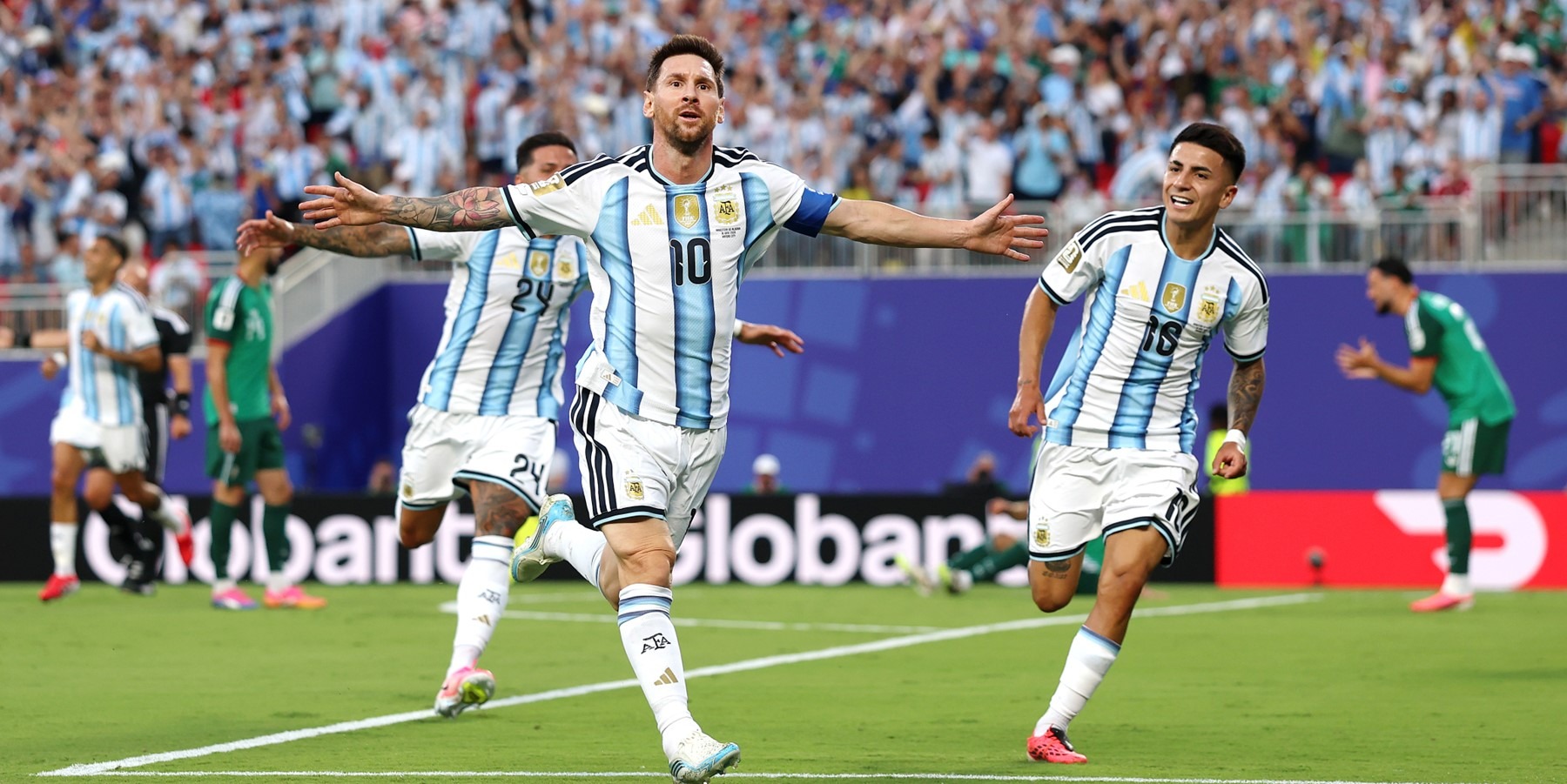
The records that fell were almost too many to list. At 38 years and 357 days, Messi broke Cristiano Ronaldo's record as the oldest player ever to score a World Cup hat-trick. Algeria became the 11th different team Messi has scored against at the World Cup — more than any other player in tournament history. His tally of 16 World Cup goals ties him with Klose, and positions him one goal away from outright ownership of a record that will almost certainly never be broken again.
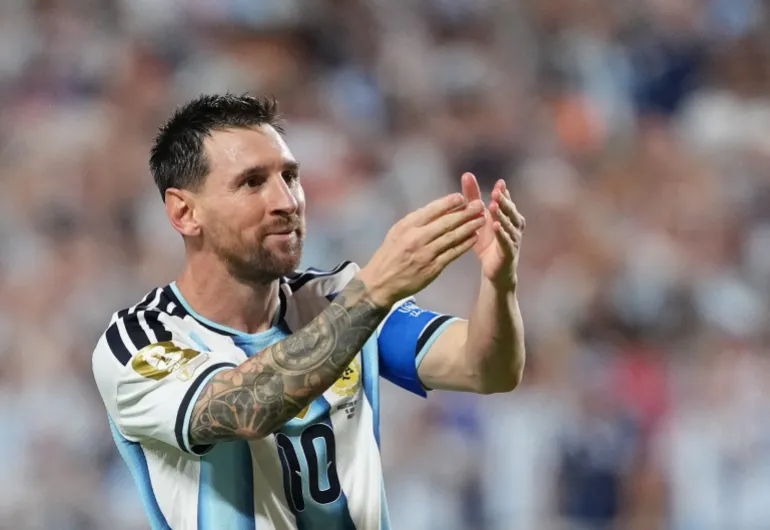
Source : Ballocentre.com
Images : Getty, FIFA, Supersport Football
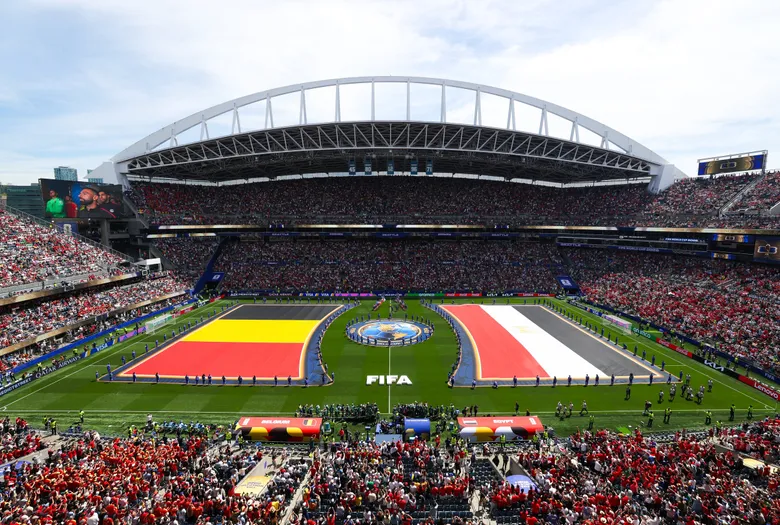
Monday the 15th of June 2026 will go down as the most extraordinary single day in the history of the FIFA World Cup — the first day in tournament history on which every single match ended in a draw. Four matches across Groups G and H produced four stalemates, four sets of players celebrating a point as if it were a victory, and four sets of supporters left wondering what might have been. Above all, Day Five belonged to the underdogs, the goalkeepers, and the substitute who changed a match in 22 remarkable seconds.
Spain 0-0 Cape Verde: Vozinha Becomes a World Cup Legend
It was billed as a formality. Spain — reigning European champions, ranked second in the world, one of the pre-tournament favourites — against Cape Verde, a tiny island nation of fewer than 600,000 people making their World Cup debut. The script appeared to have been written long before kick-off at the Mercedes-Benz Stadium in Atlanta.
Nobody told Vozinha.
The 40-year-old Cape Verde goalkeeper produced one of the finest individual goalkeeping performances in World Cup history, making seven saves — many of them outstanding — to deny Spain a goal that never came. He made brilliant stops late in the first half to deny Oyarzabal, Laporte and Torres, with Torres also hitting the crossbar from Spain's best chance. In 90 extraordinary minutes, Spain had 27 shots to Cape Verde's six — and not one of them found the net.
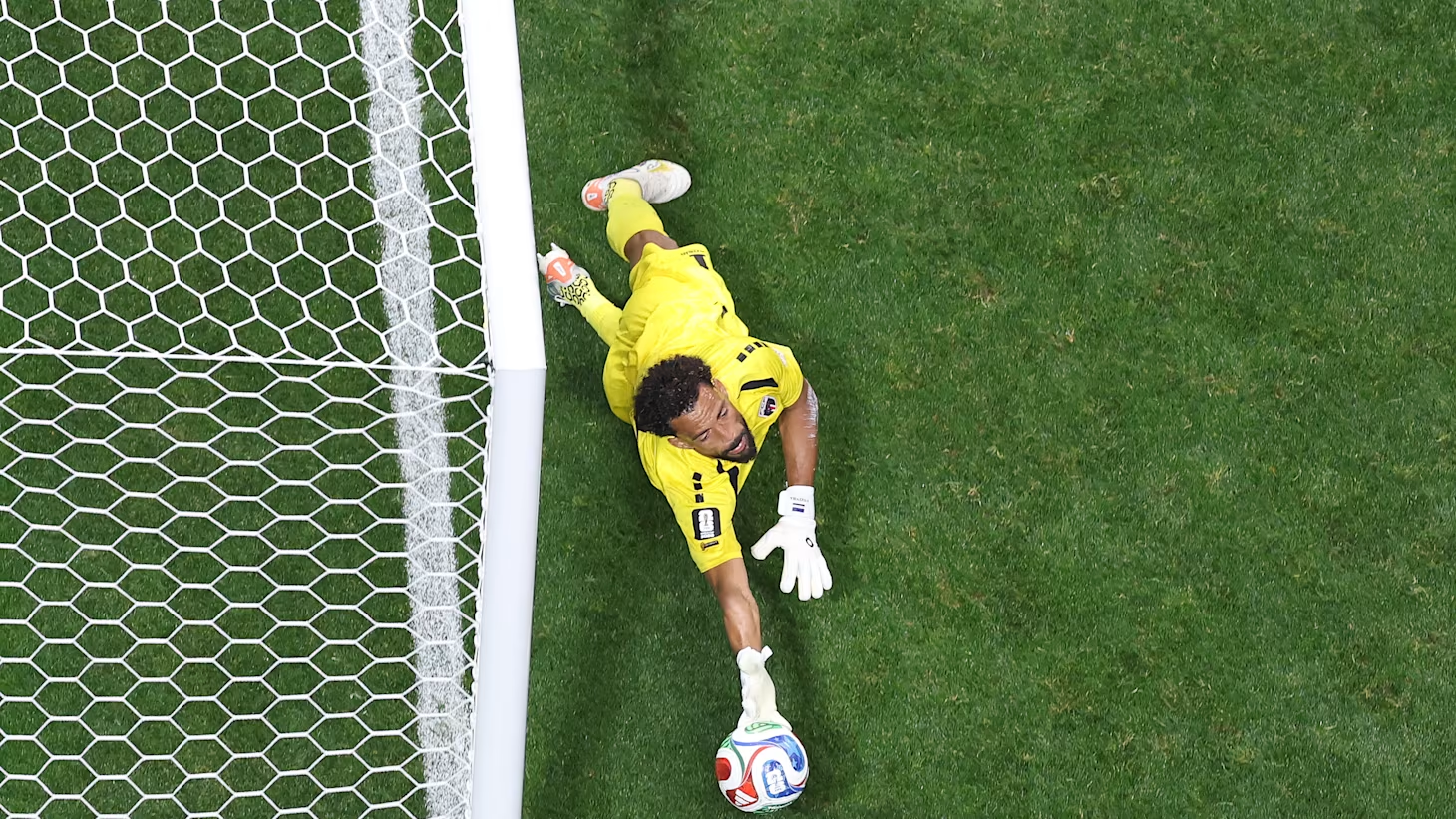
Luis de la Fuente turned to his bench with 20 minutes remaining, sending on Lamine Yamal, Dani Olmo and Nico Williams. Still, Vozinha held firm. In the dying minutes, Cape Verde even threatened an improbable winner — Diney Borges found himself unmarked from a late corner with an open header, sending it directly at Spain's goalkeeper Unaí Simón. The final whistle confirmed what many thought impossible: Cape Verde had earned a point against the European champions in their first-ever World Cup match.
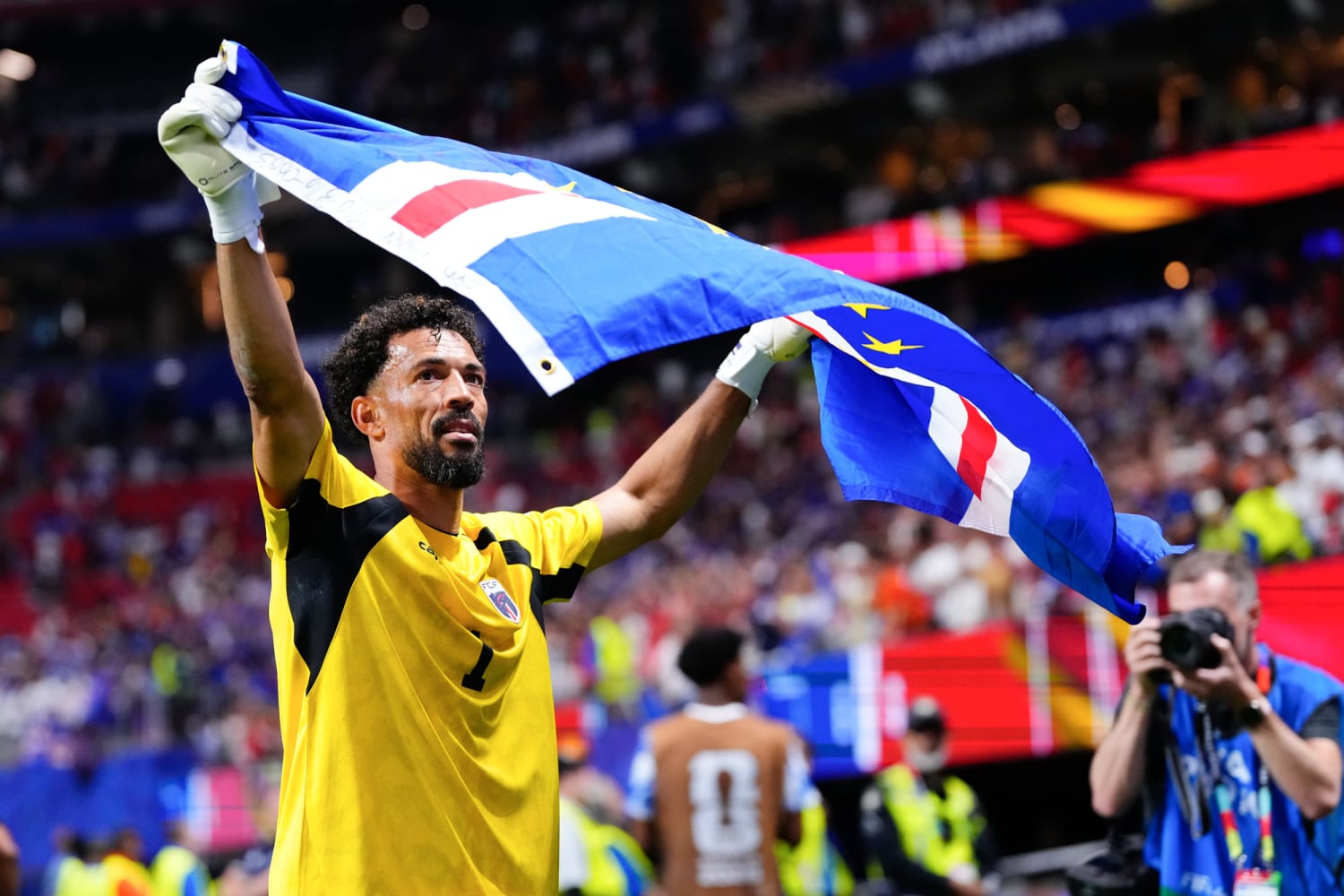
Cape Verde became just the seventh team in World Cup history to avoid defeat in their tournament debut. Their coach Bubista, who masterminded their African qualifying campaign with seven wins and two draws, had pulled off the greatest result in his country's history. Vozinha, the 40-year-old hero, gained five million social media followers in the hours after the final whistle. "I'm so happy, I'm so proud," a Cape Verde supporter told CNN outside the stadium — and she spoke for an entire archipelago.
For Spain, a point dropped against a team ranked 67th in the world is a significant setback. Group H has been blown wide open before it has even properly begun.
Belgium 1-1 Egypt: Lukaku Changes a Game in 22 Seconds
At Lumen Field in Seattle, Belgium and Egypt produced an absorbing contest that delivered one of the most dramatic substitution impacts the World Cup has ever seen — and broke Mohamed Salah's heart on his 34th birthday.
Egypt took the lead through a quite brilliant Emam Ashour strike in the 19th minute. The midfielder, playing his 30th game for his country, took advantage of a defensive breakdown to fire a 20-yard strike into the net — giving Egypt only their second lead in World Cup history. The Pharaohs held firm throughout a first half in which Kevin De Bruyne hit the outside of the post with a dangerous free kick.
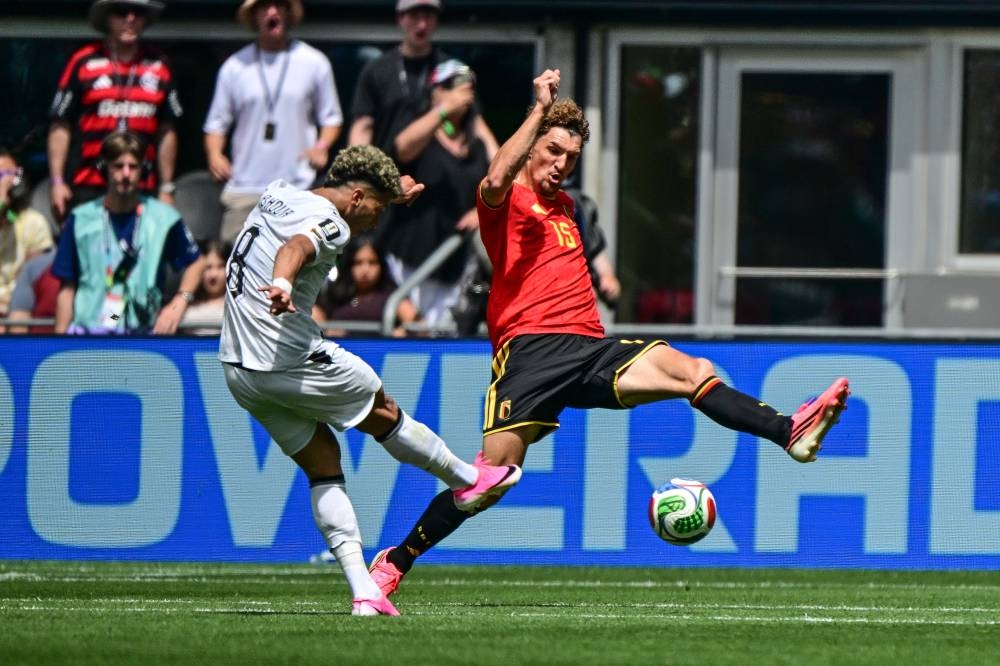
With 65 minutes gone, Belgium coach Rudi Garcia made the decisive move — introducing Romelu Lukaku from the bench. The impact was immediate. Just 22 seconds after entering the field, Lukaku's predatory run into the box from Thomas Meunier's cross was enough to destabilise Egypt's Mohamed Hany, who put the ball through his own net. Belgium had levelled without Lukaku even touching the ball.
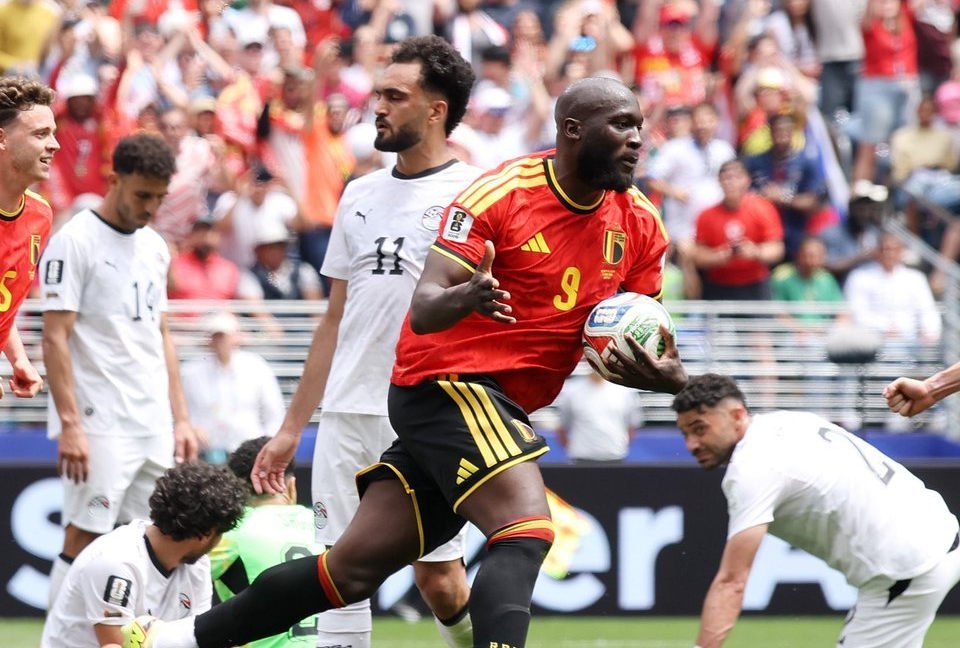
The result spoiled what would have been Egypt's first-ever World Cup victory in their fourth participation at the tournament. Mohamed Salah departed the field with 15 minutes remaining as Egypt sought to shut up shop and ultimately held on for a point that, given the manner of Belgium's equaliser, felt almost cruel to surrender.
Belgium's all-time top scorer Lukaku had also missed a gilt-edged headed chance in the 87th minute when Nicolas Raskin delivered a perfect cross, but it mattered not — a point was all Belgium could find, and a point was all they deserved. Group G remains entirely open heading into Matchday 2.
Saudi Arabia 1-1 Uruguay: Green Falcons Frustrate the Blue-and-Whites
In Miami, Saudi Arabia produced another of their increasingly characteristic World Cup displays — disciplined, physically committed, and dangerous on the counter — to earn a well-deserved 1-1 draw against one of South America's most decorated footballing nations.
Abdulelah Alamri gave the Green Falcons the lead just before half-time, reacting quickest in the box to put away a chance that Saudi Arabia's goalkeeper Mohammed Al-Owais had kept alive earlier in the move. Uruguay, who dominated possession with 67% of the ball and produced a remarkable 28 shots throughout the match, were unable to convert their dominance into goals — an extraordinary statistic that underlines how well-organised the Saudi defensive structure was.
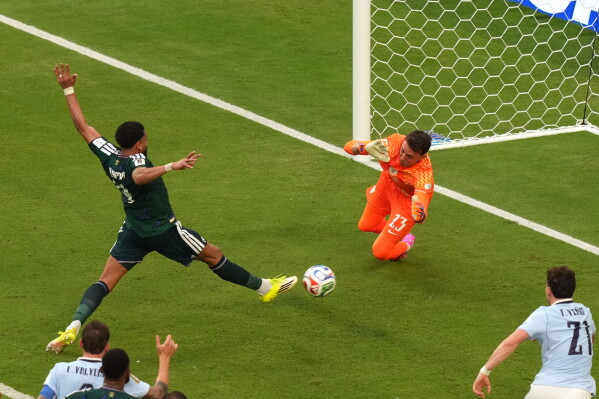
Márcelo Bielsa's side finally broke through with 10 minutes remaining. Maximiliano Araujo fired home from close range on the left after Al-Owais made an initial save but left the ball alive in the box. The equaliser had been coming — but for all their pressure, Uruguay could manage only one shot on target across 90 minutes despite their overwhelming territorial supremacy. Federico Valverde's goalbound effort was pushed wide by a stunning Al-Owais save late on, and Manuel Ugarte struck the far post from outside the box as Uruguay searched desperately for a winner.
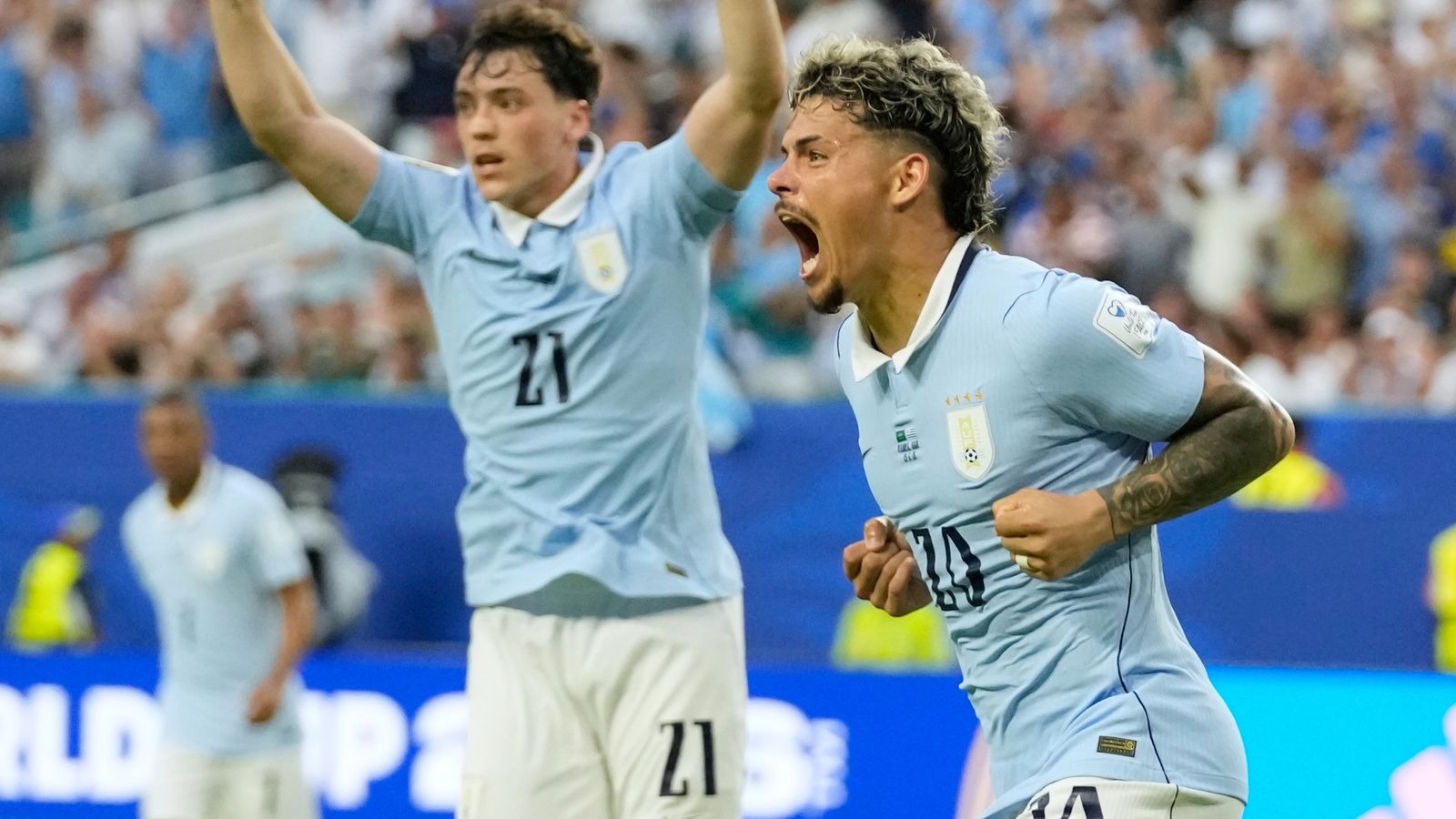
The result adds to a concerning early-tournament trend for South American nations — CONMEBOL sides are yet to win a match at this World Cup, with two draws and two losses from their five opening fixtures.
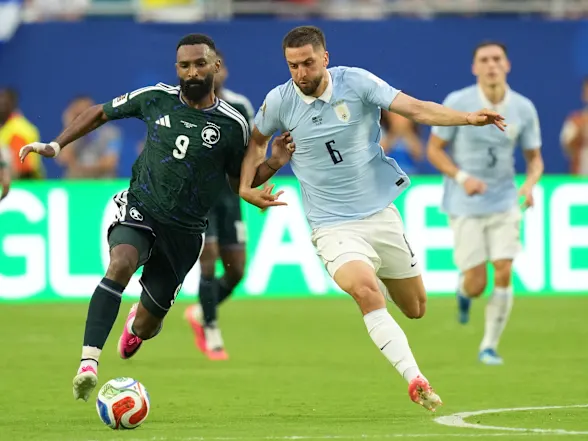
Iran 2-2 New Zealand: A Thriller in Los Angeles
The final match of the day, played at the Los Angeles Stadium in Inglewood against the backdrop of considerable off-field controversy — Iran had been forced to relocate their World Cup base camp from Arizona to Tijuana, Mexico, prompting their coach Amir Ghalenoei to describe his team as "the most repressed at the whole World Cup" — proved to be a remarkable end-to-end thriller.
New Zealand struck first through Elijah Just, who opened his World Cup account with an early goal to raise hopes of an historic result for the All Whites. Iran, however, responded swiftly before half-time through Mohammad Mohebbi to restore parity at 1-1.

The second half delivered more of the same breathless action. Just completed his brace in the 54th minute, collecting the ball at midfield before playing a give-and-go and racing through to score. Iran refused to capitulate. Ramin Rezaeian delivered a beautiful cross from the right that found Mohebbi all alone in the box, and his glancing header to the far post knotted things back up at 2-2 in the 64th minute. Neither side could find a winner in a frenetic conclusion that left both sets of players — and the capacity crowd at Los Angeles Stadium — exhausted.
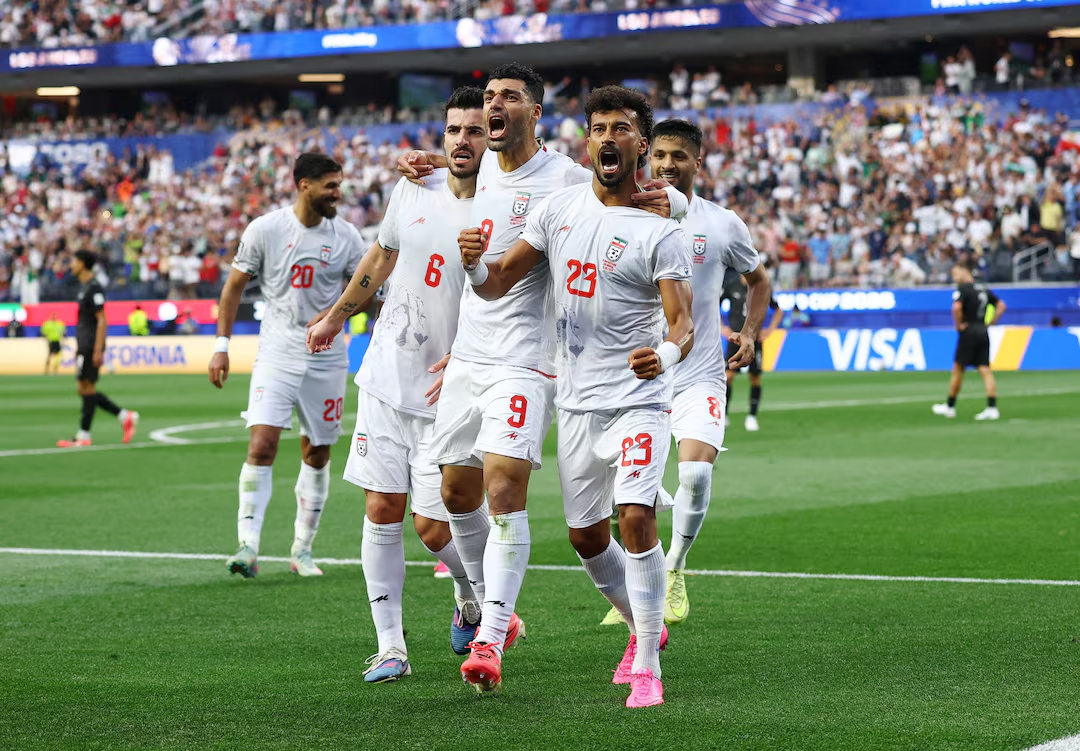
The result means Group G now presents a fascinating final-round picture, with every team in both Groups G and H level on one point apiece after Matchday 1 — an unprecedented situation that guarantees drama across both groups in the coming weeks.
Source : Ballocentre.com
Images : Getty, FIFA, Supersport Football
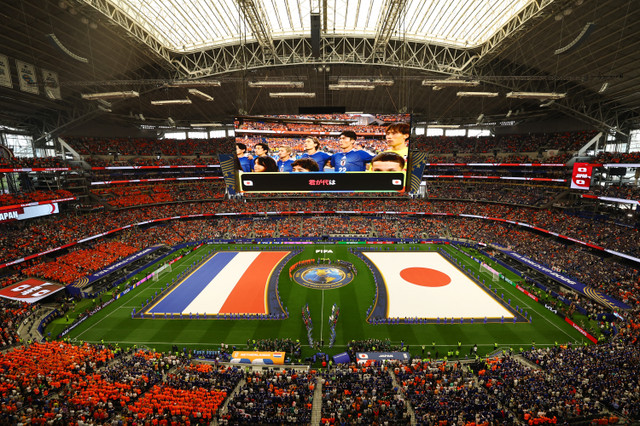
If the first three days of the 2026 FIFA World Cup had promised much, Sunday the 14th of June delivered in spectacular fashion. Four matches across Groups E and F produced a record-breaking German demolition, a last-gasp Japanese comeback, a stunning late winner for Ivory Coast, and an utterly dominant Swedish performance. Twenty-four goals across the four games. History made. Records broken. Day Four was, without question, the finest day of the tournament so far.
Germany 7-1 Curaçao: A Lesson in World Cup Football — With One Unforgettable Moment
From the opening whistle at Houston Stadium, Germany signalled their intentions with characteristic efficiency. Felix Nmecha combined with Florian Wirtz and bent a superb first-time finish into the far corner after just six minutes to set the tone. The four-time world champions were in the mood — and Curaçao, making their first-ever World Cup appearance as the smallest nation in tournament history, were on the wrong end of it.
Yet for one brief, extraordinary moment, the Caribbean island nation wrote themselves into the history books. Livano Comenencia equalised in the 21st minute to score Curaçao's first-ever World Cup goal — a moment that sparked delirium among their small but passionate following — and briefly made it 1-1. It was the culmination of a spirited early passage from the Blue Wave, and for a fleeting instant, anything seemed possible.
Then Germany remembered who they were.
Nico Schlotterbeck restored Germany's lead in the 38th minute before Kai Havertz converted a penalty in first-half stoppage time, awarded after Felix Nmecha was tripped in the box by Riechedly Bazoer. Jamal Musiala latched onto Joshua Kimmich's defence-splitting pass and swept into the bottom corner within minutes of the restart, and Nathaniel Brown marked his World Cup debut with a composed volleyed finish to make it 5-1. Substitute Deniz Undav added a sixth before Havertz completed his brace late on to seal a 7-1 victory.
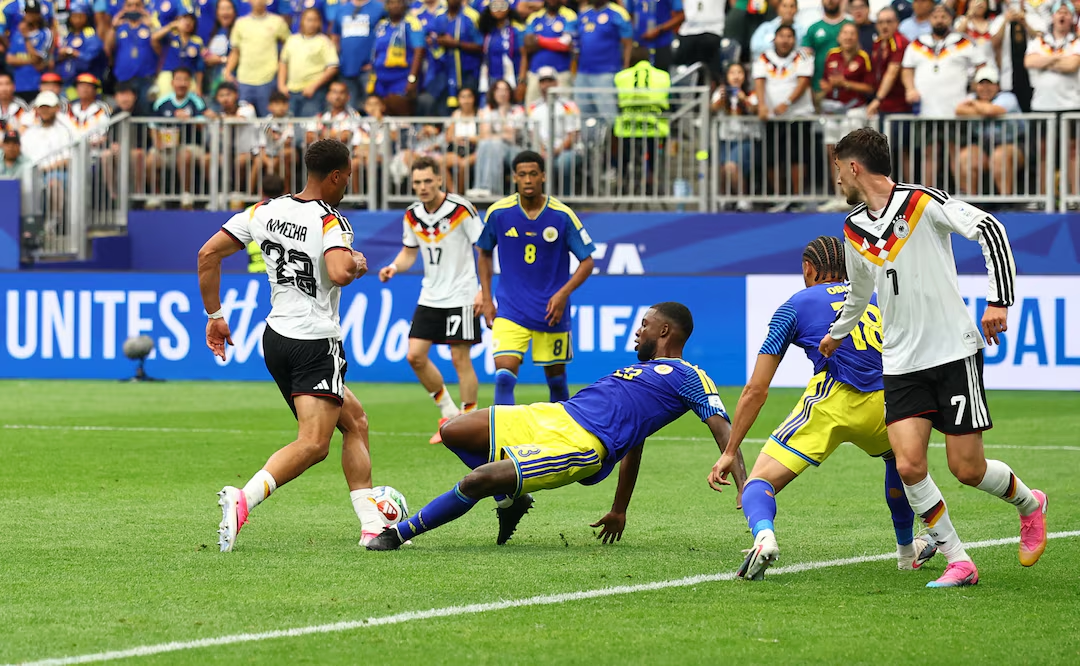
Netherlands 2-2 Japan: The Game of the Tournament so far
If Germany's win was dominant, the clash between the Netherlands and Japan at Dallas Stadium was breathtaking — a 2-2 thriller that confirmed Japan as serious dark horses and left the Dutch wondering how they failed to take three points from a game they led twice.
After a cagey first half, the game exploded into life. Virgil van Dijk headed the Netherlands ahead on the hour mark from Ryan Gravenberch's right-wing cross, before Keito Nakamura's deflected effort — converting a Takefusa Kubo shot — levelled the match in the 57th minute. Crysencio Summerville then restored the Dutch advantage in the 64th minute with a curling strike that Zion Suzuki couldn't reach. Three goals in 13 minutes had produced an enthralling match — and still the best was to come.

With the Netherlands on the verge of victory and the clock deep into the 88th minute, Koki Ogawa rose highest from Junya Ito's corner to nod the ball goalward — and it flicked off Daichi Kamada and beat Dutch goalkeeper Bart Verbruggen to spark jubilant celebrations in front of a crowd of 69,285 at Dallas Stadium.
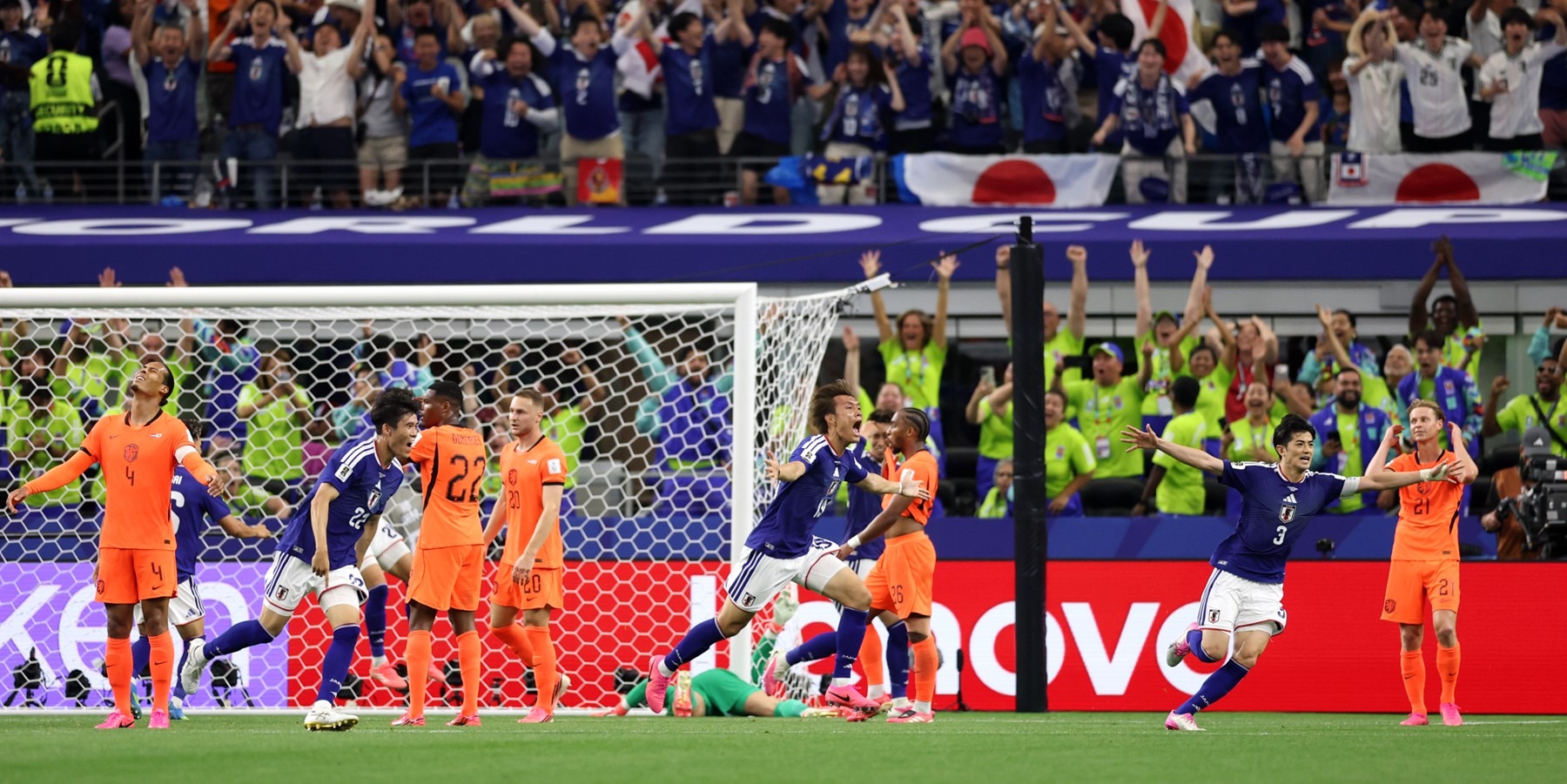
Ivory Coast 1-0 Ecuador: Amad Does It Again
At the Philadelphia Stadium, one name emerged as the unlikely hero of the 2026 World Cup so far — Amad Diallo. The Manchester United forward, who had already scored the winner for Ivory Coast against France in the pre-tournament friendly, delivered again when it mattered most.
Ivory Coast snatched all three points at the death against Ecuador, with Amad Diallo scoring a dramatic 90th-minute winner to lift the Elephants to a 1-0 win. It was a tight, physical encounter throughout — a contest between two evenly-matched sides that refused to yield — and it looked certain to end goalless until Amad struck.
Returning to the World Cup after a 12-year absence, the result was a statement for Ivory Coast. The win, coming against one of the best defensive sides in South America, suggests the Elephants could be a genuine force in Group E. They now sit level on three points with Germany at the top of the group after the opening round of fixtures.

Sweden 5-1 Tunisia: Gyökeres Stars as Vikings Run Riot
The day concluded in Monterrey, and Sweden — buoyed by the news that the Netherlands and Japan had drawn in Dallas — seized the moment emphatically. A comprehensive 5-1 dismantling of Tunisia sends a powerful message: the Scandinavians, often considered a team of solid efficiency rather than attacking flair, are arriving at this World Cup in thrilling form.
Yasin Ayari opened the scoring from long range — and famously refused to celebrate, given that his father is Tunisian. Alexander Isak made it two with a swift counterattack before Omar Rekik nodded home a Hannibal Mejbri pass against the run of play to bring Tunisia briefly back into contention at 2-1. After the break, Viktor Gyökeres finished a simple chance after Isak's high press paid dividends, before Mattias Svanberg — remarkably — made it four with a controlled finish just 16 seconds after being introduced from the bench. Ayari then added the pick of the bunch, slamming in from the edge of the box to complete a stunning personal display and a statement Swedish win.
It was the first time since the 1938 World Cup that Sweden managed five goals in a single match at the tournament. Tunisia, who had not conceded a single goal throughout the entire qualification process, were left shell-shocked.

Source : Ballocentre.com
Images : Getty, FIFA, Supersport Football
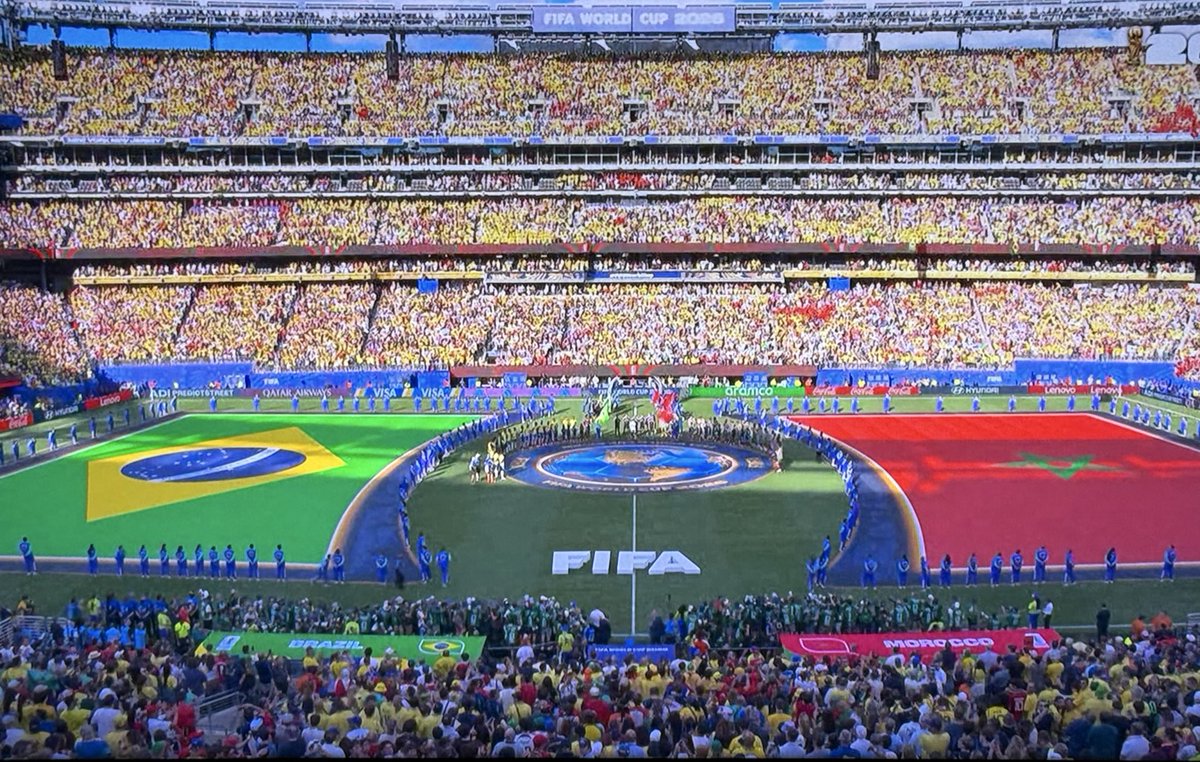
Saturday at the 2026 FIFA World Cup was a day of upsets, hard-earned points, and moments that will linger in the memory long after the tournament is over. Four matches across Groups B, C and D produced one last-gasp shock, a heavyweight draw, a historic first win, and arguably the defensive performance of the tournament so far. The World Cup is well and truly alive.
Switzerland 1-1 Qatar: Khoukhi Breaks Hearts in San Francisco
Saturday's opening match at the San Francisco Bay Area Stadium felt routine for most of the 90 minutes — and then Qatar produced one of the moments of the tournament so far
Switzerland, the pre-match favourites, dominated from the first whistle and took a well-deserved lead through Breel Embolo's penalty in the 17th minute. The Swiss pressed relentlessly, recording an extraordinary 23 shots over the course of the match with seven on target — and yet for all their dominance, they could not find a second goal to put the game to bed.

Qatar, in just their second World Cup appearance, sat deep, defended resolutely, and waited for their moment. It arrived deep in stoppage time. Boualem Khoukhi headed home to snatch a stunning 1-1 draw for the Maroon in the dying seconds of the match, silencing the stadium and sending Qatar's supporters into delirium. It was a dramatic and improbable result that throws Group B wide open — Switzerland and Canada both sit on one point apiece after Matchday 1, with Bosnia and Herzegovina and Qatar level alongside them.

Brazil 1-1 Morocco: Atlas Lions Hold the Seleção
The marquee fixture of the day lived up to its billing. At a packed New York New Jersey Stadium in East Rutherford, two of the most anticipated sides in the tournament went toe to toe — and the result was an absorbing, competitive 1-1 draw that left both coaches reflecting on what might have been.
Morocco, the 2022 World Cup semi-finalists who became the first African nation to reach that stage, showed from the very first whistle that they had no intention of sitting back against the five-time world champions. It was Morocco who took a shock lead, with Ismael Saibari — on the back of an extraordinary individual performance that included 100 pressures, equalling the most by any player in a single match at the 2026 World Cup — finishing a clinical counterattack in the 21st minute after a measured through ball from Brahim Díaz.

Brazil had looked uncomfortable in the early stages, struggling with Morocco's high press and misplacing passes they had no business misplacing. But they equalised through the one man always capable of turning a match: Vinicius Júnior. The Real Madrid forward received the ball on the edge of the area, found a sliver of space — about the only space Morocco had offered all evening — and curled a thunderous right-footed strike into the top corner in the 32nd minute for his 10th goal for Brazil.

Neither side could find a winner thereafter, with the second half producing fewer chances as both teams began to play not to lose. Alisson, the Brazilian goalkeeper, pulled off a crucial double save late in the match to preserve the point.
Haiti 0-1 Scotland: McGinn Ends a 28-Year Wait
At the Gillette Stadium in Boston, Scotland's return to the World Cup after a 28-year absence was a tense, nervy, but ultimately joyous occasion. John McGinn's 28th-minute goal proved the difference in a 1-0 victory over Haiti — and while it was far from a classic performance, the significance of the result cannot be overstated.

It is Scotland's first win in a World Cup opener since their 5-2 victory over New Zealand at the 1982 FIFA World Cup in Spain — and their first World Cup win of any description since 1998 when they last participated in the tournament in France.
The goal arrived when Ché Adams stretched Haiti's defence, laying the ball off into the path of Aston Villa's McGinn, who swept home a finish — admittedly a scruffy one — that sent the tartan-clad sections of the Boston crowd into deafening celebration. Haiti, for their part, showed genuine fight throughout and came agonisingly close to an equaliser in the 85th minute when a forward missed a golden opportunity. Scotland's defence — well-organised and disciplined — held firm.
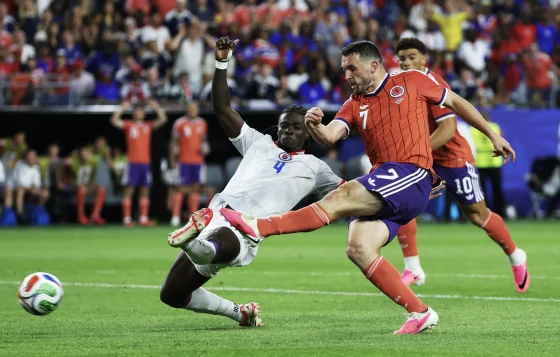
Australia 2-0 Türkiye: The Socceroos Stun in Vancouver
The final match of Saturday delivered the day's biggest shock. At BC Place in Vancouver, Australia produced a defensive masterclass to defeat Türkiye 2-0 in Group D — a result that few predicted and which sends an emphatic early message about the Socceroos' tournament ambitions.
Türkiye, making their first World Cup appearance since reaching third place in 2002, were widely expected to be the stronger side. They certainly had the ball — Australia managed just 28% possession — but Tony Popovic's side had no intention of competing in a football match on those terms. Defending in a resolute 5-4-1, Australia compressed space, frustrated Türkiye's creative players, and waited to hurt them on the counter.
It worked to perfection. Young Watford winger Nestory Irankunda took the lead in the 27th minute, chasing a ball down the left channel, cutting inside Merih Demiral, and slotting past goalkeeper Ugurcan Çakır with a composure that belied his age. Türkiye had chances to equalise — most notably a ferocious long-range strike from Abdulkerim Bardakçı that 22-year-old goalkeeper Patrick Beach, winning just his third cap, pushed onto the post at full stretch with an outstanding fingertip save. Juventus forward Kenan Yıldız was introduced at half-time despite nursing a calf issue, and Türkiye's creative playmaker Arda Güler was involved in most of their best moments — but Australia held firm.

The clinching goal came in the 75th minute when Connor Metcalfe, picking up a loose ball after Türkiye gave it away in midfield, drove forward and unleashed a bouncing strike from the edge of the box that flew past the outstretched glove of Çakır and into the bottom corner. Despite allowing 30 total shots, Australia conceded just 1.32 expected goals — a remarkable statistic that underlines the quality of their defensive discipline.
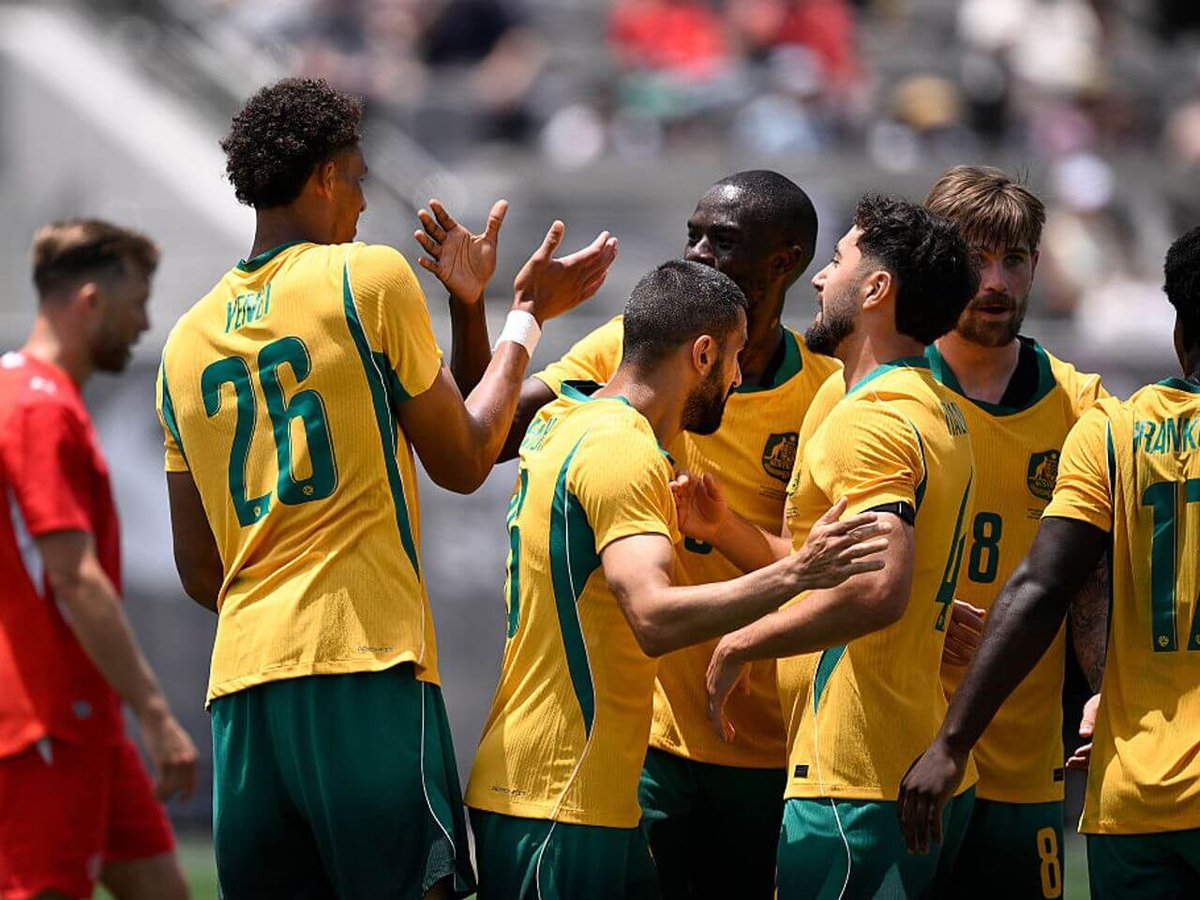
The result places Australia joint at the top of Group D alongside the United States — with Türkiye and Paraguay now in desperate need of a response in their remaining group fixtures.
Source : Ballocentre.com
Images : Getty, FIFA, Supersport Football

Day two of the 2026 FIFA World Cup belonged firmly to North America. In Toronto, co-hosts Canada produced a stirring late comeback to claim a historic first World Cup point, while in Los Angeles, the United States delivered the performance of the tournament so far — a ruthless, record-breaking 4-1 demolition of Paraguay that announced Mauricio Pochettino's side as genuine contenders.
Canada 1-1 Bosnia and Herzegovina: A Point to Remember
At a sold-out Toronto Stadium, Canada's first-ever men's World Cup match on home soil began with all the spectacle the occasion demanded — the opening match of Canada's tournament was heralded by pre-match cameos from Michael Bublé and Alanis Morissette — but it was Bosnia and Herzegovina who landed the first blow on the pitch.
Jovo Lukić headed Bosnia and Herzegovina into the lead in the 21st minute, finishing from a corner kick to silence the home crowd. For long periods thereafter, Canada huffed and puffed against a side renowned for its defensive discipline — a Bosnia and Herzegovina side that proved every bit as frustrating to break down as they had been for Italy during the World Cup playoffs.
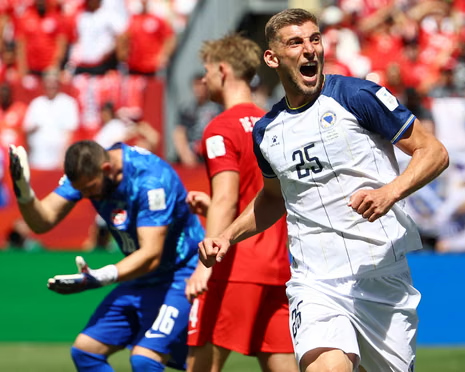
The breakthrough finally arrived with twelve minutes remaining. Substitute Cyle Larin scored the equaliser in the 78th minute, assisted by Jonathan David, sending the Toronto crowd into raptures. Remarkably, Larin's intervention came just 121 seconds after he had been introduced from the bench.

The result carries genuine historical significance. The point marks Canada's first in World Cup history — they had lost all six of their previous matches across their two prior tournament appearances, in 1986 and 2022 — and means Canada avoided becoming only the second host nation in World Cup history to lose their tournament opener.
USA 4-1 Paraguay: A Statement Win in Los Angeles
If Canada's evening was about fighting spirit, the United States' was about ruthless efficiency. In front of a star-studded Los Angeles crowd, the USMNT opened their home World Cup campaign with a bang, delivering an electric first half that set the tone for a 4-1 victory over Paraguay.
The breakthrough came early and somewhat fortuitously. The USMNT's attacking pressure forced Paraguay's Damian Bobadilla into an own goal in just the seventh minute. With the early lead settling any nerves, Folarin Balogun doubled the advantage in the 31st minute before adding a second of his own in the 45th minute, just before half-time, to make it 3-0 at the break.
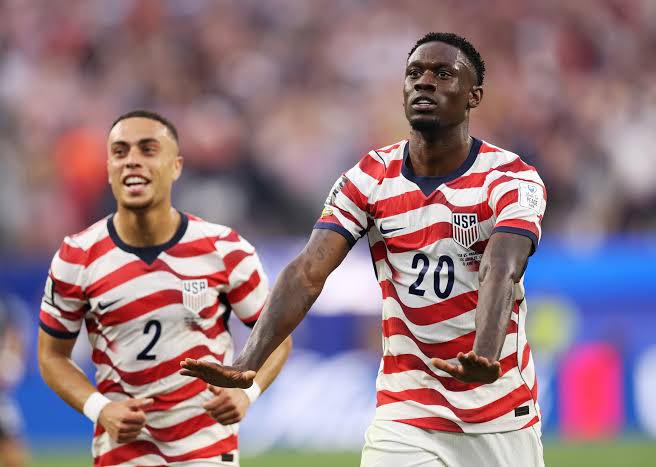
Paraguay did manage to spoil the USMNT's clean sheet when substitute Mauricio found space in the box in the 73rd minute to pull one back, but there was to be no way back for the South Americans. Substitute Giovanni Reyna completed the scoring deep into injury time, in the 90th+8th minute, with Reyna receiving the ball from Freeman after an interchange with Weah, before driving into the box and dispatching a perfectly struck finish with the outside of his right boot into the far corner.
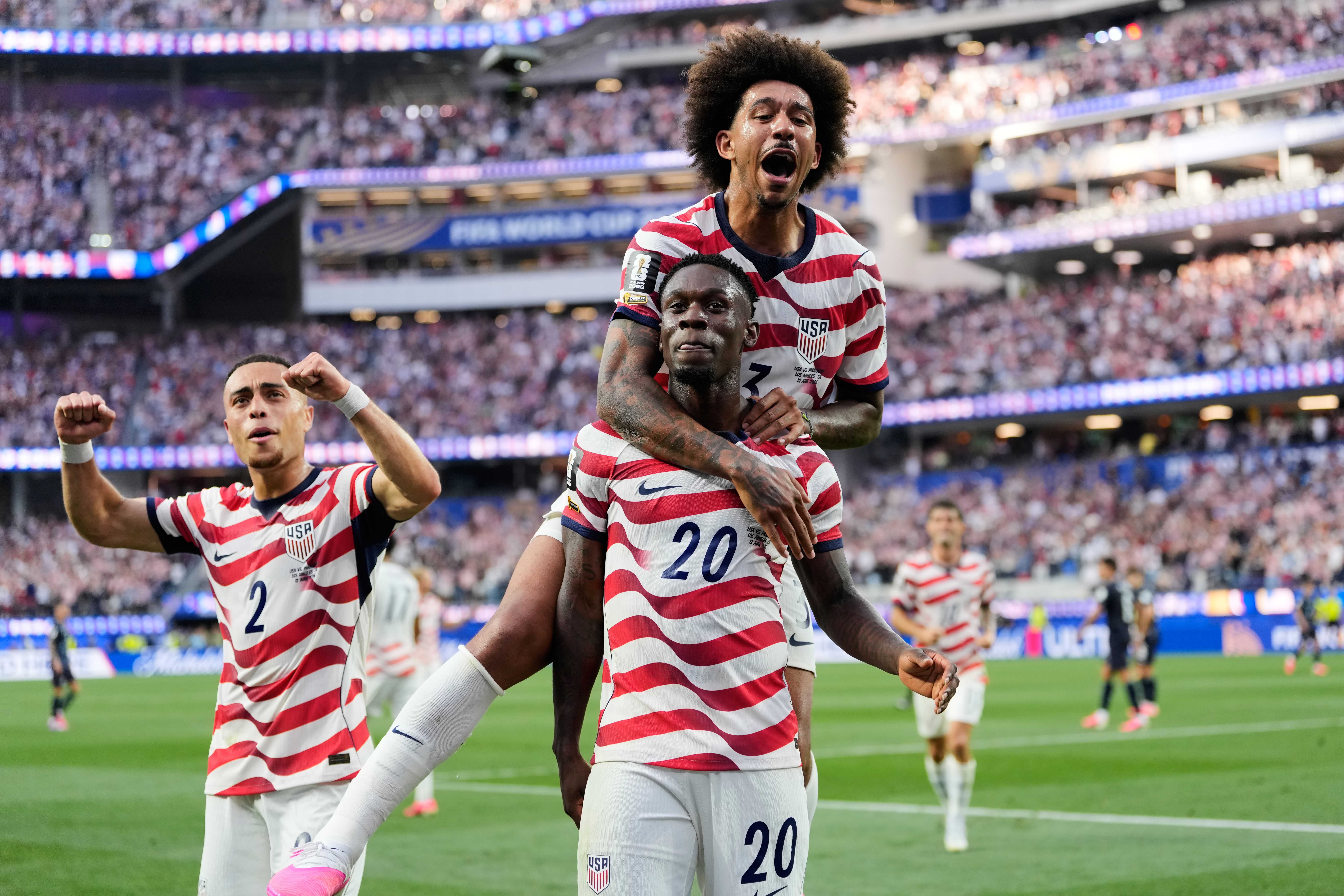
The 4-1 scoreline carries historical weight for American football. It marks the first time the USMNT have ever scored four goals in a World Cup match. The performance was also defined by remarkable individual quality at the back — defender Chris Richards produced a perfect 83-from-83 passing display, an extraordinary statistic for a World Cup match.
Source : Ballocentre.com
Images : Getty, FIFA, Supersport Football

The opening round of Group A delivered everything a World Cup promises: goals, controversy, comebacks, and history. Co‑hosts Mexico handled the pressure in front of a roaring Estadio Azteca, while Korea Republic staged a spirited turnaround in Guadalajara. Here’s how both matches unfolded.
Mexico 2–0 South Africa
Quinones makes history, Jiménez seals it, and three red cards steal the headlines
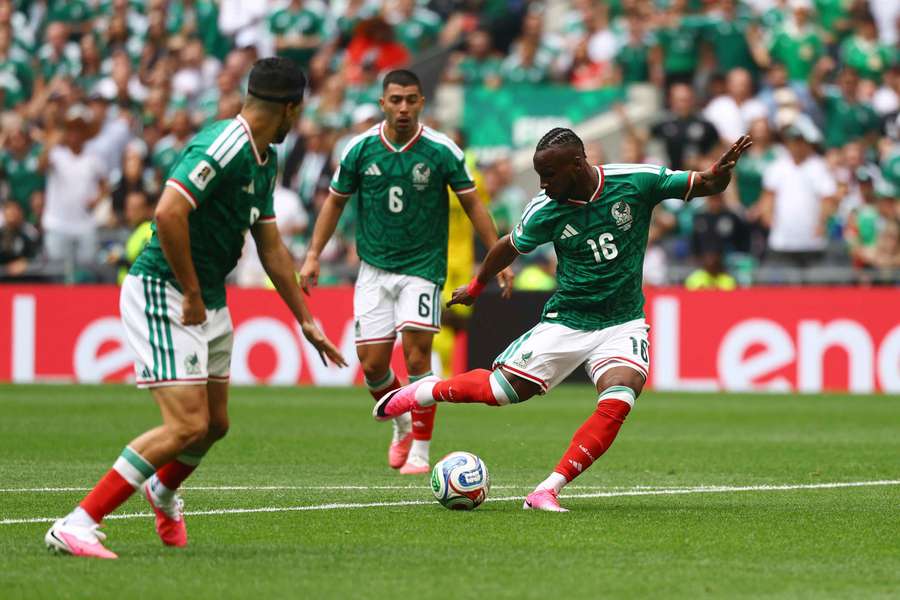
Mexico kicked off their home World Cup with a commanding 2–0 victory over South Africa in a match defined by early intensity and late chaos. Julián Quiñones opened the scoring in the 9th minute, capitalising on a defensive error to net the first goal of the 2026 tournament.
South Africa struggled to settle, and their task became even harder when Sphephelo Sithole received a straight red card early in the second half. Reduced to ten men, Bafana Bafana were forced deeper, and Mexico eventually doubled their lead through Raúl Jiménez, who headed home in the 67th minute.
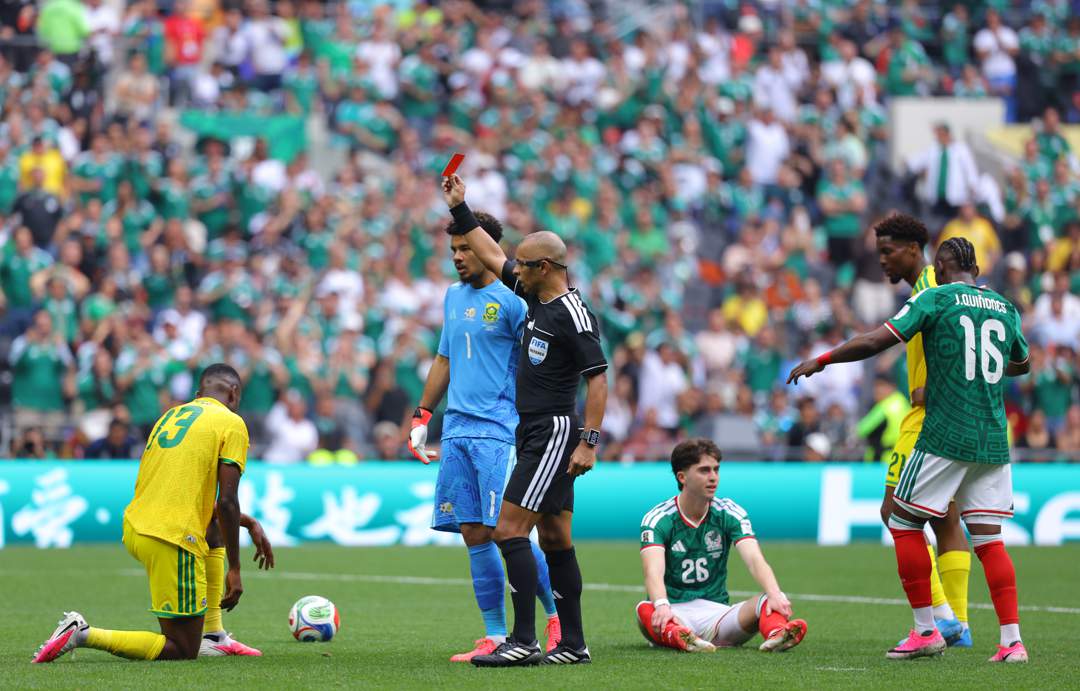

Tensions escalated further as Themba Zwane was sent off for violent conduct, leaving South Africa with nine players. Mexico’s César Montes was also dismissed late on, marking three red cards — the most ever in a World Cup opening match.
Despite the numerical advantage, Mexico were criticised for not extending the scoreline, but they walk away with a confident start and three crucial points.
Korea Republic 2–1 Czechia
A comeback built on resilience, missed chances, and late drama
In Guadalajara, Korea Republic produced a gritty 2–1 comeback win over Czechia to join Mexico at the top of Group A. Despite dominating the first half, Korea were repeatedly denied by Czech goalkeeper Matěj Kovář, and their wastefulness nearly cost them.
Against the run of play, Czech captain Ladislav Krejčí headed in the opener in the 59th minute. But Korea responded swiftly:
Hwang In‑beom equalised with a composed finish in the 67th minute.
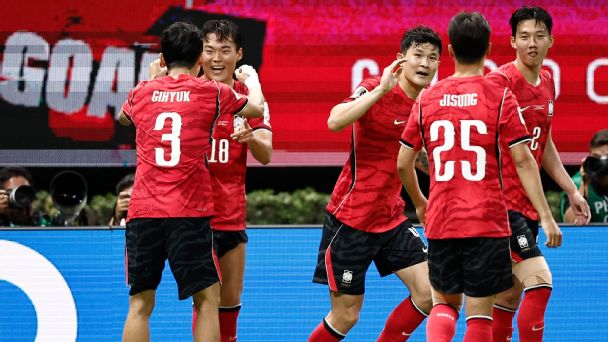
Substitute Oh Hyeon‑gyu completed the turnaround in the 80th minute, firing home from close range after excellent work from Hwang.
Czechia pushed desperately for an equaliser, forcing several late saves from Kim Seung‑gyu, but Korea held firm to secure their first World Cup opening‑match win in 16 years.
Source : Ballocentre.com
Images : Getty, FIFA, Supersport Football
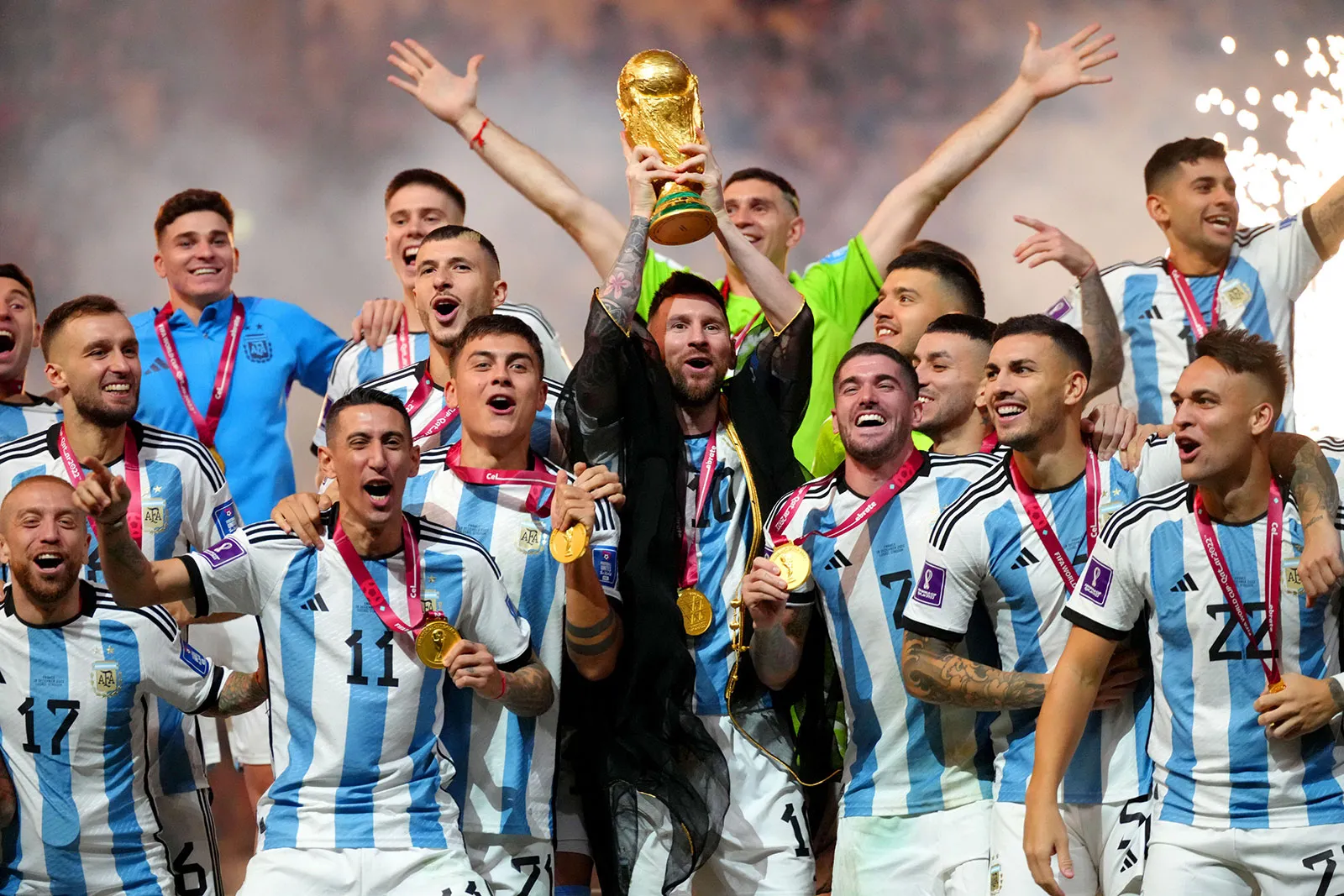
Argentina’s 36‑year wait to stand atop world football again ended with a generation that was barely 23 when they touched the trophy — and now, they sit with Romário to relive every heartbeat of that journey.
In this new chapter of “Owners of the Cup” on RomárioTV, episode 5 — “Argentina 2022” — Alexis Mac Allister looks back on the campaign that crowned Messi, restored Argentina’s global throne in Qatar, and forged one of the most resilient squads in modern football.
He recounts joining the team mid‑tournament, surviving the shock against Saudi Arabia, and helping spark the turnaround that carried Argentina through a tournament of rising tension, culminating in the most dramatic final of the century — a penalty‑decided epic against Mbappé’s France.
Between the weight of a nation on Messi’s shoulders, the unbreakable belief inside the group, and the unseen moments that shaped the run, this episode reveals what truly powered Argentina’s return to glory.
Source : Ballocentre.com
Images : Getty, Romario TV

It is one of the great modern World Cup stories. France arrived in Russia in 2018 carrying the scars of a heartbreaking Euro 2016 final defeat on home soil — and left as world champions, a golden generation finally delivering on the extraordinary promise that had been building for years. Now, eight years on and with the 2026 World Cup underway, two of the men who lived every moment of that triumph are ready to tell it like it has never been told before.
Donos da Copa — Masters of the Cup — continues on RomárioTV as Brazilian legend Romário sits down face to face with world champions past and present. In Episode 3, the focus turns to França 2018, with Olivier Giroud and Samuel Umtiti as Romário's guests. Together, they relive the campaign that delivered France's second world title — from the electric demolition of Argentina in the round of sixteen, to the composed silencing of a generational Belgian side in the semi-final, to the nerve-shredding final against Croatia in Moscow where Les Bleus held firm and lifted the trophy.
These are the testimonies of two men who carried a young, brilliant squad through the toughest knockout rounds of the tournament — unfiltered, intimate, and told with the authority of those who were there.
The interview is in Brazilian Portuguese and French
Source : Ballocentre.com
Images : Getty, Romario TV
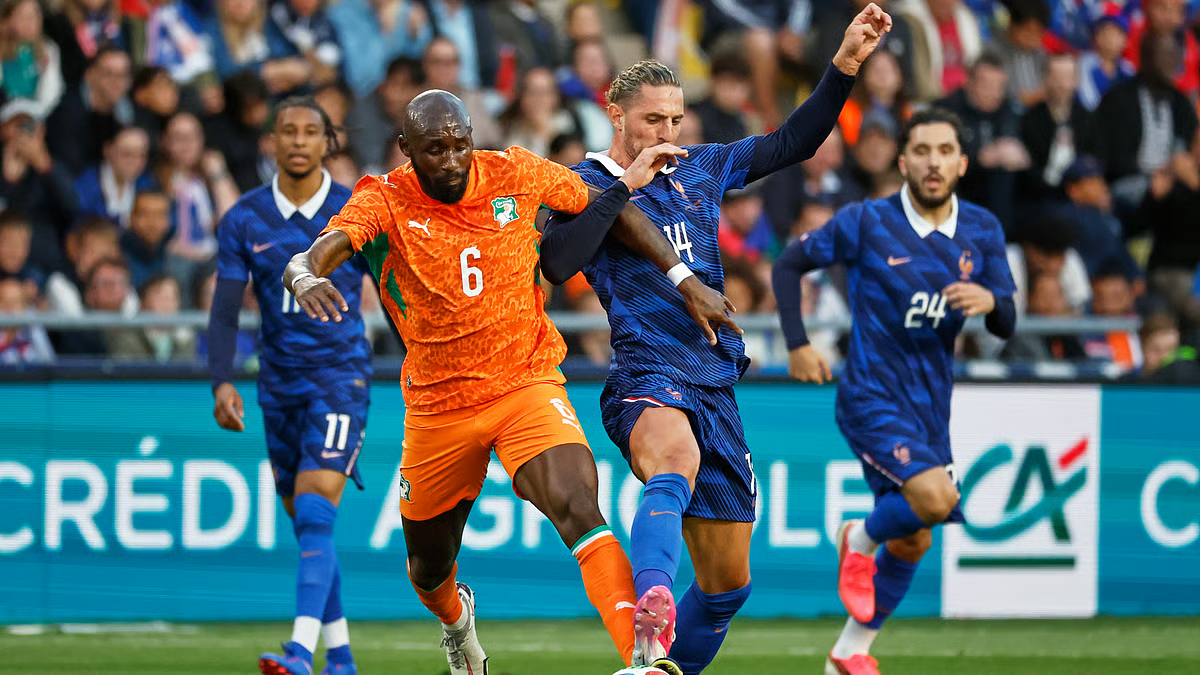
Manchester United forward Amad Diallo scored a late winner to hand Ivory Coast a shock 2–1 victory over a much-changed France side in their World Cup warm-up match at the Stade de la Beaujoire in Nantes on Thursday evening. It was a sobering evening for Les Bleus, who head into the tournament in less than ideal form, and a timely confidence boost for the Elephants ahead of what promises to be a memorable summer.
France made a bright start, with Michael Olise finding Kylian Mbappé on the left side of the area, but his low shot was parried away by Ivory Coast goalkeeper Yahia Fofana. Rayan Cherki then fired the hosts ahead just before half-time.
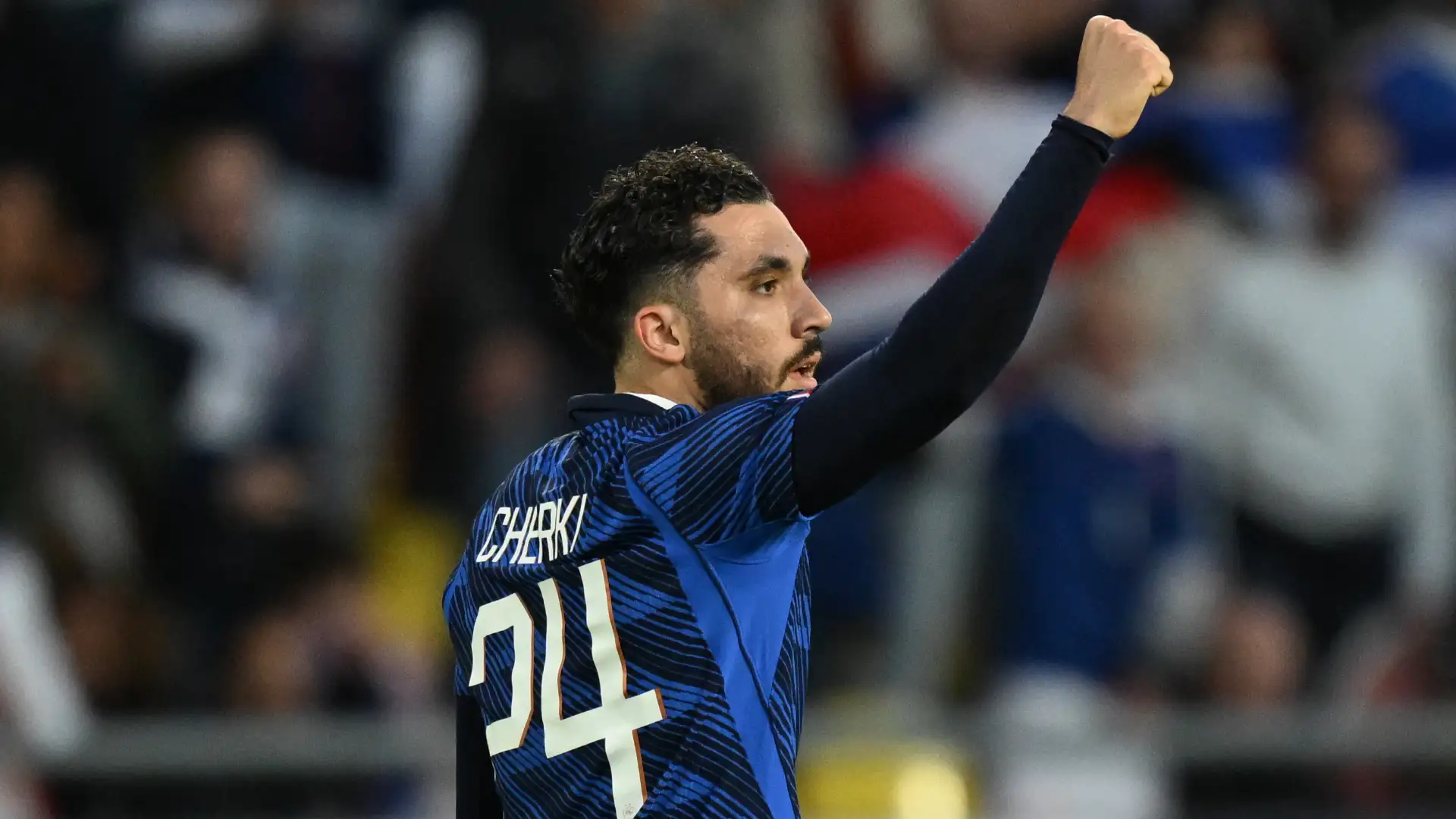
After Didier Deschamps made sweeping changes for the second half, Ivory Coast quickly drew level through French-born Guéla Doué, who restored parity just eight minutes after the restart. The winner came with six minutes remaining — Amad Diallo converting from the centre of the box, assisted by Doué's cross, to send the Ivory Coast bench into wild celebration.
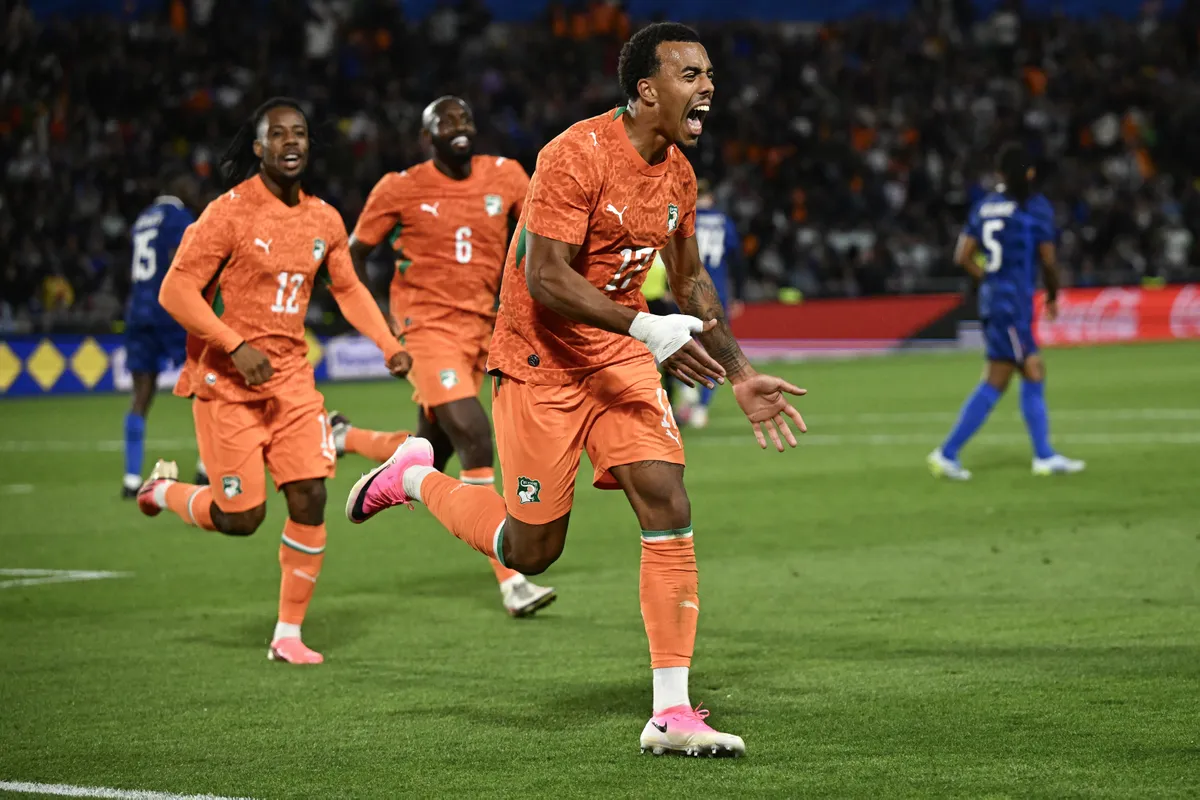
France dominated possession — 59.6% to 40.4% — and had 15 shot attempts to Ivory Coast's seven, but could only muster six efforts on target, with Ivory Coast goalkeeper Fofana producing five saves to keep his side in the contest.
France open their 2026 World Cup campaign against Senegal in New Jersey on June 16. Deschamps will have plenty to reflect on before then.
Source : Ballocentre.com
Images : Getty, Alaa Elsafy
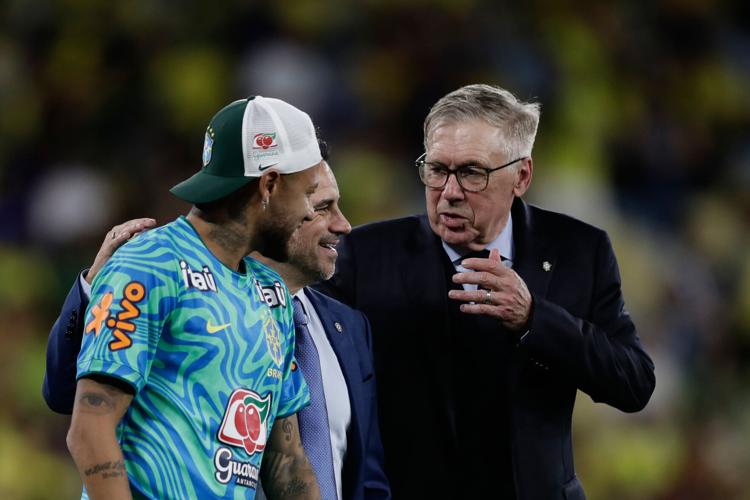
Rômulo Mendonça has sincere conversation with the Brazilian national team coach before the trip to North America.
Enjoy

Source : Ballocentre.com
Images : Getty, Prime Video Sport Brasil
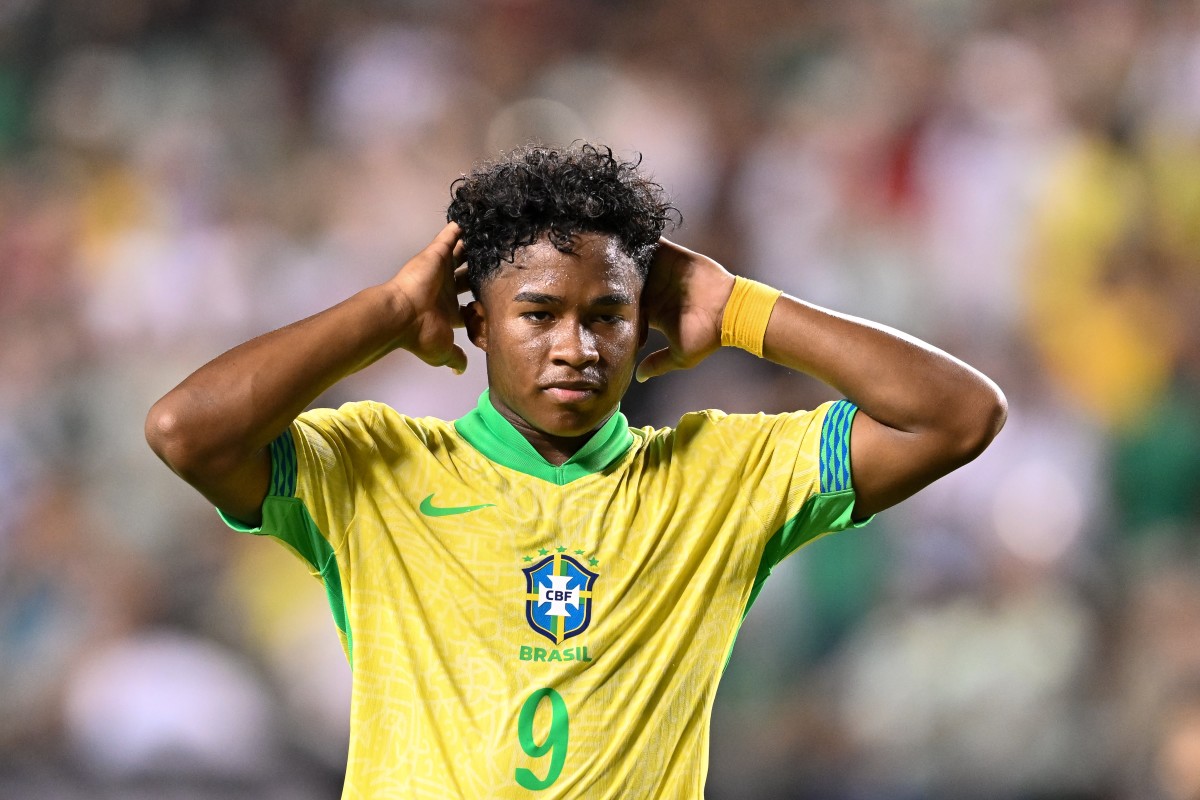
At just 17, Endrick has already become one of the most talked‑about talents in world football — and in his exclusive conversation with Placar, the young striker shows exactly why Brazil sees him as the future. Speaking with surprising maturity, he reflects on the biggest themes surrounding his meteoric rise: the World Cup, the weight of Neymar’s legacy, and the defining moments that shaped his journey from Brasília’s dusty pitches to the global stage.
Enjoy
Source : Ballocentre.com
Images : Getty, Placar
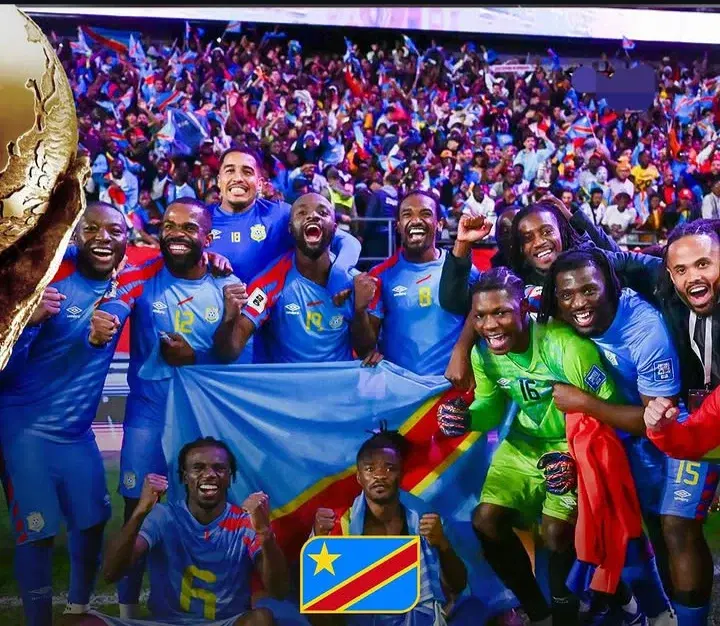
In a night of raw emotion and history, the Democratic Republic of Congo defeated Jamaica 1–0 in the intercontinental playoff to secure their place at the 2026 FIFA World Cup. For the Leopards, this was more than just a victory—it was a milestone, marking their first qualification since 1974.
A Long Road Back
The DRC’s last appearance on football’s grandest stage came over half a century ago, when they competed in West Germany as Zaire. That campaign ended without a win, but it etched their name into the annals of African football. Since then, decades of near misses, political turmoil, and rebuilding efforts kept the dream at bay. The triumph over Jamaica finally broke the cycle, delivering redemption and renewal.
Played under immense pressure, the playoff was tight and tense. Jamaica’s Reggae Boyz brought physicality and pace, but the Leopards held firm.
Axel Tuanzebe, the former Manchester United defender now at Burnley, scored the decisive extra‑time goal against Jamaica.
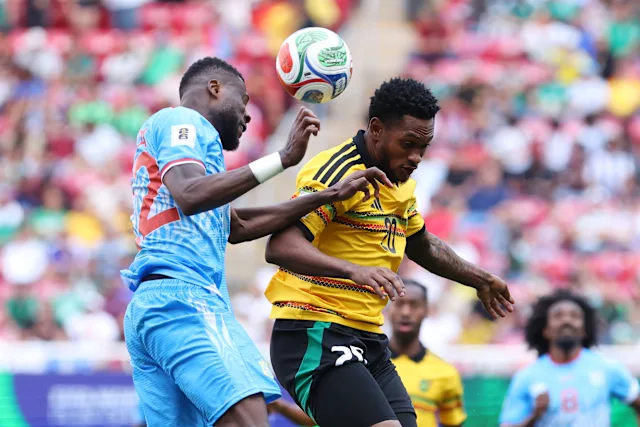
His 100th‑minute strike in Guadalajara ended a 52‑year wait and sparked wild celebrations across Kinshasa and the Congolese diaspora worldwide
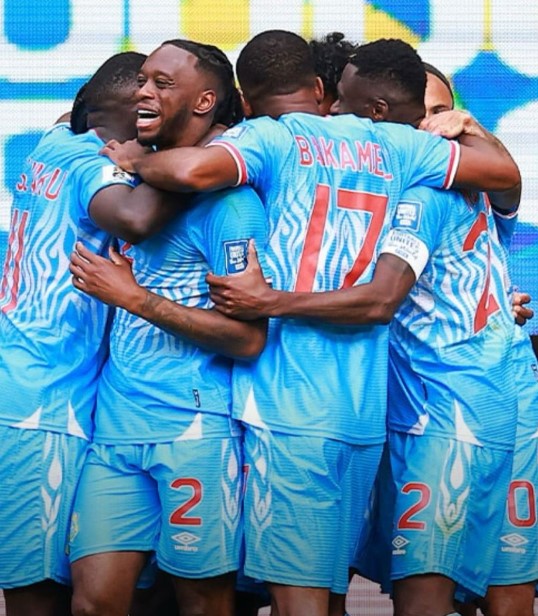
Looking Ahead to the World Cup
The DRC will now join Africa’s contingent at the World Cup in North America. Their return comes at a time when African football is pushing boundaries, with CAF expanding AFCON to 28 teams and investing heavily in infrastructure.
For the Leopards, the challenge will be to prove that their qualification is not just symbolic but competitive—that they can stand toe‑to‑toe with the world’s best.
Source : Ballocentre.com
Images : Getty
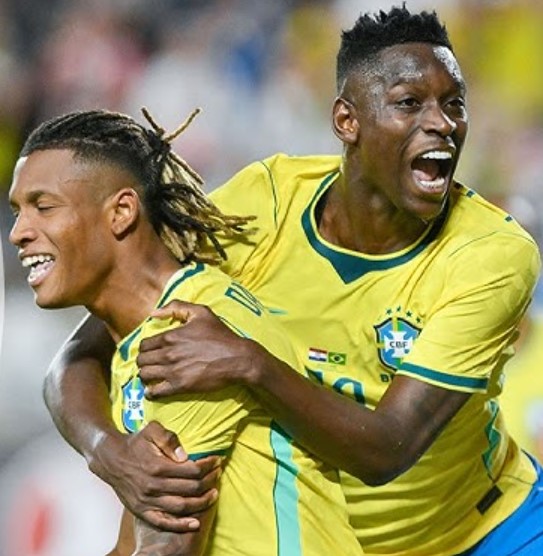
Brazil defeated Croatia 3–1 in Orlando in a high‑profile international friendly, with late goals from Igor Thiago and Gabriel Martinelli sealing the win after Lovro Majer had briefly equalized. The result was a strong response from Carlo Ancelotti’s side following their loss to France, and a symbolic tune‑up ahead of the 2026 World Cup.
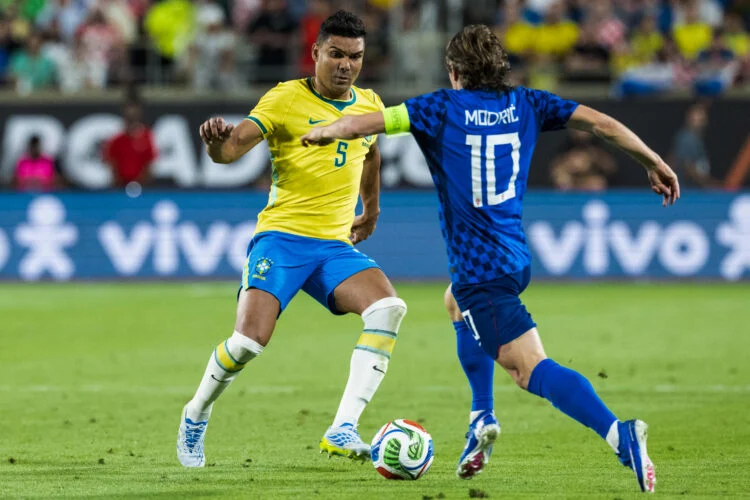
Source : Ballocentre.com
Images : Getty
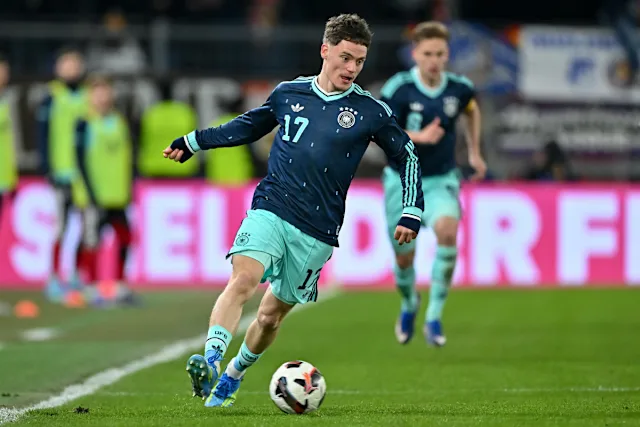
Germany national football team secured a dramatic 2–1 victory over Ghana national football team in an international friendly played on March 30, 2026, in Stuttgart, with a late goal sealing an entertaining contest. The match, part of both nations’ preparations for the upcoming World Cup, delivered intensity, tactical experimentation, and late drama.
Germany took the lead just before halftime when Kai Havertz calmly converted a penalty in stoppage time, giving the hosts a deserved advantage after controlling much of the first half. Despite their dominance, Germany failed to extend the lead, with missed chances proving costly as Ghana remained within reach.
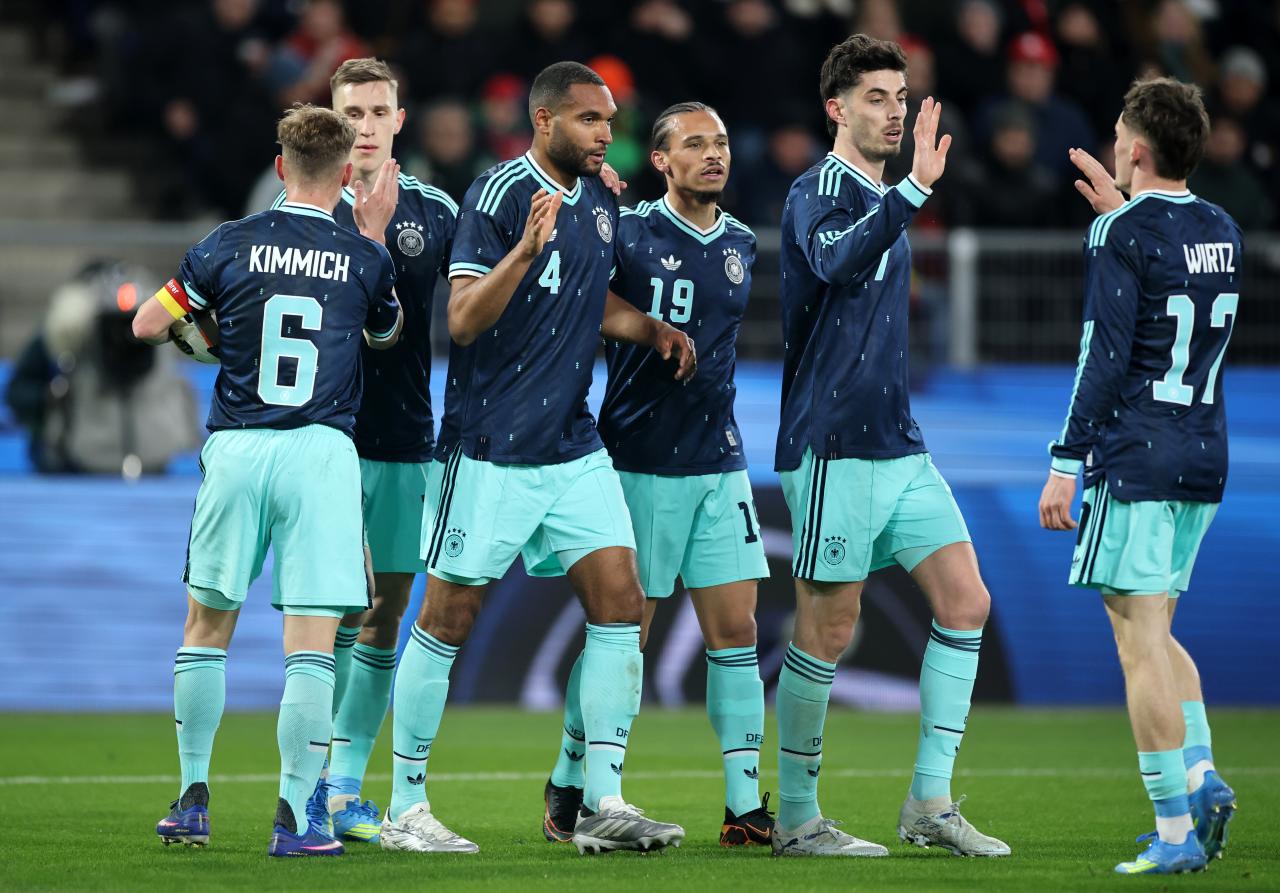
The visitors responded strongly in the second half, and their persistence paid off in the 70th minute when Abdul Fatawu Issahaku finished a swift counterattack to level the score. Ghana’s equaliser exposed defensive vulnerabilities in the German setup and shifted momentum, setting up a tense final stretch.
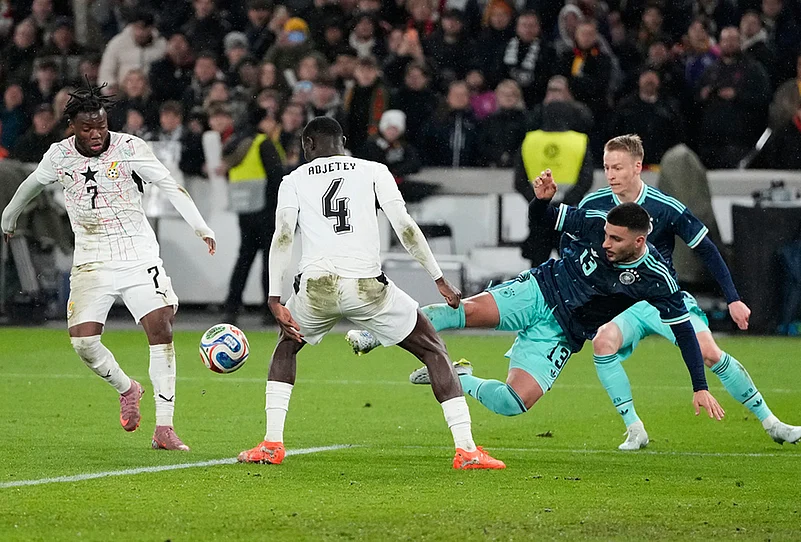
Just as the match seemed destined for a draw, substitute Deniz Undav emerged as the hero, striking in the 88th minute to restore Germany’s lead and secure the win. The late goal highlighted Germany’s attacking depth, though questions remain about consistency and defensive stability ahead of the global tournament.
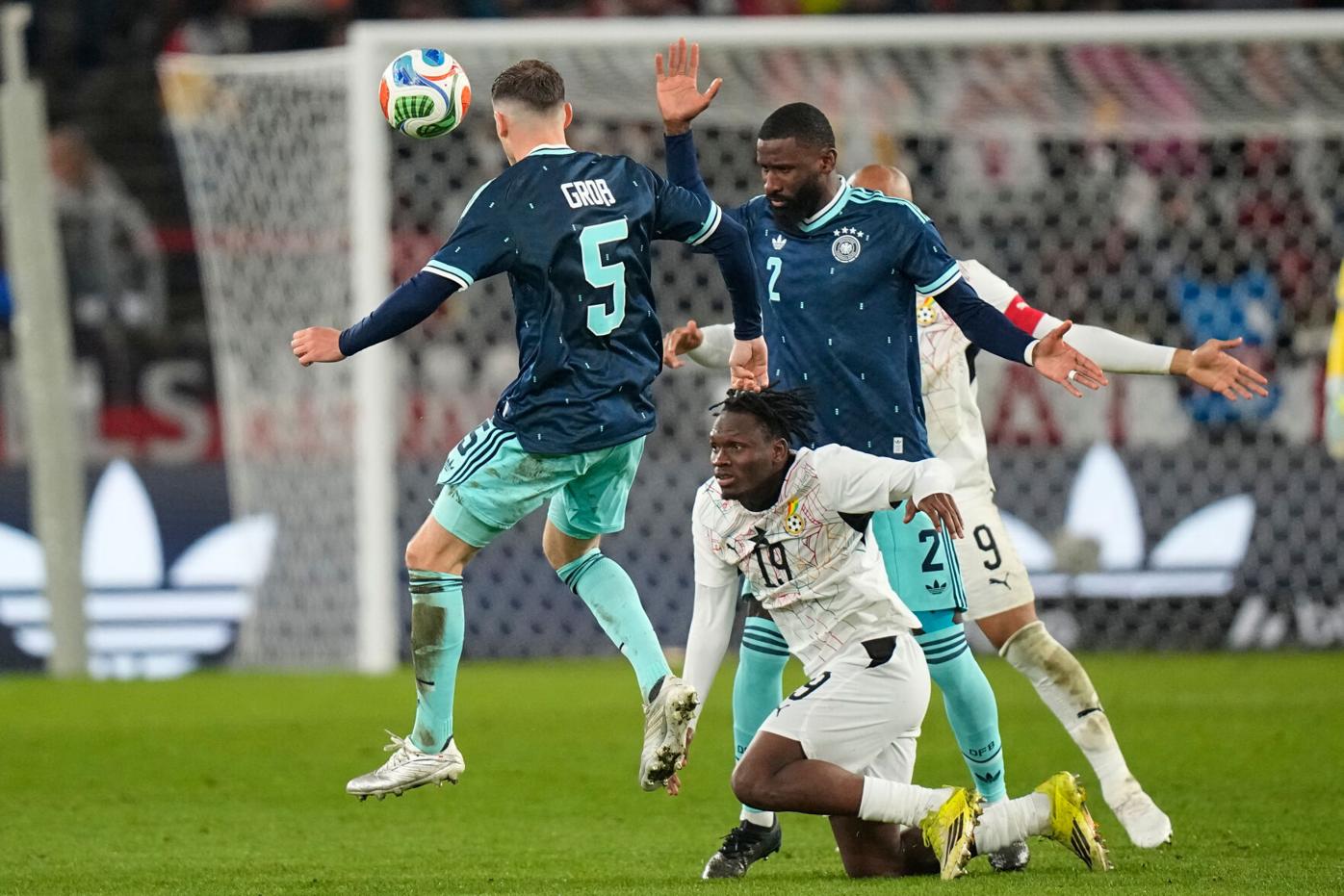
For Germany, the result extends a positive run but underscores areas needing refinement, while Ghana showed resilience and attacking threat despite the defeat. Both sides will take valuable lessons from this encounter as they continue preparations for the 2026 FIFA World Cup.
Source : Ballocentre.com
Images : Getty
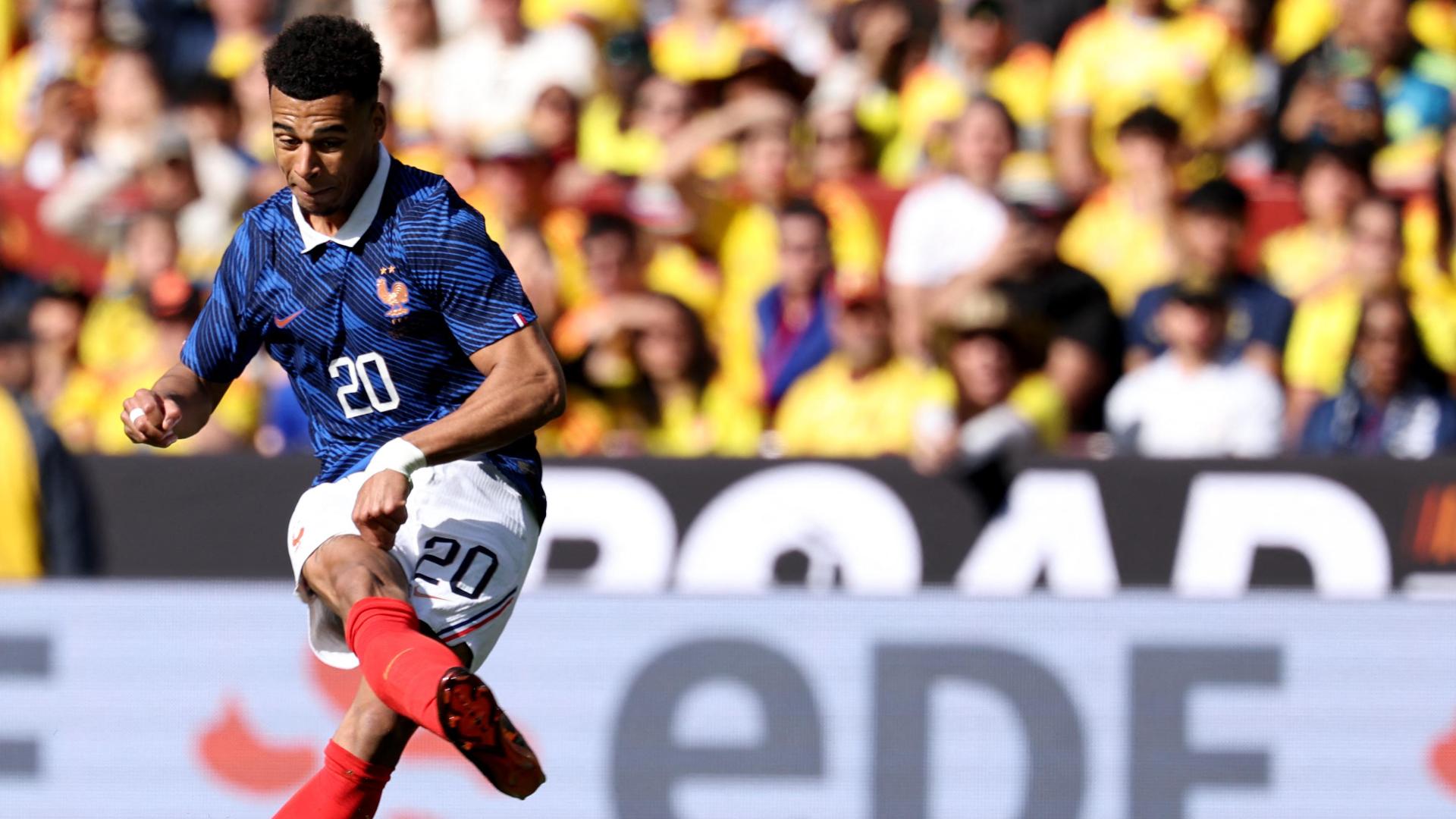
France national football team delivered an impressive statement performance with a 3–1 victory over Colombia national football team in their international friendly clash on March 29, 2026, continuing their strong preparations for the upcoming World Cup.
France took control of proceedings in the first half, displaying fluid attacking football and depth across the pitch. Rising star Désiré Doué opened the scoring before Marcus Thuram doubled the lead, giving the European side a deserved advantage heading into halftime. The French setup, rotated heavily by coach Didier Deschamps, showed cohesion and creativity despite changes to the starting lineup.
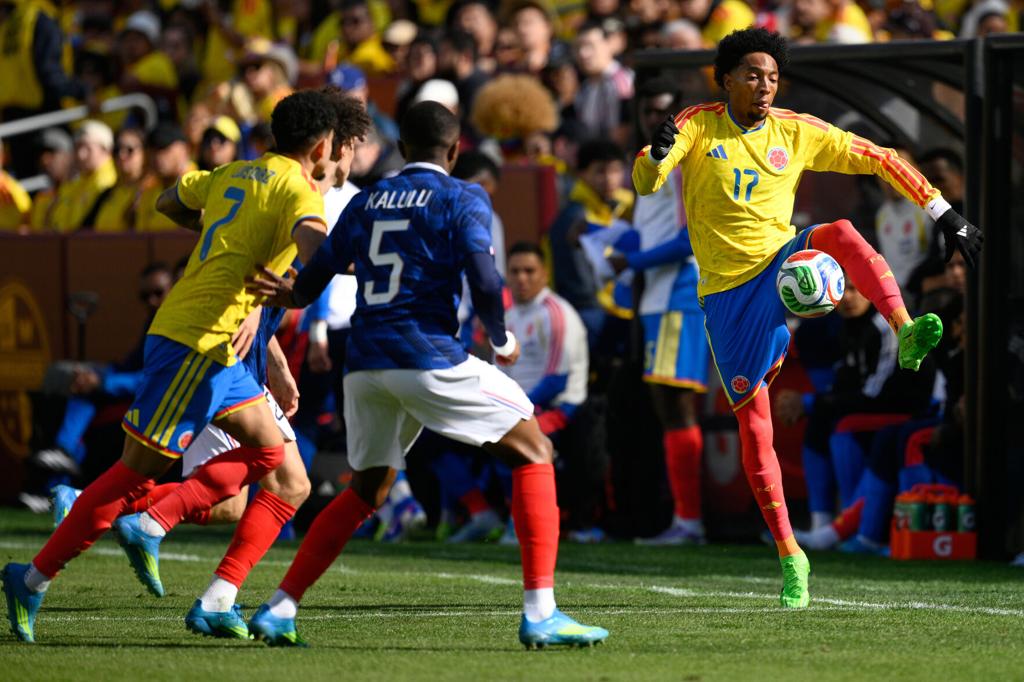
Colombia responded after the break with renewed intent, and their efforts were rewarded when Jaminton Campaz pulled one back, briefly raising hopes of a comeback. However, France maintained composure and control, limiting Colombia’s attacking opportunities while continuing to threaten going forward.
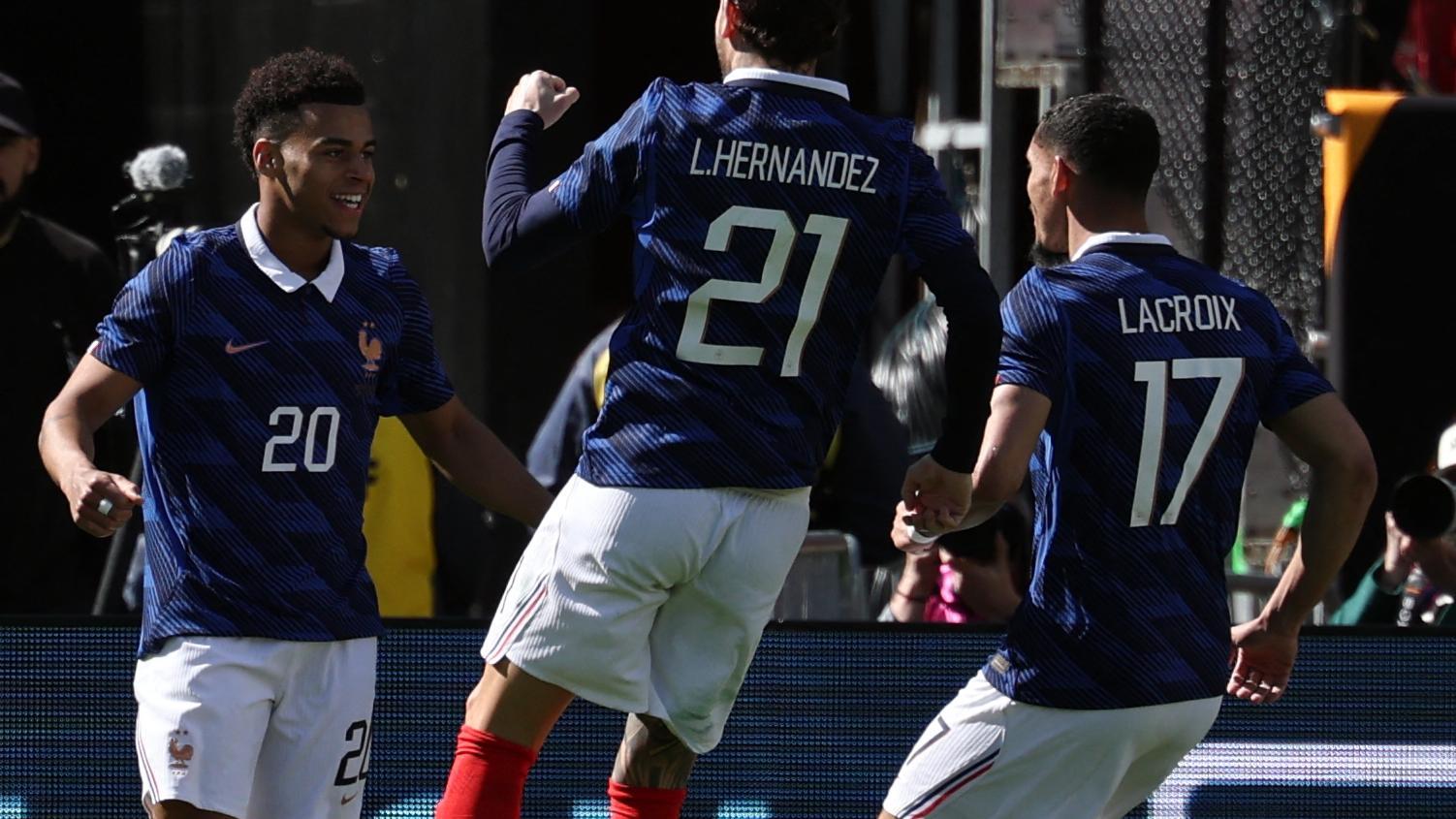
Doué capped off a standout performance by completing his brace in the second half, restoring France’s two-goal cushion and effectively sealing the result. The match also saw cameo appearances from stars like Kylian Mbappé, underlining the squad depth available to Deschamps as he fine-tunes his selections ahead of the tournament.
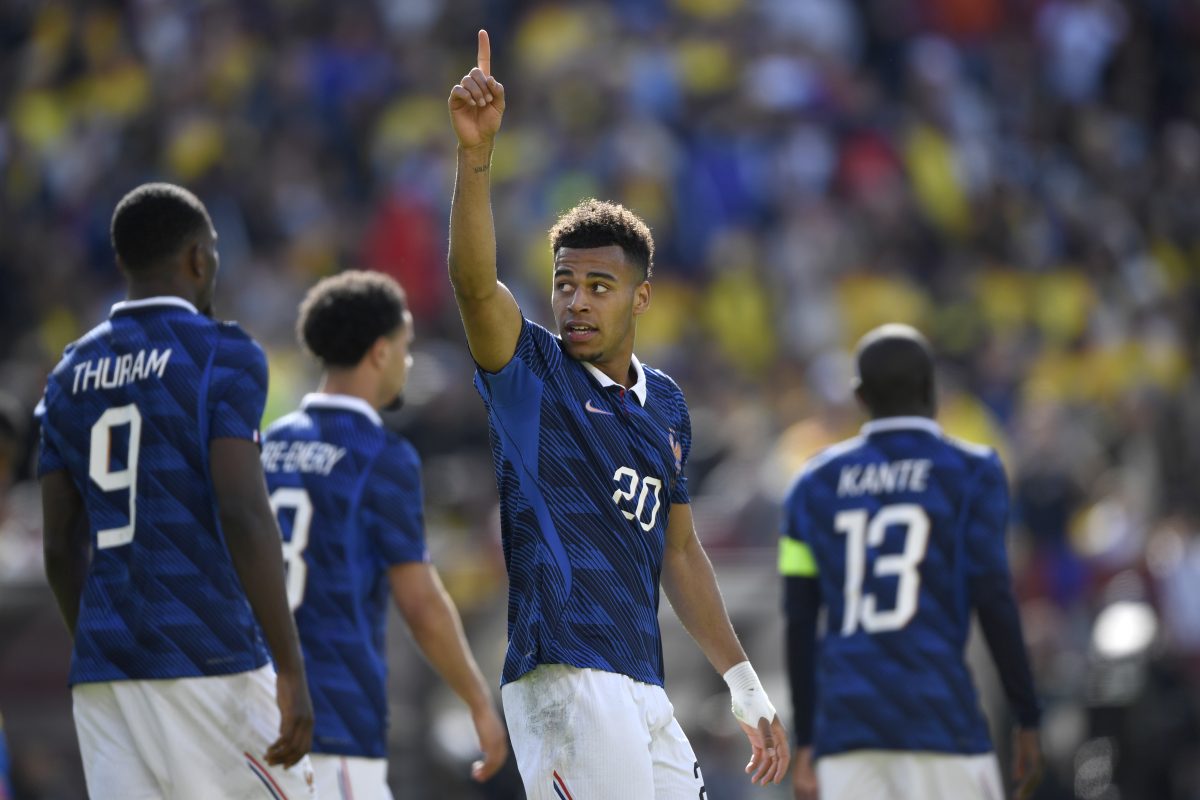
The victory extends France’s winning momentum and highlights their attacking strength and tactical flexibility, while Colombia will take positives from their second-half response despite the defeat. With the World Cup fast approaching, France appear to be building formidable form at just the right time.
Source : Ballocentre.com
Images : Getty
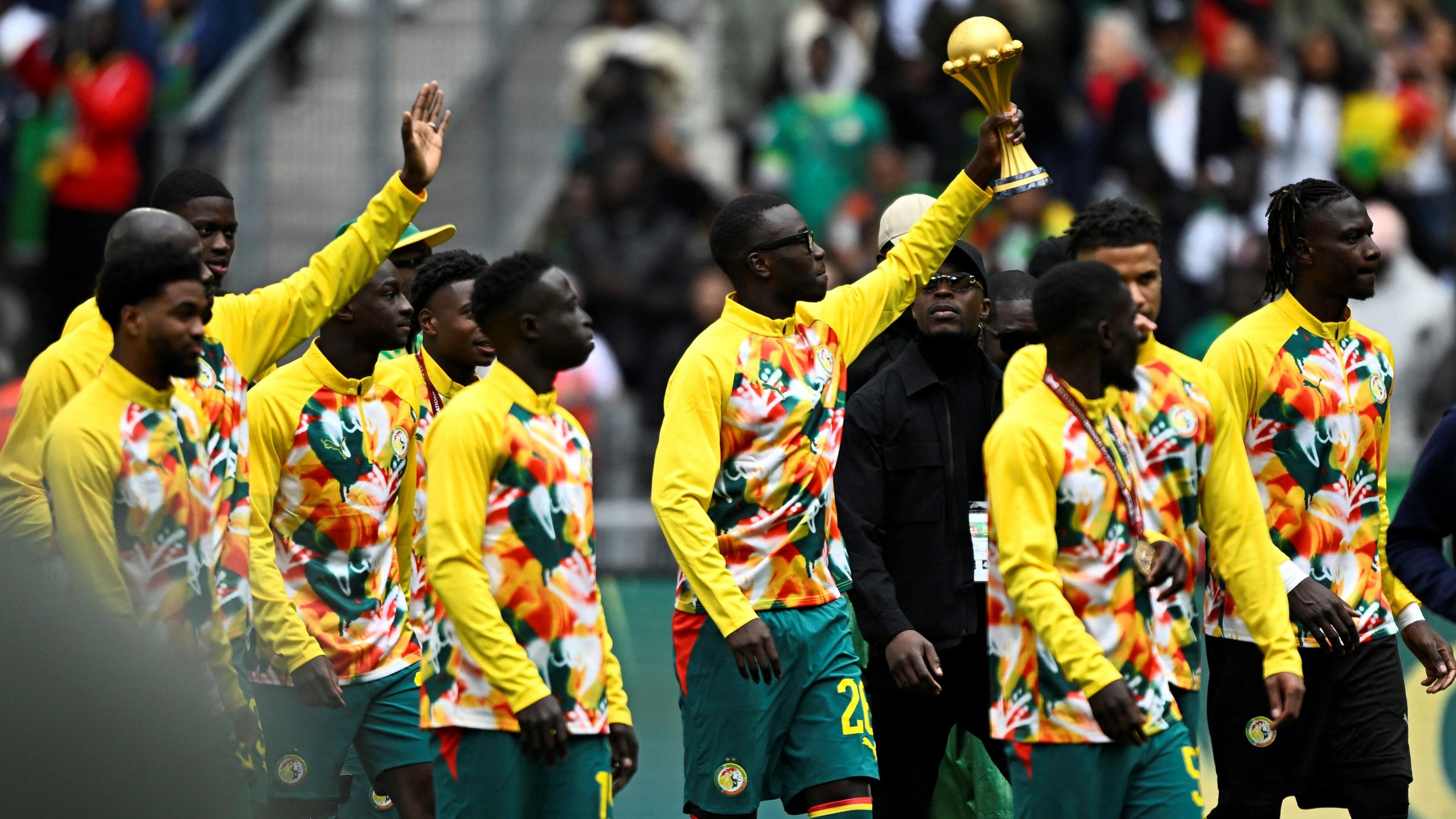
Senegal’s national team staged a bold and emotional moment yesterday at a sold-out Stade de France, parading their AFCON trophy in front of tens of thousands of fans — despite the Confederation of African Football (CAF) controversially awarding the 2025 title to Morocco after a disputed appeals process.
Kalidou Koulibaly led his teammates with the trophy held high, the roar of more than 80,000 fans cascading down from the stands. Flags waved, chants echoed, and the atmosphere was charged with emotion.
This was a reminder that football’s essence lies in the pitch and in the people who fill it with passion. The parade became a cultural statement, a rallying cry for fairness, and a reaffirmation of Senegal’s place among Africa’s footballing elite.
The sight of the trophy gleaming under the floodlights was a powerful image of resilience. Senegal may have been denied recognition on paper, but in Paris they stood tall as champions of conviction, their defiance resonating across the continent.
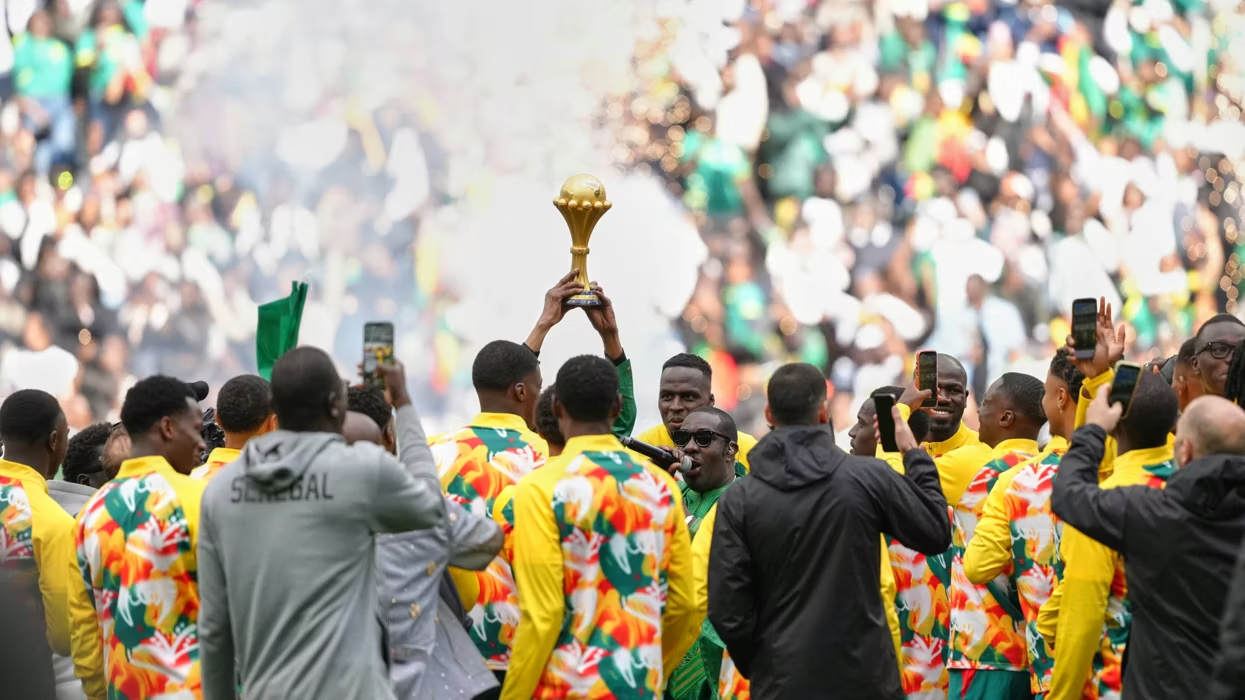
The Match
If the parade was a protest, the match that followed was a performance. Senegal carried the energy of their defiance into a commanding 2–0 victory over Peru, turning the Stade de France into a showcase of their strength and unity. Nicolas Jackson struck just before halftime with a composed finish that sent the crowd into raptures, while Ismaïla Sarr added a second early in the second half, his pace and precision too much for Peru’s defense.
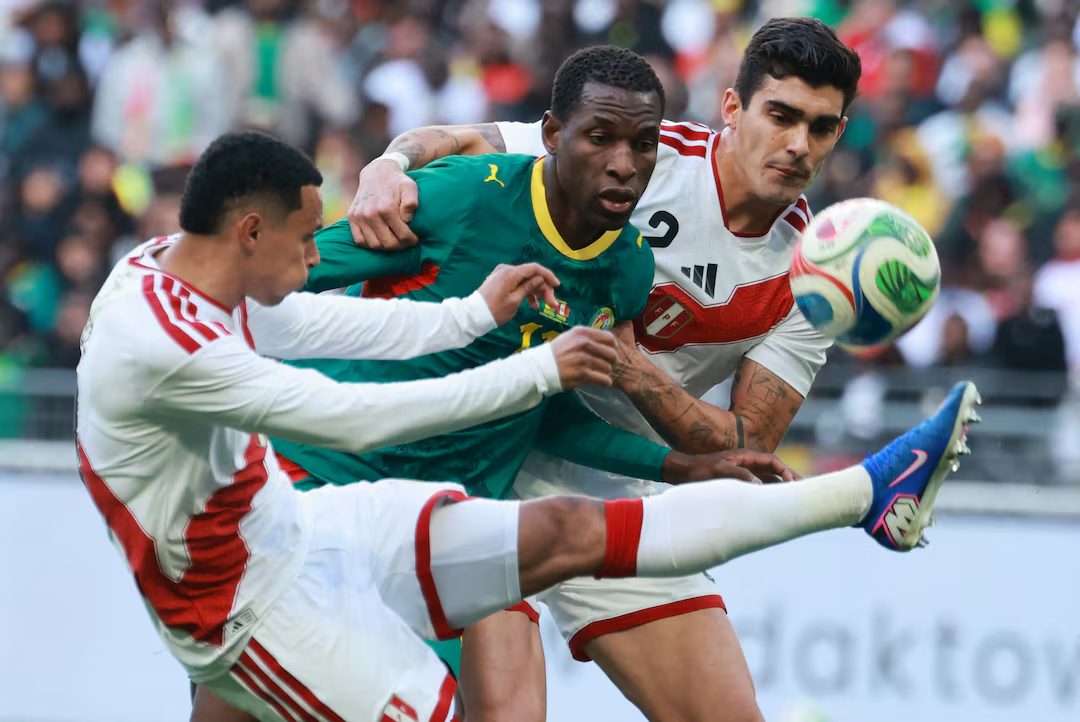
The game unfolded with Senegal dictating tempo and territory. Idrissa Gueye and Lamine Camara anchored the midfield, ensuring control, while Mory Diaw’s assured presence in goal preserved the clean sheet. Peru fought with spirit but found themselves contained, their few chances smothered by Senegal’s defensive discipline.
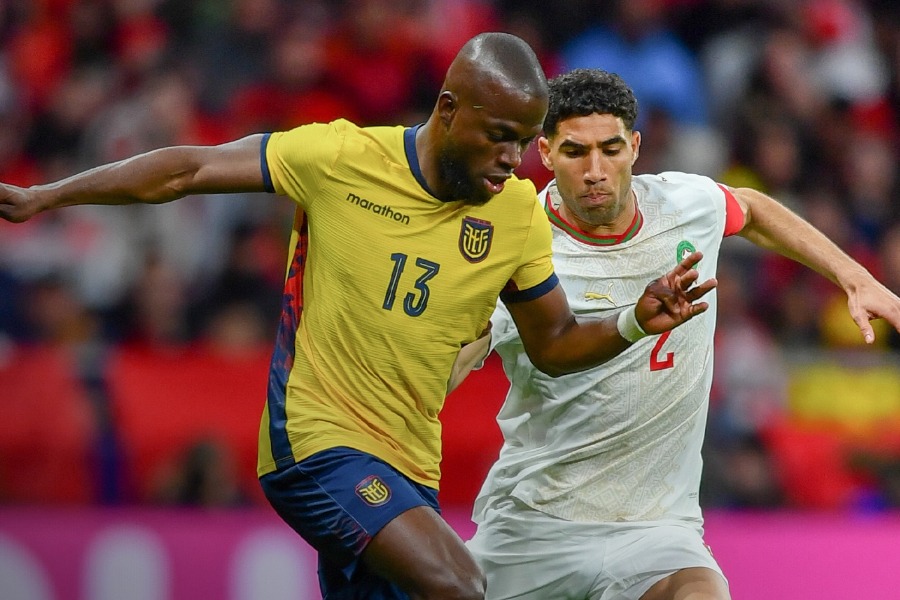
The Metropolitano in Madrid became a stage for two nations with ambitions stretching far beyond a friendly. Morocco, still carrying the weight of AFCON controversy, sought to reaffirm their identity on the pitch.
Ecuador, disciplined and efficient, struck first through John Yeboah, their counterattacking precision silencing Moroccan dominance.
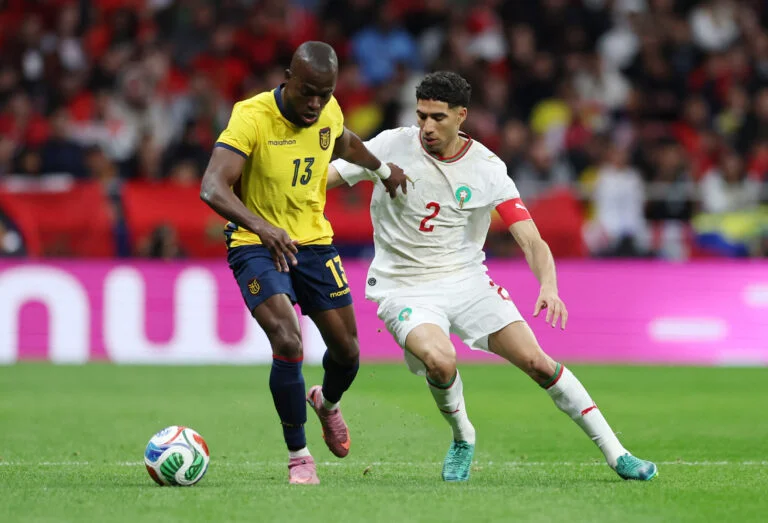
Yet football thrives on drama, and in the dying minutes Neil El Aynaoui’s soaring header restored parity, igniting Moroccan pride and leaving the contest balanced but brimming with meaning.
Source : Ballocentre.com
Images : Getty
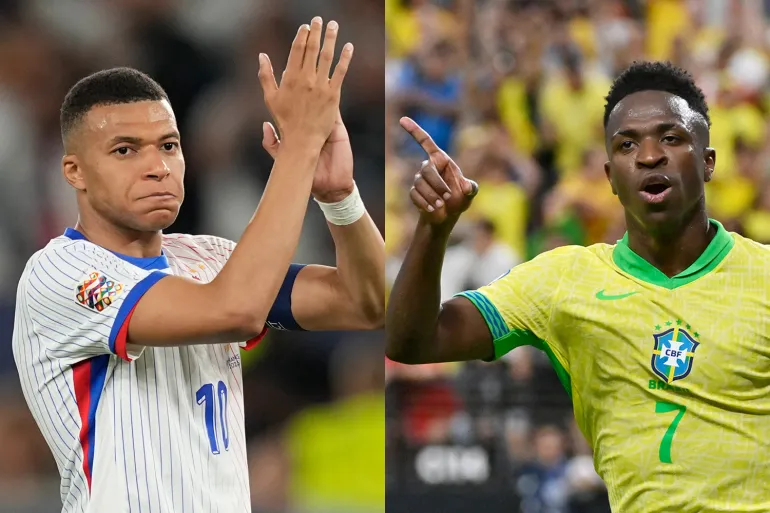
Brazil and France are facing off today, March 26, 2026, at Gillette Stadium in Foxborough, Massachusetts, in a high-profile international friendly as part of the “Road to 26” series preparing for the FIFA World Cup.
This friendly is not just a warm-up—it’s a preview of two World Cup contenders playing in one of the actual tournament venues. Fans at Gillette Stadium and worldwide will get a taste of the intensity and quality expected in June.
Five-time champion Rivaldo looks ahead to the national team's performance in the World Cup
Les bleus in Boston
The game is live on Ballocentre.com
watch it here
Source : Ballocentre.com
Images : Getty, FIFA, FFF, Confederação Brasileira de Futebol, LALIGA Facebook

Le Paris Saint‑Germain a remporté la Coupe Intercontinentale de la FIFA à Doha hier soir, en s’imposant 2–1 aux tirs au but face à Flamengo après un match nul 1–1, avec le gardien Matvei Safonov en héros inattendu.
Les dispositifs
Cette finale au stade Ahmad bin Ali opposait deux cultures footballistiques : la précision européenne du PSG contre la flamme sud‑américaine de Flamengo. Luis Enrique a aligné son équipe en 4‑3‑3, avec Khvicha Kvaratskhelia et Bradley Barcola aux côtés de Gonçalo Ramos.
Les absences défensives (Hakimi et Marquinhos forfaits) ont obligé à des ajustements, tandis qu’Ousmane Dembélé débutait sur le banc. Flamengo, dirigé par Filipe Luís, a opté pour un 4‑2‑3‑1, misant sur la créativité de Giorgian de Arrascaeta et le contrôle de Jorginho au milieu.
Première mi‑temps
Le PSG a dominé la possession (62 %) et pressé haut, forçant Flamengo à dégager dans la précipitation. L’ouverture du score est arrivée à la 38e minute, sur une relance longue de Safonov. Doué a centré depuis la gauche, Rossi a mal repoussé, et Kvaratskhelia a conclu de près.

Tactiquement, les latéraux parisiens ont joué haut, obligeant les ailiers adverses à reculer. Flamengo a néanmoins limité les occasions franches grâce à un bloc compact, Rossi multipliant les arrêts (7 au total).

Deuxième mi‑temps
Flamengo a ajusté son plan en ciblant le côté droit du PSG, affaibli par l’absence de Hakimi. À la 62e minute, Marquinhos a accroché de Arrascaeta dans la surface, et Jorginho a transformé le penalty avec sang‑froid.
Les Brésiliens ont ensuite pris confiance, remportant davantage de duels et exploitant les espaces. Le milieu parisien a peiné à contrôler les transitions, et Enrique a fait entrer Dembélé pour étirer le jeu.

La séance de tirs au but
La prolongation n’a pas départagé les deux équipes. Aux tirs au but, Matvei Safonov a été le héros : il a stoppé quatre tentatives consécutives, offrant au PSG une victoire 2–1. Son anticipation et sa puissance ont neutralisé les tireurs de Flamengo.
🏆 Portée de la victoire
Ce succès offre au PSG son sixième trophée de l’année 2025, après la Ligue 1, la Coupe de France, le Trophée des Champions, la Ligue des champions et la Supercoupe de l’UEFA.

Flamengo, valeureux, a rappelé ses heures de gloire de 1981, mais a cédé face aux champions d’Europe.
Source : Ballocentre.com
Images : Getty, FIFA, Fenomeno Facebook

Le tirage au sort de la Coupe du monde 2026, organisé au Kennedy Center à Washington, a dévoilé les parcours des 48 nations dans ce qui sera le tournoi le plus grand et le plus complexe de l’histoire du football.

La cérémonie, marquée par des sous-entendus politiques et une attente mondiale, a posé les bases d’un mois de drame à travers les États-Unis, le Mexique et le Canada.
Un format historique
Pour la première fois, la Coupe du monde comptera 48 équipes, réparties en 12 groupes de quatre. Cette expansion ouvre la porte à des débutants comme le Cap-Vert, la Jordanie et Curaçao, tandis que les géants traditionnels comme l’Argentine, le Brésil et la France restent favoris parmi les têtes de série.

Le Mexique ouvre le tournoi
Le match d’ouverture se jouera au légendaire Estadio Azteca à Mexico, où le Mexique affrontera l’Afrique du Sud, un remake nostalgique du match d’ouverture de la Coupe du monde 2010. Le groupe A inclut également la Corée du Sud et un vainqueur des barrages européens, ce qui en fait l’une des poules les plus compétitives.
Un parcours abordable pour les États-Unis
Les États-Unis, qui accueilleront des matchs à Los Angeles et Seattle, ont été placés dans le groupe D avec l’Australie, le Paraguay et un vainqueur des barrages européens (Turquie, Roumanie, Slovaquie ou Kosovo). L’entraîneur Mauricio Pochettino a insisté sur le fait que son équipe devait « traiter chaque match comme une finale », soulignant l’ambition d’aller au-delà de la phase de groupes.

Le défi du Canada
Le Canada, placé dans le groupe B, affrontera la Suisse, le Qatar et un vainqueur des barrages de l’UEFA (Italie, Pays de Galles, Irlande du Nord ou Bosnie). Sans victoire en Coupe du monde dans son histoire, ce tirage offre une véritable chance de briser la série, bien que la présence de la Suisse et potentiellement de l’Italie rende la progression difficile.

Groupes de la mort et équipes africaines
Les nations africaines font face à des défis redoutables mais aussi à des opportunités historiques lors de la Coupe du monde 2026.
Neuf équipes sont déjà qualifiées — Maroc, Sénégal, Côte d’Ivoire, Algérie, Ghana, Tunisie, Égypte, Afrique du Sud et Cap-Vert — avec la RD Congo possiblement en dixième.
Maroc
Après leur parcours en demi-finale en 2022, le Maroc sera de nouveau testé dès le début. Affronter le Brésil est une affiche glamour, mais les Lions de l’Atlas ont prouvé qu’ils pouvaient rivaliser avec les meilleurs. Placés contre le Brésil dans le groupe C, aux côtés de l’Écosse et d’Haïti, leurs chances reposent sur le maintien de leur solidité défensive et l’exploitation des transitions.
Sénégal
Le groupe I oppose le Sénégal à la France, la Norvège et un vainqueur des barrages. Le premier affrontement est nostalgique : le Sénégal avait battu la France en 2002.
Avec Sadio Mané et un milieu solide, ils restent l’équipe africaine la plus équilibrée, mais la progression nécessitera de la constance face à la Norvège et au barragiste.
Algérie
L’Algérie affronte l’Argentine dans le groupe J, aux côtés de l’Autriche et du Japon.
Les espoirs de l’Algérie reposent sur la créativité de Riyad Mahrez et la résilience défensive.
Côte d’Ivoire
Le groupe G inclut l’Allemagne, le Mexique et l’Ouzbékistan.
La puissance physique des Éléphants et leur profondeur offensive leur donnent une chance, mais l’Allemagne et le Mexique sont redoutables.
Tunisie
Groupe F : Portugal, Colombie et Nouvelle-Zélande.
La Tunisie pourrait frustrer ses adversaires par sa discipline défensive, mais la puissance offensive du Portugal et l’intensité de la Colombie rendent ce parcours difficile.
Égypte
Dans le groupe K, l’Égypte affrontera les Pays-Bas, la République tchèque et le Honduras.
Mohamed Salah reste leur talisman, mais l’Égypte doit prouver qu’elle peut gérer des adversaires de qualité.
Afrique du Sud
Affronter le Mexique lors du match d’ouverture est intimidant, mais l’Afrique du Sud pourrait surprendre par sa vitesse et son imprévisibilité.
Un duel contre la Corée du Sud pourrait décider du destin des Bafana.
Cap-Vert
Le groupe H présente l’Espagne, l’Uruguay, l’Arabie saoudite et le Cap-Vert.
Une première sur la scène mondiale, mais face à des géants.
Ghana
Le Ghana affrontera l’Angleterre, la Croatie et le Panama.
La jeune équipe des Black Stars a du talent, mais la progression nécessitera un exploit contre l’Angleterre ou la Croatie.
Perspectives générales
Avec le nouveau format permettant à deux équipes par groupe plus les huit meilleurs troisièmes d’atteindre les huitièmes de finale, l’Afrique pourrait réalistement envoyer quatre ou cinq nations en phase à élimination directe, une réalisation historique si elle se concrétise.


Source :Ballocentre.com
Images : GETTY, Reuters


Face au Nigeria, l'un des géants du continent, la RDC a affiché une maîtrise tactique remarquable, neutralisant méthodiquement le système offensif nigérian pour s'imposer aux tirs au but (1-1, 4-3 TAB).
Un match sous tension maîtrisé dans les détails
Sur la pelouse marocaine, le Nigeria a frappé très tôt : à la 3ᵉ minute, Frank Onyeka exploite un mauvais dégagement et ouvre le score. Mais les Congolais ne vacillent pas. À la 34ᵉ minute, Meschak Elia égalise d'une frappe croisée après une action préparée côté droit.
Le match reste intense mais verrouillé : la RDC refuse le chaos, le Nigeria ne trouve pas les espaces. Après 120 minutes disputées, la séance de tirs au but décide du sort de la rencontre.
Le sélectionneur Sébastien Desabre tente alors un pari rare : remplacer Lionel Mpasi par Timothy Fayulu pour la séance. Un coup de génie. Fayulu détourne un tir crucial, tandis que les Congolais réalisent un 4/5 parfait.
La tactique gagnante : comment la RDC a bloqué le système du Nigeria
L'élément central de cette victoire n'est pas un exploit individuel, mais un plan de jeu rigoureusement exécuté, conçu pour étouffer les circuits préférentiels du Nigeria.
1. Un bloc médian compact, taillé pour couper les transitions
Le Nigeria excelle en transition rapide, particulièrement grâce à ses attaquants explosifs.
La RDC a donc adopté un bloc médian très compact, refusant systématiquement la profondeur. Ce dispositif a forcé les Super Eagles à jouer en largeur, loin de leurs zones favorites.
Stat clé :
La RDC n'a concédé que 3 tirs dans l'axe sur l'ensemble du temps réglementaire, un chiffre bien en deçà de la moyenne du Nigeria dans ses derniers matchs éliminatoires.
2. Une défense centrale impériale
Chancel Mbemba et son compère de l'axe ont multiplié les anticipations, arrêtant les courses de Victor Osimhen avant qu'il ne puisse se retourner.

Les Congolais ont gagné près de 70 % des duels défensifs dans leur propre moitié de terrain — un indicateur déterminant face à un Nigeria basé sur la puissance offensive.
3. Possession intelligente, montée progressive

La RDC n'a pas cherché à rivaliser dans la verticalité ou le dribble. Au contraire, elle a :
ralenti les phases pour réduire le tempo du Nigeria,
multiplié les passes latérales pour étirer le bloc adverse,
lancé ses attaques dans les couloirs pour éviter le cœur athlétique des Nigérians.
Stat clé :
38 % de possession seulement pour la RDC, mais 82 % de passes réussies dans le camp adverse, un ratio très efficace.
4. Le pari Fayulu : un coup psychologique parfaitement maîtrisé
L'entrée du gardien pour la séance de tirs au but n'est pas seulement technique, mais mentale :
Fayulu, spécialiste des situations arrêtées, apporte un calme glacial. Il arrête un tir, influence un autre, et assure la qualification.
Stat clé :
Fayulu arrête 1 tir sur 4 et oblige un tireur adverse à manquer le cadre grâce à une lecture agressive.
Un exploit aux résonances historiques
La RDC n'avait plus été aussi proche d'une Coupe du Monde depuis 1974. Cette qualification pour les Playoffs mondiaux n'est pas seulement une performance sportive : elle symbolise la montée en maturité d'une génération capable d'allier talent, discipline et intelligence tactique.
En battant le Nigeria au Maroc, les Léopards ont envoyé un message clair :
Ils sont devenus une équipe capable de déjouer les plus grands systèmes tactiques du continent.
Pas en misant seulement sur la force individuelle, mais sur une structure collective solide, réfléchie, parfaitement exécutée.
Les Playoffs intercontinentaux s'annoncent difficiles. Mais une chose est sûre : cette RDC-là n'a peur de personne.

Source : Ballocentre.com
Images : Getty, FIFA
Face au Nigeria, l'un des géants du continent, la RDC a affiché une maîtrise tactique remarquable, neutralisant méthodiquement le système offensif nigérian pour s'imposer aux tirs au but (1-1, 4-3 TAB).
Un match sous tension maîtrisé dans les détails
Sur la pelouse marocaine, le Nigeria a frappé très tôt : à la 3ᵉ minute, Frank Onyeka exploite un mauvais dégagement et ouvre le score. Mais les Congolais ne vacillent pas. À la 34ᵉ minute, Meschak Elia égalise d'une frappe croisée après une action préparée côté droit.
Le match reste intense mais verrouillé : la RDC refuse le chaos, le Nigeria ne trouve pas les espaces. Après 120 minutes disputées, la séance de tirs au but décide du sort de la rencontre.
Le sélectionneur Sébastien Desabre tente alors un pari rare : remplacer Lionel Mpasi par Timothy Fayulu pour la séance. Un coup de génie. Fayulu détourne un tir crucial, tandis que les Congolais réalisent un 4/5 parfait.
La tactique gagnante : comment la RDC a bloqué le système du Nigeria
L'élément central de cette victoire n'est pas un exploit individuel, mais un plan de jeu rigoureusement exécuté, conçu pour étouffer les circuits préférentiels du Nigeria.
1. Un bloc médian compact, taillé pour couper les transitions
Le Nigeria excelle en transition rapide, particulièrement grâce à ses attaquants explosifs.
La RDC a donc adopté un bloc médian très compact, refusant systématiquement la profondeur. Ce dispositif a forcé les Super Eagles à jouer en largeur, loin de leurs zones favorites.
Stat clé :
La RDC n'a concédé que 3 tirs dans l'axe sur l'ensemble du temps réglementaire, un chiffre bien en deçà de la moyenne du Nigeria dans ses derniers matchs éliminatoires.
2. Une défense centrale impériale
Chancel Mbemba et son compère de l'axe ont multiplié les anticipations, arrêtant les courses de Victor Osimhen avant qu'il ne puisse se retourner.
Les Congolais ont gagné près de 70 % des duels défensifs dans leur propre moitié de terrain — un indicateur déterminant face à un Nigeria basé sur la puissance offensive.
3. Possession intelligente, montée progressive
La RDC n'a pas cherché à rivaliser dans la verticalité ou le dribble. Au contraire, elle a :
ralenti les phases pour réduire le tempo du Nigeria,
multiplié les passes latérales pour étirer le bloc adverse,
lancé ses attaques dans les couloirs pour éviter le cœur athlétique des Nigérians.
Stat clé :
38 % de possession seulement pour la RDC, mais 82 % de passes réussies dans le camp adverse, un ratio très efficace.
4. Le pari Fayulu : un coup psychologique parfaitement maîtrisé
L'entrée du gardien pour la séance de tirs au but n'est pas seulement technique, mais mentale :
Fayulu, spécialiste des situations arrêtées, apporte un calme glacial. Il arrête un tir, influence un autre, et assure la qualification.
Stat clé :
Fayulu arrête 1 tir sur 4 et oblige un tireur adverse à manquer le cadre grâce à une lecture agressive.
Un exploit aux résonances historiques
La RDC n'avait plus été aussi proche d'une Coupe du Monde depuis 1974. Cette qualification pour les Playoffs mondiaux n'est pas seulement une performance sportive : elle symbolise la montée en maturité d'une génération capable d'allier talent, discipline et intelligence tactique.
En battant le Nigeria au Maroc, les Léopards ont envoyé un message clair :
Ils sont devenus une équipe capable de déjouer les plus grands systèmes tactiques du continent.
Pas en misant seulement sur la force individuelle, mais sur une structure collective solide, réfléchie, parfaitement exécutée.
Les Playoffs intercontinentaux s'annoncent difficiles. Mais une chose est sûre : cette RDC-là n'a peur de personne.
Source : Ballocentre.com
Images : Getty, CAF
Le 13 novembre 2025, au Stade Prince Moulay El Hassan de Rabat, le Nigeria a dominé le Gabon 4–1 après prolongation, validant son billet pour la finale des barrages africains de la FIFA. Dans un match tendu et spectaculaire, les Super Eagles ont su faire la différence grâce à leur profondeur offensive et leur sang-froid dans les moments clés.
⚽ Résumé du match
Akor Adams profite d’une erreur défensive gabonaise pour ouvrir le score d’un tir croisé à la 78e minute.
A la 89e minute Mario Lemina égalise pour le Gabon d’une frappe enroulée depuis l’extérieur de la surface, envoyant les deux équipes en prolongation.
Chidera Ejuke redonne l’avantage au Nigeria après une belle combinaison avec Wilfred Ndidi à la 97e minute.
02e et 110e minute – Victor Osimhen inscrit un doublé, portant son total à 31 buts en sélection et scellant la victoire

Les Super Eagles affronteront le vainqueur du duel Cameroun – RD Congo en finale des barrages africains le 16 novembre. Le gagnant disputera les barrages intercontinentaux au Mexique, ultime étape vers la Coupe du Monde 2026.
Le 13 novembre 2025, au Stade Moulay El Hassan de Rabat, la République Démocratique du Congo a créé la surprise en éliminant le Cameroun 1–0 en demi-finale des barrages africains pour la Coupe du Monde FIFA 2026. Le héros du jour : Chancel Mbemba, capitaine et défenseur central, auteur d’un but décisif dans les dernières minutes.

⚽ Le moment clé
88e minute – Chancel Mbemba : Sur un corner bien frappé par Samuel Moutoussamy, Mbemba surgit au second poteau et place une tête imparable, trompant André Onana. Ce but scelle la qualification des Léopards et plonge les Lions Indomptables dans le doute.
Le Cameroun a dominé la possession (58%) mais s’est montré inefficace dans les zones décisives.
La RDC affrontera le Nigeria en finale des barrages africains le 16 novembre 2025. Le vainqueur disputera les barrages intercontinentaux au Mexique, dernière étape vers la Coupe du Monde 2026.
Source : Ballocentre.com
Image : Getty


C’était écrit dans les étoiles : le 19 octobre 2025, les Lionceaux de l’Atlas ont fait vibrer tout le Maroc en remportant la Coupe du Monde U20 au Chili. Dans un Estadio Nacional de Santiago bouillonnant, les jeunes Marocains ont surclassé l’Argentine 2-0 en finale, offrant au pays son tout premier titre mondial dans cette catégorie.
🔥 Un parcours de guerriers
Dès la phase de groupes, les Lionceaux ont montré les crocs. Victoire 2-0 contre l’Espagne, succès 2-1 face au Brésil, et malgré une défaite 1-0 contre le Mexique, ils finissent premiers grâce à une différence de buts solide. Chaque match révélait leur combativité et leur cohésion, annonçant un tournoi historique.
En huitièmes de finale, la Corée du Sud tombe 2-1, puis les États-Unis 3-1 en quart. La demi-finale face à la France restera gravée dans toutes les mémoires : un match intense, tendu, où le Maroc a su garder son sang-froid jusqu’aux tirs au but pour décrocher une place en finale.
La finale : un exploit maîtrisé
Sous les projecteurs du stade, devant plus de 43 000 spectateurs en transe, Yassir Zabiri ouvre le score dès la 12e minute sur un coup franc parfait. Vingt minutes plus tard, il double la mise sur une passe chirurgicale d’Othmane Maamma. Argentine, six fois championne du monde, domine la possession, mais se heurte à un mur : une défense marocaine impeccable et un Ibrahim Gomis héroïque dans les buts.

Mohamed Ouahbi, l’architecte de la victoire

Derrière cette performance, un nom : Mohamed Ouahbi. L’entraîneur marocain a transformé une génération prometteuse en une machine à gagner. Sa lecture des matchs, sa capacité à motiver et à faire confiance à ses joueurs ont été déterminantes. Résultat : le Maroc devient la première nation arabe à remporter la Coupe du Monde U20, et la deuxième africaine après le Ghana en 2009.
Une victoire qui fait vibrer le Maroc
Ce triomphe dépasse le cadre du sport. Il symbolise l’émergence d’un football marocain ambitieux et d’une jeunesse prête à conquérir le monde. Les Lionceaux de l’Atlas inspirent désormais des millions de jeunes, au Maroc et au-delà.

Le Maroc, sacré champion du monde U20, envoie un message clair : le football africain est prêt à rugir sur la scène mondiale. Les Lionceaux de l’Atlas ont inscrit leur nom dans l’histoire, avec courage, talent et fierté.
Source : Ballocentre.com
Image : Getty, mickyjnrofficial Instagram


Du 13 au 16 novembre 2025, le Maroc accueillera un mini-tournoi décisif pour désigner le dernier représentant africain à la Coupe du monde 2026. Nigeria, Cameroun, Gabon et RDC se disputeront une place pour le barrage intercontinental. Analyse des forces en présence et des chances de chaque sélection.
🔥 Un ultime défi pour quatre géants africains
Neuf équipes africaines ont déjà validé leur billet pour le Mondial 2026, mais quatre nations historiques jouent encore leur destin. Le Nigeria, le Cameroun, le Gabon et la République démocratique du Congo — meilleurs deuxièmes de leurs groupes de qualification — s’affronteront au Maroc lors d’un mini-tournoi éliminatoire à couper le souffle.
Les 4 meilleurs deuxièmes accèdent aux barrages CAF, dont le vainqueur participera ensuite aux barrages intercontinentaux pour tenter d’obtenir une dixième place pour le continent.
Au programme : deux demi-finales le 13 novembre (Nigeria vs Gabon et Cameroun vs RDC), puis une finale le 16 novembre. Le vainqueur accédera au barrage intercontinental de mars 2026, dernière étape avant le rêve mondial.
Nigeria : les Super Eagles en quête de rédemption
Avec leur riche palmarès et une génération dorée (Osimhen, Lookman, Chukwueze…), les Super Eagles arrivent favoris. Meilleurs au classement FIFA, ils possèdent la puissance offensive et l’expérience pour s’imposer.

Mais tout n’est pas si simple : le Nigeria a connu des faux pas lors des éliminatoires, avec des nuls inattendus et une pression populaire toujours plus forte. Reste qu’en termes de potentiel et de profondeur, ils paraissent les mieux armés.
Chances estimées : 45 %
Gabon : l’ambitieux outsider
Le Gabon a manqué la qualification directe de peu, porté par un collectif soudé et un Aubameyang retrouvé. Les Panthères ont montré de la maturité et une vraie capacité à se sublimer dans les grands rendez-vous.
Leur principal défi sera la constance et la gestion de la pression face au Nigeria, favori du duel. Si la défense tient et qu’un exploit offensif se produit, la surprise est possible.

Chances estimées : 20 à 30 %
Cameroun : le mental des grands rendez-vous
Difficile d’écarter les Lions Indomptables d’un tel combat. Le Cameroun, habitué des joutes de haut niveau, peut s’appuyer sur son expérience et son mental de compétiteur. Les cadres (Onana, Aboubakar, Mbeumo) restent redoutables dans les matchs à enjeu.
Cependant, les turbulences internes — instabilité technique, tensions autour de la sélection — pourraient peser sur leur sérénité. Si la cohésion est au rendez-vous, ils restent l’un des favoris naturels.

Chances estimées : 25 à 35 %
RDC : l’audace des Léopards
La RDC s’avance sans complexe. Avec une attaque explosive et un esprit collectif combatif, les Léopards ont séduit durant les éliminatoires. Leur jeu direct et leur enthousiasme peuvent surprendre des adversaires plus réputés.
Mais la marche reste haute face au Cameroun, et la gestion émotionnelle des grands rendez-vous constitue encore une inconnue. Un outsider dangereux, capable de créer la sensation.

Chances estimées : 15 à 25 %
⚽ Trois matchs pour un rêve mondial
Entre la rigueur du Nigeria, l’expérience camerounaise, la fraîcheur gabonaise et la fougue congolaise, le suspense s’annonce total. Un seul de ces quatre prétendants obtiendra le droit de rêver encore au Mondial 2026.
Les regards se tourneront vers le Maroc, théâtre d’un affrontement aux allures de Coupe d’Afrique miniature. Dans ce dernier sprint, la moindre erreur sera fatale, et la moindre étincelle pourrait propulser une nation entière vers l’histoire.
Source : Ballocentre.com
Image : Getty, Reuters, Allezleslions Instagram

Récapitulatif de la dernière journée et bilan complet
Contexte
La zone Afrique disposait de 9 places directes pour la Coupe du Monde 2026, attribuées aux vainqueurs des 9 groupes.
Les 4 meilleurs deuxièmes accèdent aux barrages CAF, dont le vainqueur participera ensuite aux barrages intercontinentaux pour tenter d’obtenir une dixième place pour le continent.
⚽ Faits marquants de la dernière journée
L'Afrique du Sud a validé sa qualification en battant le Rwanda 3-0, terminant en tête de son groupe.

Le Nigeria, malgré un triplé de Victor Osimhen contre le Bénin, échoue de peu à la première place et devra passer par les barrages.
Le Cameroun a manqué la première place dans son groupe et devra également passer par les barrages.
Équipes qualifiées directement pour la Coupe du Monde 2026
Maroc
Tunisie
Égypte
Algérie
Ghana
Cap-Vert
Afrique du Sud
Côte d’Ivoire
Les supporters ivoiriens célèbrent la qualification de leur équipe.
Sénégal

Ces neuf nations représenteront directement l’Afrique lors du Mondial 2026 organisé aux États-Unis, au Canada et au Mexique.
Équipes qualifiées pour les barrages CAF
Les quatre meilleurs deuxièmes de groupe disputeront les barrages africains :
Nigeria
Cameroun
Gabon
RD Congo
Les barrages se joueront en novembre 2025 au Maroc, sous forme de demi-finales puis finale. Le vainqueur de ce mini tournoi représentera l’Afrique au barrage intercontinental, où il affrontera une équipe issue d’une autre confédération (probablement l’Asie, l’Amérique du Sud ou l’Océanie).
Prochaines étapes
Novembre 2025 : Barrages CAF au Maroc
Mars 2026 : Barrage intercontinental
Juin 2026 : Coup d’envoi officiel de la Coupe du Monde
Source : Ballocentre.com
Image : Reuters

As the countdown to the 2026 FIFA World Cup intensifies, Adidas has unveiled Trionda — the tournament’s official match ball and a technological leap forward in football innovation. Named after the Spanish word for “three waves,” Trionda pays tribute to the tri-nation hosting of the event by the United States, Mexico, and Canada.
But beyond its symbolic design lies a revolution in ball engineering that could reshape how the game is played and officiated.
Smart Core: The 500Hz Sensor Chip
At the heart of Trionda is Adidas’ next-generation Connected Ball Technology. A side-mounted 500Hz inertial measurement unit (IMU) chip captures real-time motion data — every touch, pass, and shot — with surgical precision.

This data feeds directly into the VAR system, enhancing decision-making for offside calls, handball reviews, and goal-line incidents.
AI Integration: The chip works in tandem with player tracking and AI systems, enabling faster, more accurate refereeing.
Balance Engineering: The chip is embedded in one panel, counterbalanced by the others to ensure seamless flight and stability
Aerodynamics and Grip
Trionda features a bold four-panel construction — down from six in previous editions — designed to reduce drag and improve sphericity.
Deep seams and strategically placed debossed and embossed icons enhance: Flight Stability even in windy conditions, the ball maintains a predictable trajectory.
Grip Performance: Embossed micro-icons improve handling in wet or humid climates, crucial for matches across diverse North American venues
Climate-Adaptive Testing
For the first time, Adidas has tested the ball across the altitudes and climates of all 16 host cities — from Vancouver’s cool rains to Mexico City’s high elevation. This ensures consistent performance regardless of environment.
Symbolism and Design
The ball’s visual identity is a celebration of unity.
Red, green, and blue represent Mexico, Canada, and the USA. A maple leaf, eagle, and star are subtly embossed into the matte-textured surface.The panels converge into a central triangle, symbolizing the historic collaboration of the three host nations
As Lionel Messi, Jude Bellingham, and Lamine Yamal headline Adidas’ promotional campaign, Trionda stands as a symbol of football’s future — where tradition meets technology, and every touch tells a story.


Source : Ballocentre.com
Image : Getty Images and ADIDAS