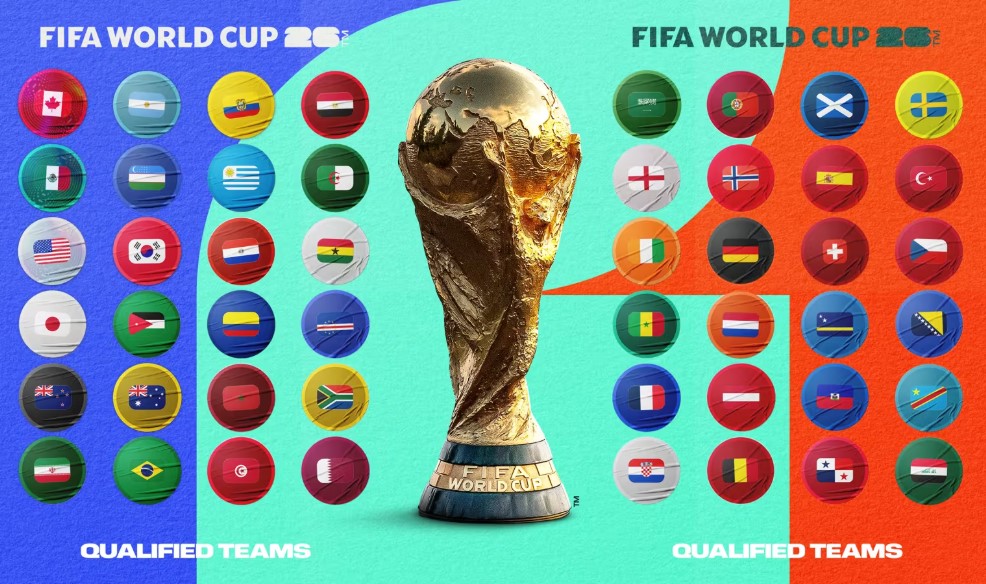
⚽“48 Nations, One Dream: The World Gathers for a Historic FIFA World Cup 2026”
The stage is finally set for the FIFA World Cup 2026, as all 48 qualified teams prepare to converge in what promises to be the largest and most inclusive tournament in football history. Hosted across North America by the United States, Canada, and Mexico, this expanded edition marks a turning point for the global game—welcoming new nations while preserving the dominance of traditional powerhouses.

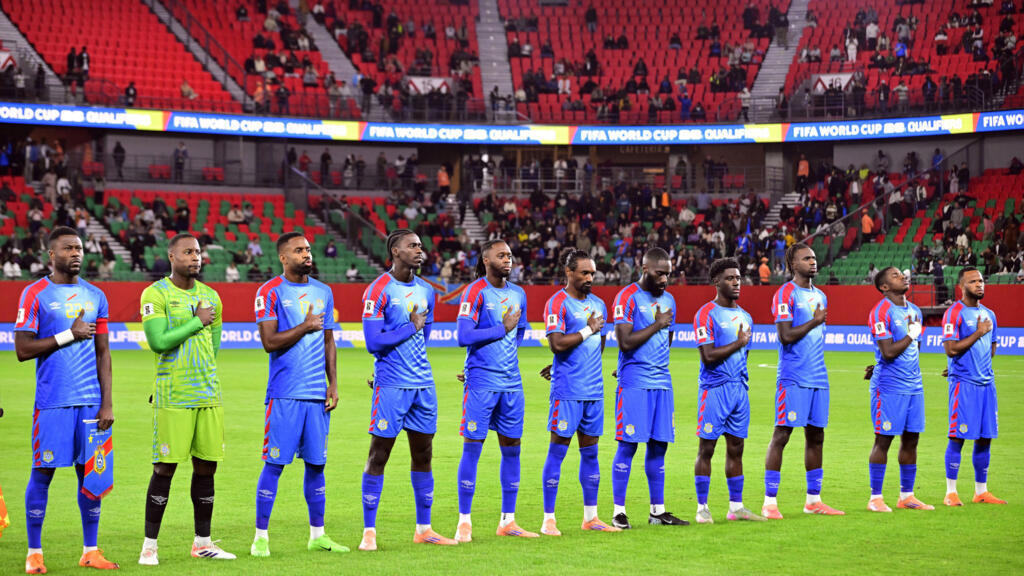
Qualification delivered its usual blend of drama and destiny. The final places were secured through intense playoff battles, with teams like Iraq national football team ending a 40-year absence with a decisive victory, while DR Congo national football team also sealed their return on the international stage. In Europe, late surges from Turkey national football team and Sweden national football team ensured that the continent’s depth will once again be fully represented.
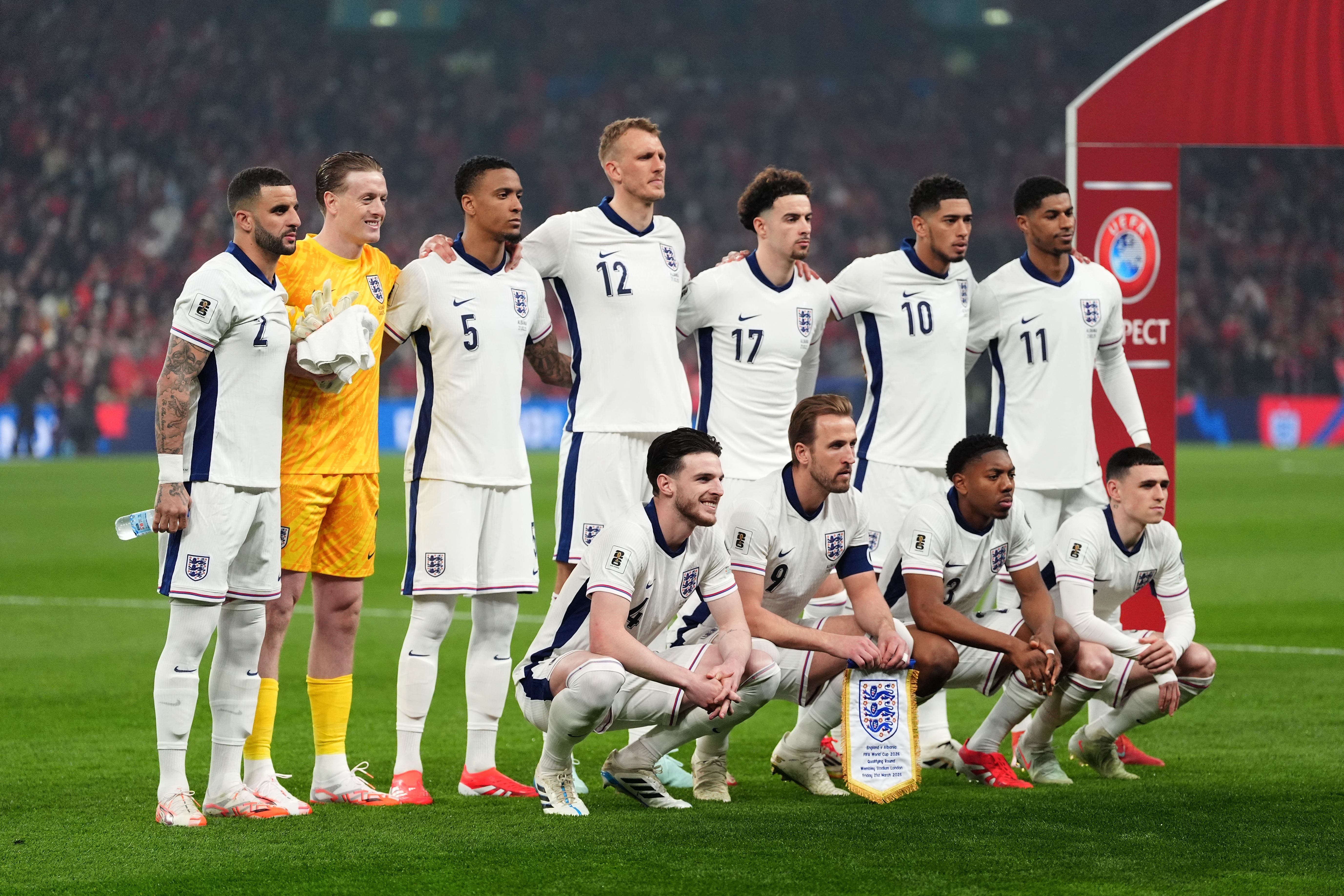
The lineup reflects a compelling balance between football’s elite and its rising forces. Giants such as Argentina national football team, Brazil national football team, France national football team, Germany national football team, and England national football team return with familiar ambitions of glory, carrying both history and expectation. Their presence guarantees a high level of competition, but they are no longer alone at the top of the global hierarchy.
This World Cup will also shine a spotlight on emerging nations. Teams such as Uzbekistan national football team, Jordan national football team, and Cape Verde national football team have earned historic first appearances, symbolizing the rapid growth of football beyond its traditional strongholds. Their qualification is more than a milestone—it is a signal that the global balance of the sport is shifting.

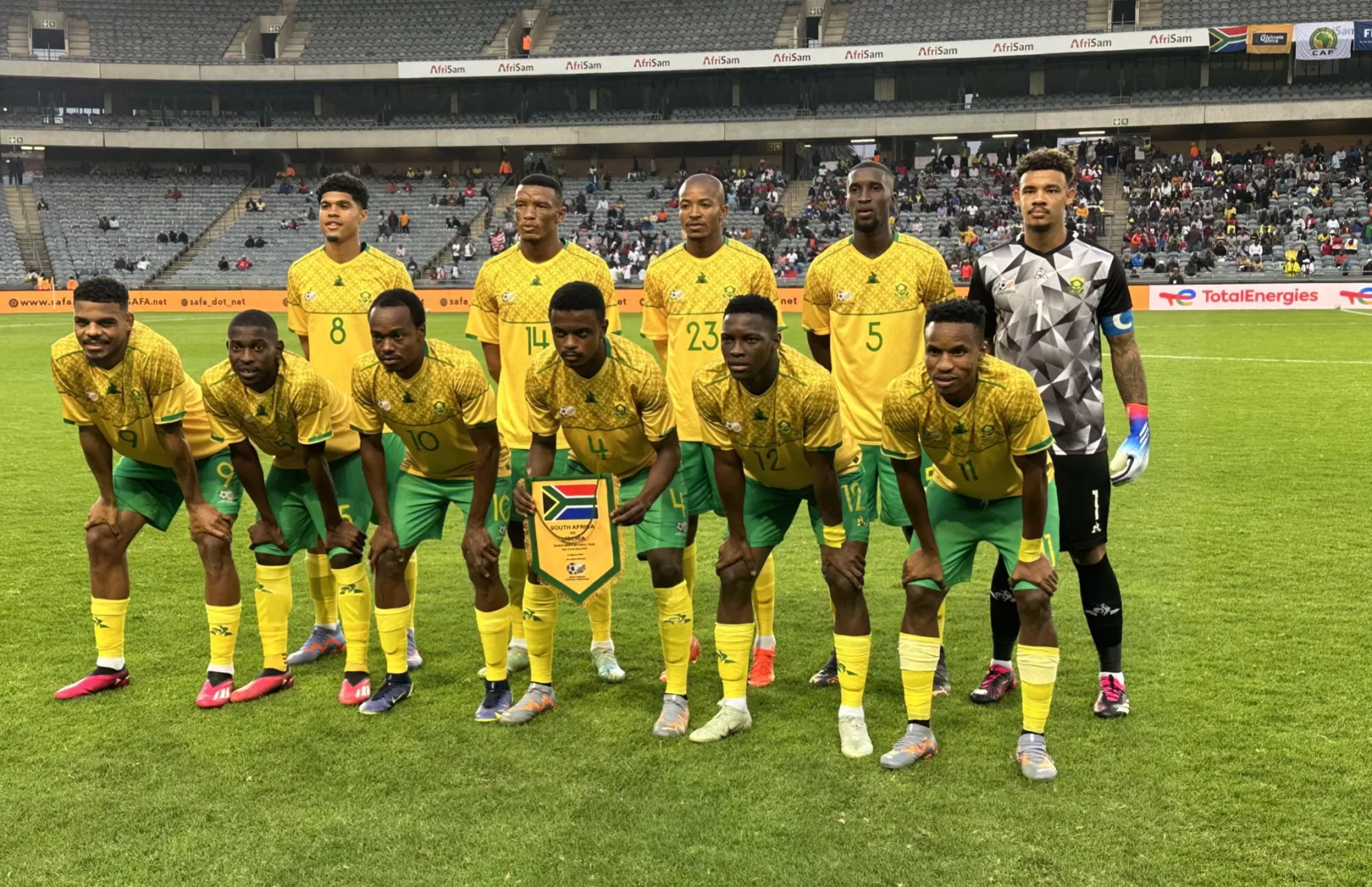
Across continents, the representation tells a powerful story. Africa arrives with strength through sides like Senegal national football team and Morocco national football team, while Asia continues its rise with disciplined contenders such as Japan national football team and Iran national football team. In South America, the flair of Brazil and Argentina is complemented by the resilience of nations like Colombia and Uruguay, ensuring a fiercely competitive field.
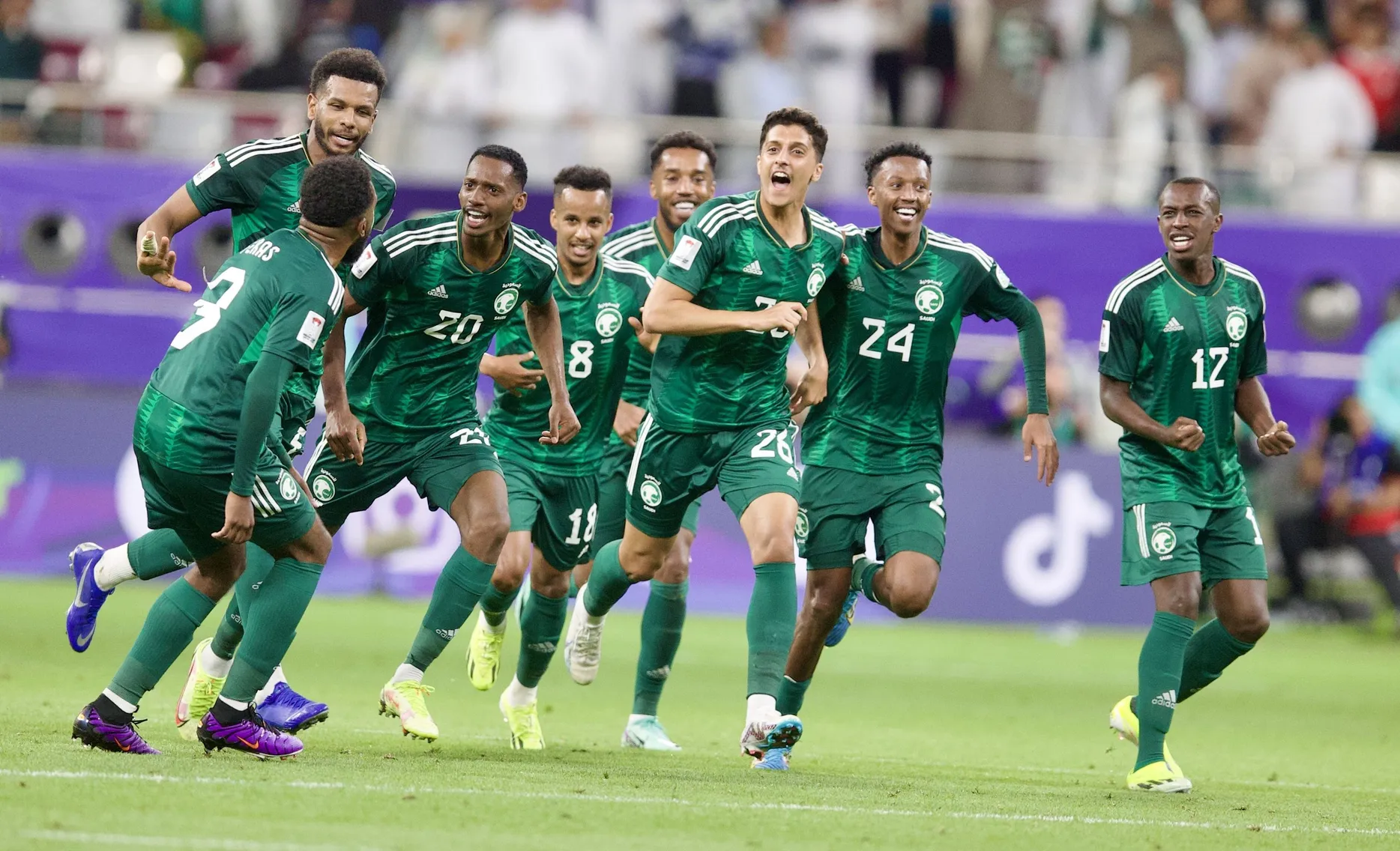
Beyond the names and numbers, the 2026 tournament represents something deeper: a truly global celebration of football. With more matches, more teams, and more stories than ever before, it offers a platform where underdogs can dream and giants must prove themselves all over again.
As the countdown begins, one truth stands above all—this will not just be a World Cup. It will be a defining chapter in football history, where 48 nations arrive with one shared ambition: to lift the most coveted trophy in sport.
Source: Joe Star for Ballocentre.com
Images: GETTY