Thirty-nine days. One hundred and four matches. Forty-eight nations. And more drama, records and unforgettable moments than any World Cup in living memory.
The 2026 FIFA World Cup is over — Spain are the champions, Kylian Mbappé is the all-time leading scorer in World Cup history, and Lionel Messi has played his final match on football's greatest stage. But before the memories begin to fade, this is your chance to relive the very best of it.
From Erling Haaland's last-minute double that eliminated Brazil, to Jude Bellingham's breathtaking brace at the Azteca. From Cape Verde's extraordinary fairy tale, to South Africa reaching the knockout stage for the very first time. From Jonathan David's hat-trick in Vancouver, to Ferran Torres' extra-time winner at MetLife Stadium that brought the trophy back to Spain.
The goals, the saves, the tears, the celebrations — all of it, in one place.
Enjoy every second
Top 10 Goals
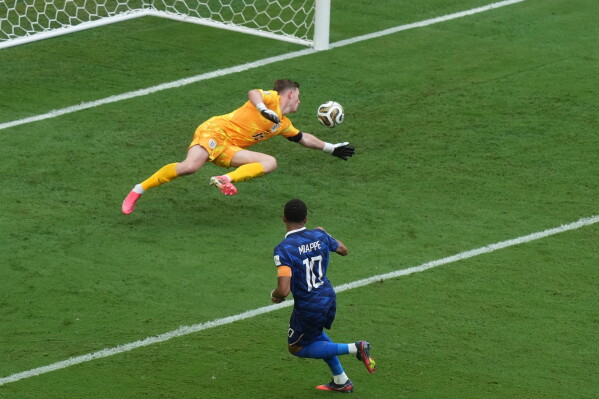
Top 10 Saves
All the goals
Source: Ballocentre.com
Images: GETTY, TEKNIK AI, Sporty TV
The Record That Belongs to Him — For Now
🏆 Kylian Mbappé and the Weight of 22
There is a particular kind of record in football that feels less like a statistic and more like a verdict on a life's work. The all-time World Cup scoring record is that kind of record. Since Miroslav Klose reached 16 goals and retired that honour to himself in 2014, it had sat untouched — until Lionel Messi arrived in 2026 and reclaimed it, goal by careful goal, across what everyone understood to be his final tournament. And then, on Saturday evening in Miami, Kylian Mbappé took it away.
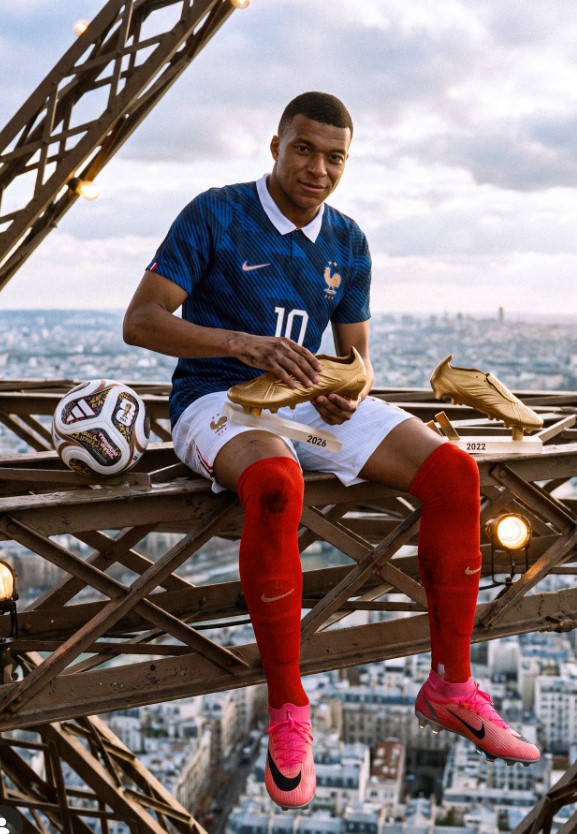
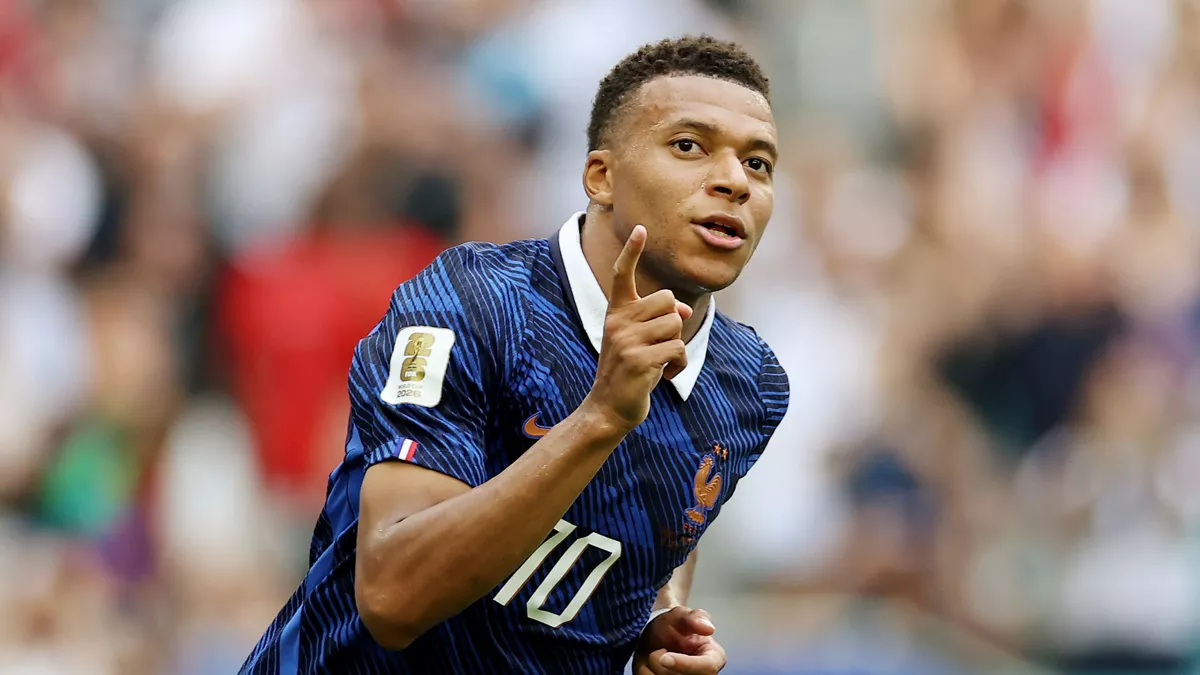
Mbappé ended the 2026 World Cup with 10 goals in the tournament — two more than Messi's total of eight in this edition. That performance lifted the French forward to 22 career World Cup goals, surpassing Messi's 21 and setting a new all-time record.
What the Record Means — and What It Doesn't
It is worth being precise about what Mbappé has achieved, and what remains open.
He is the men's all-time World Cup top scorer with 22 goals. He holds the record for most goals scored in World Cup finals specifically, with four — a category all of his own. He has been directly involved in more goals in a single World Cup edition than any player in the last 60 years. He has now played in three World Cups and scored in all three, at the ages of 19, 23 and 27 — meaning a 2030 appearance, and almost certainly a 2034 one, are realistic prospects. The ceiling on this record is not yet in sight.
What the record does not yet reflect is a second World Cup winner's medal. France won in 2018 with Mbappé as their young star. They lost the 2022 final to Argentina. They were eliminated in the semi-final by Spain in 2026. For all the individual brilliance — the goals, the records, the trophies at club level — the tournament glory that would place him alongside the very greatest of all time still eludes him.
"I'm just trying to help my team score every time"
Mbappé was, in Miami on Saturday evening, more contemplative than celebratory. The record had arrived in the wrong context — a third-place match, a defeat, a tournament ended 24 hours too early.
That is the Mbappé paradox, laid bare: a player who scores at a rate the World Cup has never before witnessed, yet who consistently measures himself against the prize rather than the statistics. He would swap the record for a winner's medal tomorrow — and everyone who has watched him these past weeks knows he means it.
It is, in all likelihood, the central motivation of the remaining years of his career.
Source: Ballocentre.com
Images: Getty, Football Smash
Step Forward or Underachievement?
🏆 Africa's 2026 World Cup Verdict
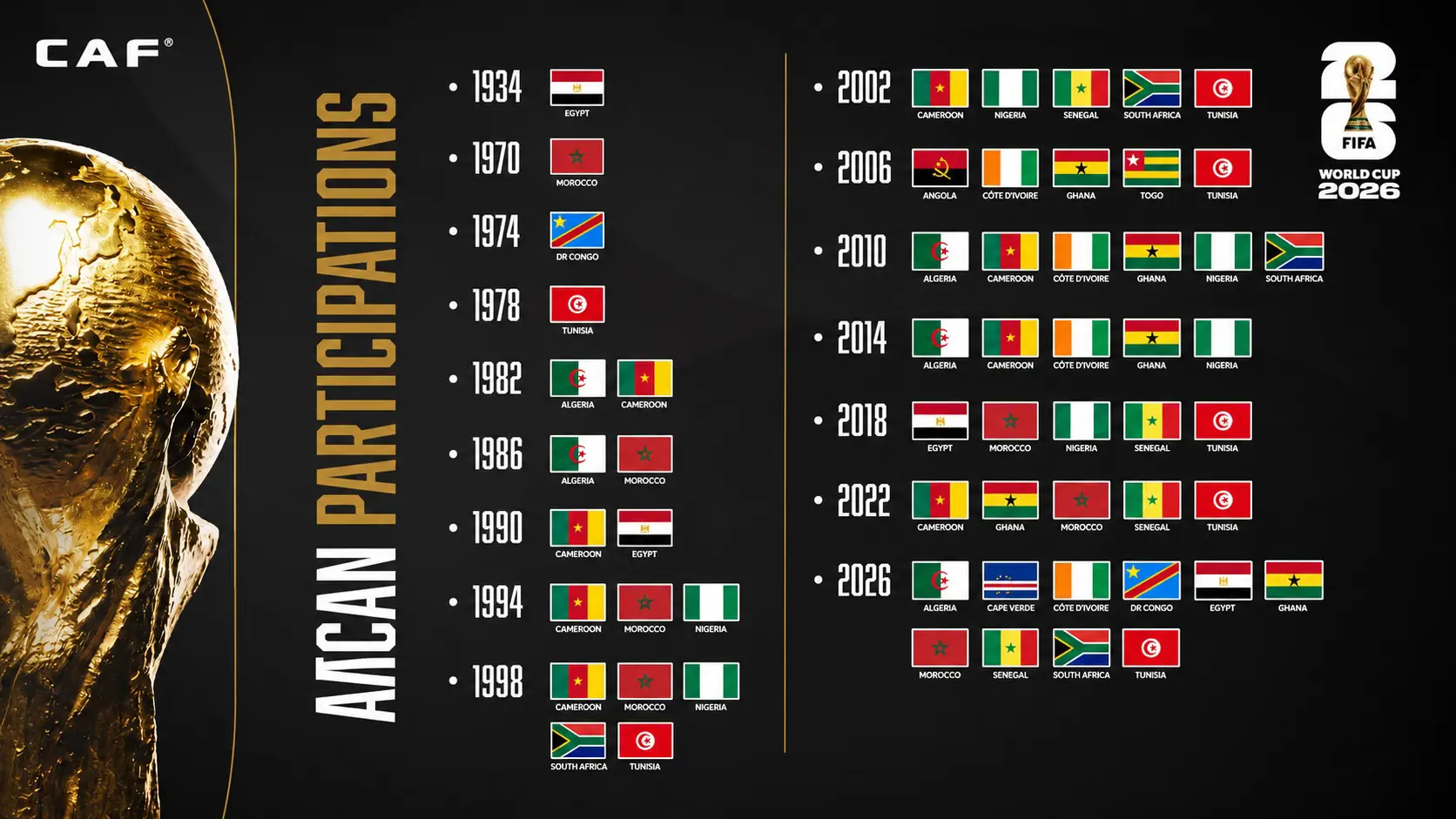
Morocco reached the quarter-finals. Egypt came agonisingly close to eliminating Argentina. South Africa made the knockout stage for the first time in their history. By any objective measure, Africa had a 2026 FIFA World Cup to remember. And yet the question that always follows — did the continent truly deliver on its potential? — refuses to go away.
In this episode, Dotun Adebayo sits down with African football journalist Maher Mezahi for a frank and wide-ranging assessment of the continent's tournament. Morocco's quarter-final defeat to France is examined in full — what went wrong, whether the Atlas Lions could have done more, and what their performance means for a nation preparing to co-host the 2030 World Cup on home soil. Egypt's dramatic collapse against Argentina — leading 2-0 with 11 minutes remaining before conceding three times — is dissected with characteristic honesty.
The pair also tackle the structural questions that African football must confront: why do African teams consistently struggle in the closing stages of major matches? What infrastructure is still missing around national team setups on the continent?
Honest, informed and essential listening for anyone who cares about the trajectory of African football.
Source: Ballocentre.com
Images: CAF, Football Smash
Two Legends, One Conversation
🏆 Thierry Henry and Roberto Carlos Go Back in Time
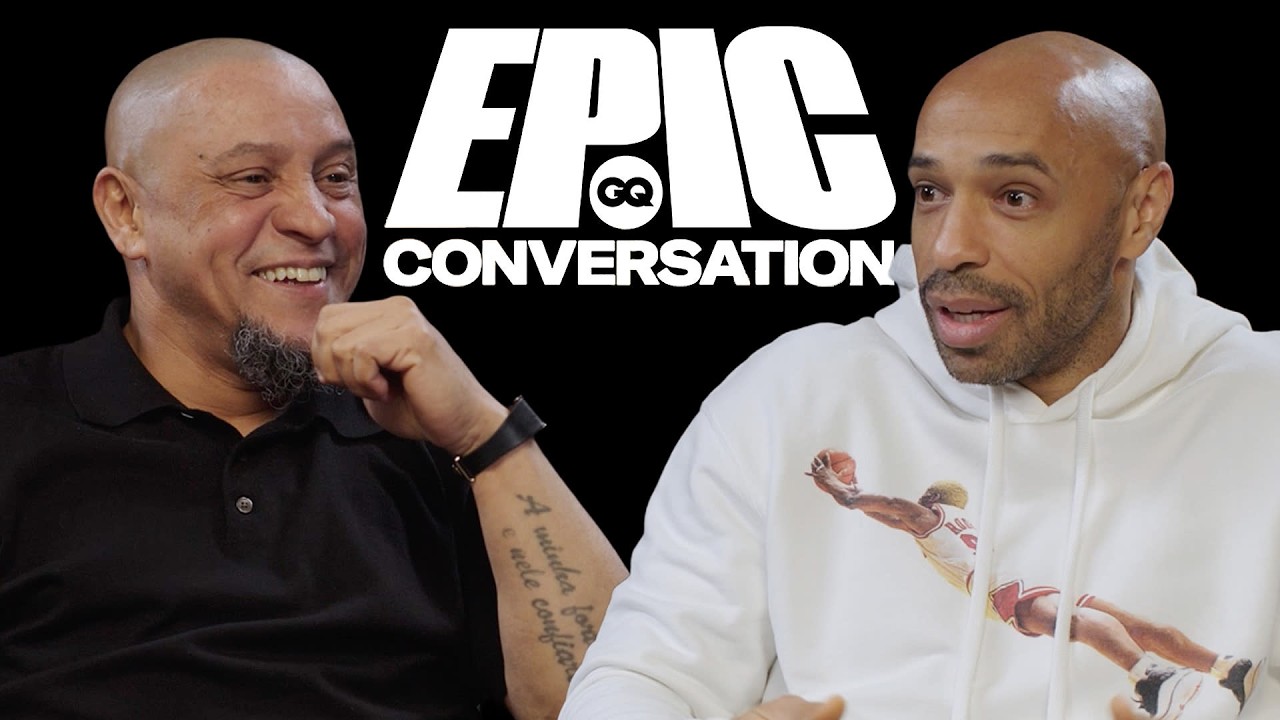
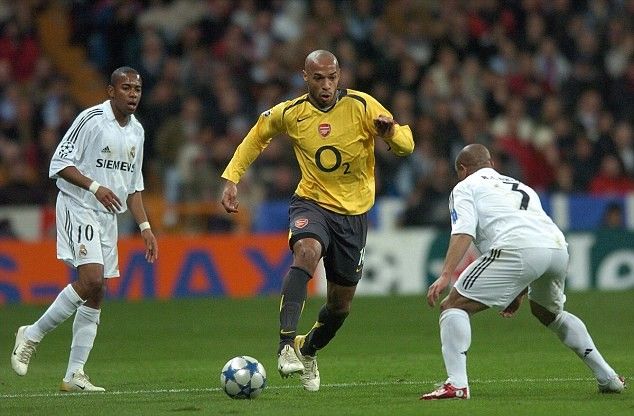
Few conversations in football carry the weight of this one. Two of the game's most celebrated figures — Thierry Henry, the Arsenal and France icon, and Roberto Carlos, the flying left-back who defined an era at Real Madrid and Brazil — sit down together for a chat that spans two extraordinary careers and some of the most iconic moments in football history.
The legendary free kick from 1997 — that free kick — is revisited in full. What it felt like to lift the World Cup. The stories, the characters and the memories from the dressing rooms of Arsenal and Real Madrid. Two men who played the game at its very highest level, now reflecting on what it all meant.
Source : Ballocentre.com
Images : Getty, GQ Magazine
The Question Everyone Is Asking
🏆 Are Brazil Real Contenders at the 2026 World Cup?
Three games played. Three clean sheets in their favour. Nine goals scored. Group C won with something to spare. On paper, Brazil's group stage record at the 2026 FIFA World Cup reads like a statement of intent from a nation that has waited 24 years since its last world title.
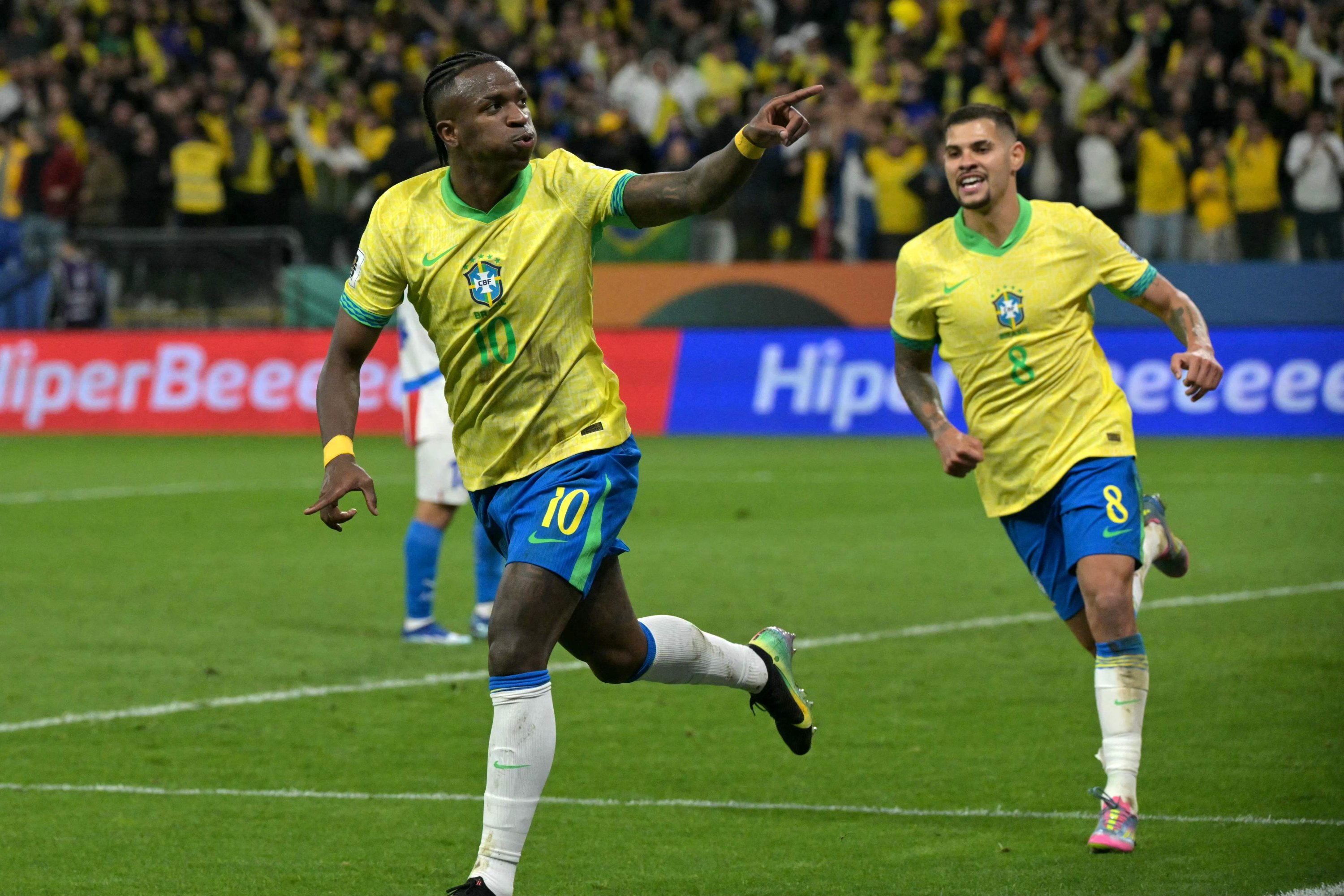
But the numbers only tell part of the story. Against Morocco in their opener, Brazil were shaky, uninspired, and needed a moment of individual brilliance from Vinicius Júnior to salvage a 1-1 draw. Against Haiti and Scotland, they looked considerably more convincing — but neither side offered the quality of opposition that the latter stages will bring. Questions remain about their defensive solidity, their dependence on Vinicius, and whether a squad still missing the fully fit Neymar for large portions of the campaign can genuinely go the distance.
Carlo Ancelotti's side have the talent, the pedigree, and the tournament structure to go deep. But in a World Cup that has already humbled Spain, unsettled Portugal, and produced shock after shock, the question of whether Brazil are genuine contenders — or simply the most gifted work-in-progress in the competition — deserves a serious answer.
We have posted two pertinent videos below. Watch them both!
Source : Ballocentre.com
Images : Getty, The Athletic & Tim Vickery
FIFA World Cup 2026
🏆 The Coach's Corner: Pitso Mosimane and Panel Break Down the World Cup
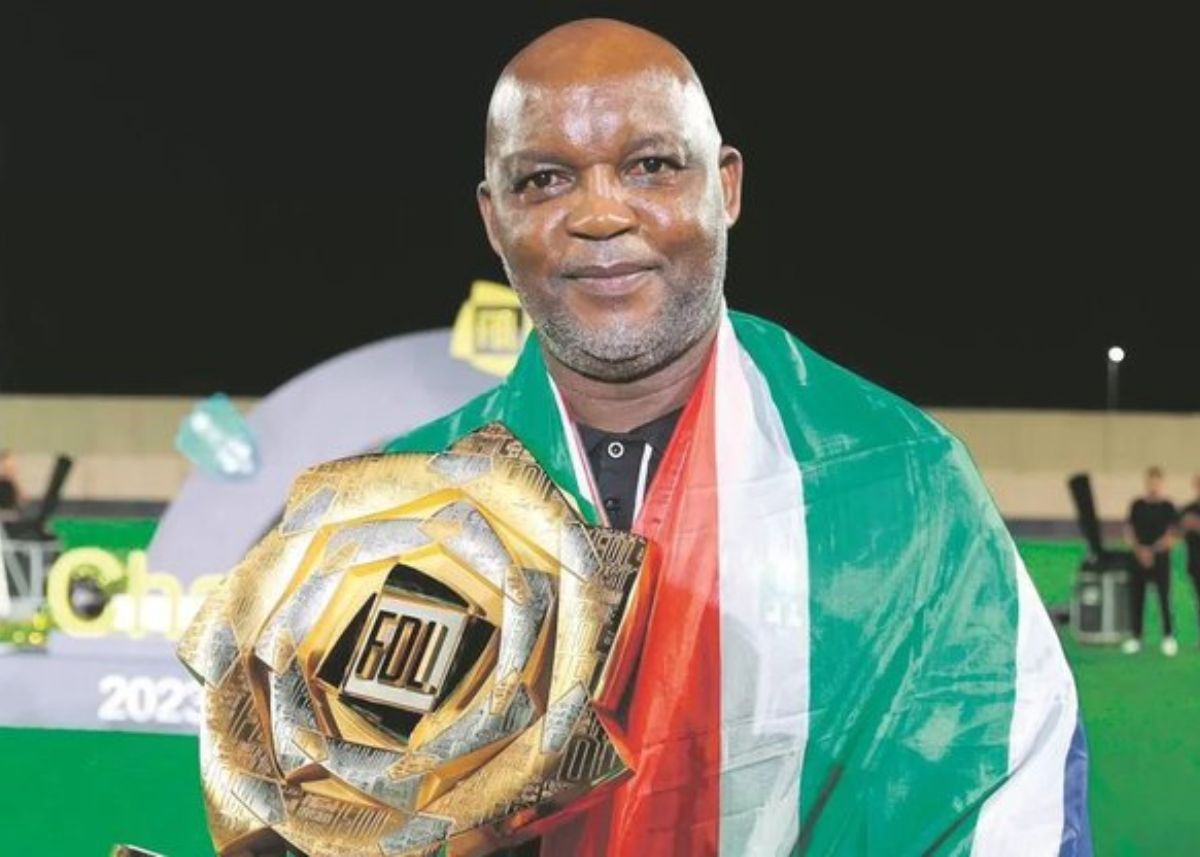
Few voices carry more authority in African football than that of Pitso Mosimane. The most decorated coach in the history of the continent — a man who has managed at the highest levels across Africa, the Middle East and beyond — takes his seat alongside two trusted football minds for a conversation that cuts straight to the heart of what the 2026 FIFA World Cup is telling us about African football.
From a forensic breakdown of Bafana Bafana's tactical approach and where Hugo Broos' side can improve, to the compelling rise of Morocco and Senegal on the global stage — this panel pulls no punches and spares no detail. What does it really take to compete at football's biggest stage? And is African football finally ready to go all the way?
Sit back. The coach is talking
Source : Ballocentre.com
Images : Getty, Smash Sports and Changing The Game with Pitso
FIFA World Cup 2026
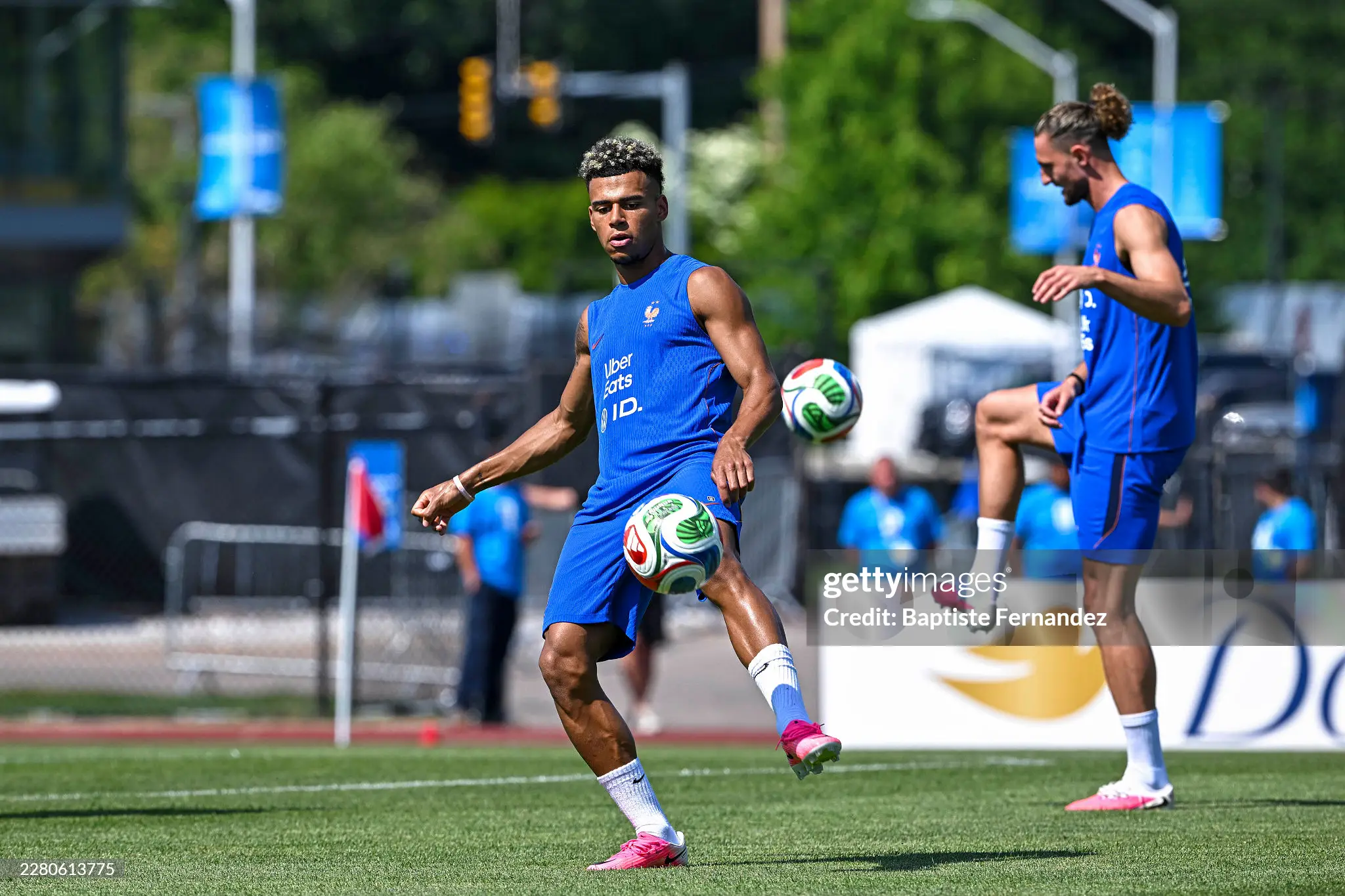
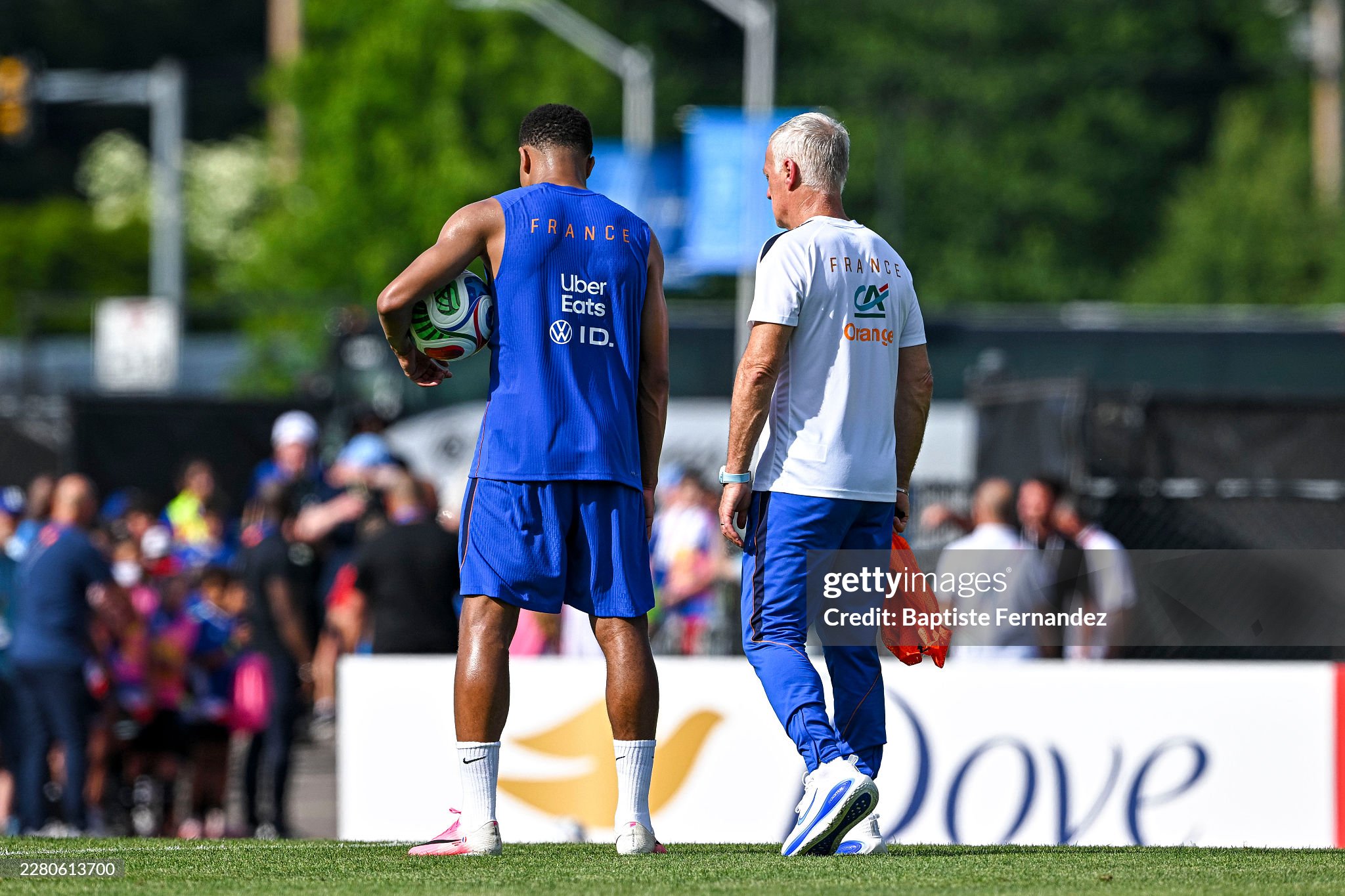
🏆 Les Bleus Touch Down: France Settle into Boston Ahead of Senegal Opener
2 times World Champions and last Finalists, France arrived in Boston six days before their Group I opener against Senegal, touching down at their base city to a warm reception from fans who gathered outside the Four Seasons Hotel to greet the squad. Kylian Mbappé, Ousmane Dembélé, and Michael Olise were among the stars who acknowledged the crowds — a sign of the enormous anticipation surrounding Les Bleus in North America.
France arrive at the 2026 World Cup with ambitions of becoming only the second European nation to contest the final three times in a row, after West Germany achieved that feat between 1982 and 1990. Their opening Group I assignment on 16 June — a heavyweight encounter with Senegal at the New York New Jersey Stadium — could not be more demanding. Two African Cup of Nations holders meet a two-time world champion. The stage is set.
Enjog the 3 videos below
Source : Ballocentre.com
Images : Getty, Lorenz Kohler
FIFA World Cup 2026
🏆 FIFA President Infantino Speaks!
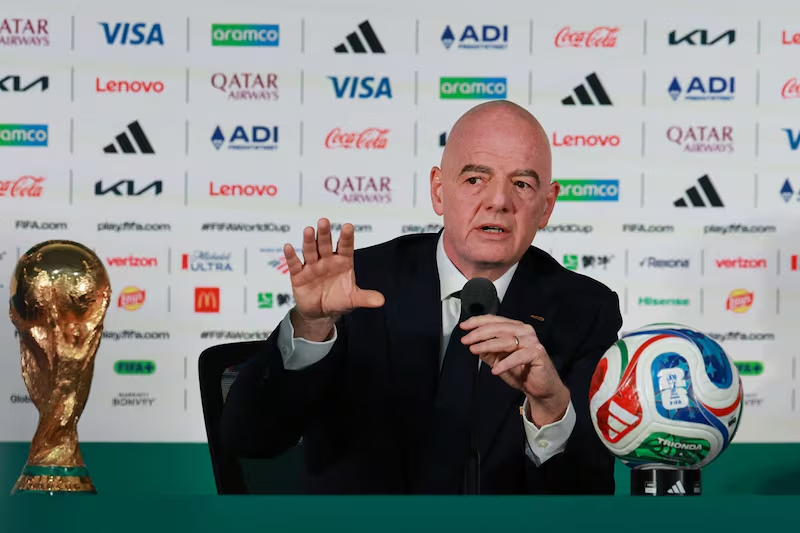
FIFA president Gianni Infantino has doubled down on the decision to award the 2026 FIFA World Cup to the United States, insisting he has “no regrets” despite the controversies and logistical challenges surrounding the tournament’s build‑up. Speaking as global attention intensifies ahead of kickoff, Infantino defended the choice of host nation and dismissed criticism over political tensions, visa complications, and organisational hurdles.
Infantino’s comments come at a moment when the expanded 48‑team World Cup is set to begin across North America, with the US playing a central role in staging the largest tournament in FIFA history. His stance reflects FIFA’s long‑held view that the American market — with its infrastructure, commercial power, and global reach — remains essential to football’s growth.
“I Don’t Regret Anything”
The remarks land amid a busy news cycle around the competition: from Bafana Bafana’s preparations for their opening match at the Azteca to global debates over refereeing, logistics, and the political complexities of hosting a mega‑event on US soil. But Infantino’s message is clear — the organisation stands by its decision, and the World Cup will go ahead with full confidence in its hosts.