
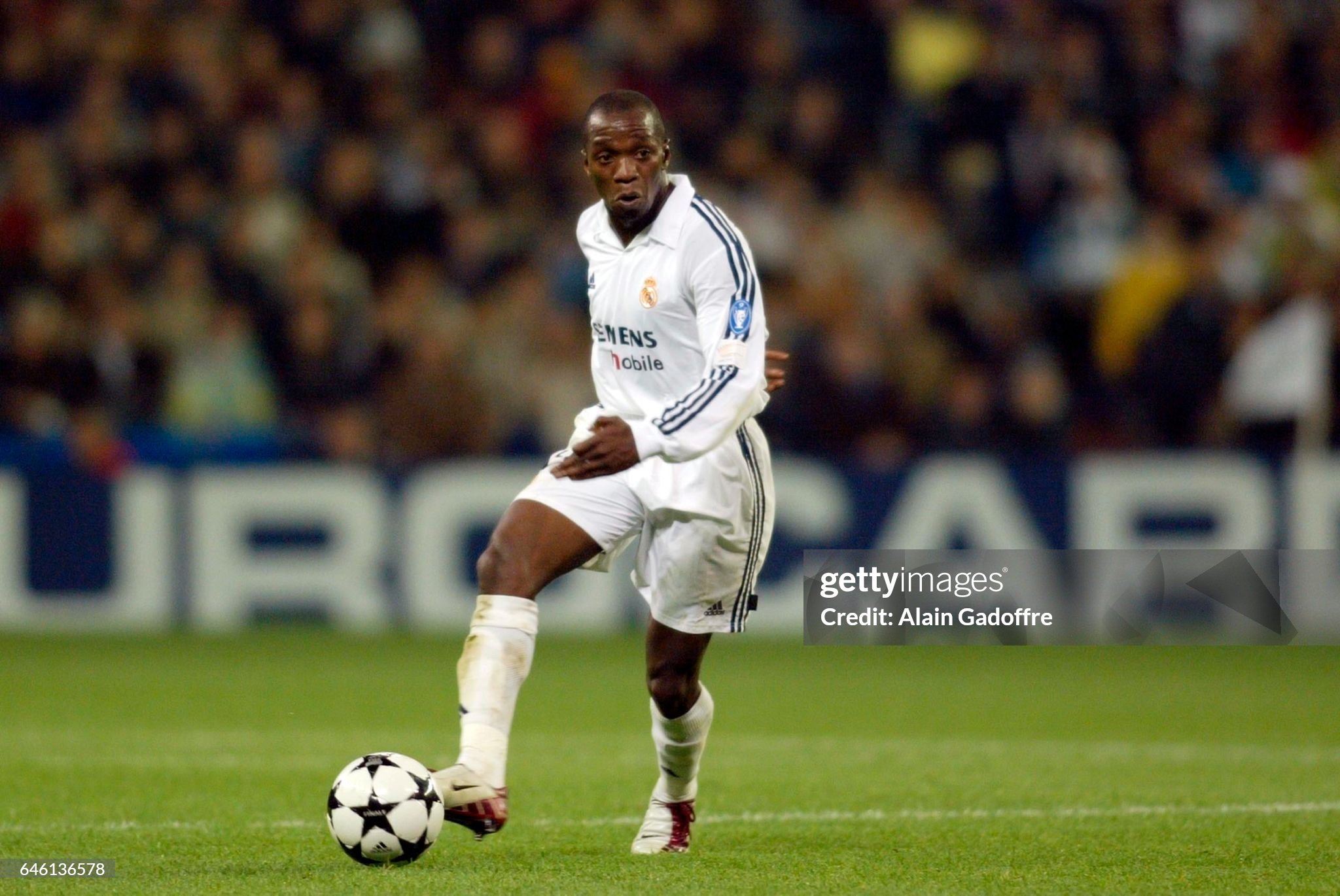
Claude Makelele was never the loudest voice in the dressing room, nor the flashiest name on the team sheet. Yet, from the dusty streets of Kinshasa to the grand stages of Madrid, London, and Paris, he became the silent architect of modern football. His journey is one of understated brilliance: a boy who moved to France at a young age, molded by discipline and resilience, and who went on to redefine an entire position.
Born on the 18th of February 1973 in Kinshasa in what was then called Zaire (DR Congo today), Claude was the son of a former footballer, who moved the family to France. Settling in the Paris region, Makelele grew up immersed in French football culture.
He joined Melun-Dammarie’s youth team in 1989, then moved to Stade Brestois in 1990, where his disciplined style began to take shape.
⚽ Early Professional Career
Nantes (1991–1997)
His breakthrough came at FC Nantes, where he played over 160 matches. Known for his tireless work rate, he helped Nantes win the 1994–95 Ligue 1 title.

He had a brief spell at Marseille in 1998. He sharpened his tactical awareness during this period.
Celta Vigo (1998–1999)
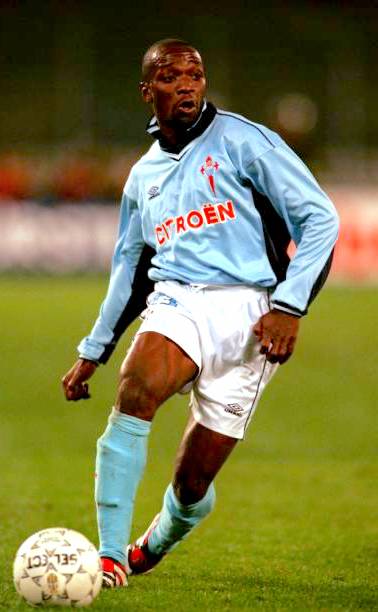
In Spain, he became a midfield anchor, attracting the attention of Real Madrid.
🏆 Real Madrid – The Unsung Galáctico
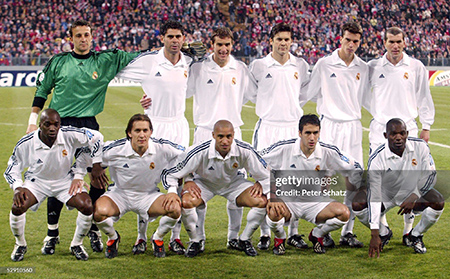
When Claude Makelele arrived at Real Madrid in 2000 from Celta Vigo, the club was in the midst of building its famous Galáctico project. Florentino Pérez was assembling a constellation of football’s brightest names—Luis Figo, Zinedine Zidane, Ronaldo, and later David Beckham. Yet amid the glamour, Makelele was the quiet constant, the player who stitched the team together.
Makelele wasn’t there to score goals or dazzle with tricks. His job was simple but vital: win the ball, recycle possession, and shield the defense.
He became the balance in a team overloaded with attacking brilliance, covering ground tirelessly and allowing the stars to play with freedom.
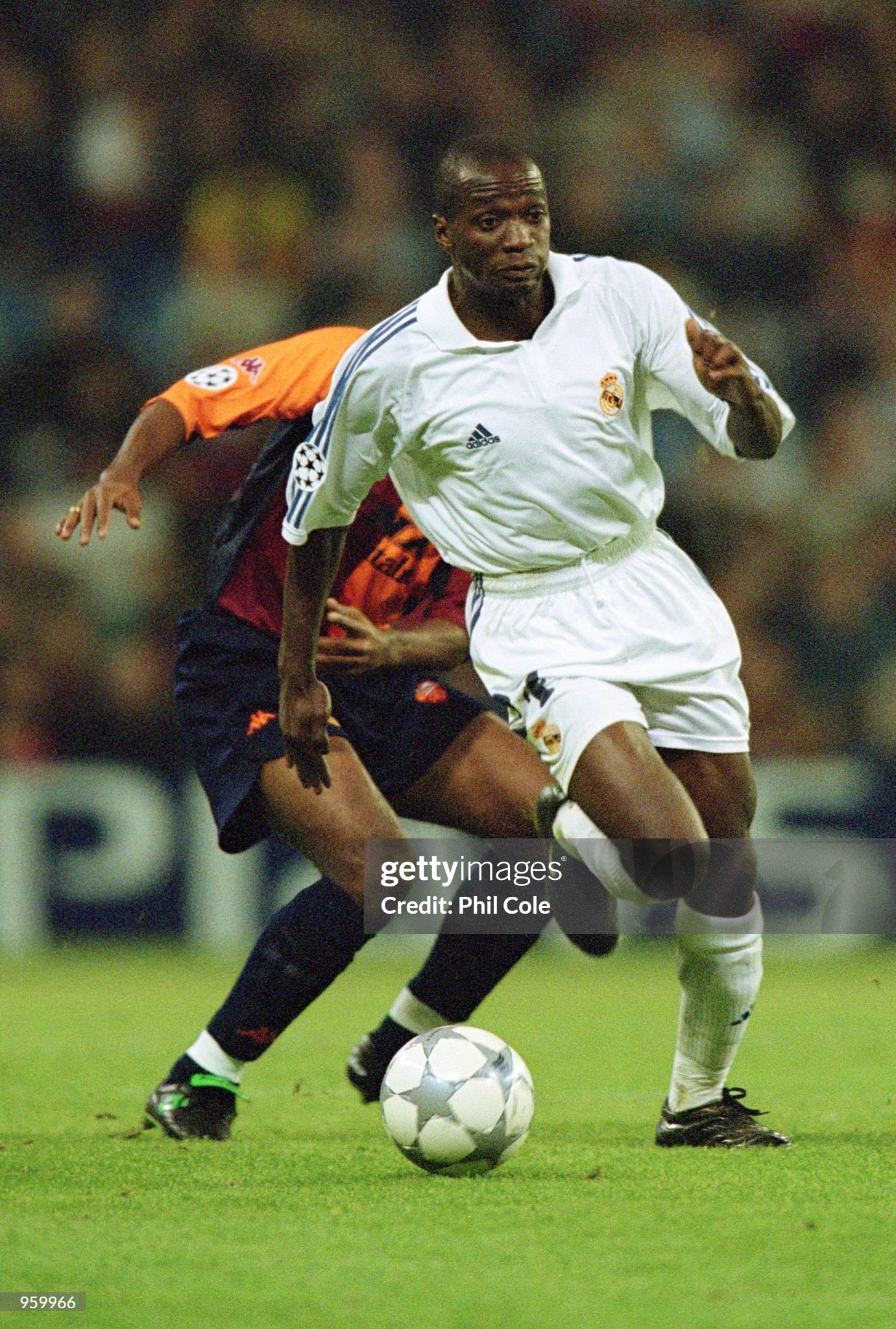
The Controversial Exit
Despite his importance, Makelele felt undervalued. In 2003, after disputes over wages and recognition, he left Madrid for Chelsea. His departure exposed the fragility of the Galáctico model—Real Madrid struggled to maintain balance, while Chelsea gained the heartbeat of their midfield.
Zidane famously said: “Why put another layer of gold on the Bentley when you are losing the engine?”—a reference to Madrid’s decision to let Makelele leave.
Chelsea: The Birth of the “Makélélé Role”
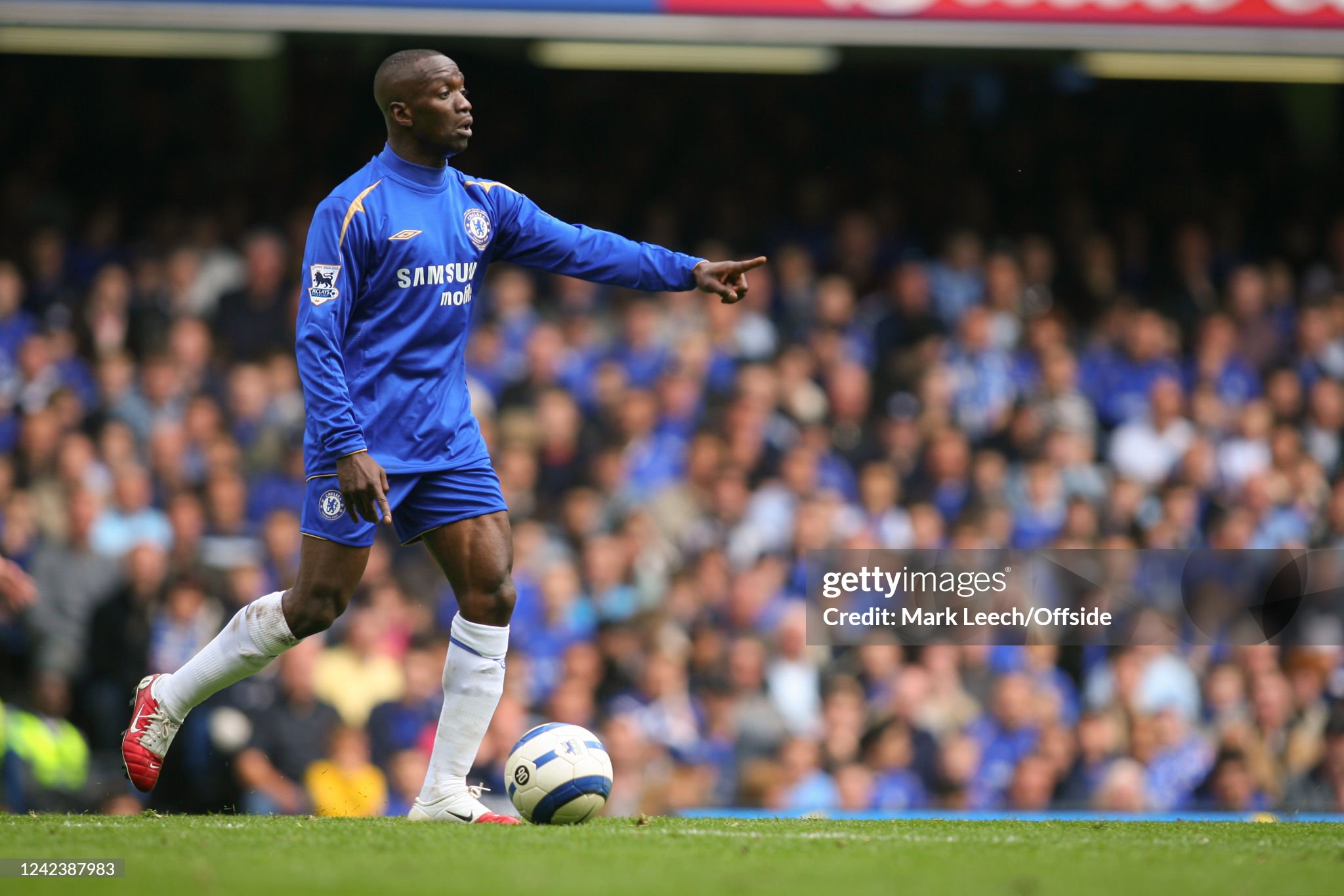
When Claude Makelele arrived at Stamford Bridge in 2003, Chelsea were ambitious but lacked the steel to dominate English football. Signed from Real Madrid after a bitter contract dispute, Makelele became the heartbeat of a new era. His understated brilliance transformed Chelsea into a powerhouse, laying the foundation for José Mourinho’s dynasty.
⚽ Tactical Revolution
Makelele’s role was deceptively simple: shield the defense, break up attacks, and recycle possession.
His positioning allowed Chelsea’s attacking talents—Frank Lampard, Didier Drogba, Arjen Robben—to flourish without fear of being exposed.
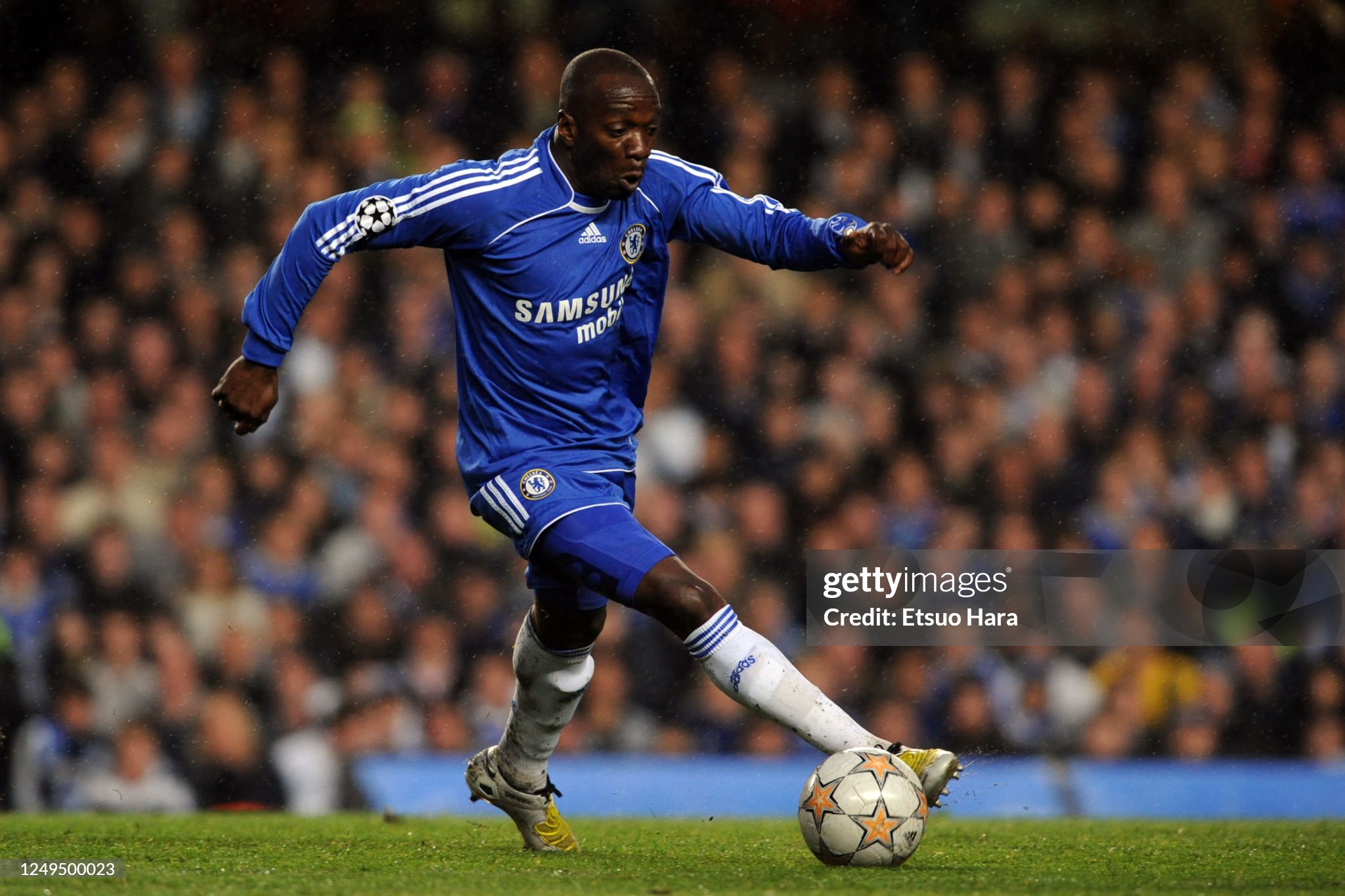
The English press coined the term “Makélélé Role” to describe his unique brand of defensive midfield play, a phrase now immortalized in football lexicon.
🏆 Achievements at Chelsea
Chelsea’s back-to-back league triumphs were built on Makelele’s consistency. He rarely scored, but his rare goal against Tottenham in 2006—a curling strike from outside the box—remains a cult moment for fans.
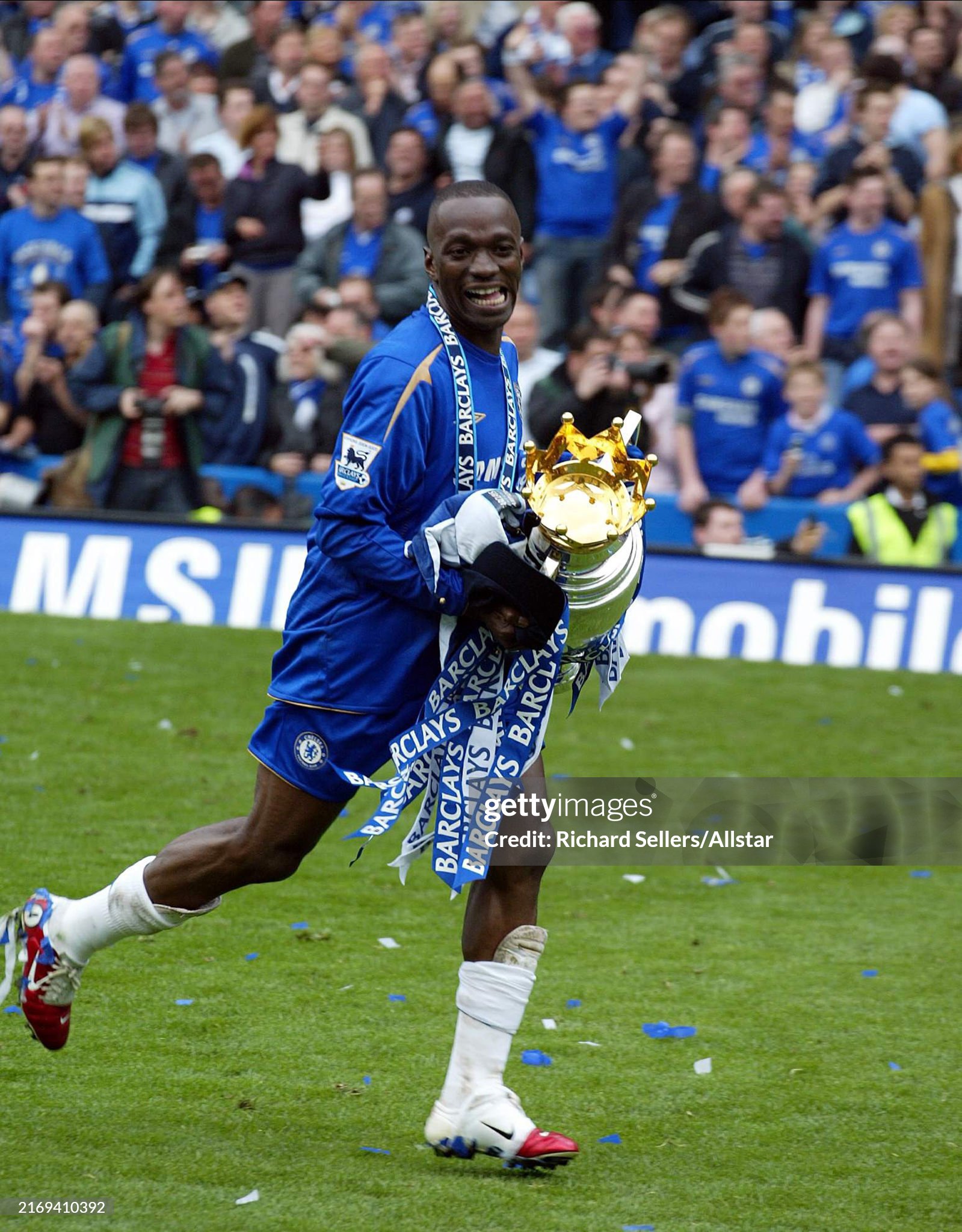
At Chelsea, Claude Makelele didn’t just win trophies—he changed the way football was played in England.
Paris Saint-Germain: The Veteran’s Final Chapter
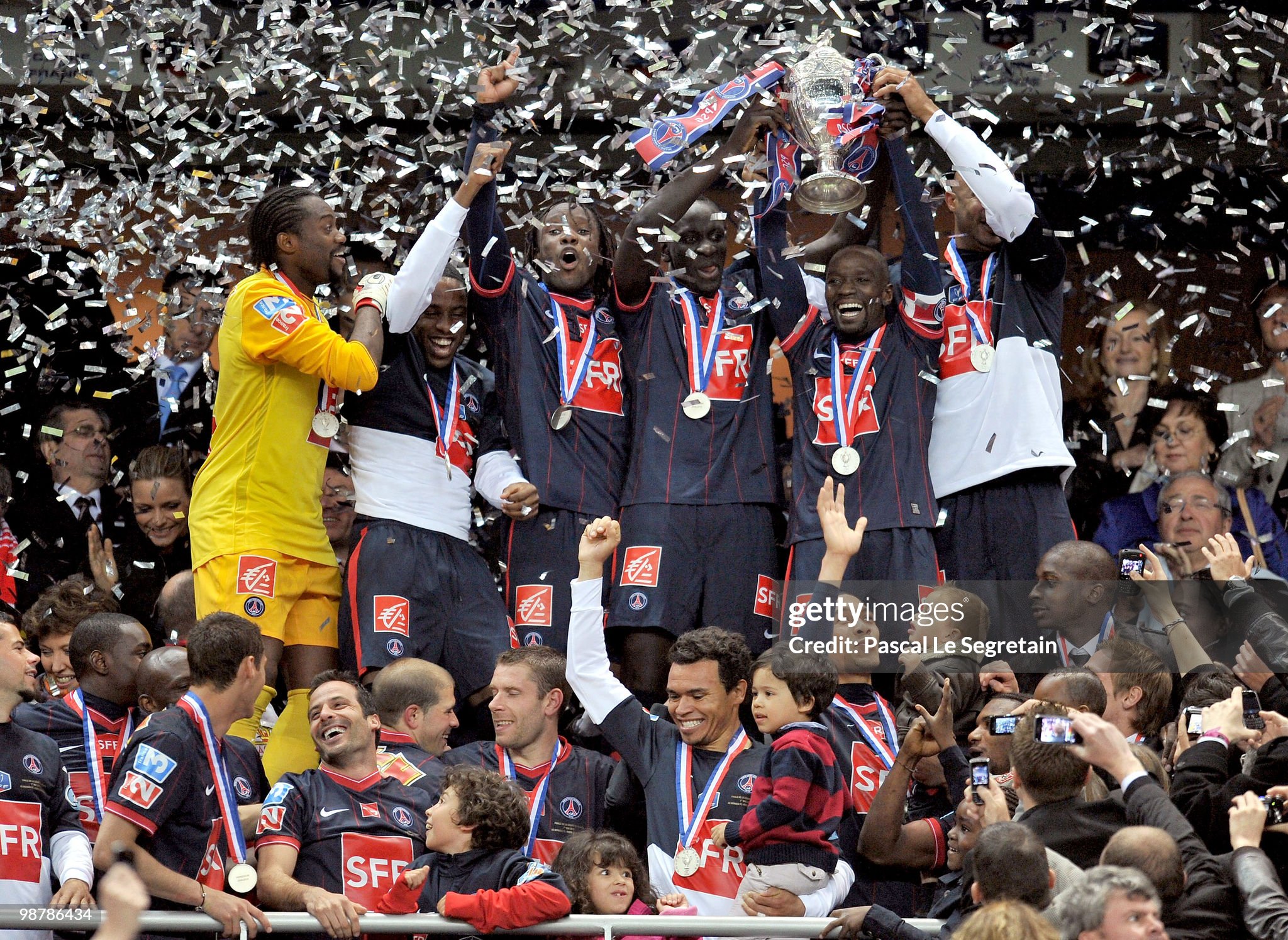
In 2008, Claude Makelele returned to France to join Paris Saint-Germain, closing the circle on a career that had taken him across Europe’s biggest stages. At 35, he was no longer the tireless engine of Chelsea’s midfield, but he brought invaluable leadership and tactical wisdom to a PSG side in transition.
Post-Career: From Mentor to Manager
After retiring, Makelele seamlessly transitioned into coaching and management, bringing his tactical intelligence to the sidelines.
Below is a list of his managerial roles:
PSG (2011–2014): Served as assistant coach, mentoring talents like Marco Verratti.
Bastia (2014): Brief spell as head coach in Ligue 1.
Eupen (2017–2019): Managed Belgian side, focusing on player development.
Chelsea (2019–2023): Returned as a technical mentor, guiding youth players.
Asteras Tripolis (2024–present):Appointed head coach in Greece, continuing his journey as a leader.
Why France and not the DR Congo?
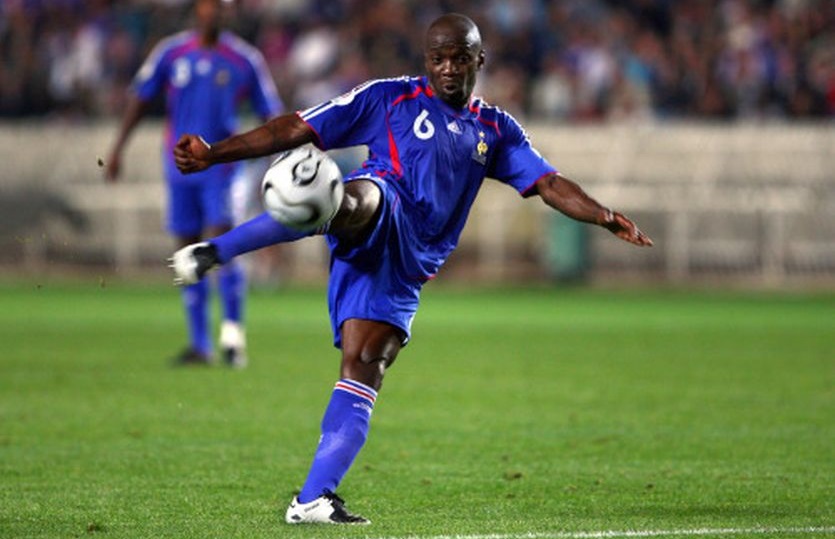
Claude Makelele played for France instead of the DR Congo because he moved to France as a child, developed his football career entirely within the French system, and was overlooked by Zaire’s national team when he was young. By the time he reached professional prominence, he had already represented France at youth level and was firmly integrated into French football.
Zaire’s Missed Opportunity: In the early 1990s, Zaire (now DR Congo) reportedly declined to call him up when he was emerging at Nantes. This rejection pushed him toward France, where he was already eligible through residency and citizenship.
French Integration: Makelele represented France U21 in 1993–94, cementing his path into the French national setup.
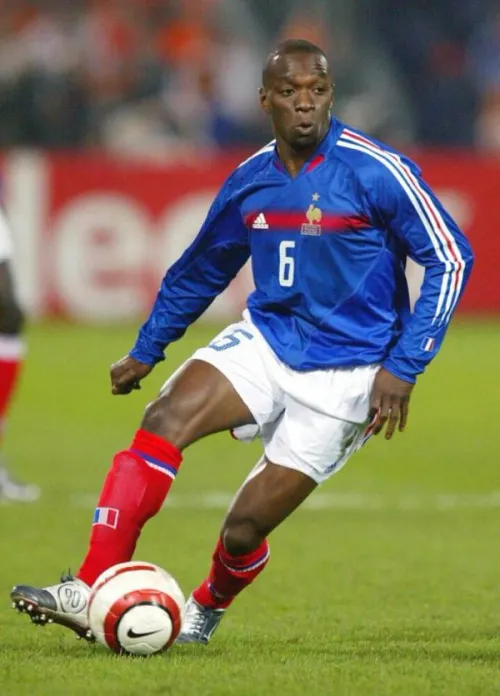
Makelele’s career is a masterclass in subtlety—rarely grabbing headlines with goals or tricks, but always dictating the rhythm of play, shielding defenses, and allowing stars around him to shine. In doing so, he carved out a role so influential that it now bears his name: the “Makélélé Role.” Today, his legacy extends beyond the pitch, as he continues to shape the game through coaching and mentorship, proving that true greatness often lies in the details.
Here is a recent interview on Congolese podcast FootSoc. The video is in Lingala (Congolese national language) and French.

Source: Ballocentre.com
Images: GETTY
