
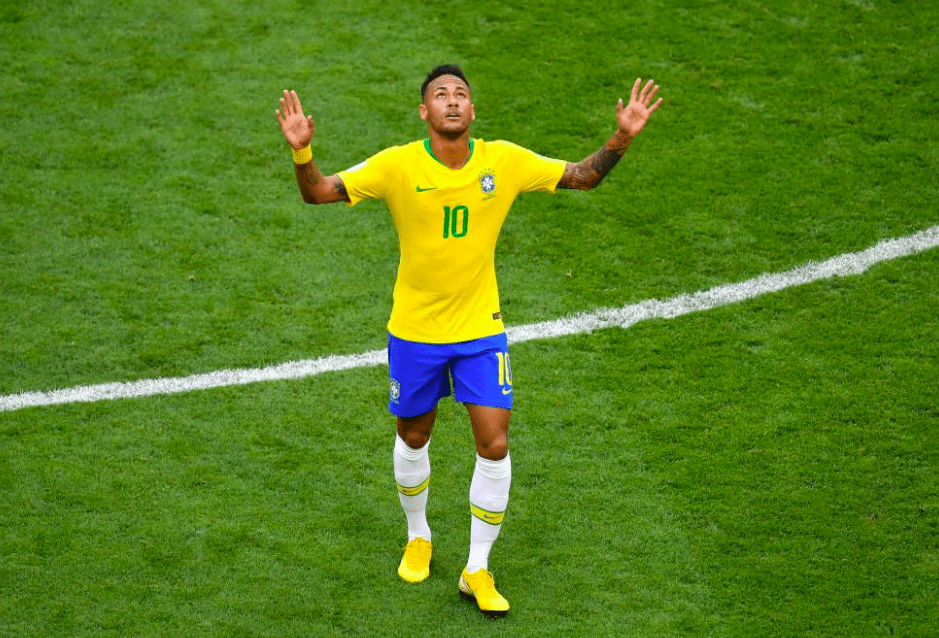
As Brazil's painful Round of 16 exit continues to reverberate across the football world, South American football expert Tim Vickery joins Dotun Adebayo on the Brazilian Shirt Name Podcast for one of the most incisive post-mortems of the Seleção's 2026 campaign.
Vickery opens by examining the broader tournament picture — why the expanded 48-team format and its new knockout structure have made winning the World Cup harder than ever, why European nations continue to dominate the final stages, and why Asia as a whole continues to underperform relative to the standard set by Japan and Australia individually.
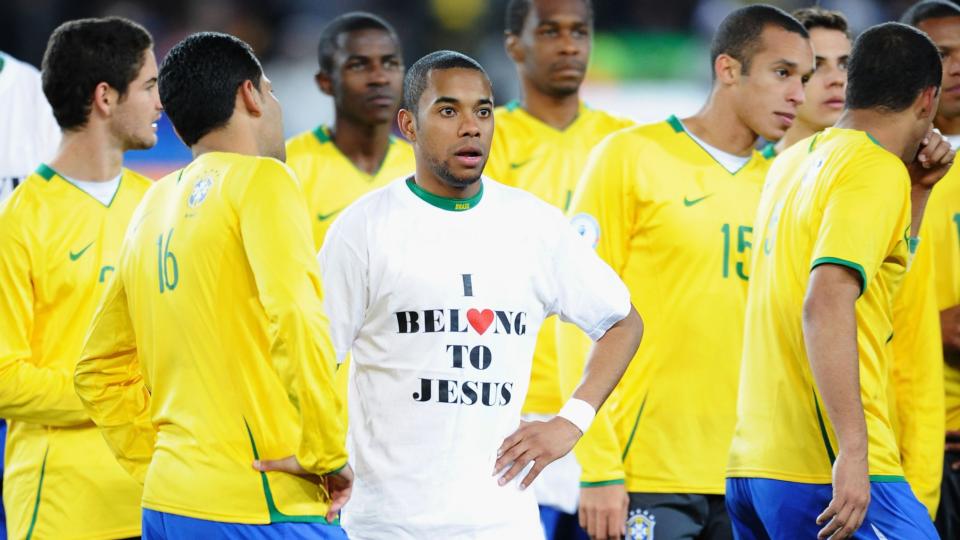
Then comes the uncomfortable truth about Brazil. Neymar's late introduction and its damaging effect on the team's momentum. The questions hanging over Carlo Ancelotti's future. And above all, the deeper structural issue that no individual coach or superstar can solve: Brazil's lack of a coherent, long-term football project.
The central argument is simple but pointed — the Seleção must stop searching for saviours and start building a system.

Essential listening for anyone who cares about the future of Brazilian football.

Source : Ballocentre.com
Images : Getty, ESPN FC
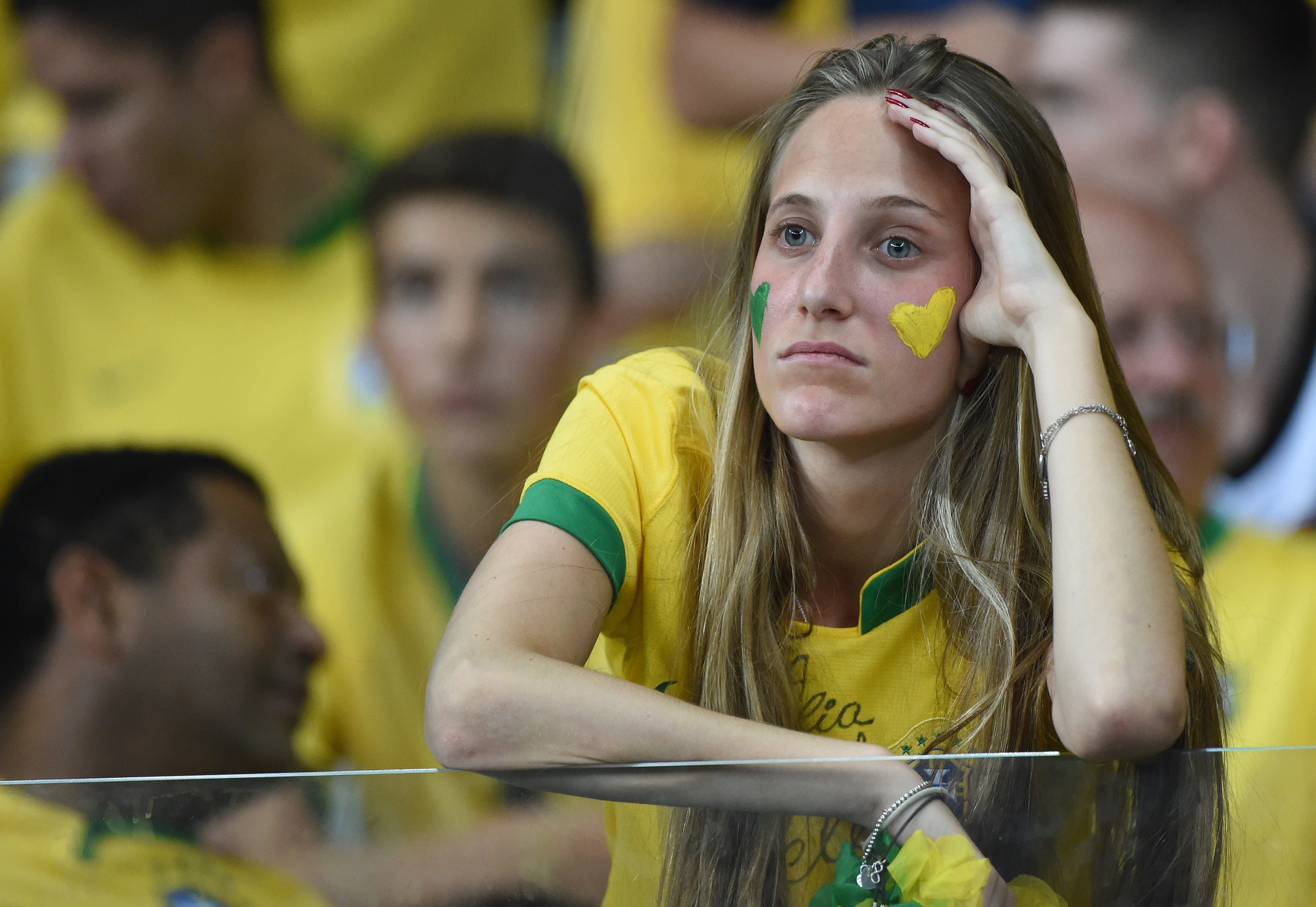
The Brazilian fans at MetLife Stadium began leaving before the final whistle. Not in a hurry, not in anger — just quietly, with slumped shoulders and tear-streaked faces, filing out of the stadium into the New Jersey night with the kind of silent resignation that comes from watching something fall apart that was supposed to last forever.
Somewhere below the equator in the Tijuca neighbourhood of Rio de Janeiro, supporters who had gathered to watch the match in their thousands sat frozen in front of screens, some crying openly, some simply unable to speak.
Brazil are out of the 2026 FIFA World Cup. Eliminated by Norway in the Round of 16. Their earliest exit since 1990. And for a football nation built on the belief that the Seleção and the World Cup belong together — that September follows August, that the sun rises in the east, that Brazil at least reach the last eight — the earthquake will take a long time to stop reverberating.
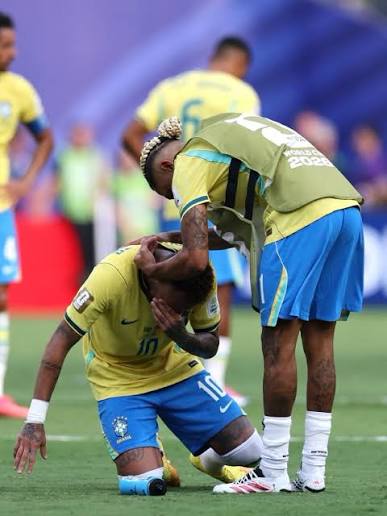
If there is a single image that will define this Brazilian campaign, it is Neymar on the MetLife Stadium turf after the final whistle — 34 years old, weeping, saying goodbye.
Neymar made his Brazil debut against the United States in a friendly at MetLife Stadium in August 2010. Sixteen years later, his international career ended on the same pitch.
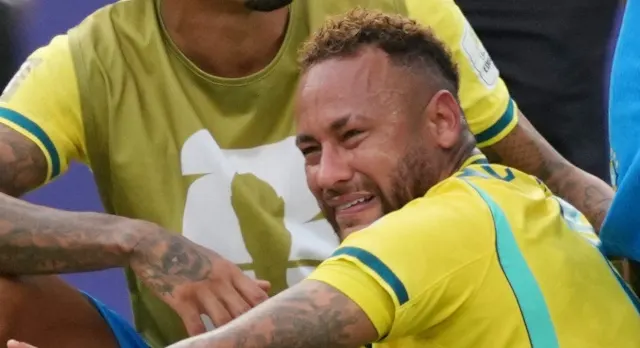
He retires as Brazil's all-time leading scorer with 80 goals in 130 caps — a record that surpasses the legends who came before him, including Pelé and Ronaldo Fenômeno. Whatever criticisms have surrounded his World Cup campaigns — and there have been many — the statistical legacy is beyond dispute.
But Neymar being Neymar, the farewell was not without controversy. Having converted the late consolation penalty, Neymar confronted Norway goalkeeper Ørjan Nyland and laughed in his face — an act that, with the match lost and precious seconds ticking away, was widely condemned as self-indulgent and provocative
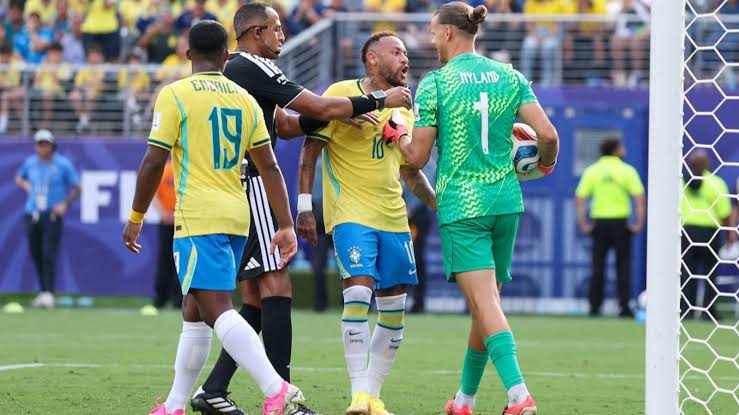
The debate about whether Neymar's career delivered everything his talent promised will continue long after his international retirement. Those who love him will point to 80 goals and a generation of joy. Those who do not will point to nights like this.
The Reckoning: Ancelotti Under Fire
Brazilian legend Ronaldo Nazário — R9 — was unsparing in his verdict. "I think this elimination started with decisions made on the coaching bench," Ronaldo told Dario AS. "Ancelotti is one of the best coaches in football history, but tonight he made too many mistakes. I still don't understand why João Pedro was not in the squad — he's been performing brilliantly. Look at Endrick: every time he's played in this World Cup he's brought energy, aggression, and unpredictability, but he has spent most of the time on the bench."
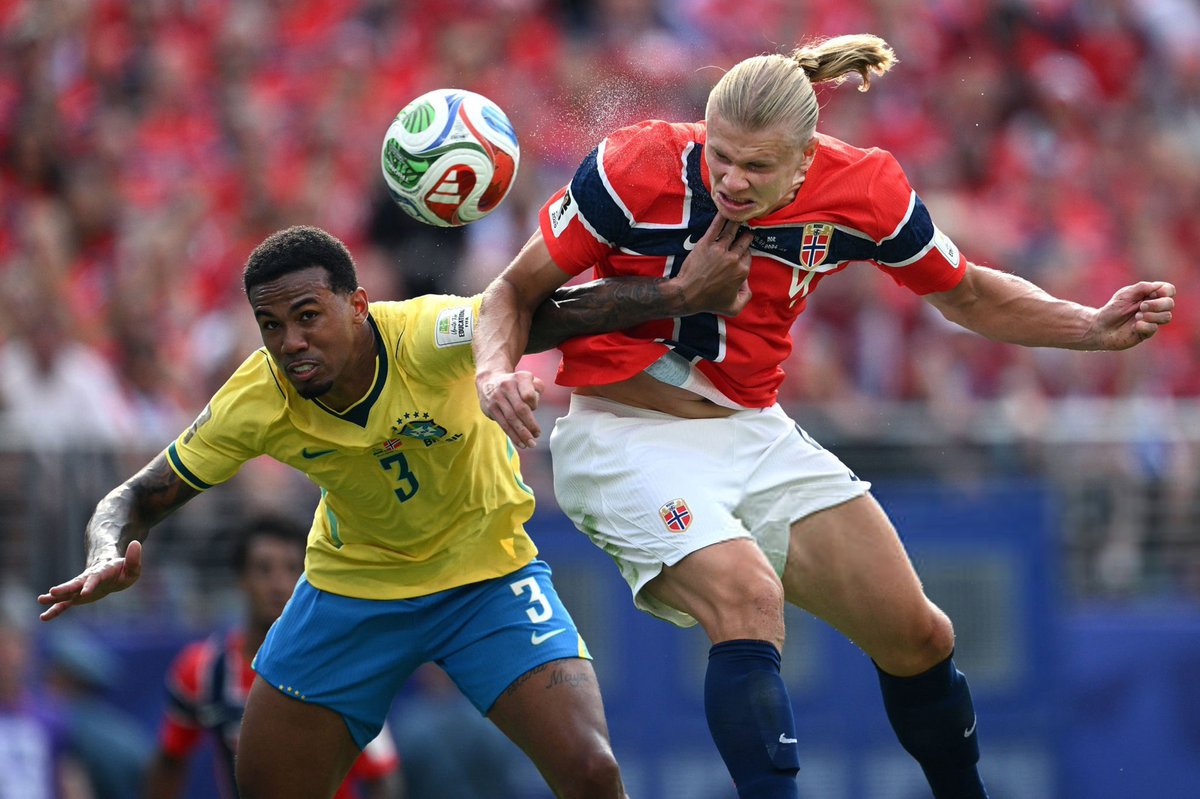
The assessment of pundits abroad was similarly pointed. In the ITV studios, Ian Wright, Gary Neville and Roy Keane united to criticise Arsenal's Gabriel Magalhães for his failure to track Haaland's run for the opening goal. "He didn't actually look for him once," Wright said of Gabriel's marking. "As a forward, you've got to get on his shoulder so that when he looks you go. He didn't do it once." Keane added simply: "Poor defending from Gabriel."
Former Super Eagles captain and coach Sunday Oliseh issued one of the starkest verdicts of all, declaring with characteristic directness:
"Brazil is gone." Oliseh argued that the current side lacks both the identity and the calibre that once made the Seleção a source of genuine fear for their rivals.
Ancelotti himself, to his considerable credit, did not hide. "Sometimes you have to taste defeat," he told reporters. "I think we did a solid job, but that's football for you — that's sport. We will use this as fuel for the new cycle."He also acknowledged what has been evident for several years: "It is very evident that in the midfield, we have to move some players. We need some young talent; we need some high-level players coming into Brazilian football."
The CBF's Response: Faith in the Long Game
Despite the scale of the disappointment, the Brazilian Football Confederation moved quickly to offer a framework of stability. Brazil's national team coordinator Rodrigo Caetano was measured and deliberate in his assessment: "It is now up to us to emphasize the need for a cycle that proceeds normally, with a little more calmness; continuing our work with the coach through the 2030 World Cup while making the necessary adjustments. May we have at least a minimum of tranquility to move forward and prepare for the next World Cup."
Captain Marquinhos made a public apology after the game, urging fans to look forward rather than dwell on the pain. "Now we need to learn from this lesson and apologise to the Brazilian people," he said.
The Wider Meaning: A Generation Without a Title
Brazil last won the World Cup in 2002 with Ronaldo, Ronaldinho, Cafu, Roberto Carlos in Japan and South Korea. Twenty-four years have passed. Three semi-final runs, a painful fourth-place finish on home soil in 2014, two quarter-final exits, and now this: an exit in the Round of 16 at what was widely considered, before the tournament began, one of the most favourable World Cup draws in recent memory.
What comes next is a rebuild. Endrick — who showed flashes of devastating quality in this tournament despite limited game time — is 19. Estêvão, injured and absent from this squad, is 18. The talent pipeline exists. What Brazil must now construct, in the four years before the 2030 World Cup arrives on home soil across South America, is the structure, the tactical identity and the collective resilience to translate that talent into tournament success.
Source : Ballocentre.com
Images : Getty, ESPN FC
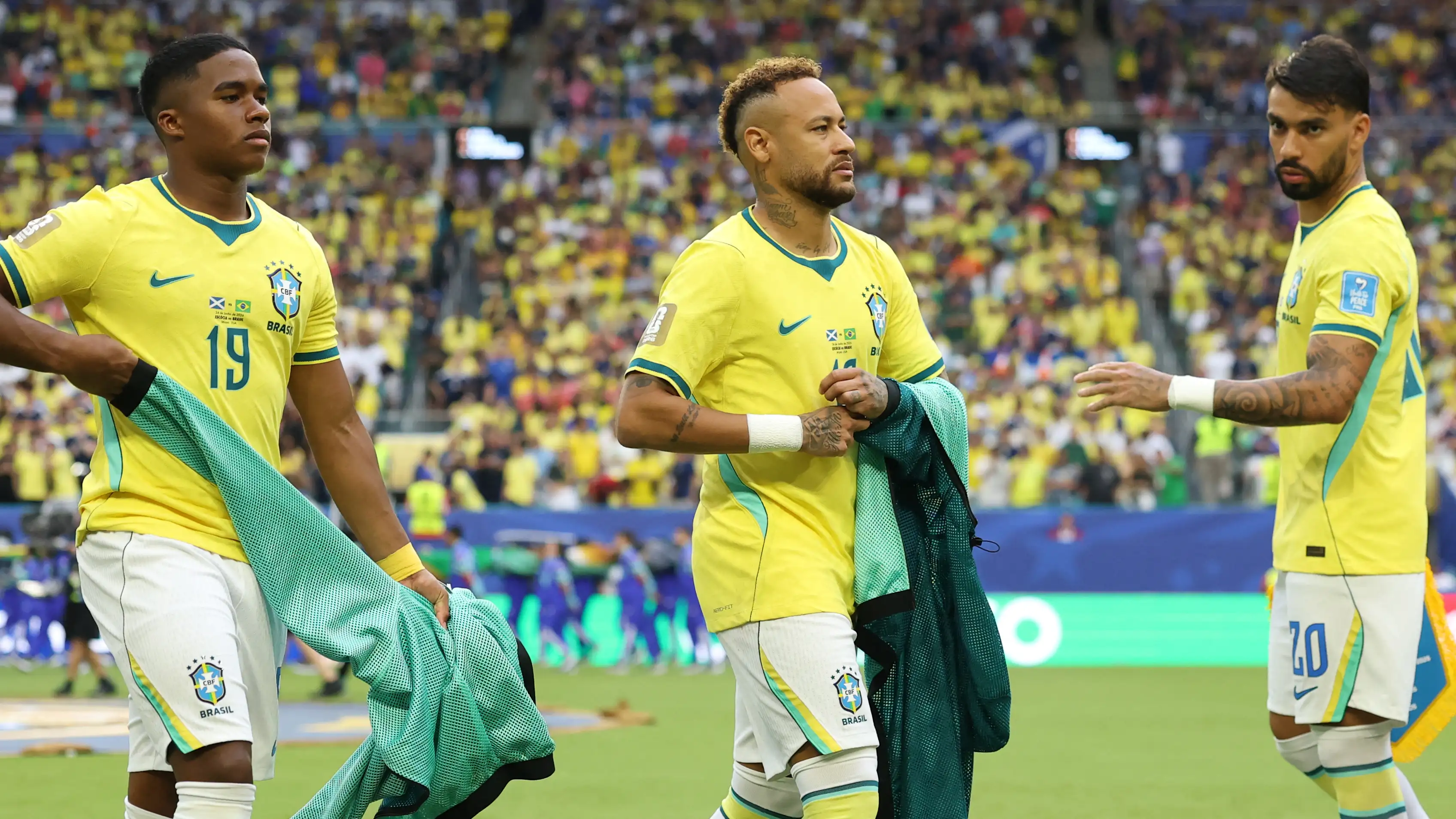
There is something particularly compelling about watching a young player experience the World Cup for the first time — the wide eyes, the measured words, the careful balance between personal ambition and collective purpose. In his latest press conference, Endrick offered exactly that kind of insight, speaking candidly about what it means to wear the yellow and green on football's biggest stage.
The forward spoke warmly about his integration into the Seleção group — describing how the experienced players in Carlo Ancelotti's squad have gone out of their way to make the younger members feel at home, creating an environment where focus and cohesion go hand in hand. He also touched on the mental preparation required for the decisive stages of the tournament, acknowledging that the pressure of a World Cup knockout match demands a clarity of mind that training alone cannot fully replicate.
Above all, the message was one of humility and collective ambition. Personal milestones, he made clear, matter far less than what Brazil achieve as a team. With the Round of 16 against Norway on the horizon, those words carry weight.
The journey of a first World Cup is unlike anything else in football.
For this young Brazilian, it is only just beginning.
Source : Ballocentre.com
Images : Getty, TNT Sports Brasil
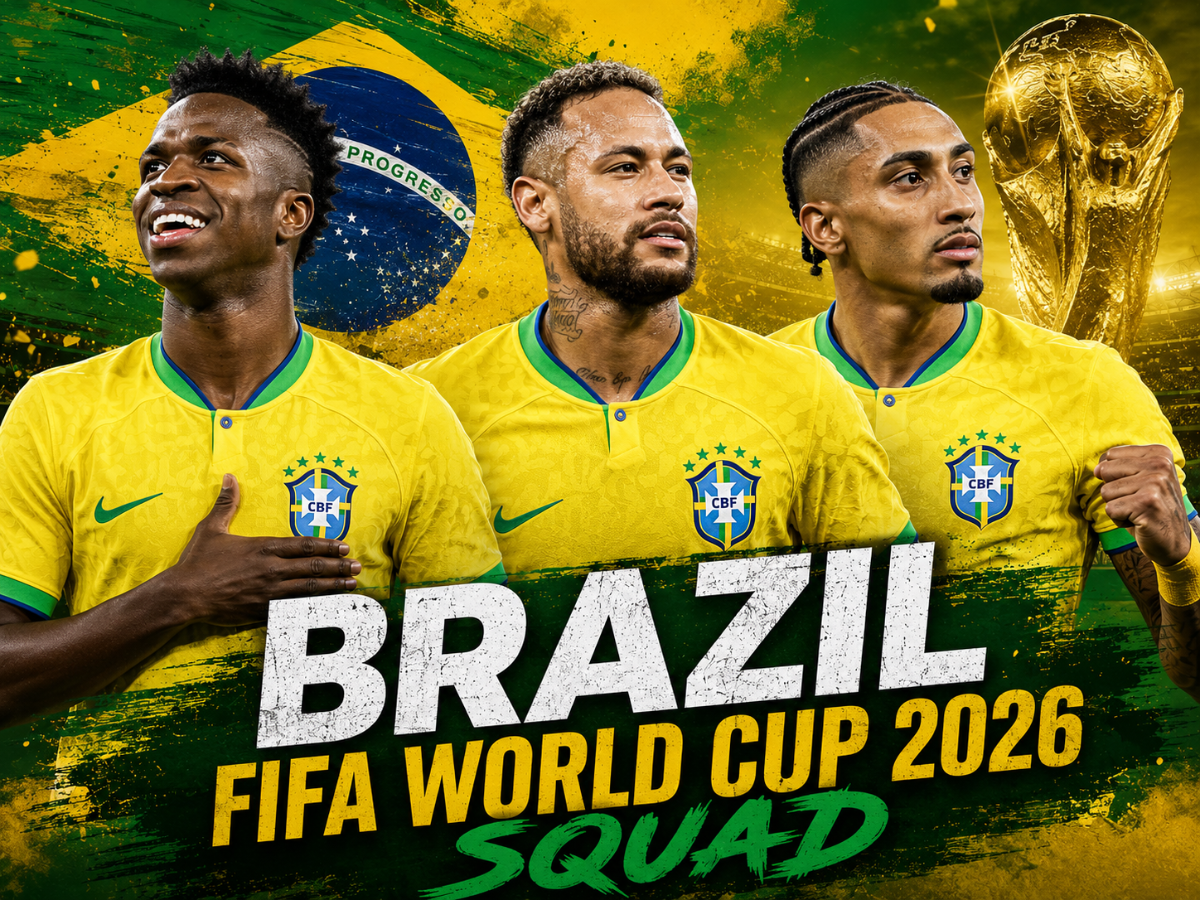
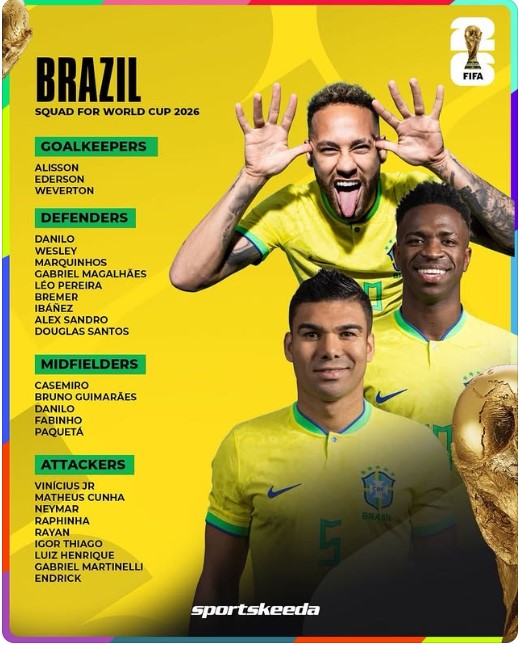
Brazil has officially announced its 26-man squad for the 2026 FIFA World Cup, with head coach Carlo Ancelotti revealing a team filled with experience, young talent, and several major talking points ahead of the tournament in the United States, Canada, and Mexico.
The squad announcement took place at Rio de Janeiro’s famous Museum of Tomorrow, where anticipation surrounded one particular name — Neymar. After nearly three years away from the national team due to injuries and fitness concerns, the Santos forward was included in the final squad and is now set to play in his fourth FIFA World Cup.
CLICK ON THE PICTURE FOR MORE INFOMATION
Ancelotti’s selection signals the beginning of a new era for Brazil under the legendary Italian manager, who was appointed to lead the Seleção with the mission of ending the nation’s 24-year wait for another World Cup title. Brazil remains the most successful nation in World Cup history with five trophies, but their last triumph came in 2002.
The squad includes several of Europe’s biggest stars, led by Vinícius Júnior, Raphinha, Marquinhos, and Gabriel Martinelli. Arsenal defender Gabriel Magalhães and midfielder Bruno Guimarães were also included, while teenage sensation Endrick earned his place after an impressive rise over the last two seasons.
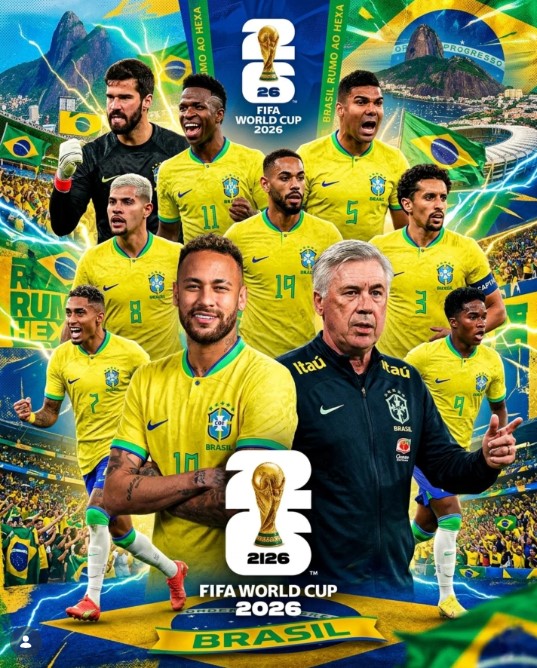
There were, however, some surprising absences. Injuries ruled out players such as Rodrygo and Éder Militão, while Chelsea forward João Pedro was left out despite strong club performances during the season.
Speaking during the announcement, Ancelotti emphasized that resilience and team spirit would be more important than perfection at the tournament. The Brazilian coach made it clear that the squad was selected not only on talent, but also on mentality and physical condition heading into football’s biggest competition.
Neymar’s inclusion has already sparked major debate among fans and football analysts worldwide. Some supporters believe his experience and leadership could be crucial for Brazil’s title ambitions, while others remain uncertain about his fitness after years of injuries. Discussions across football communities and social media have reflected both excitement and skepticism surrounding his return.
Brazil will begin their World Cup campaign in Group C against Morocco national football team on 13 June in New York New Jersey Stadium. They will then face Haiti national football team before finishing the group stage against Scotland national football team in Miami.
With Carlo Ancelotti now leading one of football’s most iconic nations, hopes are once again rising across Brazil that the famous yellow shirt can finally deliver the long-awaited sixth World Cup star.
Source : Ballocentre.com
Images : Getty