
Version française ici
⚽ The AFCON Truth Europe doesn’t want to admit
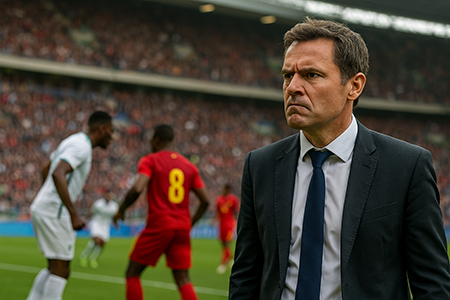
The Africa Cup of Nations (AFCON 2025), hosted in Morocco, once again crystallizes tensions between African football and major European clubs. Behind the official rhetoric of “player protection” lie deeper issues of viewership, TV rights, and major financial losses — especially for the top European leagues.
An AFCON scheduled at the worst time for Europe
AFCON 2025 takes place between December and January, right in the heart of the European season. This period is strategically vital for leagues like the Premier League, La Liga and Serie A, which typically enjoy high international viewership, decisive matches, and major commercial activations for sponsors.
The release of numerous African players weakens clubs on the pitch, but more critically, it disrupts the televised product sold to broadcasters.
Europe's top leagues: Internationally anchored audiences under pressure
Unlike AFCON, which mobilizes a massive pan‑African and diaspora audience, the Premier League and Serie A rely heavily on domestic and regional viewership — especially during the winter months.
Yet tonight and throughout the tournament, AFCON 2025 will capture a significant share of television attention, particularly across Africa, Europe, and the Middle East.

La Liga stars and others watch an AFCON match in the stands
The result:
• Decline in cumulative viewership for European Matches
• Loss of visibility for sponsors
• Devaluation of TV rights during this period
Major financial losses for European leagues
Broadcasters and commercial partners invest billions of euros to ensure maximum exposure. The direct competition from AFCON leads to:
• Drop in viewership for certain league fixtures
• Reduced return on investment for advertisers
• Increased pressure on leagues to protect their economic interests
This potential loss of revenue until the end of AFCON is precisely what drives some European clubs to push for a permanent change to the tournament’s calendar.
AFCON 2025 poised for record‑breaking viewership
In contrast, AFCON 2025 is enjoying exceptional momentum. The Confederation of African Football (CAF) has signed a record number of broadcast deals, guaranteeing unprecedented global visibility for the competition.
Data from previous editions shows that AFCON attracts hundreds of millions of viewers, with peak audiences surpassing those of many European league matches outside marquee fixtures.
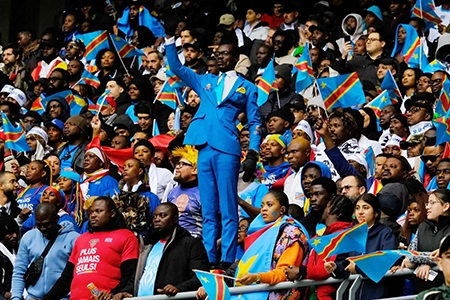
Constant Omari denounces an imbalanced power dynamic
In a recent statement to Ouragan media, Constant Omari — a former influential and controversial figure in African football — strongly criticized what he sees as direct pressure from European clubs on CAF and FIFA.
According to him, the push to alter AFCON’s calendar is not about sport, but pure economics. Omari describes it as a “dictate” aimed at protecting the financial interests of European leagues at the expense of African football’s sovereignty, visibility and growing clout.

A symbolic battle for the future of African football
Beyond scheduling, the conflict surrounding AFCON 2025 reveals a deeper question: who controls global football?
The rise of African viewership is challenging Europe’s media dominance and unsettling an economic model built around Western leagues.
AFCON 2025 thus stands as more than a tournament — it is a symbol of African football’s economic and cultural resistance against European interests.

Source: Joe Star for Ballocentre.com
Images: GETTY, CAF, TEKNIK AI illustration

🏆 AFCON will move to a four‑year cycle after 2027, announces Patrice Motsepe!
The president of the Confederation of African Football (CAF), Patrice Motsepe, has announced a major change to the Africa Cup of Nations (AFCON) calendar. Starting with the edition following AFCON 2027, the continental competition will be held every four years, breaking with the biennial rhythm that has defined it for decades.
This decision reflects a desire to reorganize the African international calendar and better align it with the demands of modern football. According to Patrice Motsepe, the objective is twofold: to improve the sporting quality of AFCON and to give national teams more time to prepare for the tournament, while reducing the pressure on players who compete in European and African clubs.

However, the announcement is far from unanimous. Several figures in African football — officials, analysts, and former players — believe that CAF is once again yielding to FIFA’s preferences, particularly regarding the international calendar. For these critics, the African body, despite representing the largest number of federations in the world, struggles to assert its own choices and defend the specific identity of African football on the global stage.
AFCON, the showcase of African football, has long suffered from scheduling conflicts with domestic leagues and club competitions. By switching to a four‑year format, CAF hopes to elevate the tournament’s prestige, strengthen its commercial and media appeal, and enable better long‑term planning for federations. But detractors argue that this reform could weaken the identity and frequency of expression of African football, which has long been carried by the regularity of AFCON.
This change therefore marks a historic and controversial turning point for African football. AFCON 2027 will be the final edition under the old rhythm, before the new four‑year cycle comes into effect — a shift that is set to redefine the future of Africa’s biggest football competition.
Ballocentre's little comment
Change for the better is always good. However copying and pasting European set ups does not show confidence in our innovative abilities.
Source: Redaction Ballocentre.com
Images: GETTY, CAF
🏆 AFCON 2025: the winner will take home 10 million US dollars, a historic record!
The Confederation of African Football (CAF) has announced a major increase in the prize money for the 2025 Africa Cup of Nations (AFCON). The future champion of the continent will walk away with 10 million dollars, or around 8.4 million euros — an unprecedented amount in the history of the competition.
This significant increase marks a turning point for African football, both sportingly and economically. It reflects CAF’s intention to strengthen the appeal of AFCON, improve the competitiveness of national teams, and better reward top‑level performances.
For comparison, Ivory Coast, crowned champions at AFCON 2023, received 7 million dollars in prize money. The increase announced for the 2025 edition therefore represents a jump of 3 million dollars — a notable rise that will directly benefit national federations and, indirectly, the development of local football.

Beyond the winner, this revaluation is also expected to include upward adjustments for teams reaching the advanced stages of the tournament, further increasing the financial stakes of the competition. For participating nations, AFCON 2025 is shaping up not only as a major sporting challenge but also as an unprecedented economic opportunity.
With this record prize, CAF is sending a strong message: AFCON aims to establish itself among the major international competitions, capable — in its own way — of competing with the world’s biggest football tournaments.
Source: Redaction Ballocentre.com
Images: GETTY, CAF