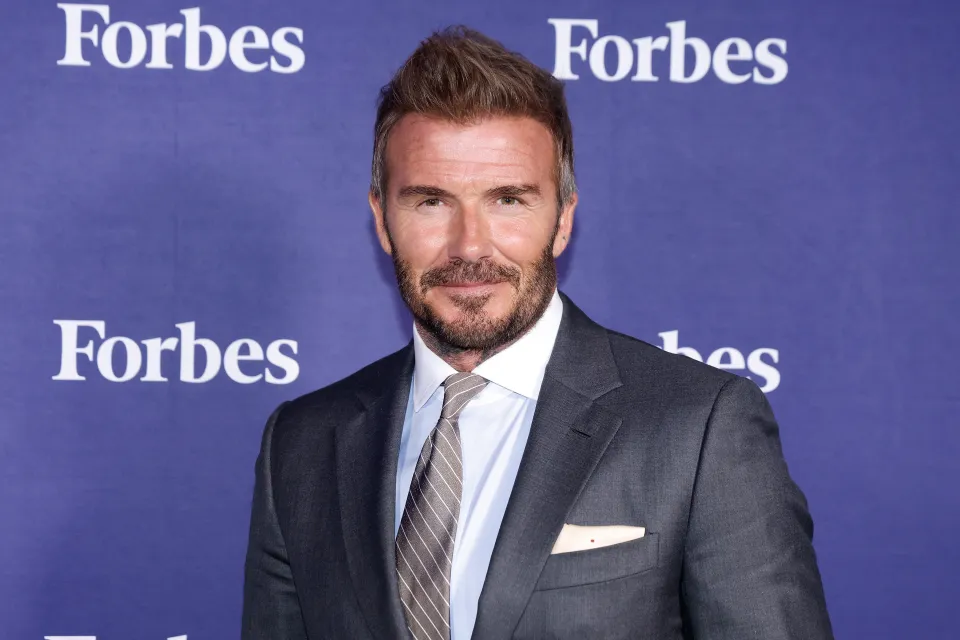
He was never just a footballer. Even in his playing days — the free kicks, the reinventions, the global tours from Manchester to Madrid to Milan to Los Angeles — it was clear that David Beckham was building something that would long outlast his boots. Now confirmed as a billionaire and a featured keynote speaker at the 2026 Forbes Iconoclast Summit in New York City, Beckham stands as one of the most remarkable crossover stories in the history of sport.
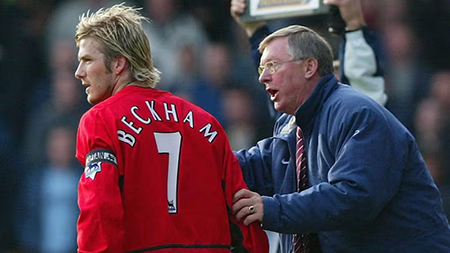
At Forbes' fifth annual Iconoclast Summit on Wednesday 3 June, the former England captain — recently named the United Kingdom's first billionaire athlete by the Sunday Times Rich List, with a combined fortune with wife Victoria estimated at £1.185 billion — reflected candidly on a journey that has taken him from Sir Alex Ferguson's dressing room at Old Trafford to the corridors of global business.
The conversation covered it all: the vision behind Inter Miami, the extraordinary $25 million MLS expansion clause that has since blossomed into a billion-dollar franchise, and the landmark signing of Lionel Messi that changed the landscape of soccer in the United States forever. Beckham also spoke on partnership, family, and his philosophy of investment — including why he chose to back wife Victoria's fashion brand with his own money. And of course, there were reflections on legacy — from lessons learned under Ferguson to the knighthood bestowed upon him by King Charles.


Source: Ballocentre.com
Images: GETTY, Forbes

Morocco’s AFCON is being hailed as the most profitable edition in the competition’s history. Official figures show that the event delivered over $1.1 billion (€1 billion) in economic gains, far surpassing expectations.

Around 3,000 local companies were involved in supply chains and logistics, injecting liquidity into small and medium-sized enterprises and strengthening Morocco’s domestic economy. Analysts described the tournament as a “historic achievement” that consolidated Morocco’s position as a hub for African sports and global events.

Tourism Boom
The football festival translated directly into a tourism surge. Morocco experienced a 32% spike in hotel bookings in Rabat and surrounding regions within 48 hours of the national team’s quarter-final victory. Premium hotels saw occupancy rates jump from 67% to 89%, while average daily rates climbed by 18% as fans scrambled for accommodation ahead of the semi-finals.
This trend was not limited to Rabat. Marrakech, Casablanca, and Tangier also reported record visitor numbers, with airlines adding extra flights to meet demand. The influx of fans created a ripple effect across restaurants, transport services, and cultural attractions, reinforcing Morocco’s reputation as a premier tourist destination.
Jobs and Infrastructure
Beyond immediate profits, AFCON left a lasting economic footprint. According to Morocco’s Industry Minister, the tournament generated 100,000 jobs linked to infrastructure, hospitality, and event management. The economic multiplier effect was estimated at 1.82, meaning every unit invested produced nearly double in returns through revenues and follow-on investments.
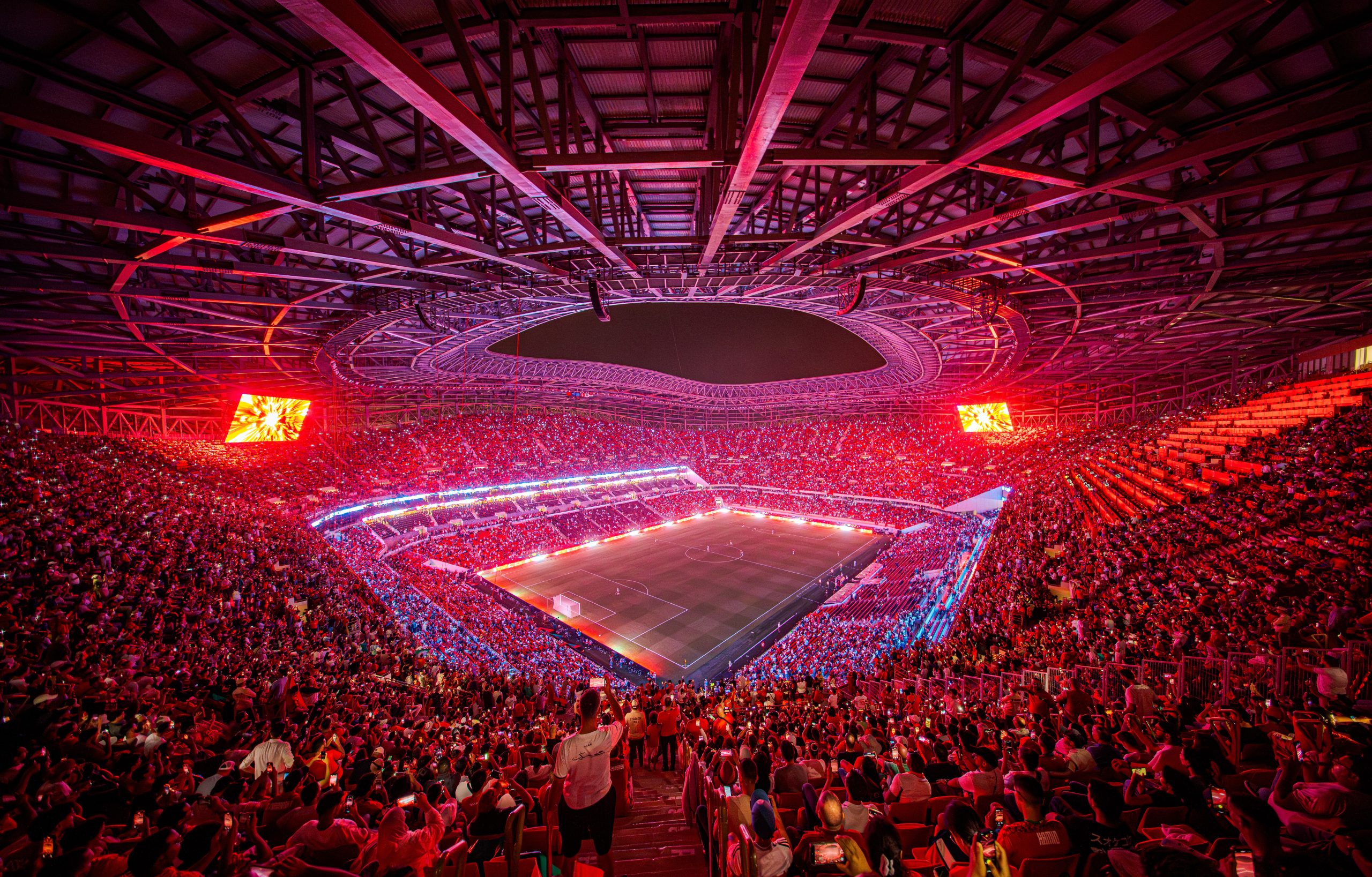
Major stadium upgrades, transport improvements, and hospitality expansions undertaken for AFCON are expected to benefit Morocco long after the final whistle, positioning the country to host future global sporting events.
Balancing Football and Finance
While AFCON is primarily a celebration of African football, Morocco’s edition demonstrated how sport can serve as a powerful economic engine. The combination of record profits, booming tourism, and job creation underscores the strategic value of hosting continental tournaments.
For Morocco, the 2025 AFCON was more than a sporting triumph — it was a showcase of the nation’s ability to leverage football for economic growth, international visibility, and soft power.
Viewership Highlights
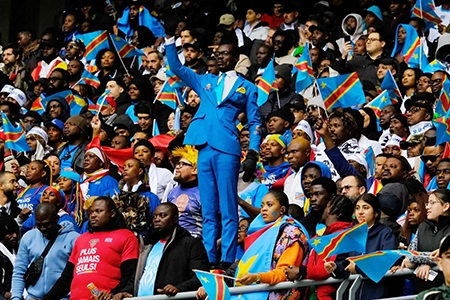
Global Reach: The Confederation of African Football (CAF) confirmed that the final was carried live in over 180 countries, making it one of the most widely distributed editions of the tournament.
Audience Figures: Broadcasters reported a combined audience of 150–160 million viewers worldwide for the final, a record for AFCON.
Why the Numbers Surged
CAF’s new media deals ensured wider coverage, including free-to-air access in key European markets. Highlights and live clips circulated widely online, amplifying reach beyond traditional TV audiences.
The AFCON has grown rapidly in global visibility. CAF reported that the 2023 edition attracted nearly 2 billion viewers cumulatively across the tournament, and the 2026 final built on that momentum with record-breaking distribution.
Morocco’s successful hosting, combined with a dramatic final, ensured that the competition was not only a sporting spectacle but also a global broadcast event.
We urge you to watch the CAF President Press Conference held on the 17 of January 2026 below.
Source: Ballocentre.com
Images: GETTY, CAF, AFP, Reuters Swalehe Ware Shambaro Facebook